Side-by-Side Cognitive Profiles: Scottish Terrier vs. Toy Poodle
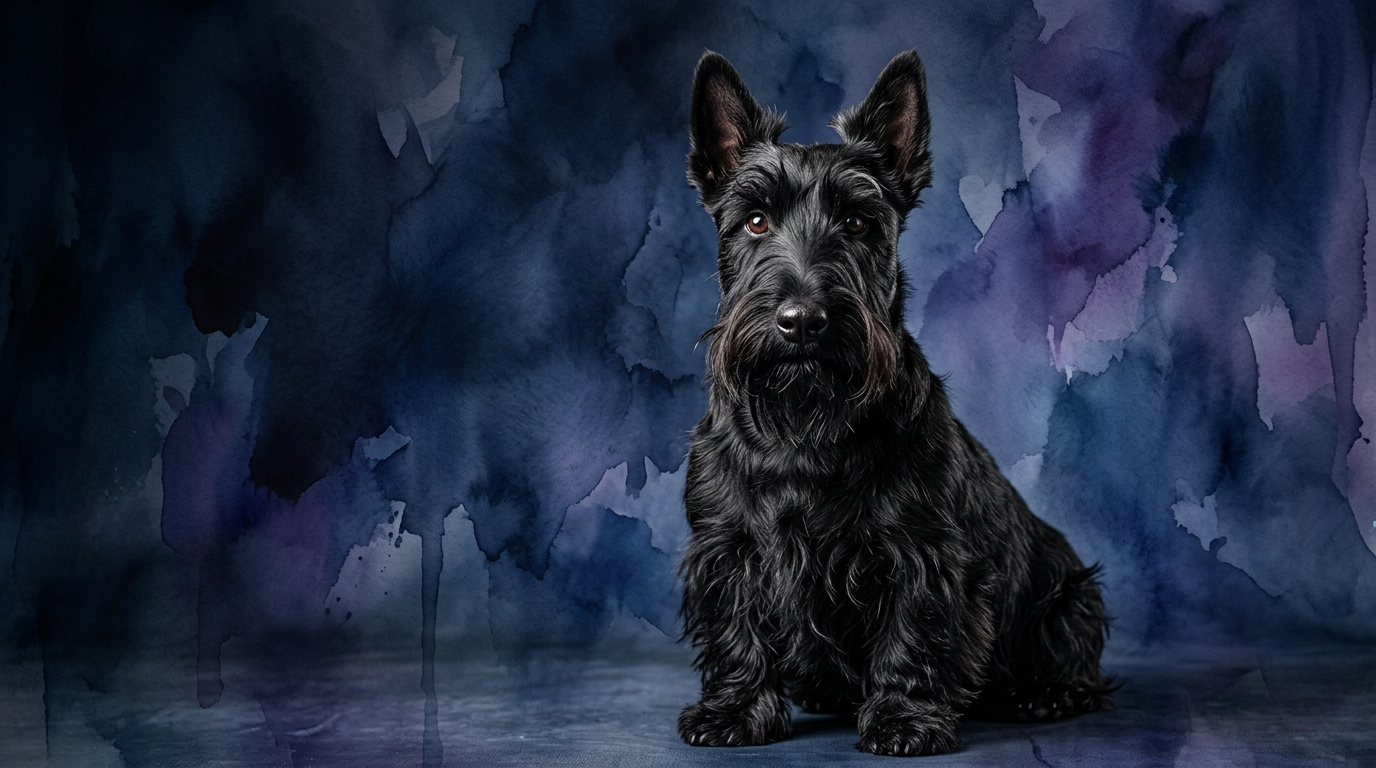
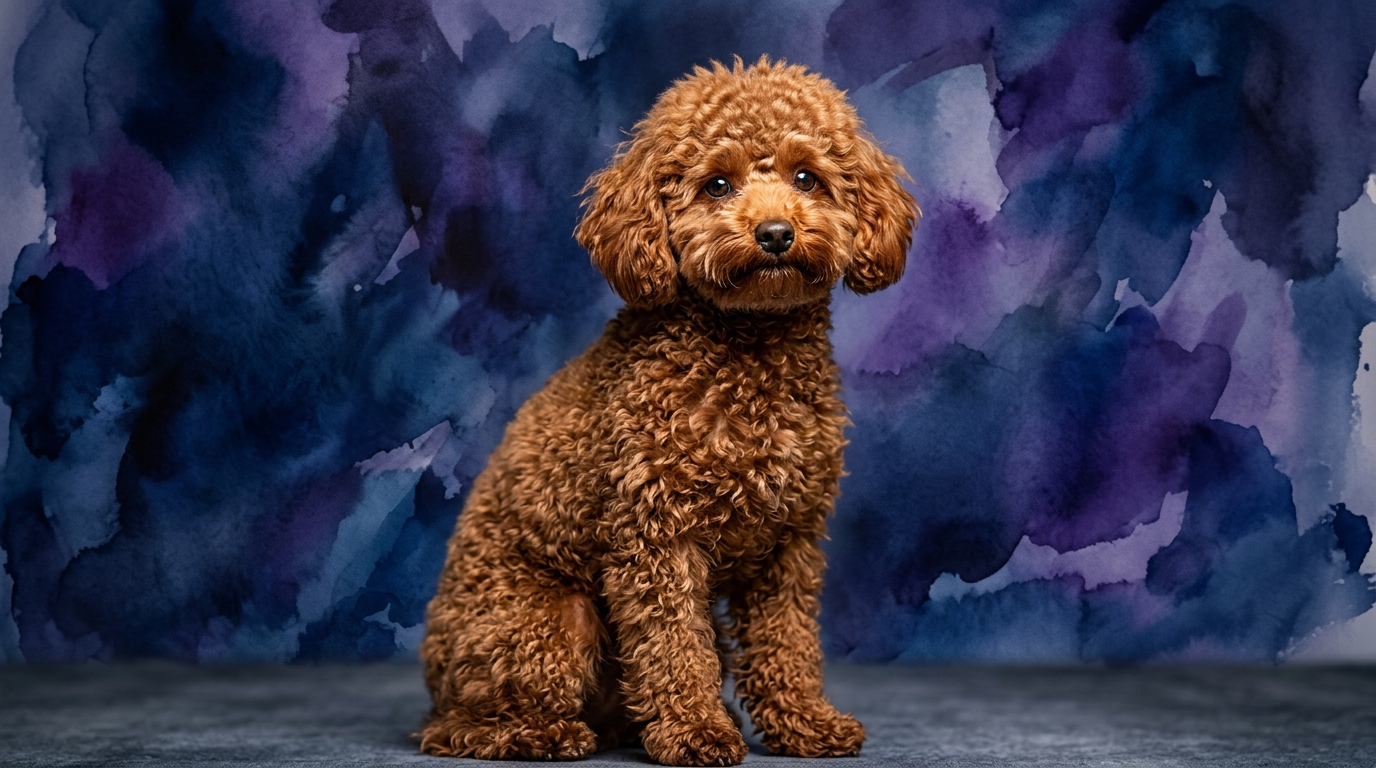
At The Cosmic Pet Pet IQ Lab, we delve into five key dimensions of canine cognition to provide a nuanced understanding of each breed. The Scottish Terrier, ranked #65 by Coren, presents a distinct cognitive makeup shaped by its working heritage, while the Toy Poodle, holding an impressive Coren rank of #2, demonstrates a different set of mental aptitudes.
For the Scottish Terrier, Problem Solving registers at 3/5, indicating a capacity for resourcefulness in their own way, often preferring independent solutions to human-directed ones. Training Speed is also 3/5, meaning they can learn, but their independent nature demands consistent, patient, and engaging methods for full retention and compliance. Their Social Intelligence scores 3/5; they are observant of their human companions and surroundings, yet their interactions are frequently on their own terms. Instinctive Drive, at 3/5, highlights prominent prey drive and digging instincts that guide much of their spontaneous behavior. Finally, Memory is 3/5, showing they are capable of retaining commands and experiences, though recall can be influenced by their independent streak and environmental distractions.
In contrast, the Toy Poodle showcases a different cognitive blueprint. Their Problem Solving capability is a superior 5/5, reflecting an exceptional aptitude for complex tasks and adapting strategies, quickly grasping new concepts and finding creative solutions to puzzles. Training Speed also achieves a 5/5, marking them as rapid learners, eager to please, and quick to pick up new commands and routines, making them highly responsive to instruction. Social Intelligence aligns with the Scottish Terrier at 3/5; they are attuned to human emotions and social cues, often seeking interaction and engagement, though their sensitivity means they can also pick up on stress. Instinctive Drive is 3/5, manifesting more as a desire to engage playfully with toys and participate in activities, rather than a strong prey drive. Memory for the Toy Poodle is an outstanding 5/5, demonstrating excellent retention for commands, routines, and past experiences, contributing to their consistent performance across various activities.
Where the Scottish Terrier's Cognition Shines
The Scottish Terrier's cognitive strengths lie in their self-reliance and tenacious approach to navigating their world. Their 3/5 score in Problem Solving, while not always aligned with human expectations, translates into a dog that can independently assess situations and pursue their goals with remarkable determination. This isn't about solving complex puzzles for a treat, but rather figuring out how to access a forbidden spot or persistently tracking an interesting scent. This cognitive resilience, coupled with their moderate instinctive drive, allows them to pursue their interests with an unwavering focus. They possess a steadfastness that means they are not easily deterred, a characteristic that once made them formidable hunters and now offers a unique, independent companionship.
Where the Toy Poodle's Cognition Excels
The Toy Poodle's cognitive profile is characterized by a remarkable capacity for rapid learning and application. Their exceptional 5/5 scores in Problem Solving, Training Speed, and Memory converge to create a highly adaptable and capable learner across a wide spectrum of tasks. They excel in understanding complex sequences, retaining vast repertoires of commands, and applying learned behaviors consistently in varied environments. This cognitive agility allows them to process information quickly, anticipate expectations, and respond with precision, making them outstanding candidates for advanced obedience, intricate trick training, or performance in canine sports. Their mental energy is often channeled into absorbing and executing new information, making them highly rewarding partners for interactive cognitive challenges.
Training Dynamics: Responsiveness vs. Independence
When considering ease of training, the differences between these two breeds become quite pronounced, reflecting their inherent cognitive styles. The Toy Poodle, with its 5/5 Training Speed and 5/5 Memory, is generally a more cooperative and responsive student. They grasp new concepts with impressive speed and retain them consistently, making positive reinforcement highly effective. Their desire to engage and understand what is expected of them means they are less likely to 'forget' a command or deliberately choose not to comply, often seeking to please their human companion through accurate execution of tasks. This makes them a joy for owners who want a dog that quickly integrates into routines and learns a wide range of commands.
Conversely, the Scottish Terrier, with 3/5 scores in both Training Speed and Memory, presents a more nuanced training experience. They are certainly capable of learning, but their independent nature and moderate instinctive drive mean they often require more repetitions, greater patience, and highly engaging, reward-based methods. A Scottish Terrier might understand a command perfectly but choose to prioritize a captivating scent or an interesting visual stimulus over immediate compliance, embodying the classic terrier tenacity. Training needs to be consistently stimulating and demonstrate clear value to the dog to overcome their self-directed tendencies, focusing on building a strong relationship and finding motivators that truly resonate with their spirited personality.
Matching Breeds to Lifestyles: Active vs. Relaxed Owners
The ideal owner for each breed often aligns with their cognitive and behavioral tendencies. For owners seeking a partner for active engagement, the Toy Poodle is an excellent match, particularly if that activity involves mental stimulation. Their 5/5 Problem Solving and Training Speed make them thrive in structured activities like agility, obedience, or rally, where they can learn and execute complex sequences. They enjoy interactive play and walks, and their energy is often channeled into learning new skills. An owner who wants a dog to actively participate in cognitive challenges or performance sports will find the Toy Poodle a willing and capable partner.
The Scottish Terrier, while not requiring marathon runs, also benefits from an owner who understands their need for purposeful engagement. Their moderate instinctive drive means they enjoy exploring, digging (in appropriate zones), and 'hunting' in a secure yard. An owner who enjoys brisk, investigative walks, or who can provide outlets for their natural terrier instincts, perhaps through earthdog trials or scent work, would suit them well. For more relaxed owners, both breeds can adapt, but with caveats. A Toy Poodle can be content with a calmer home if their cognitive needs are met through regular puzzle toys and gentle, interactive play. A Scottish Terrier can also suit a relaxed owner who appreciates a dog that isn't constantly demanding instruction, but this owner must be prepared to provide consistent, independent mental outlets for the terrier's inherent drive and self-directed curiosity, ensuring they have their own 'work' to do, even if it's just supervising the garden.
The Verdict
Choose a Scottish Terrier if you appreciate a self-reliant companion with a strong sense of purpose, valuing a dog that thinks independently and offers steady, albeit on-their-own-terms, companionship. They thrive with owners who understand their need for consistent engagement and respect their spirited nature.
Opt for a Toy Poodle if you seek a highly responsive and adaptable partner eager to engage in complex learning, excelling in rapid training and consistent performance across various activities. They are ideal for owners who enjoy interactive cognitive challenges and a cooperative approach to companionship.
🧠 Find Your Pet's IQ Score
Our Pet IQ Lab assessment covers 25+ tests across 5 cognitive dimensions — personalized to your breed.
Take the Full IQ Test →Frequently Asked Questions
Are Scottish Terriers difficult to train?
Scottish Terriers are not difficult in the sense of being unable to learn, but their independent nature and moderate training speed mean they require patience, consistency, and highly engaging methods. They might understand a command but often choose to prioritize their own interests, reflecting their self-directed cognitive style.
Do Toy Poodles need a lot of mental stimulation?
Yes, Toy Poodles benefit significantly from mental stimulation due to their exceptional problem-solving abilities and memory. Engaging them with puzzle toys, learning new tricks, or participating in canine sports helps channel their cognitive energy constructively and keeps them content and well-adjusted.
How do their social intelligence scores affect their family life?
Both breeds score 3/5 in social intelligence, meaning they are observant of their environment and companions, but express it differently. Toy Poodles often seek interaction and are attuned to human moods, fostering close bonds. Scottish Terriers are observant but might interact on their own terms, offering companionship that is present but less overtly demonstrative, valuing their personal space.