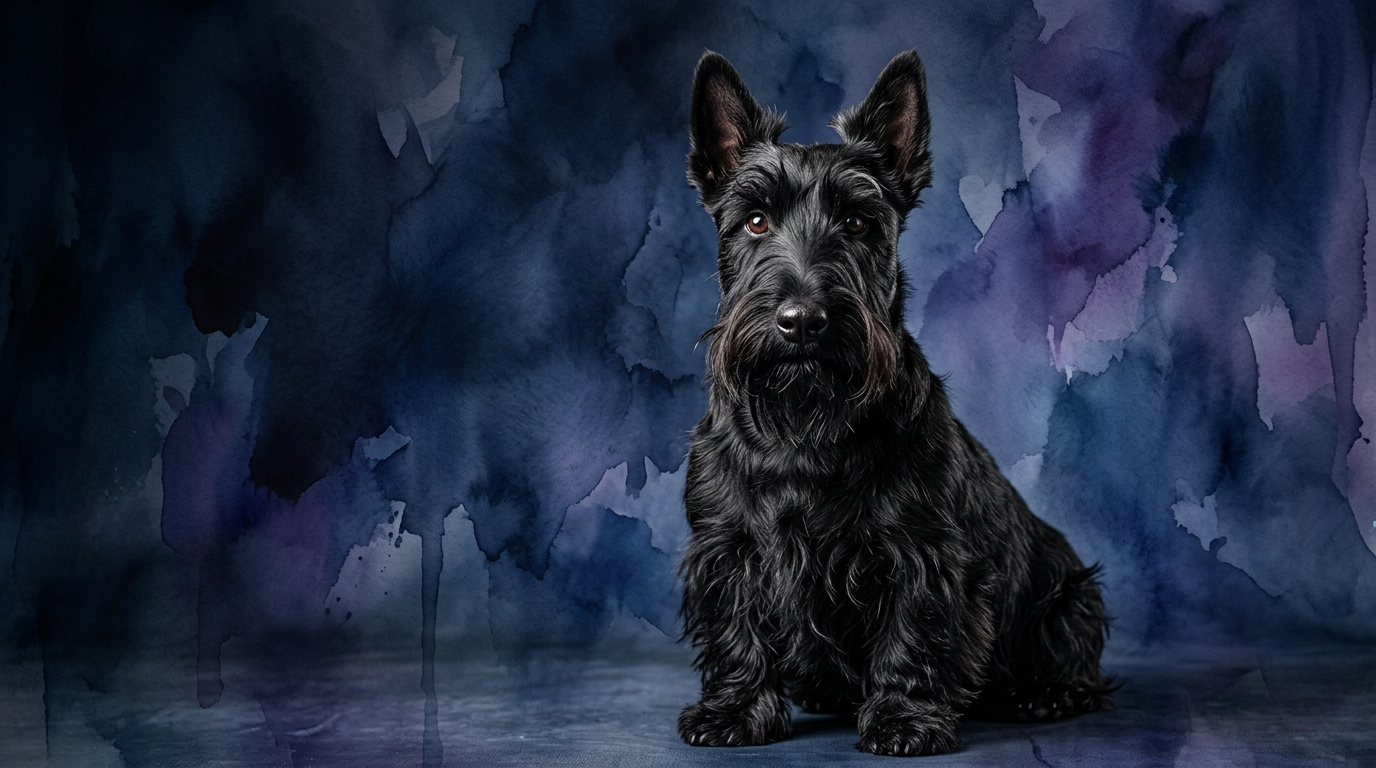
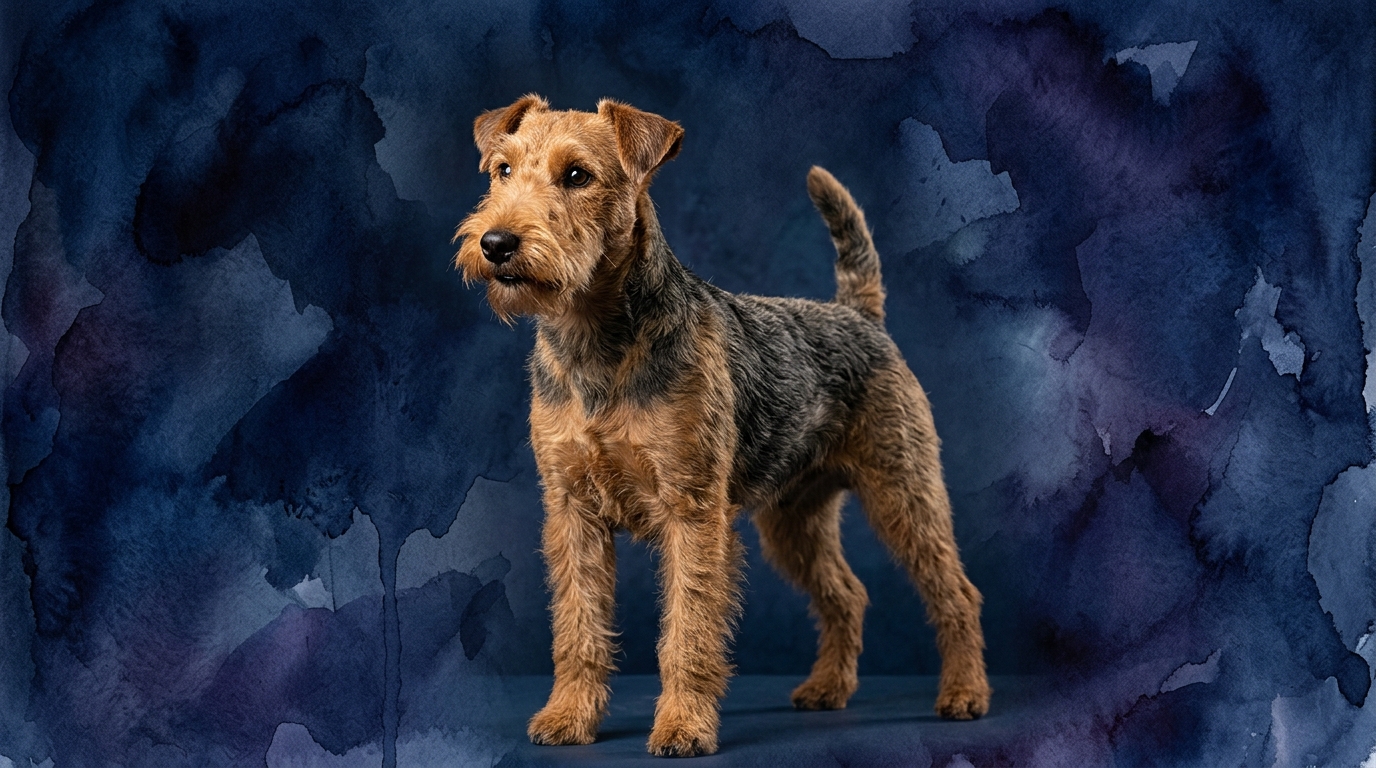
Side-by-Side IQ Profile: Scottish Terrier vs. Welsh Terrier
At The Cosmic Pet Pet IQ Lab, we evaluate canine intelligence across five key dimensions. Interestingly, both the Scottish Terrier and the Welsh Terrier register identical scores of 3/5 in each category, suggesting a baseline of moderate cognitive abilities. However, the *manifestation* of these scores varies significantly between the breeds, shaped by their distinct histories and temperaments.
For **Problem Solving (3/5)**, the Scottish Terrier exhibits a methodical, persistent approach. Their ancestral role in independently hunting burrowing animals like badgers and foxes fostered a cognitive style focused on unwavering determination to overcome physical and strategic obstacles. A Scottie might spend considerable time meticulously figuring out how to bypass a gate or retrieve a hidden toy, employing a trial-and-error strategy until success is achieved, reflecting a deep-seated tenacity.
The Welsh Terrier, also rated 3/5 for problem-solving, typically demonstrates a more agile and adaptable cognitive strategy. Bred for versatile hunting across varied terrains and prey, they tend to approach novel situations with spontaneous curiosity and a readiness to try different tactics quickly. Their solutions might appear less deliberate but are often just as effective, showcasing a spirited inventiveness when faced with a new challenge, whether it’s escaping a confined space or deciphering a puzzle toy.
Regarding **Training Speed (3/5)**, the Scottish Terrier's score reflects their capacity to learn new commands at a moderate pace, but always with a strong independent streak. A Scottie is not inherently eager to please in the conventional sense; they learn best when training is consistent, engaging, and clearly aligns with their own perceived self-interest or rewards. Their Coren ranking of #65, placing them in the average working intelligence category, suggests they typically require 40-80 repetitions to grasp a new command and respond reliably around 30% of the time on the first attempt.
The Welsh Terrier, also scoring 3/5 in training speed, shares a similar learning curve. While not Coren-ranked, their spirited and often boisterous nature means they can pick up new tasks quickly when motivated and engaged. However, their enthusiasm can sometimes lead to distractibility or a desire to 'do it my way.' Effective training for a Welsh Terrier relies on keeping sessions dynamic, positive, and varied to maintain their focus and capitalize on their generally more outgoing disposition.
In **Social Intelligence (3/5)**, the Scottish Terrier displays a nuanced understanding of social cues, yet often with a reserved and discerning demeanor. They form exceptionally strong, deep bonds with their immediate family but can be aloof or watchful with strangers and other animals. Their perception of social dynamics is acute, allowing them to read situations well, even if their outward expression remains stoic and less overtly demonstrative.
The Welsh Terrier, with its matching 3/5 in social intelligence, tends to be more openly expressive and generally amiable. They read social cues effectively and are often more eager to engage with new people and situations, though still retaining that characteristic Terrier independence. Their social interactions are typically more animated, and they are quicker to adapt to different social environments, requiring guidance to channel their enthusiasm appropriately rather than to coax engagement.
The **Instinctive Drive (3/5)** in a Scottish Terrier is profound and often intensely focused. This score reflects a deeply ingrained and persistent prey drive, manifesting as a strong inclination to dig, chase, and investigate. Their historical role demanded a concentrated, single-minded pursuit, and this drive is typically goal-oriented, less easily diverted once a target or task is identified, reflecting a relentless determination.
For the Welsh Terrier, also 3/5 in instinctive drive, this manifests as a lively and adaptable energy for hunting, exploring, and engaging with their environment. While their prey drive is strong, it often presents with more exuberance and a slightly broader range of expression. They are keen participants in games that mimic hunting behaviors, such as fetch or scent work, demonstrating a versatile enthusiasm for applying their natural instincts.
Finally, in **Memory (3/5)**, the Scottish Terrier demonstrates good retention of learned commands, routines, and experiences. Once a behavior or expectation is ingrained, it tends to stick, contributing to their consistency. This also means they vividly recall both positive and negative training experiences or interactions, making early positive reinforcement crucial.
The Welsh Terrier's 3/5 memory also indicates strong recall of training and past events. They remember routines, relationships, and learned behaviors effectively, which is beneficial for building a solid foundation in training. While their spirited nature might occasionally lead to momentary distraction, their underlying memory capacity for commands and social interactions is robust.
Where Scottish Terriers Show Unique Cognitive Strengths
While both breeds share identical IQ scores, the Scottish Terrier’s cognitive profile shines in specific areas. Their problem-solving (3/5) is characterized by an exceptional persistence; once a Scottie commits to a task, they exhibit an almost unyielding focus until a solution is found. This isn't just about speed, but about sustained, tenacious effort, a direct echo of their historical need to outlast and outwit burrowing prey. They excel in tasks requiring deep concentration over time, rather than quick, spontaneous adaptation.
Furthermore, the Scottie’s memory (3/5), combined with their reserved social intelligence, often translates into highly predictable and reliable execution of learned behaviors once they are thoroughly understood and accepted. They appreciate routine and consistency, making them steadfast companions in established environments. This predictability, once earned through patient training, can be a significant cognitive advantage for owners seeking a dog whose responses are consistent and dependable in familiar contexts.
Their instinctive drive (3/5) is also uniquely focused; it’s a deep, concentrated urge that can be channeled effectively into specific, detail-oriented activities. For instance, in scent work or tracking, a Scottie’s ability to lock onto a single stimulus and pursue it with unwavering determination can be a distinct cognitive asset, demonstrating a specialized application of their natural instincts that is less easily diverted by external factors.
Where Welsh Terriers Show Unique Cognitive Strengths
The Welsh Terrier, despite mirroring the Scottie's IQ scores, presents its own distinct cognitive advantages. Their problem-solving (3/5) is often marked by a more spontaneous creativity and adaptability. Unlike the Scottie’s methodical approach, a Welsh Terrier might rapidly cycle through various solutions to a new challenge, showcasing a quick wit and an eagerness to experiment. This makes them particularly adept at navigating novel situations or adapting swiftly to unexpected changes in their environment, reflecting a flexible cognitive processing style.
In terms of social intelligence (3/5), the Welsh Terrier typically exhibits a more openly expressive and generally amiable disposition. They are often quicker to engage with new people and less reserved, making them more transparent in their emotional displays and generally more welcoming in social interactions. This cognitive trait allows them to form new social connections with greater ease and adapt to diverse social settings more readily than their Scottish counterparts.
Their instinctive drive (3/5) also displays a remarkable versatility in its application. While strong, it can be channeled into a broader array of activities with equal enthusiasm. A Welsh Terrier might apply their drive to vigorous play, agility courses, or exploring new and varied environments with impressive zest, demonstrating a wider cognitive bandwidth for channeling their natural energy into diverse forms of mental and physical engagement.
Which is Easier to Train and Why?
When considering ease of training, the identical 3/5 training speed scores for both breeds can be deceptive, as their underlying behavioral motivations differ significantly. The Scottish Terrier, with its Coren ranking of #65, requires patient and consistent training. Their independent nature means they aren't inherently driven by a strong desire to please; instead, they need to be convinced that complying with a command is worthwhile or rewarding. Training a Scottie often feels like a negotiation; they learn quickly when motivated, but might choose to ignore commands if they perceive a lack of benefit or if a more interesting distraction arises. Their strong memory means once a behavior is ingrained, it's there to stay, but they also remember negative experiences or inconsistencies vividly.
The Welsh Terrier, while also scoring 3/5 in training speed, can often *feel* easier to train for some owners due to their generally more outgoing and spirited nature. Their enthusiasm and higher social engagement can make them more responsive to praise and interactive training methods. However, their exuberance can also translate into distractibility; they might pick up commands quickly but then 'forget' them in the excitement of a new situation or a perceived game. Training a Welsh Terrier requires a dynamic approach, keeping sessions short, fun, and varied to maintain their focus and prevent boredom. The Scottie might *deliberately* refuse a command, whereas the Welsh Terrier might simply be too excited to respond immediately.
Ultimately, neither is 'easy' in the conventional sense of a highly biddable breed. Both demand a trainer who understands Terrier psychology: firm, fair, consistent, and always more interesting than the environment. The Scottie requires more patience to overcome their inherent independence, while the Welsh Terrier requires more engagement to manage their boundless energy and potential for distraction.
Which Suits Active Owners vs. Relaxed Owners?
The choice between a Scottish Terrier and a Welsh Terrier often hinges on an owner's lifestyle and preferred level of daily engagement. For **active owners** who thrive on varied outdoor pursuits and interactive play, the Welsh Terrier is often an excellent match. Their adaptable problem-solving, expressive social intelligence, and versatile instinctive drive (all 3/5) make them keen participants in activities like hiking, agility, long trail walks, or vigorous games of fetch. They flourish with mental and physical stimulation that allows them to explore, interact, and channel their spirited energy into diverse adventures.
Conversely, for **relaxed owners** who appreciate a more predictable routine and a reserved companion, the Scottish Terrier can be a more suitable choice. While they still require daily walks and mental engagement to prevent boredom, their activity needs might be met with consistent, structured exercise rather than constant novelty. Their deep, focused instinctive drive and predictable nature, once routines are established, mean they are often content with a comfortable home life and a trusted human companion, valuing quiet companionship after their exercise needs are met. They are less likely to constantly demand new forms of entertainment, preferring established rhythms.
The Verdict
Opt for a Scottish Terrier if you appreciate a deeply loyal, predictable companion who, once committed, applies tenacious focus to tasks and routines. They thrive with owners who understand their independent spirit and value a reserved yet steadfast presence.
Select a Welsh Terrier if you seek an enthusiastic, adaptable partner eager for varied adventures and social engagement. Their spirited approach to life suits active individuals who enjoy channeling their dog's boundless energy and quick wit into diverse activities.
🧠 Find Your Pet's IQ Score
Our Pet IQ Lab assessment covers 25+ tests across 5 cognitive dimensions — personalized to your breed.
Take the Full IQ Test →Frequently Asked Questions
Are Scottish Terriers good with other pets?
Scotties can be selective with other pets due to their strong instinctive drive and reserved social intelligence (both 3/5). While they can coexist, especially if raised together, careful and consistent early socialization is crucial for them to develop appropriate manners and prevent their prey drive from becoming an issue with smaller animals.
How much exercise does a Welsh Terrier need?
Welsh Terriers, with their spirited nature and versatile instinctive drive (3/5), benefit significantly from at least an hour of vigorous exercise daily. This should include a mix of walks, playtime in a secure area, and mentally stimulating activities to satisfy their energetic and curious minds.
Do Welsh Terriers bark a lot?
Welsh Terriers, being alert, expressive, and possessing a strong instinctive drive (all 3/5), can be prone to barking, particularly when excited, bored, or perceiving novel stimuli. Consistent training from a young age, focusing on 'quiet' commands and managing environmental triggers, can help mitigate excessive barking tendencies.