Side-by-Side IQ Profile: A Deeper Look at 3/5 Scores
At first glance, both the Sealyham Terrier and the Scottish Deerhound present an identical cognitive profile, each scoring a 3 out of 5 across all five measured dimensions: Problem Solving, Training Speed, Social Intelligence, Instinctive Drive, and Memory. This parity suggests a balanced, moderate level of cognitive function in both breeds, yet the *application* of these scores varies significantly due to their divergent ancestries and purposes. Understanding these nuances requires looking beyond the numbers to the inherent breed traits.
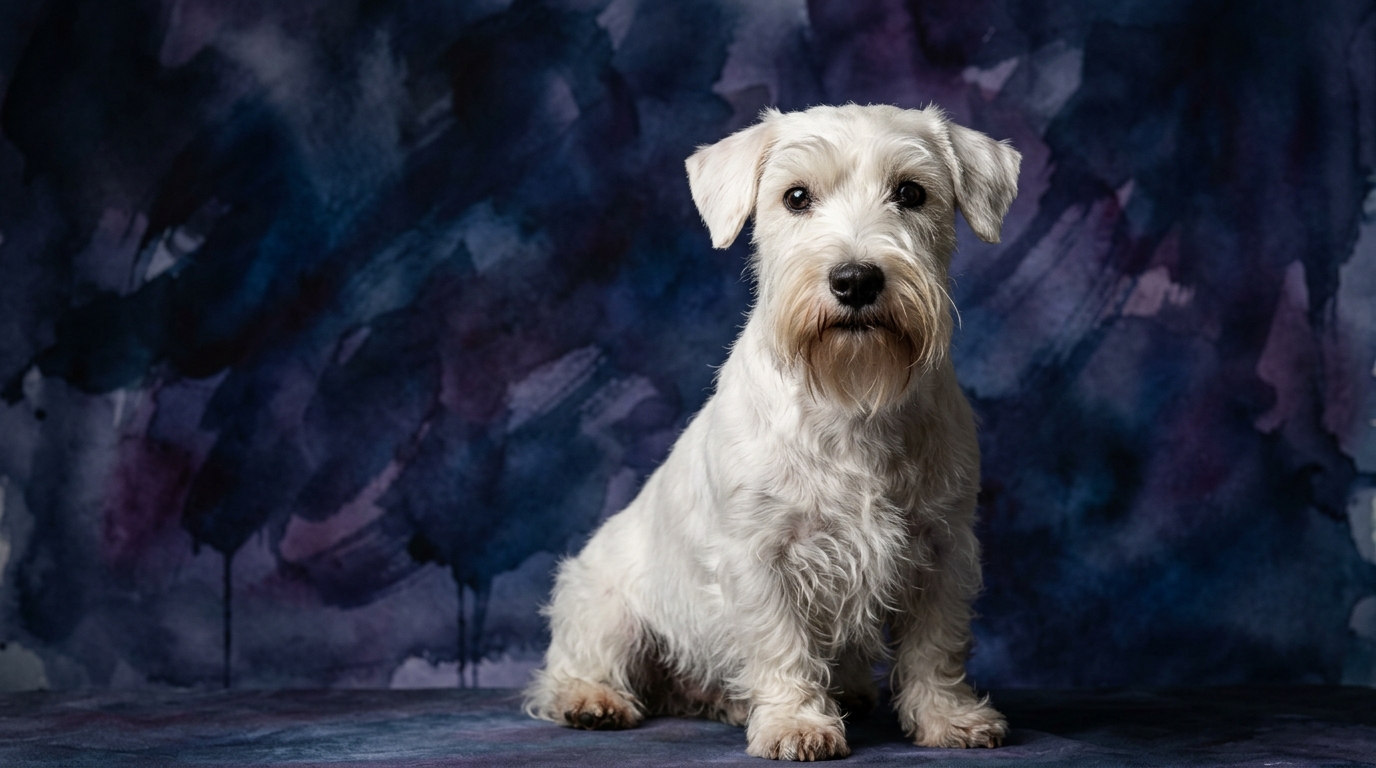
For the Sealyham Terrier, a 3/5 in Problem Solving often translates into persistent, independent thought applied to immediate, often physical challenges, such as figuring out how to access a perceived burrow or retrieve a hidden toy with determined focus. Their Training Speed at 3/5 indicates they are capable learners but possess a strong-willed terrier streak that can make consistent obedience a matter of negotiation rather than pure compliance. Social Intelligence at 3/5 suggests they are generally aware of human moods and intentions within their immediate circle, often engaging directly and sometimes assertively. Their Instinctive Drive, also 3/5, is strongly geared towards scenting, digging, and pursuing small prey, reflecting their badger-hunting heritage. Finally, a 3/5 in Memory for a Sealyham often means they excel at remembering specific locations of interest, routines, or where a valued item might be stashed.
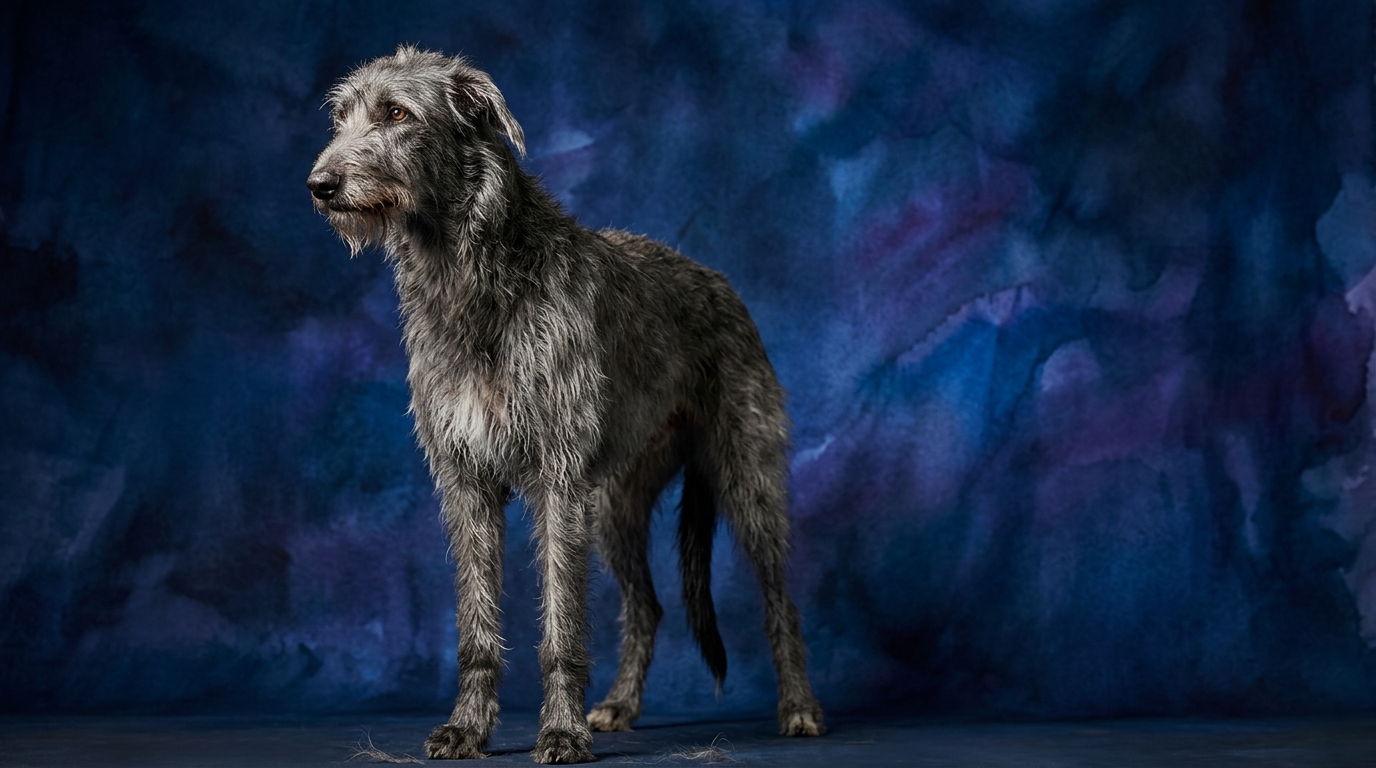
The Scottish Deerhound, with identical 3/5 scores, expresses these traits differently. Their 3/5 in Problem Solving frequently manifests as a keen ability to navigate complex open landscapes, assess moving targets, and plan pursuit routes, rather than manipulative puzzle-solving. Training Speed at 3/5 indicates they grasp concepts but their sighthound nature means they can be easily distracted by visual stimuli or choose to prioritize self-directed activity over immediate handler commands. Social Intelligence at 3/5 for a Deerhound often implies a more reserved, independent understanding of human cues; they are perceptive but might not always feel compelled to engage directly, sometimes appearing aloof. Their Instinctive Drive, also 3/5, is powerfully focused on sight-hunting and chasing large, fast-moving quarry, reflecting their ancient role as deer stalkers. A 3/5 in Memory for a Deerhound typically means a strong recall for vast spatial layouts, familiar hunting grounds, and the movements of game, rather than intricate details of confined spaces.
Where the Sealyham Terrier Shines Cognitively
The Sealyham Terrier’s cognitive strengths, despite matching the Deerhound numerically, lean towards focused tenacity and a certain type of practical, independent problem-solving. Their 3/5 in Problem Solving often manifests as a determined, almost obsessive focus on a single task, such as dismantling a toy or locating a hidden scent source. This terrier grit means they are less likely to give up on a challenge once engaged, applying persistent effort to overcome obstacles, even if it requires a degree of trial and error.
Furthermore, their social intelligence, while a 3/5, is often expressed through a more direct and sometimes demanding interaction style. They tend to be very attuned to the immediate environment and their primary human companions, often using their understanding of human behavior to manipulate situations to their advantage, such as persistent nudging for attention or cleverly indicating their desires. This assertive social awareness, combined with their memory for specific routines and locations, makes them adept at navigating the domestic landscape on their own terms.
Where the Scottish Deerhound Excels Cognitively
The Scottish Deerhound's cognitive advantages are rooted in their sighthound heritage, particularly in spatial awareness and rapid assessment of dynamic environments. Their 3/5 in Problem Solving is less about brute force or sustained manipulation and more about quick decision-making in open spaces, such as calculating the optimal path to intercept a moving object or navigating complex terrain at high speeds. This involves an intuitive understanding of physics and trajectory, honed over centuries of hunting large game.
Their instinctive drive, also 3/5, is channeled into an unparalleled ability to scan horizons and react instantly to movement, demonstrating a sophisticated visual processing and response system. This translates into a memory (3/5) that is excellent for vast spatial layouts, remembering hunting patterns, and recalling the location of specific landmarks over long distances. While their social intelligence is a 3/5, it often comes with a dignified independence; they understand social cues but might process them with a degree of detachment, making them excellent observers and capable of independent decision-making even within a social context.
Training Dynamics: Sealyham's Tenacity vs. Deerhound's Independence
When it comes to training, both breeds present a 3/5 for Training Speed, indicating they are capable of learning but require consistent, engaging methods. However, the 'why' behind this 3/5 differs significantly. The Sealyham Terrier's 3/5 for training speed is often tempered by their strong-willed, independent terrier nature. They learn commands readily but may choose to obey only if they perceive it to be in their best interest or if the reward is sufficiently motivating. Their problem-solving skills might even be applied to finding ways around commands, making training a battle of wits and requiring immense patience and a firm but fair approach.
The Scottish Deerhound's 3/5 training speed, conversely, is often influenced by their sighthound independence and potential for distraction. They can grasp concepts quickly, but their powerful instinctive drive to chase anything that moves can override learned behaviors in an instant. A Deerhound might understand a 'recall' command perfectly but choose to ignore it if a rabbit darts across their field of vision. Training a Deerhound demands understanding their prey drive and managing their environment, focusing on engagement and making training more rewarding than any potential distraction. Neither breed is 'easy' in the sense of being highly biddable, but the challenges they present are distinct: the Sealyham's internal stubbornness versus the Deerhound's external sensory focus.
Lifestyle Match: Active Pursuits vs. Relaxed Companionship
Considering their cognitive profiles and inherent drives, the Sealyham Terrier and Scottish Deerhound cater to different owner lifestyles. The Sealyham, with its focused problem-solving and persistent instinctive drive, suits active owners who enjoy engaging in structured activities like earthdog trials, agility, or extensive scent work. Their need for mental stimulation and outlets for their terrier energy means they thrive with owners who are proactive in providing consistent training, puzzle toys, and opportunities for digging or 'hunting' games. They are not necessarily high-endurance athletes but require consistent mental and physical engagement to prevent boredom and destructive behaviors.
The Scottish Deerhound, despite its impressive speed and hunting heritage, often surprises owners with its relaxed demeanor indoors. While they require bursts of intense exercise in a secure, expansive area to satisfy their instinctive drive for running, they are generally calm and quiet inside the home. Their independent social intelligence and preference for observation make them suitable for owners who appreciate a dignified companion that enjoys quiet companionship as much as exhilarating outdoor sprints. They suit owners who can provide safe, open spaces for their powerful runs and understand that their 'active' periods are intense but often shorter than those of a typical working breed, interspersed with long periods of rest.
The Verdict
Choose the Sealyham Terrier if you appreciate a tenacious, independent thinker who excels at focused, persistent problem-solving and enjoys engaging in structured, stimulating activities like scent work or earthdog trials.
Choose the Scottish Deerhound if you value a dignified, independent companion with exceptional spatial awareness and an instinctive drive for speed, who thrives with owners who can provide secure, expansive areas for powerful sprints and appreciate a calm indoor presence.
🧠 Find Your Pet's IQ Score
Our Pet IQ Lab assessment covers 25+ tests across 5 cognitive dimensions — personalized to your breed.
Take the Full IQ Test →Frequently Asked Questions
Are Sealyham Terriers good at learning tricks?
Yes, Sealyham Terriers are capable of learning tricks due to their 3/5 training speed and problem-solving skills. However, their independent nature means they might choose when to perform, requiring consistent motivation and engaging methods from their handler.
Do Scottish Deerhounds require a lot of mental stimulation?
Scottish Deerhounds benefit from mental stimulation, particularly activities that engage their keen eyesight and spatial reasoning, like lure coursing or exploring new, safe outdoor environments. While not needing constant 'puzzles,' their minds are active, especially when perceiving motion.
Which breed is more prone to 'selective hearing'?
Both breeds can exhibit 'selective hearing' due to their independent natures, scoring 3/5 in training speed. The Sealyham's stubbornness can lead to ignoring commands, while the Deerhound's strong prey drive means it might prioritize chasing a visual stimulus over handler commands.