Side-by-Side IQ Profile: Unpacking Identical Scores
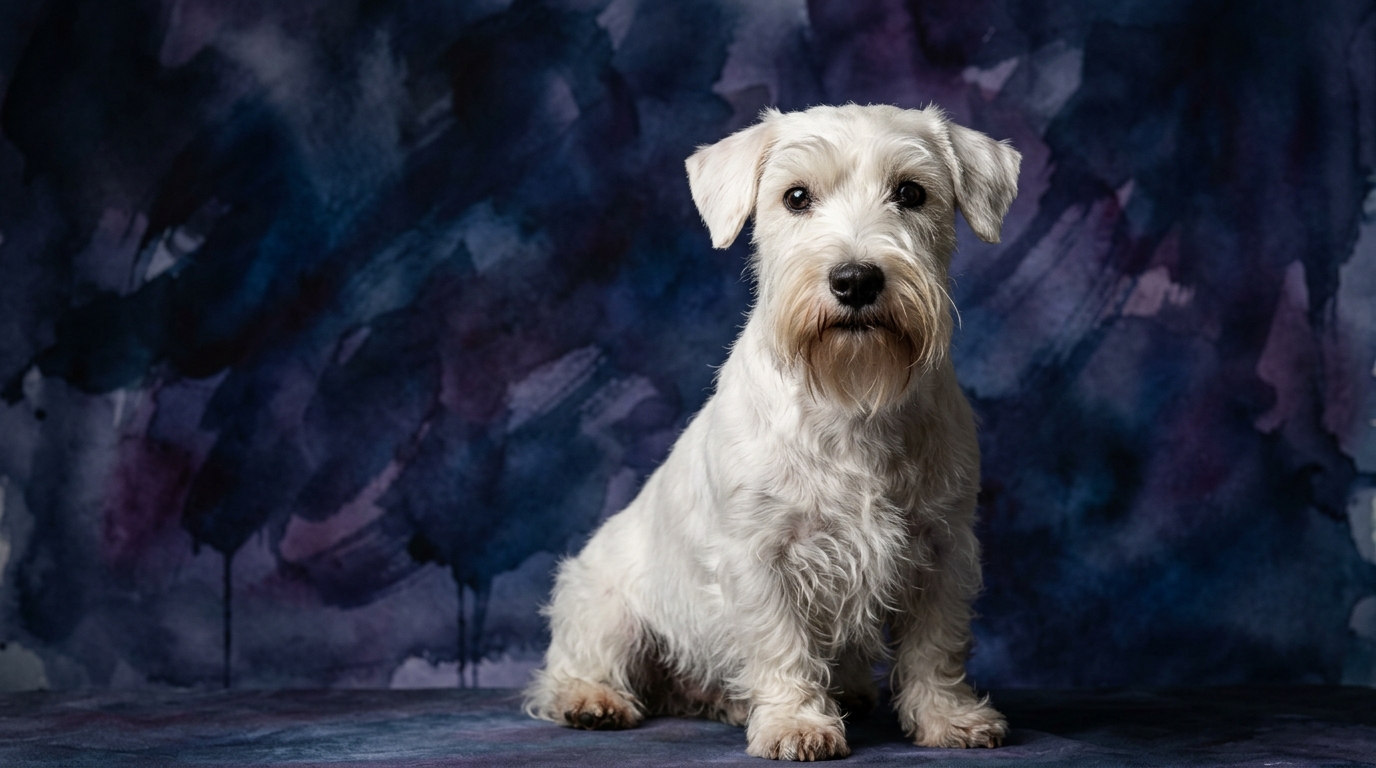
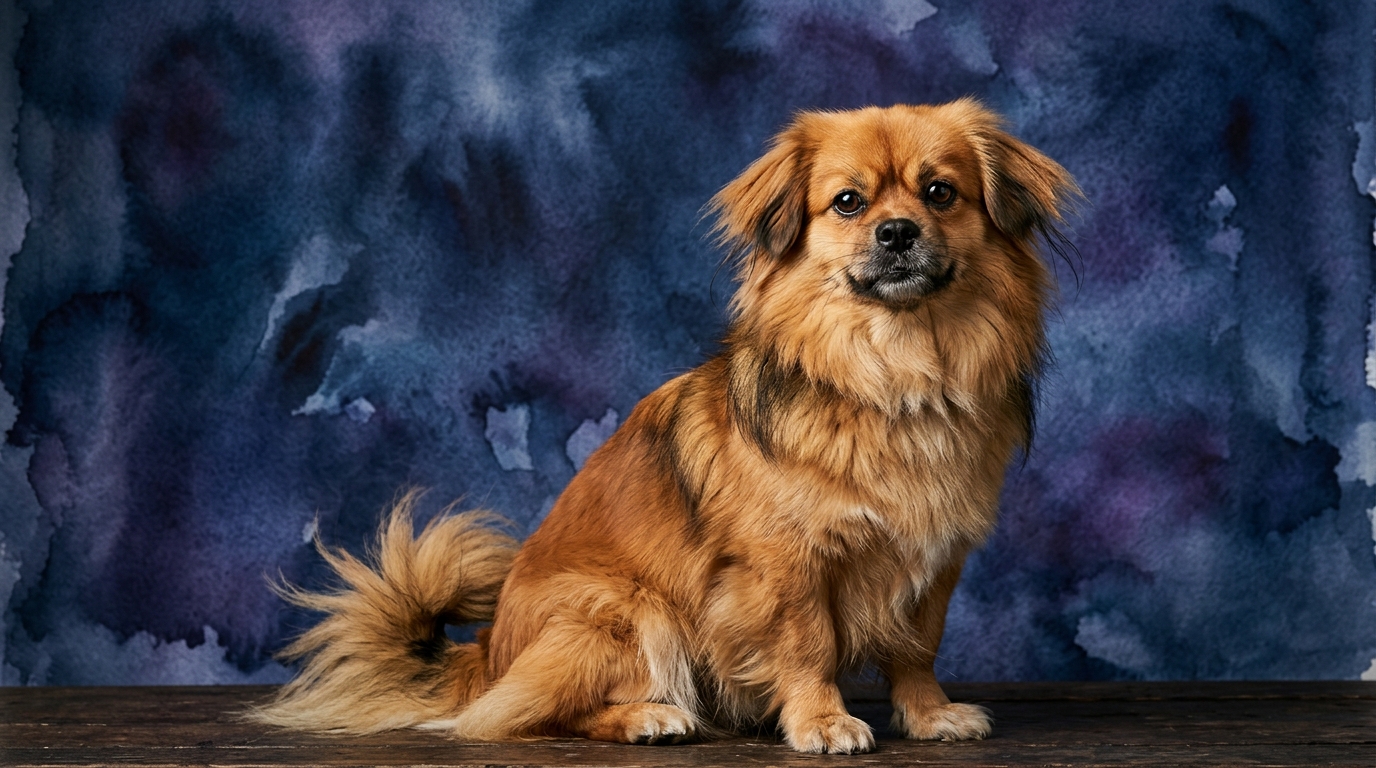
The Cosmic Pet Pet IQ Lab assigns both the Sealyham Terrier and the Tibetan Spaniel a consistent 3/5 across problem-solving, training speed, social intelligence, instinctive drive, and memory. While the numbers are the same, the manifestation of these cognitive traits is deeply rooted in their breed histories and purposes.
For **Problem Solving (3/5)**, the Sealyham Terrier's score reflects its heritage as an independent vermin hunter. This breed demonstrates a determined, often persistent approach to challenges, relying heavily on acute senses, especially scent, and spatial reasoning to navigate complex environments and achieve a goal. Their cognitive process involves assessing a situation with singular focus, employing trial-and-error driven by an innate drive to succeed, such as meticulously working to extract a toy from under furniture.
The Tibetan Spaniel's 3/5 in problem-solving, conversely, speaks to their historical role as watchful monastery dogs. Their cognitive strengths lie in observation and understanding social dynamics rather than physical confrontation. Their problem-solving involves discerning patterns in human behavior, identifying advantageous positions (like an elevated perch), and subtly influencing their environment for comfort or attention. They are adept at navigating complex social situations within a household, figuring out how to get a treat or a cuddle through charming persistence.
In **Training Speed (3/5)**, the Sealyham Terrier is a capable learner but requires consistent, engaging methods that account for their independent nature. They grasp concepts readily but may choose to obey only if a command aligns with their current interest or if they perceive a clear benefit. Their intelligence allows them to understand what is being asked, but their strong will means immediate compliance can be selective, especially if an instinct, like a compelling scent, diverts their attention. Patience and positive reinforcement, making training feel like a game, yield the best results.
The Tibetan Spaniel's 3/5 training speed suggests they are responsive to instruction, particularly from primary caregivers and with positive reinforcement. They are eager to please within their chosen 'flock' but possess an independent streak, meaning they won't blindly follow commands without question. They learn routines quickly and excel with gentle, consistent training but can become bored or resistant if methods are harsh or repetitive. Their sensitivity means they thrive in an environment of trust and mutual respect, making training a collaborative effort.
Regarding **Social Intelligence (3/5)**, the Sealyham Terrier forms strong, loyal bonds with its immediate family, often displaying a reserved or watchful demeanor with strangers. Their historical role demanded focus on their task, not broad social acceptance, leading to a selective social circle. Within their family, they are affectionate and engaged, but interactions with unfamiliar dogs or people can be assertive or cautious, reflecting a cognitive process prioritizing the safety and cohesion of their inner circle. They are astute at reading their human family's moods but less inclined to engage broadly.
For the Tibetan Spaniel, a 3/5 in social intelligence highlights their deep attunement to human emotions and social cues, a legacy of their companion role. They are highly responsive to the nuances of human interaction, often acting as sensitive barometers of the household’s mood. While deeply devoted to their family, they can be discerning with outsiders, observing new people carefully before offering trust. Their social cognition is geared towards maintaining harmony and connection within their inner circle, often using subtle body language and vocalizations to communicate their needs and feelings.
The **Instinctive Drive (3/5)** of the Sealyham Terrier is heavily influenced by their terrier heritage, manifesting as a pronounced prey drive, an urge to dig, and territoriality. These drives are deeply ingrained, guiding their curiosity and interactions with the environment. Their cognitive processes are often fueled by the scent of a small animal or the potential for excavation, leading to focused, persistent engagement with tasks that mimic their historical work. Managing these drives requires channeling them into appropriate outlets, such as scent work or controlled digging areas.
The Tibetan Spaniel's 3/5 in instinctive drive is characterized by alert barking, a desire for elevated vantage points, and a strong, protective bond with their human family. These instincts stem from their role as vigilant companions, serving as “little lions” who watched over their monks. Their cognitive processes are constantly scanning their environment for changes, leading to quick alerts. While they lack the strong predatory drive of a terrier, their instinct to guard and connect deeply with their “flock” is a powerful motivator for their behavior and decision-making.
Finally, the **Memory (3/5)** score for the Sealyham Terrier indicates a good capacity for retaining information, particularly related to spatial awareness, learned routes, and past experiences, both positive and negative. They remember where interesting smells were found, the layout of their territory, and the consequences of certain actions. This strong memory contributes to their problem-solving abilities, allowing them to learn from past attempts and adapt their strategies, whether navigating a complex garden or remembering a specific training sequence. The Tibetan Spaniel's 3/5 memory score reflects their excellent recall for routines, familiar faces, and social interactions. They remember who is part of their inner circle, preferred resting spots, and the schedules of their human companions. This memory is crucial for their role as a companion dog, enabling them to anticipate events, recognize friends and strangers, and maintain the social structure of their household. They quickly learn the rules of the house and remember where the best sunbeams are found, demonstrating a practical and socially-oriented memory.
Where Sealyham Terriers Excel Cognitively
The Sealyham Terrier exhibits a distinct cognitive advantage in independent problem-solving within challenging physical environments. Their historical role demanded they work alone, often underground, to locate and dispatch vermin. This fostered a mental resilience and self-reliance that allows them to maintain focus on a self-directed task, like tracking a complex scent trail or strategizing how to access a hidden object, without constant human intervention. Their problem-solving involves a robust blend of sensory input, particularly scent, spatial reasoning, and an unwavering determination to overcome obstacles. They excel in scenarios requiring sustained, focused effort and a certain degree of physical tenacity to achieve a goal, demonstrating a cognitive process geared towards practical, often physical, conquest.
Where Tibetan Spaniels Excel Cognitively
The Tibetan Spaniel's cognitive strengths shine brightest in nuanced social communication and environmental awareness within a domestic setting. Their long history as monastery companions cultivated a profound ability to interpret subtle human cues, anticipate needs, and adapt to varied indoor social dynamics. They possess a refined capacity to act as sensitive emotional barometers, often sensing shifts in mood or tension before humans are fully aware. Their intelligence is keenly applied to understanding household routines, identifying safe and comfortable spaces, and using subtle body language and vocalizations to communicate their desires. This breed excels at navigating the complexities of human-dog relationships, making them masters of social cohesion and emotional support within their chosen family.
Training Dynamics: Independence vs. Companionship
Determining which breed is 'easier' to train between the Sealyham Terrier and the Tibetan Spaniel is less about inherent capacity and more about understanding their distinct motivational drivers and independent streaks. The Sealyham, with its terrier resolve, is capable of learning quickly but requires an owner who appreciates their independent, sometimes stubborn, nature. Training must be engaging, consistent, and demonstrate clear utility from the dog's perspective. They respond well to challenge and positive reinforcement but can become disinterested or 'switch off' if bored, or if a command conflicts with a deeply ingrained instinct, such as a strong scent. Their problem-solving mind means they might question commands rather than blindly obey, demanding an owner who can make training a collaborative, rewarding puzzle.
The Tibetan Spaniel, conversely, is generally more amenable to training within their social group due to their desire for companionship and their sensitivity to human emotions. They learn routines and basic commands readily when taught with gentle, positive reinforcement. However, their independent 'cat-like' quality means they are not slavishly obedient; they will consider a command and decide if it's worth their while, especially if something more interesting, like a new visitor or a sunbeam, presents itself. They are sensitive souls who do not respond well to harsh corrections, which can lead to withdrawal or resistance. Successful training with a Tibetan Spaniel hinges on building a strong bond of trust and making the process fun and rewarding, appealing to their inherent desire for connection rather than dominance. Both breeds achieve a 3/5 in training speed, but the path to that speed differs significantly based on their intrinsic motivations.
Matching Breeds to Lifestyles: Active vs. Relaxed Owners
For owners seeking an active, engaging companion, the Sealyham Terrier is generally the more suitable choice. Despite their small size, they possess considerable stamina and a robust drive that demands both physical exercise and mental stimulation. An owner who enjoys outdoor activities like hiking, exploring new trails, or engaging in scent work and earthdog trials will find a Sealyham a willing and enthusiastic partner. Their need to dig, explore, and 'work' requires an owner who can provide appropriate outlets for these instincts, channeling their energy into constructive activities. A Sealyham thrives when given a job, even if it's just a complex puzzle toy or a vigorous game of fetch, making them ideal for individuals who lead an active lifestyle and appreciate a dog with a tenacious spirit.
The Tibetan Spaniel, on the other hand, is a better fit for more relaxed owners who prioritize companionship and indoor comfort. While they certainly enjoy daily walks and playful romps, their primary need is to be close to their human family, participating in daily life from the comfort of a lap or a soft bed. Their exercise requirements are moderate, making them excellent apartment dwellers or companions for those with less active lifestyles. They are content with short bursts of play and snuggling, finding immense satisfaction in simply being present with their people. An owner who appreciates a sensitive, attentive, and sometimes independent companion that thrives on emotional connection rather than strenuous activity will find the Tibetan Spaniel an ideal match.
The Verdict
Choose a Sealyham Terrier if you appreciate a resilient, independent problem-solver with a tenacious spirit, and are prepared to channel their strong drives into engaging activities and consistent, stimulating training.
Opt for a Tibetan Spaniel if you desire a sensitive, socially intelligent companion that thrives on close human connection, and are seeking a dog whose cognitive strengths lie in nuanced social interaction and observant companionship.
🧠 Find Your Pet's IQ Score
Our Pet IQ Lab assessment covers 25+ tests across 5 cognitive dimensions — personalized to your breed.
Take the Full IQ Test →Frequently Asked Questions
Are Sealyham Terriers good apartment dogs?
While Sealyham Terriers are not overly large, their strong instinctive drives, particularly for digging and exploring, mean they require significant mental and physical outlets. They can adapt to apartment living if their owners are committed to providing daily, engaging exercise and mental stimulation to prevent boredom and destructive behaviors.
Do Tibetan Spaniels bark a lot?
Tibetan Spaniels were historically bred as 'little lions' to alert monks to approaching strangers, so they do have a propensity for alert barking. They are keen observers of their environment and will often bark to signal new sights or sounds, though consistent training can help manage excessive vocalization.
What kind of mental stimulation do these breeds need?
Sealyham Terriers benefit from scent work, puzzle toys, earthdog trials, and obedience training that challenges their independent problem-solving skills. Tibetan Spaniels thrive on interactive games, learning tricks, and social engagement with their family, which appeals to their social intelligence and desire for connection.