Side-by-Side Cognitive Profile: Shetland Sheepdog vs. Affenpinscher
At The Cosmic Pet Pet IQ Lab, we evaluate canine intelligence across five key dimensions, providing a nuanced view beyond simple labels. Let's examine how the Shetland Sheepdog and the Affenpinscher measure up in each area, revealing their unique mental landscapes.
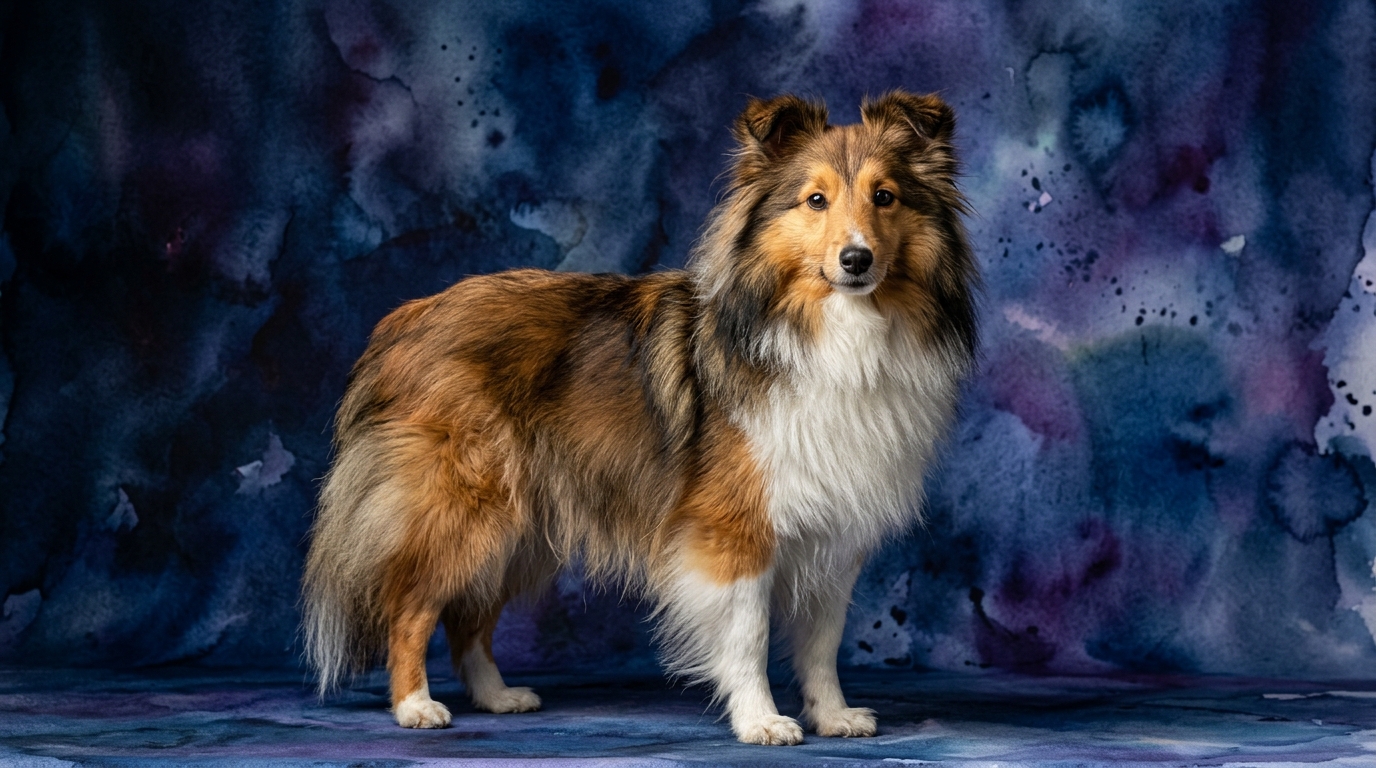
The Shetland Sheepdog, a member of the Herding Group, demonstrates a cognitive profile optimized for complex tasks and cooperative work. Their Problem Solving is rated 4/5, indicating a strong capacity for analyzing situations and devising effective solutions, often showing foresight in their actions. Training Speed is an exceptional 5/5; these dogs absorb new commands with remarkable rapidity, often grasping concepts in just a few repetitions. Social Intelligence stands at 4/5, reflecting their deep attunement to human emotions and social cues, forming strong, responsive bonds. Their Instinctive Drive is a powerful 5/5, manifesting as a profound desire to gather, control, and protect, translating into a focused work ethic. Finally, their Memory is also 5/5, meaning they retain learned behaviors over long periods and recall complex sequences with precision.
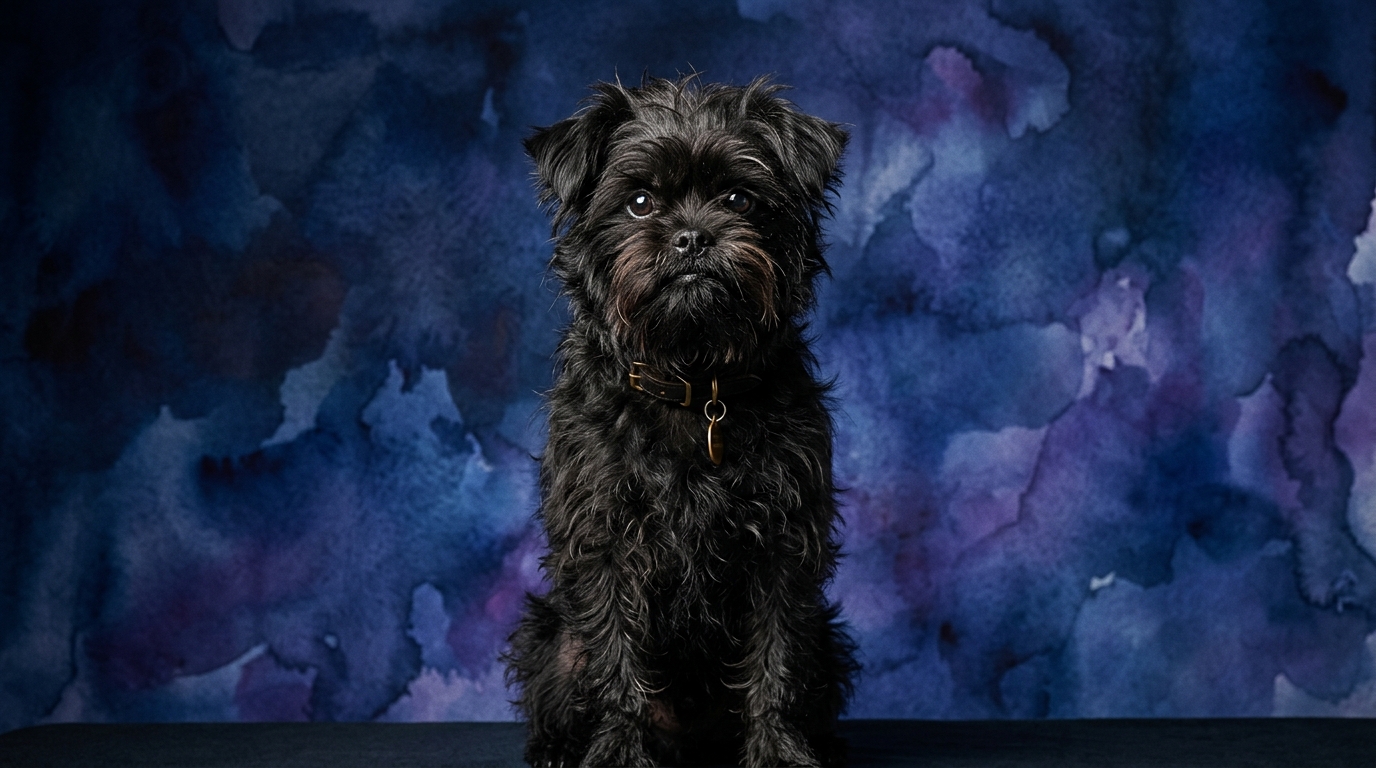
In contrast, the Affenpinscher, a spirited member of the Toy Group, exhibits a cognitive style more geared towards independent thought and charming companionship. Their Problem Solving is 3/5, showing moderate capabilities for figuring out simple puzzles or navigating familiar obstacles, often through curious exploration rather than strategic planning. Training Speed is 3/5; while capable of learning, Affens require more repetition and patience, often learning at their own, sometimes stubborn, pace. Social Intelligence is 3/5, indicating affection within their chosen family but perhaps less overt sensitivity to subtle human emotional shifts compared to working breeds. Their Instinctive Drive is 3/5, primarily revolving around playful exploration and companionship, lacking the complex, directed purpose of a herding dog but possessing a tenacious curiosity. Their Memory is also 3/5, decent for routines and familiar commands, but less robust for intricate sequences or less frequently practiced behaviors, requiring consistent reinforcement.
Where the Shetland Sheepdog Wins Cognitively
The Shetland Sheepdog exhibits a clear cognitive advantage in areas demanding structured learning, rapid acquisition of skills, and sustained focus on tasks. Their Coren ranking at #6 among working/obedience breeds is a testament to their exceptional capacity for understanding and obeying commands, often after very few repetitions. This translates into a dog that can quickly master intricate obedience routines, navigate complex agility courses, or learn a wide array of tricks with impressive speed and accuracy.
Their problem-solving aptitude, rated 4/5, allows them to adapt and strategize, whether it's figuring out how to retrieve a toy from a difficult spot or understanding the nuances of a new training exercise. This isn't merely about trial and error; it often involves a thoughtful assessment of the situation and a planned approach. Furthermore, the Sheltie's powerful instinctive drive (5/5) means they possess an inherent desire to work and a deep focus on tasks. This drive, combined with a 5/5 memory, enables them to retain vast repertoires of learned behaviors and apply them consistently, making them formidable competitors in dog sports and reliable working partners. Their social intelligence also enables them to anticipate handler needs, a crucial aspect of seamless teamwork and responsiveness.
Where the Affenpinscher Wins Cognitively
While not excelling in the same structured, obedience-focused metrics as the Shetland Sheepdog, the Affenpinscher’s cognitive strengths lie in areas of independent thought, adaptable social engagement, and a unique, often comical, approach to their environment. Their 3/5 problem-solving, while lower, reflects a different kind of intelligence: one geared towards creative mischief and finding unconventional solutions to get what they want, often through sheer tenacity rather than complex logical reasoning. They are adept at charming their way into situations or subtly manipulating their environment to their benefit.
Their social intelligence, also rated 3/5, means they connect deeply with their immediate family, often forming very strong, personal bonds that are intensely loyal and protective. While they might not be as universally sensitive to every human emotion, their selective attachment fosters a unique, devoted companionship within their chosen circle. The Affenpinscher's instinctive drive, though not directed towards herding, manifests as a vigorous curiosity and a playful determination to explore their world on their own terms. This drive, combined with their memory, allows them to remember where treats are hidden or how to get attention, demonstrating a practical, self-serving form of cognition that is highly effective for a companion animal. They often use their wits to charm or outmaneuver their owners in a playful way, a cognitive 'win' in their own right for those who appreciate a dog with distinct character.
Which is Easier to Train and Why
For formal obedience and complex task learning, the Shetland Sheepdog is unequivocally easier to train. Their outstanding training speed (5/5) means they pick up new commands in a handful of repetitions, often eager to please and highly motivated by praise or treats. Their exceptional memory (5/5) ensures these lessons stick, making retraining rare and reinforcing behaviors much simpler. The Sheltie's strong instinctive drive also means they thrive on having a 'job,' making them inherently receptive to structured learning and direction from their handler. They possess a natural inclination to follow instructions and work cooperatively, a direct result of generations bred to respond to subtle cues from a shepherd and execute complex commands accurately.
The Affenpinscher, by contrast, presents more of a training challenge. With a training speed of 3/5, they require more patience, consistency, and often more creative motivational strategies. Their independent and sometimes stubborn nature, typical of many toy breeds, means they often decide for themselves whether a command is worth performing at that moment. While they are capable of learning, their motivation might be more internal or treat-driven rather than a deep desire to please their handler. Training an Affenpinscher often involves making it fun and engaging, using positive reinforcement heavily, and accepting that their learning curve will be slower and more idiosyncratic compared to the focused Sheltie. Their memory (3/5) also means that less frequently practiced commands might need refreshing more often to maintain proficiency.
Which Suits Active Owners vs. Relaxed Owners
The Shetland Sheepdog is an ideal match for active owners who relish engaging their canine companion in mentally and physically stimulating activities. Their high instinctive drive (5/5) and problem-solving abilities (4/5) mean they thrive on dog sports like agility, obedience, rally, and even herding trials. Owners who enjoy long walks, interactive games, and consistent, challenging training will find the Sheltie a willing, enthusiastic, and highly capable partner. Their social intelligence means they enjoy working closely with their human, making them excellent companions for those who want a true working partnership in their leisure time.
The Affenpinscher is better suited for more relaxed owners who appreciate a dog with a distinctive personality and less demand for intense physical or mental exertion. While they enjoy playtime and short walks, their cognitive profile doesn't necessitate the same level of structured, high-energy activity. Owners who enjoy a charming, often comical companion content with lap time, moderate indoor play, and shorter outdoor excursions will find the Affenpinscher a delightful fit. Their more independent nature means they can entertain themselves to a degree, though they still crave companionship, making them suitable for someone wanting a devoted, less physically or mentally demanding presence in their home.
The Verdict
Opt for a Shetland Sheepdog if you seek a highly trainable, cooperative companion eager to engage in complex activities and form a deep working partnership. They excel with active owners committed to consistent training and mental stimulation.
Select an Affenpinscher if you desire a charming, independent, and often humorous companion who thrives on close family bonds and enjoys a more relaxed, playful lifestyle. They suit owners who appreciate distinct personalities over rigorous obedience.
🧠 Find Your Pet's IQ Score
Our Pet IQ Lab assessment covers 25+ tests across 5 cognitive dimensions — personalized to your breed.
Take the Full IQ Test →Frequently Asked Questions
Do Shetland Sheepdogs bark a lot because of their intelligence?
Shetland Sheepdogs do have a reputation for being vocal, which is often linked to their herding instincts and their role as alert barkers. While their keen awareness and social intelligence might contribute to their alertness, it's more about their breed purpose and protective nature than a direct measure of their overall cognitive ability.
Can Affenpinschers be trained for tricks despite their lower training speed?
Absolutely! Affenpinschers can certainly learn tricks, though it might require more patience and creative motivation than with a Sheltie. Their playful nature and moderate problem-solving skills mean they enjoy engaging with their owners, and making training fun and rewarding will yield good results.
How does a dog's 'instinctive drive' impact their daily life?
Instinctive drive dictates a dog's inherent motivations and behaviors. For a Sheltie, a high drive means they'll naturally seek tasks and may attempt to 'herd' family members or objects, needing outlets for this energy. For an Affenpinscher, their moderate drive translates to curiosity, playful exploration, and a strong desire for companionship, less about directed work but more about engaging with their environment and people.