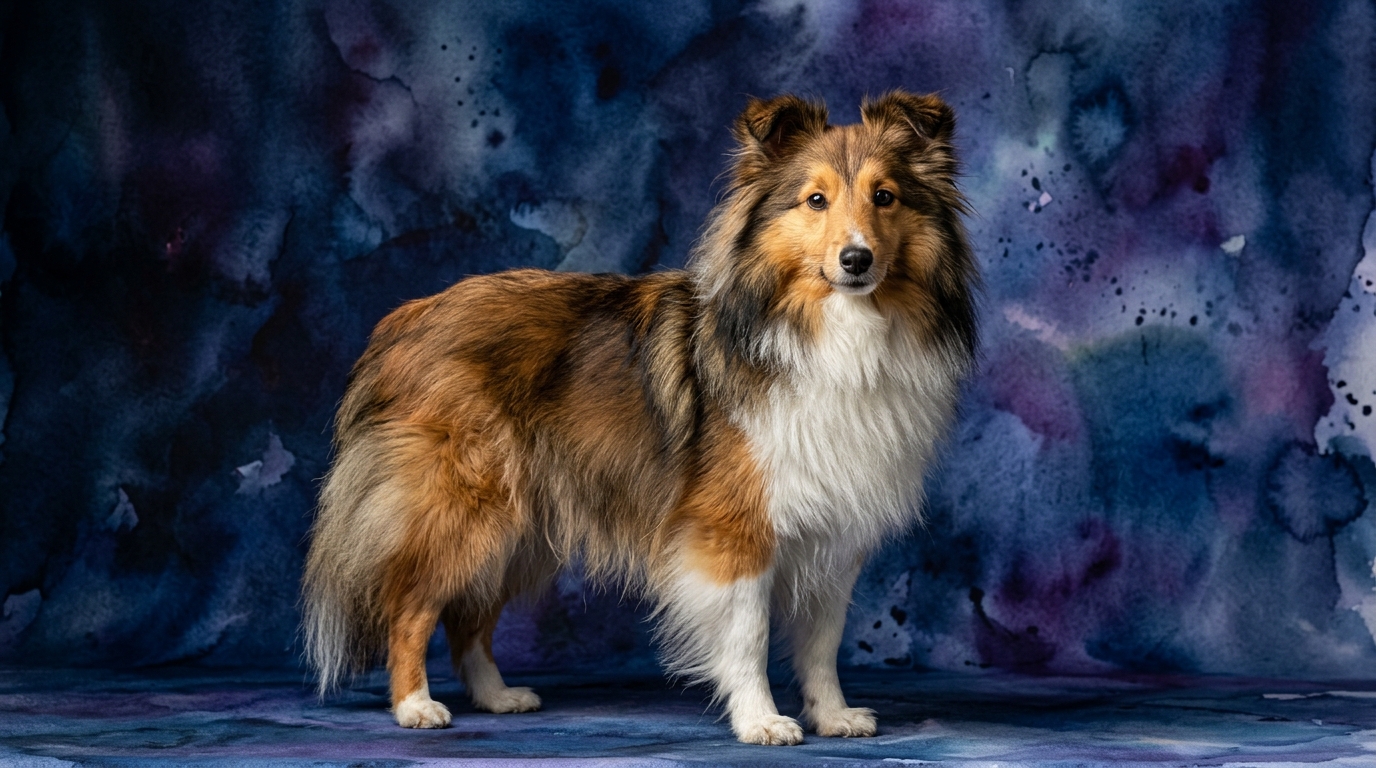
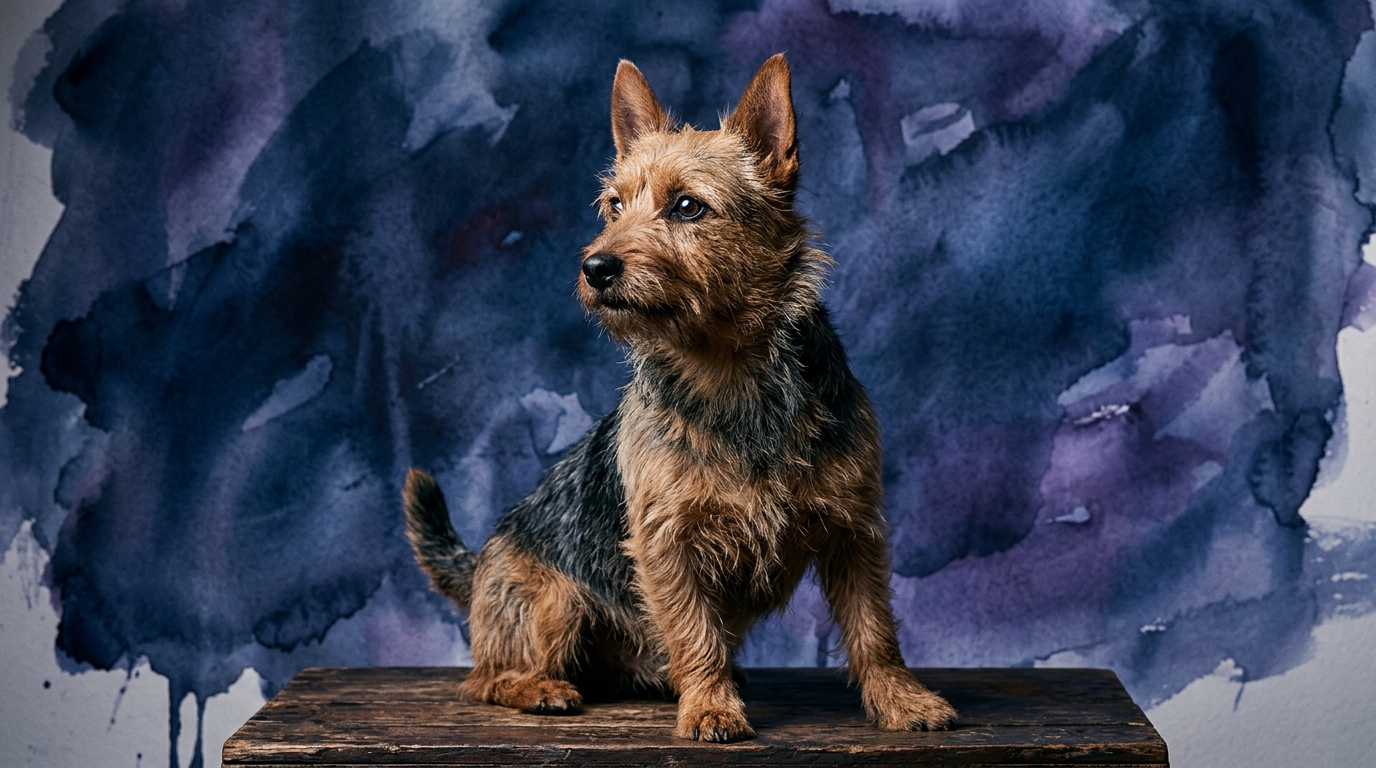
Side-by-Side IQ Profile: Sheltie vs. Aussie Terrier
In the Cosmic Pet Pet IQ Lab, we evaluate canine cognition across five key dimensions, providing a granular view of each breed's mental strengths. Understanding these profiles helps prospective owners align with a companion whose cognitive makeup best suits their lifestyle and expectations.
**Problem Solving:** The Shetland Sheepdog earns a strong 4/5 in problem-solving, demonstrating a notable capacity for analytical thought. These dogs often assess situations and devise multi-step solutions to challenges, a skill honed by generations of strategically moving livestock. This translates into a flexible approach when faced with novel puzzles or environmental changes, allowing them to adapt their strategy rather than simply repeating failed attempts.
In contrast, the Australian Terrier scores a 3/5 in problem-solving. They approach problems with directness and persistence, often relying on trial and error driven by their strong will. Their terrier heritage predisposes them to confront obstacles head-on, excelling at immediate, tangible tasks like retrieving a hidden toy or navigating a simple barrier, though they might find more abstract or complex, multi-stage problems less intuitive.
**Training Speed:** The Shetland Sheepdog excels with a perfect 5/5 in training speed, indicating they are exceptionally quick learners. They often grasp new commands and routines within a few repetitions, a testament to their inherent desire to work cooperatively with their handler. This combined with focused attention makes them highly receptive to instruction, absorbing information and associating cues with actions at a remarkable pace.
The Australian Terrier receives a 3/5 for training speed. While capable of learning, they typically require more consistent repetition and patience during training sessions. Their independent terrier spirit means they may not always see the immediate benefit of a command, often needing stronger motivation and a clear demonstration of 'what's in it for them' to commit new behaviors to memory.
**Social Intelligence:** With a 4/5 in social intelligence, Shetland Sheepdogs possess a refined understanding of social cues. They adeptly read human body language, tone of voice, and even subtle emotional shifts, allowing them to integrate smoothly into family dynamics, anticipate needs, and respond appropriately in various social settings. This demonstrates a nuanced awareness of their environment and the individuals within it.
The Australian Terrier scores a 3/5 in social intelligence, displaying a focused awareness primarily directed towards their immediate family members, with whom they form deep, loyal bonds. They are perceptive to the routines and moods of their primary caregivers but might be less inclined to interpret complex social signals from strangers or other animals, often preferring a direct and clear interaction style.
**Instinctive Drive:** The Shetland Sheepdog's powerful instinctive drive earns a 5/5, rooted in centuries of herding work. This manifests as a profound need for purpose, engagement, and a 'job' to do, translating into strong focus, vigilance, and an innate desire to organize and control their environment, whether it's gathering family members or excelling in structured canine sports.
The Australian Terrier's instinctive drive, rated 3/5, is characterized by a strong prey drive, a desire to hunt small vermin, and a natural inclination to dig. This drive is more independently focused, leading them to explore scents, investigate potential 'prey,' and engage in self-directed activities, driven by an ancient impulse for self-sufficiency rather than cooperative work.
**Memory:** Shelties boast an impressive memory, achieving a 5/5. This allows them to recall a vast array of commands, complex routines, and past experiences with remarkable accuracy. This cognitive strength underpins their consistency in training and their ability to anticipate daily schedules, making them reliable partners in various activities over extended periods.
The Australian Terrier retains important information and routines, particularly those associated with their daily lives and rewards, earning a 3/5 for memory. While they remember significant events and learned behaviors, their memory might be less expansive for intricate sequences or abstract concepts compared to breeds specifically bred for complex, multi-stage tasks, often requiring more reinforcement for less salient information.
Where the Shetland Sheepdog Wins Cognitively
The Shetland Sheepdog's cognitive profile showcases several areas where their mental architecture provides distinct advantages, particularly for owners seeking a highly engaged and trainable companion. Their exceptional training speed (5/5) means they absorb new commands and behaviors with remarkable alacrity, often requiring only a few repetitions to master a task. This rapid learning curve makes them ideal candidates for advanced obedience, agility, or competitive dog sports, where quick understanding and execution are paramount.
Their superior memory (5/5) further amplifies their training capabilities, allowing them to retain a vast repertoire of commands and routines over long periods. This cognitive strength ensures consistency in performance and allows for the gradual building of complex skill sets, as they do not easily forget past lessons. Owners can rely on a Sheltie to remember intricate sequences or a long list of tricks, making progression in training smooth and rewarding.
The Sheltie's powerful instinctive drive (5/5) for herding translates into a profound desire for purpose and engagement, a valuable cognitive trait. This isn't merely about livestock; it means they are highly motivated to participate in activities that provide a 'job,' whether it's fetching, problem-solving games, or learning new tasks. This drive makes them inherently focused and eager to please, channeling their mental energy into productive interactions with their human partners.
Finally, their problem-solving ability (4/5), while not a perfect score, is a significant advantage when combined with their other strengths. Shelties demonstrate a capacity for analytical thought, often devising flexible strategies to overcome obstacles or figure out complex puzzles. They don't just react; they think through situations, making them adaptable and capable of independent decision-making in novel circumstances, a valuable asset in various real-world scenarios.
Where the Australian Terrier Wins Cognitively
While the Australian Terrier's scores are generally lower than the Sheltie's, their cognitive profile presents unique strengths that are advantageous in different contexts, particularly for owners who appreciate a dog with distinct self-reliance and tenacity. Their problem-solving (3/5) is characterized by a direct, persistent, and often ingenious approach to immediate, tangible challenges. They excel at figuring out how to get to a perceived 'prey,' like a squeaky toy under furniture, or navigating tight spaces, driven by their tenacious terrier spirit rather than complex strategic planning.
The Australian Terrier's instinctive drive (3/5), though numerically lower, is intensely focused on independent hunting and digging. This translates into a self-reliant problem-solving approach; they won't always wait for human direction to investigate a compelling scent or dig out a perceived pest. This distinct form of self-directed cognitive engagement means they are often highly motivated by their environment and can entertain themselves with independent exploration, a trait some owners find appealing.
Their social intelligence (3/5), while not as broadly nuanced as a Sheltie's, is intensely devoted to their immediate family unit. Australian Terriers form strong, loyal bonds and are adept at understanding the moods and routines of their primary caregivers, often displaying a charming, assertive affection that doesn't rely on complex interpretation of subtle signals. This focused social connection makes them wonderfully devoted and intuitive companions within their chosen human circle, offering a deep, personal bond.
Which is Easier to Train and Why?
Based on their cognitive profiles, the Shetland Sheepdog is demonstrably easier to train. Their perfect 5/5 training speed, coupled with high social intelligence (4/5) and a powerful instinctive drive (5/5) to please and work cooperatively, means they are eager to learn and respond remarkably well to positive reinforcement. Shelties quickly form associations between commands and actions, often thriving on the mental engagement that training provides. Their exceptional memory (5/5) ensures that once a command is learned, it is retained, making consistency a natural byproduct of their cognitive makeup.
The Australian Terrier, while trainable, typically presents a more deliberate training journey. Their 3/5 scores across problem-solving, training speed, and a more independent instinctive drive mean they often require more patience, consistency, and creative motivation. Australian Terriers can be easily distracted by compelling scents or sounds, and their independent, tenacious nature means they may require more convincing that a command benefits them. Owners must be prepared to invest more time in repetition and make training a highly rewarding experience to overcome their inherent self-reliance and potential stubborn streak.
Which Suits Active Owners vs. Relaxed Owners?
For active owners seeking a highly engaged and mentally stimulated companion, the Shetland Sheepdog is an ideal match. Their high instinctive drive, need for purpose, and problem-solving abilities demand consistent mental and physical stimulation. Shelties thrive in activities like agility, obedience, herding trials, or long, engaging walks that challenge both their minds and bodies. Owners who can provide regular, structured activities and mental puzzles will find a Sheltie to be a dedicated and enthusiastic partner, whereas a more relaxed owner might find a Sheltie becoming bored and potentially exhibiting unwanted behaviors due to unfulfilled cognitive needs.
Conversely, the Australian Terrier can be a suitable choice for owners who appreciate a spirited dog but might have a more relaxed daily routine. While still needing daily exercise and mental engagement, their energy levels and instinctive drives are generally less demanding than a Sheltie's. Australian Terriers are often content with shorter, focused play sessions, walks where they can explore scents, and opportunities to dig in a secure yard. Their independence means they are often happy to entertain themselves for periods, making them suitable for owners who appreciate a dog with a strong personality but don't necessarily want a constant 'project' requiring intense, structured mental work.
The Verdict
If you seek a highly trainable, cooperative companion eager to engage in complex activities like advanced obedience, agility, or even herding, and you can provide consistent mental and physical challenges, the Shetland Sheepdog will thrive as a dedicated partner.
If you appreciate a spirited, independent companion with a charming, tenacious personality, who enjoys focused playtime and exploring their environment, and you are prepared for a more deliberate training approach, the Australian Terrier offers a loyal and engaging presence.
🧠 Find Your Pet's IQ Score
Our Pet IQ Lab assessment covers 25+ tests across 5 cognitive dimensions — personalized to your breed.
Take the Full IQ Test →Frequently Asked Questions
Are Shetland Sheepdogs good for first-time dog owners?
Their eagerness to learn and strong desire to please make them highly trainable, which can be a rewarding experience for first-time owners. However, their need for consistent mental and physical engagement means potential owners should be prepared to dedicate time to training and activities to prevent boredom.
Do Australian Terriers get along with other pets?
Australian Terriers can coexist with other pets, especially if socialized from a young age. However, their strong prey drive, inherent to their terrier nature, means careful introductions are necessary, particularly with smaller animals like cats, hamsters, or birds, and supervision is always recommended.
What kind of mental stimulation do Shetland Sheepdogs require?
Shetland Sheepdogs thrive on mental challenges that tap into their herding instincts and problem-solving abilities. This includes interactive puzzle toys, learning new tricks, advanced obedience training, agility courses, and even scent work, which helps to satisfy their need for purpose and keeps their quick minds engaged.