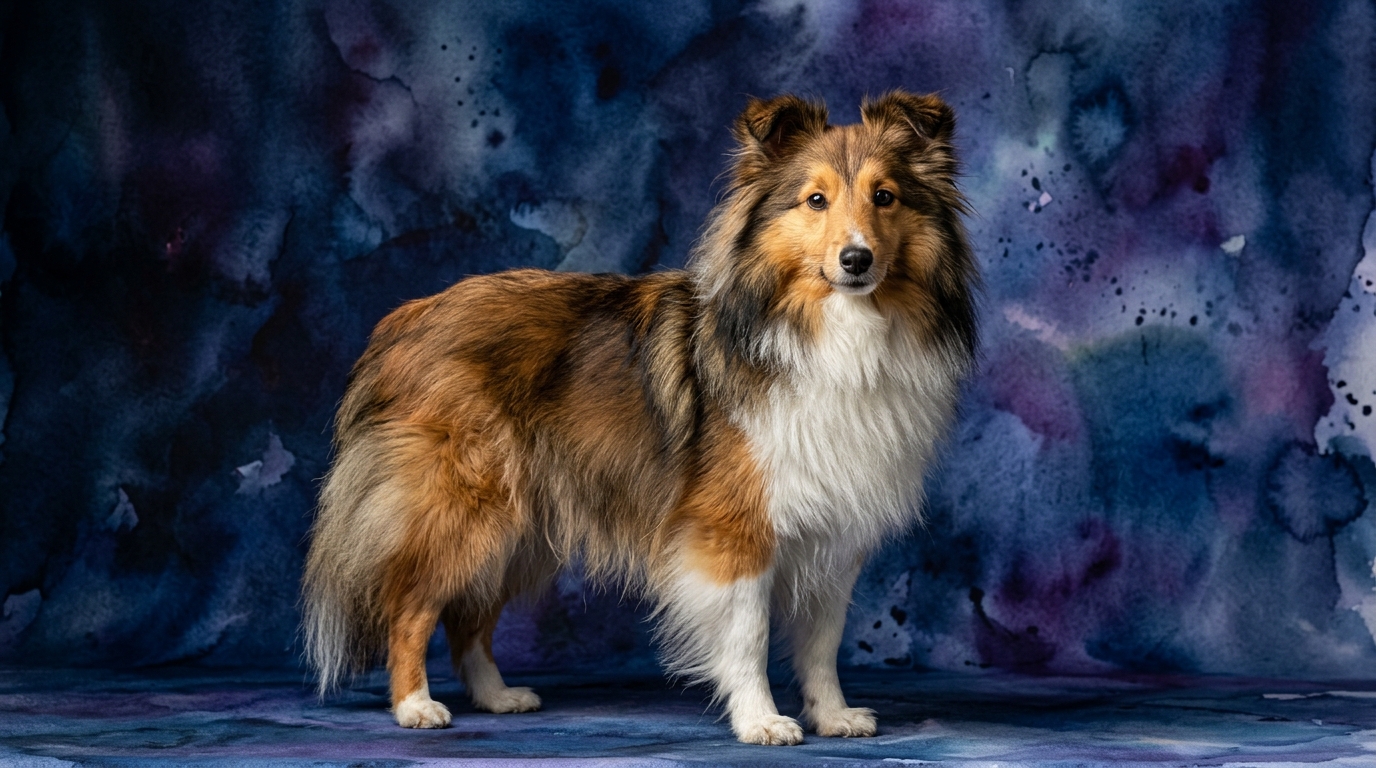
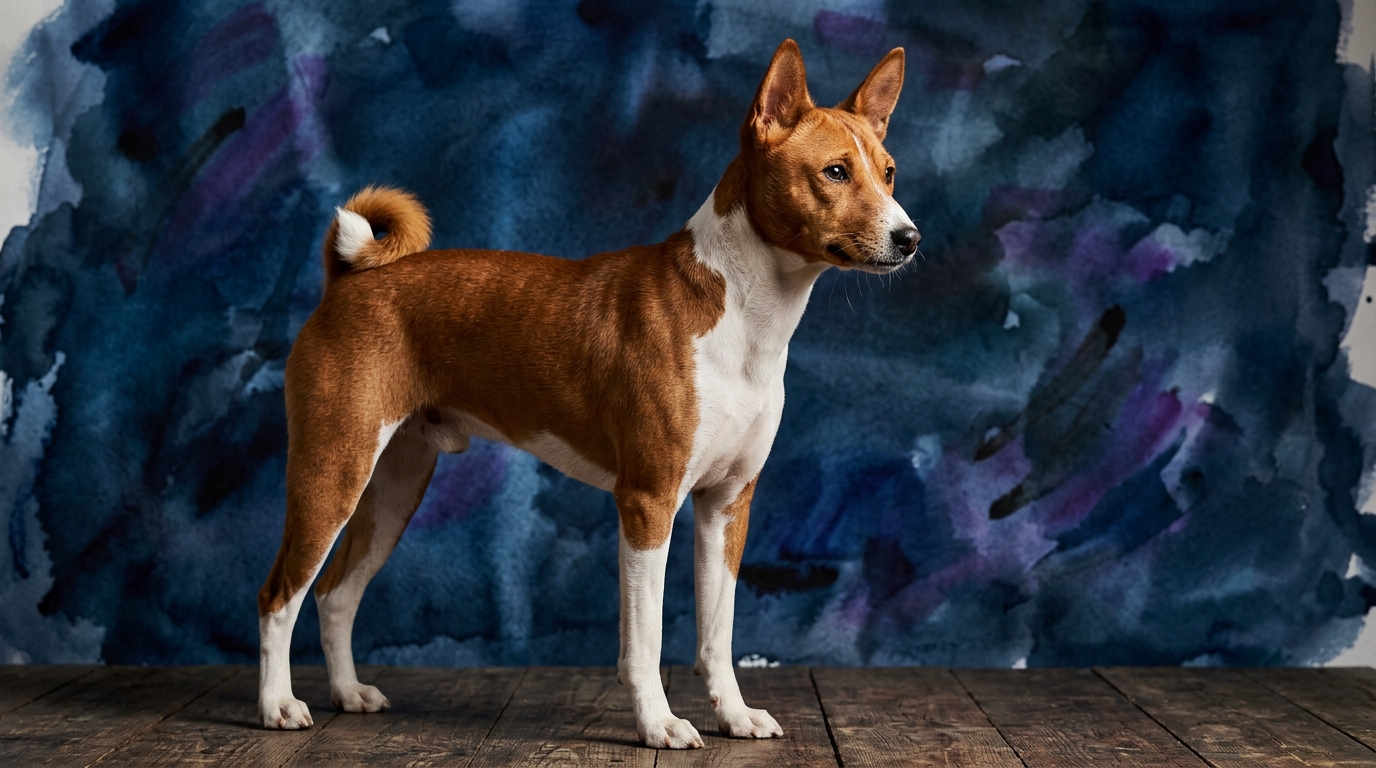
Side-by-Side IQ Profile: Sheltie vs. Basenji
Let's delve into the specific cognitive dimensions for each breed, as measured by The Cosmic Pet Pet IQ Lab. The Shetland Sheepdog, a Herding group member with a Coren rank of #6, presents a profile geared towards collaborative work and responsiveness. Their Problem Solving is rated 4/5, indicating competence in applying learned solutions to new scenarios, while their Training Speed is a stellar 5/5, reflecting an exceptional ability to quickly grasp and execute new commands. Social Intelligence stands at 4/5, showing a strong attunement to human cues and emotions, fostering deep bonds. An Instinctive Drive of 5/5 speaks to their powerful herding impulses, and their Memory is also a perfect 5/5, ensuring long-term retention of learned behaviors and routines.
In contrast, the Basenji, a Hound with a Coren rank of #78, offers a different cognitive blueprint, emphasizing independence and ingenuity. They boast a remarkable 5/5 in Problem Solving, showcasing an innate capacity for devising novel solutions without human direction. However, their Training Speed is a challenging 1/5, reflecting their self-reliant nature and requiring significant patience. Social Intelligence is 3/5, indicating they observe but often maintain a degree of aloofness, forming bonds on their own terms. Their Instinctive Drive is a powerful 5/5, rooted in their ancient hunting heritage, which fuels their curiosity and independence. Memory is a solid 4/5, meaning they retain information, though their application of remembered commands can be selective.
Where the Shetland Sheepdog Wins Cognitively
The Shetland Sheepdog’s cognitive strengths truly shine in areas demanding partnership and precise execution. Their 5/5 Training Speed is a standout, indicating an unparalleled capacity for absorbing and responding to instruction, making them incredibly rewarding for structured learning environments. This remarkable speed is complemented by their 4/5 Social Intelligence, which allows them to keenly observe and react to human emotional states and subtle cues, fostering a profound working relationship. Furthermore, their perfect 5/5 Memory ensures that lessons, routines, and complex sequences are retained with impressive fidelity. This combination means Shelties not only learn quickly but also remember what they’ve learned and are motivated to perform, making them exceptionally consistent in activities like obedience, agility, or therapeutic work. They excel in scenarios where understanding and collaboration with a human partner are paramount.
Where the Basenji Wins Cognitively
Conversely, the Basenji demonstrates a distinctive cognitive advantage in independent thought and creative problem-solving. Their 5/5 Problem Solving score is the highest possible, showcasing an extraordinary ability to analyze situations and devise original, often ingenious, solutions to overcome obstacles. This cognitive strength is frequently observed in their legendary knack for escaping enclosures, opening latches, or outsmarting environmental challenges, driven by their powerful 5/5 Instinctive Drive. While their approach to learning may not be geared towards pleasing a handler, their mental agility allows them to adapt and strategize effectively in pursuit of their own objectives. This means a Basenji isn't just reacting to stimuli; they are actively contemplating and executing plans, making them formidable and clever individuals who thrive on mental challenges that allow for self-directed discovery.
Training Dynamics: Ease and Engagement
When it comes to ease of training, the Shetland Sheepdog holds a clear advantage, rooted in their inherent cognitive makeup and historical role. Their 5/5 Training Speed, coupled with a 4/5 Social Intelligence, means they are predisposed to collaborative learning. Shelties possess an earnest desire to engage with their human companions, stemming from centuries of working closely with shepherds. They are attentive, eager to absorb new commands, and their excellent 5/5 Memory ensures that once a behavior is taught, it is consistently recalled. This makes them highly responsive to positive reinforcement and structured training methods.
The Basenji, however, presents a different training journey due to their 1/5 Training Speed. While possessing a 4/5 Memory and exceptional problem-solving abilities, their strong independent nature and ancient hunting instincts often mean they prioritize their own interests over human directives. They don't have the same inherent drive to please; instead, they learn best when training is framed as a stimulating game or puzzle, requiring immense patience, creativity, and a deep understanding of their unique motivations. Consistency is key, but expectations must be adjusted for a breed that values autonomy.
Matching Breeds to Lifestyles: Active vs. Independent Owners
Both Shetland Sheepdogs and Basenjis require active engagement, but the nature of that activity differs significantly, influencing which type of owner they suit. Shetland Sheepdogs thrive with owners who are prepared for sustained, collaborative mental and physical activity. Their high instinctive drive, coupled with their training speed and social intelligence, means they excel in structured dog sports like agility, obedience, or even herding, where they can work in partnership with their human. They need consistent mental stimulation to prevent boredom and channel their energy productively. Owners who enjoy teaching new tricks, participating in canine activities, or simply having a devoted, interactive companion will find a Sheltie immensely rewarding.
Basenjis, while equally energetic, are better suited for owners who appreciate an independent spirit and can provide outlets for their powerful problem-solving and instinctive drive in a less structured manner. They need ample opportunities for secure off-leash running and mental challenges that allow for self-directed exploration, like scent games or complex puzzle toys. A 'relaxed owner' might find either breed challenging, but the Basenji, with its independent decision-making and sometimes mischievous nature, demands an owner who is patient, understanding of hound behaviors, and prepared for a dog that marches to its own drum, rather than one constantly seeking direction.
The Verdict
Choose a Shetland Sheepdog if you seek a highly trainable, responsive, and collaborative canine partner for dog sports, obedience, or a deeply bonded family member who thrives on shared activities.
Opt for a Basenji if you value an independent, clever, and often mischievous companion, appreciating a dog that thinks for itself and offers unique challenges and rewards for those who understand their self-reliant spirit.
🧠 Find Your Pet's IQ Score
Our Pet IQ Lab assessment covers 25+ tests across 5 cognitive dimensions — personalized to your breed.
Take the Full IQ Test →Frequently Asked Questions
Are Basenjis truly untrainable?
No, Basenjis are not untrainable, but their independent nature and lower training speed require exceptional patience and understanding. Training must focus on positive reinforcement, making it a stimulating game rather than a command-and-obey dynamic to achieve consistent results.
Do Shetland Sheepdogs need a job?
Yes, Shetland Sheepdogs thrive when given mental and physical tasks. Their high instinctive drive and cognitive abilities mean they excel in activities like herding, agility, or complex obedience routines, which are crucial for preventing boredom and channeling their energy positively.
Which breed is better for a first-time dog owner?
The Shetland Sheepdog's eagerness to please, high social intelligence, and remarkable trainability generally make them a more forgiving choice for first-time owners. They are more responsive to guidance, provided the owner commits to consistent training and ample mental stimulation.