
Side-by-Side IQ Profile
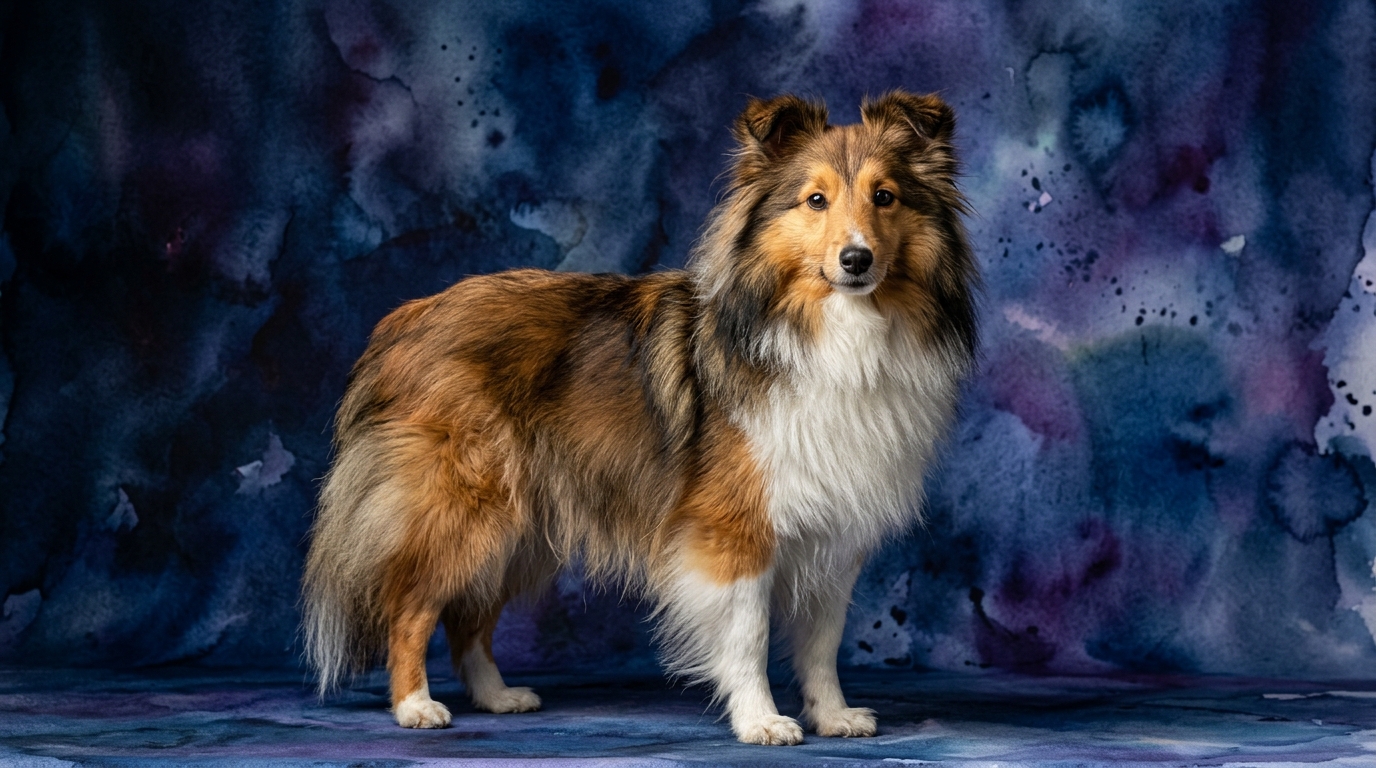
Shetland Sheepdog: Rooted in the Herding group with a Coren rank of #6, the Sheltie demonstrates remarkable cognitive prowess. Their Problem Solving is rated 4/5, indicating a capacity for navigating intricate situations and figuring out solutions independently. Training Speed, at a perfect 5/5, highlights their rapid acquisition of new commands and routines. Social Intelligence, also 4/5, points to their attentiveness to human cues and their desire to cooperate. An Instinctive Drive of 5/5 underscores their strong innate herding behaviors and work ethic, while a Memory score of 5/5 means they retain information and experiences with exceptional clarity.
Basset Hound: Hailing from the Hound group and ranking #71 on Coren's scale, the Basset Hound offers a different cognitive blueprint. Their Problem Solving stands at 3/5, suggesting they can tackle challenges but might require more guidance or trial-and-error. Training Speed is 3/5, indicating a moderate pace of learning, often influenced by their independent nature. Social Intelligence, at 3/5, means they are responsive but may prioritize their own interests over human directives at times. An Instinctive Drive of 3/5 reflects their powerful, yet focused, scenting instincts, which can sometimes overshadow other drives. Their Memory, also 3/5, suggests they learn and recall information adequately, but perhaps not with the same immediate recall or retention as the Sheltie.
Where Shetland Sheepdog Wins Cognitively
The Shetland Sheepdog's cognitive strengths are evident across nearly all measured dimensions. Their superior Problem Solving (4/5) means they are adept at navigating novel environments or figuring out how to achieve a goal, such as opening a gate or retrieving a hidden toy, often with minimal human intervention. A Training Speed of 5/5 allows them to master complex command sequences and intricate agility courses with impressive swiftness, absorbing new information almost instantly. Their high Social Intelligence (4/5) translates into an acute awareness of human emotions and intentions, making them exceptionally responsive to subtle cues from their handlers. Furthermore, their perfect 5/5 in Instinctive Drive and Memory means they not only possess a strong innate desire to work and learn but also recall tasks, routines, and boundaries with enduring precision, making them highly predictable in established environments.
Where Basset Hound Wins Cognitively
While not outscoring the Sheltie in traditional cognitive metrics, the Basset Hound's unique cognitive profile offers its own distinct advantages, particularly in areas where focused, persistent drive is paramount. Their specialized Instinctive Drive (3/5), though numerically lower than the Sheltie's broader work ethic, is singularly powerful when it comes to scent work. This intense focus allows them to “win” in scenarios demanding unwavering dedication to a scent trail, often ignoring distractions that would deter other breeds. Their Problem Solving (3/5) manifests as a methodical, albeit sometimes slow, persistence in following a trail or figuring out how to reach a desired object, relying more on their nose than abstract reasoning. This tenacious focus, combined with their generally calm demeanor, means they excel at tasks requiring patience and singular dedication to a sensory input, rather than rapid-fire responses or complex multi-tasking.
Which Is Easier to Train and Why
Based on their respective IQ profiles, the Shetland Sheepdog is demonstrably easier to train. Their Training Speed of 5/5 is a testament to their innate eagerness to learn and please, coupled with exceptional memory and a high social intelligence that makes them highly attuned to human directives. A Sheltie typically picks up new commands in very few repetitions, often anticipating what is expected of them due to their strong observational learning and desire for interaction. In contrast, the Basset Hound's Training Speed of 3/5 reflects a more independent and sometimes stubborn nature. Their primary motivation often stems from their powerful scent drive; if a compelling scent is present, it can easily override commands or the desire to engage with their handler. While capable of learning, the Basset requires more patience, consistency, and highly motivating rewards to maintain focus, as their instinctive drive can make them less inclined to comply if their nose is otherwise occupied.
Which Suits Active Owners vs. Relaxed Owners
The cognitive profiles of these two breeds clearly delineate their suitability for different owner lifestyles. The Shetland Sheepdog, with its high scores in Instinctive Drive (5/5), Problem Solving (4/5), and Memory (5/5), thrives with active owners who can provide consistent mental and physical engagement. They require outlets for their herding instincts, such as agility, obedience, or interactive puzzle toys, and will become bored and potentially destructive if under-stimulated. Their cognitive agility demands an owner who enjoys teaching new tricks, participating in dog sports, or simply engaging in stimulating play sessions daily. Conversely, the Basset Hound, with its more moderate scores across the board and a specialized instinctive drive, is a better fit for relaxed owners. While they still require regular, moderate exercise—especially “sniff walks” where they can indulge their powerful noses—they are generally content with a less demanding daily routine. Their independent nature means they don't constantly seek instruction or interaction, allowing for a more laid-back companionship, provided their need for scent exploration is met.
The Verdict
Choose a Shetland Sheepdog if you are an active, engaged owner seeking a highly responsive, quick-learning companion eager for mental challenges and consistent interaction.
Opt for a Basset Hound if you prefer a calm, independent companion with a strong, focused scent drive, suitable for relaxed owners who appreciate methodical exploration over constant activity.
🧠 Find Your Pet's IQ Score
Our Pet IQ Lab assessment covers 25+ tests across 5 cognitive dimensions — personalized to your breed.
Take the Full IQ Test →Frequently Asked Questions
Does a Basset Hound's lower Coren rank mean it can't learn complex tasks?
Not at all; a lower Coren rank primarily indicates a slower training speed and greater independence, not an inability to learn. Basset Hounds can certainly learn complex tasks, especially those involving scent discrimination, but they may require more patience and consistent motivation than a breed like the Sheltie.
How does the Shetland Sheepdog's 'Instinctive Drive 5/5' manifest in daily life?
This high instinctive drive often translates into a strong desire to herd, chase, and work, which can appear as an intense focus on moving objects, a need for a 'job,' or an energetic pursuit of toys. Owners need to channel this drive positively through training, sports, or interactive games to prevent unwanted behaviors.
Can a Basset Hound live happily in an apartment despite its scent drive?
Yes, a Basset Hound can adapt well to apartment living, provided their need for regular 'sniff walks' and moderate exercise is met. Their generally calm indoor demeanor and focused scent drive mean they are often content to relax indoors after a good outdoor exploration session.