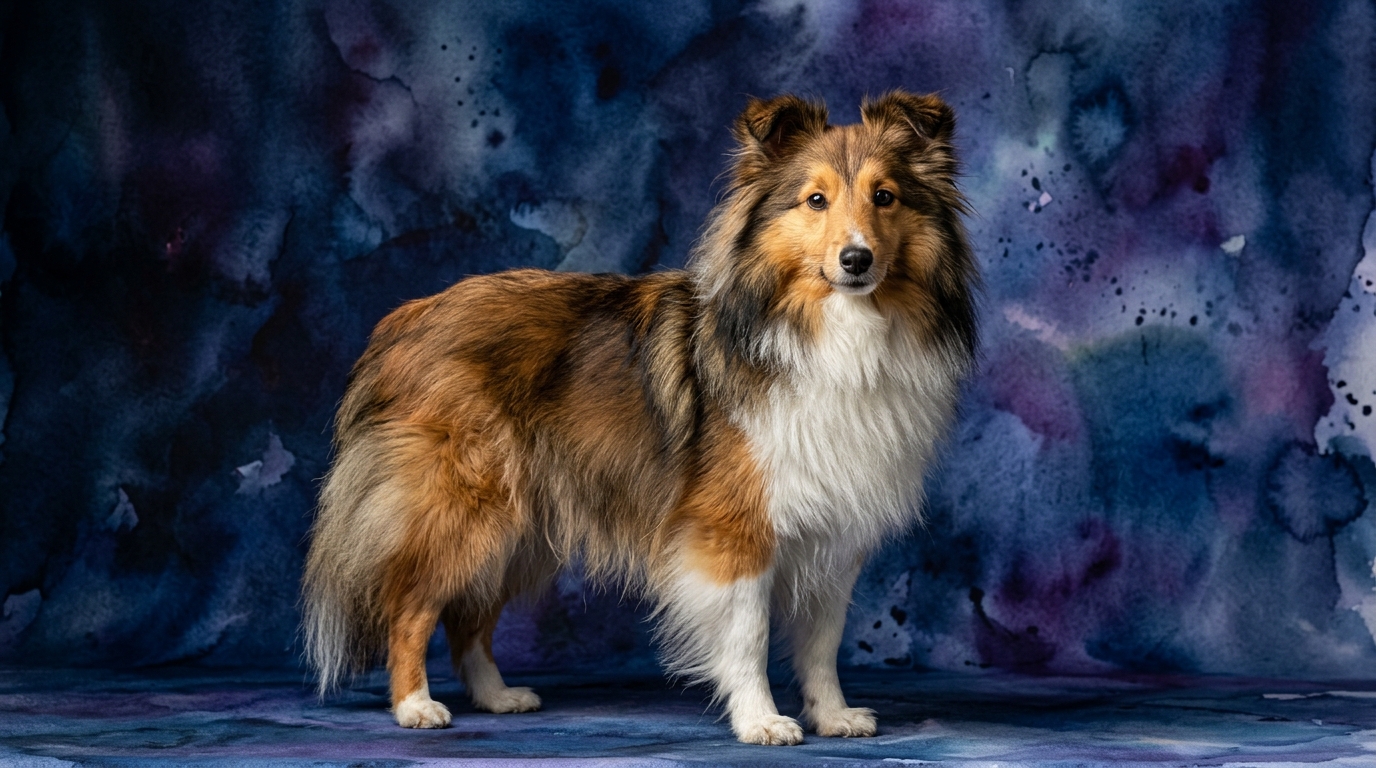
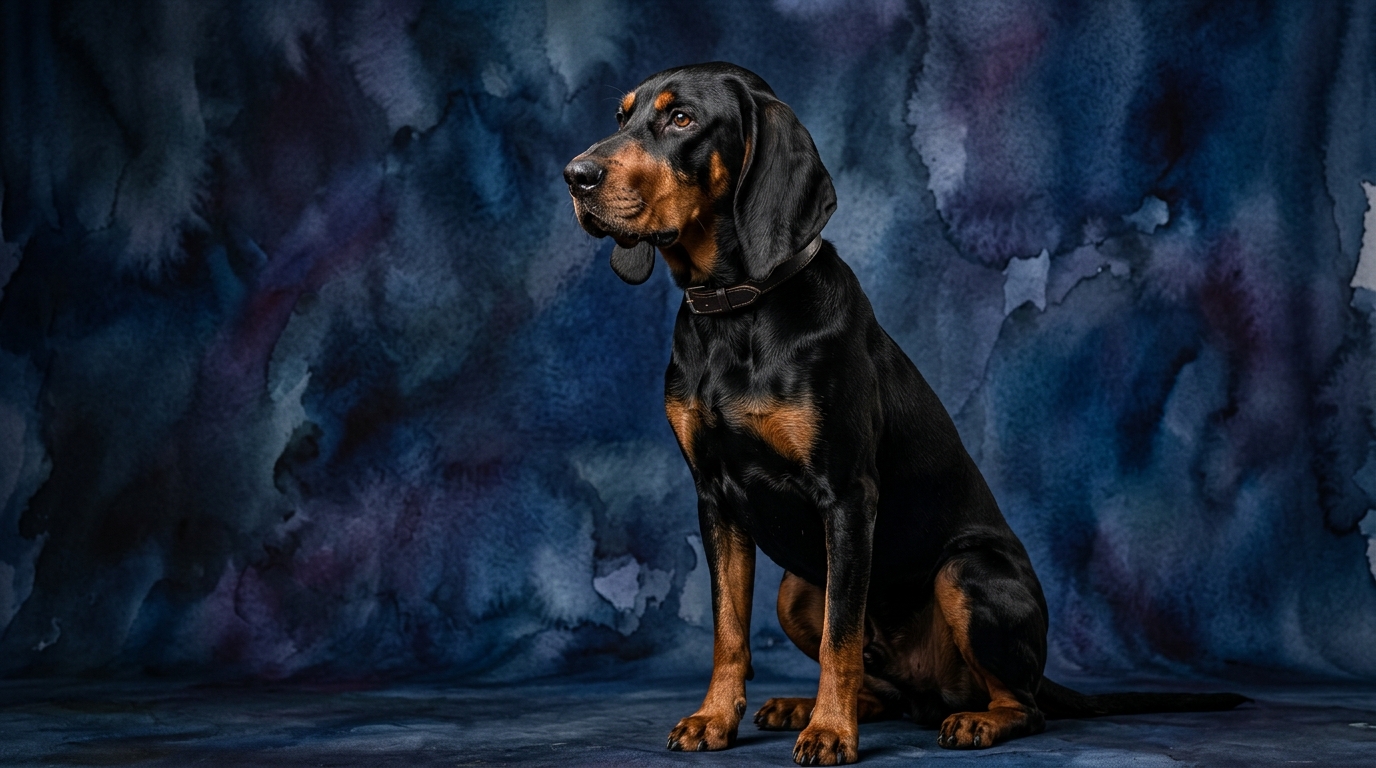
Side-by-Side IQ Profile: Sheltie vs. Coonhound
The Shetland Sheepdog, recognized by Coren as the 6th most capable breed in understanding and executing commands, exhibits a robust cognitive profile. Their problem-solving capacity scores 4 out of 5, indicating a strong ability to analyze novel situations and devise solutions. A training speed of 5 out of 5 means these dogs absorb new behaviors and cues with remarkable swiftness, often requiring minimal repetition. Social intelligence, rated 4 out of 5, reflects their keenness to interpret human expressions and intentions, fostering a responsive partnership. An instinctive drive of 5 out of 5 highlights their ingrained herding nature, translating into a strong desire for purpose and a focused work ethic. Finally, their memory, also at 5 out of 5, ensures enduring retention of learned commands and past experiences, building a rich behavioral repertoire over time.
The Black and Tan Coonhound, while not featured on Coren's ranking for obedience, possesses a distinct cognitive architecture optimized for its primary role. Their problem-solving score of 3 out of 5 suggests an approach to challenges that often prioritizes persistence and sensory input over complex analytical thought, typically relying on their exceptional nose. A training speed of 3 out of 5 indicates that learning new commands requires more patience and consistent repetition, as their independent spirit and powerful scent drive can often override human directives. Social intelligence at 3 out of 5 means they are generally affable but may be less attuned to subtle human emotional shifts compared to breeds bred for close, collaborative work. Their instinctive drive, also 3 out of 5, is powerfully and singularly focused on scent tracking, making them relentless in pursuit of a trail, sometimes to the exclusion of other stimuli. A memory score of 3 out of 5 reflects an excellent recall for scent trails and hunting experiences, though perhaps not the same fidelity for intricate sequences of commands as seen in the Sheltie.
Where the Shetland Sheepdog Excels Cognitively
The Shetland Sheepdog's cognitive strengths are evident across multiple dimensions, particularly in areas demanding adaptability and quick learning. Their superior problem-solving ability allows them to navigate complex environments, figure out puzzle toys, or even anticipate routines, demonstrating a proactive engagement with their surroundings. This aptitude, combined with their rapid training speed, means they can grasp multi-step commands and intricate sequences of actions, making them suitable candidates for advanced obedience, agility, and even theatrical roles.
Beyond mere command execution, the Sheltie's high social intelligence allows them to form deep, nuanced bonds with their owners, interpreting subtle cues and adjusting their behavior accordingly. Their exceptional memory ensures that these learned behaviors and social understandings are retained over time, making them consistently reliable companions once trained. The strong instinctive drive, rooted in their herding heritage, translates into a desire for mental engagement and a purposeful role, leading them to thrive when given tasks that challenge their intellect and focus.
Where the Black and Tan Coonhound Shows Unique Cognitive Prowess
While the Black and Tan Coonhound may not rank highly in traditional obedience metrics, their cognitive strengths lie in a highly specialized domain: olfactory intelligence and sustained focus. Their instinctive drive, though rated 3/5 in a general sense, is profoundly powerful when directed towards scent work, allowing them to follow trails for extended periods, across varied terrains, and through distracting environments. This tenacity is a unique form of problem-solving, where the 'problem' is finding a specific scent and the 'solution' involves relentless, sensory-driven pursuit.
The Coonhound's memory, while not scoring a 5/5 for complex command sequences, is exceptionally adept at recalling scent patterns and the locations of past finds. This specialized memory allows them to build a mental map of scent profiles, making them incredibly effective in tracking and hunting. Their cognitive process is less about rapid human-directed learning and more about an independent, persistent engagement with the world through their nose, a skill honed over generations for specific, demanding tasks.
Trainability: Sheltie's Eagerness vs. Coonhound's Independence
When it comes to training, the differences between these two breeds are pronounced and directly tied to their cognitive profiles. The Shetland Sheepdog, with its 5/5 training speed and 4/5 social intelligence, is generally eager to please and quick to respond to cues. They thrive on positive reinforcement, rapidly associating commands with desired actions and rewards. Their desire to work collaboratively and their excellent memory mean that once a command is learned, it is often retained with high fidelity, making them a joy to train for a wide range of activities, from basic obedience to complex dog sports.
In contrast, the Black and Tan Coonhound, scoring 3/5 in training speed and social intelligence, presents a different training dynamic. While they are capable of learning, their independent nature and powerful instinctive drive for scent often mean they prioritize their nose over human directives. Training requires significant patience, consistency, and a deep understanding of their motivations. Distractions, particularly appealing scents, can easily derail a training session. Owners must find ways to make learning more engaging and relevant to the Coonhound's natural inclinations, often by incorporating scent work into their training regimen, rather than expecting the same rapid, eager compliance seen in a Sheltie.
Suitability for Active vs. Relaxed Owners
For owners seeking an active and mentally stimulating companion, the Shetland Sheepdog is an excellent match. Their high instinctive drive (5/5) and problem-solving ability mean they flourish with regular engagement in activities like agility, obedience trials, herding games, or even canine freestyle. They require consistent mental and physical exercise to prevent boredom and channel their energy constructively. Owners who enjoy teaching new tricks, participating in dog sports, or simply spending significant time in interactive play will find the Sheltie's intelligence and eagerness a rewarding experience.
The Black and Tan Coonhound, while requiring regular exercise to maintain physical health, suits owners who appreciate a dog's independent spirit and are prepared for their unique vocalizations and powerful scent drive. While they enjoy long walks or hikes where they can engage their nose, they are less inclined towards structured, human-directed 'work' in the same way a Sheltie is. Owners who desire a dog that is amiable and content to explore their environment through scent, and who have a securely fenced yard to manage their wandering tendencies, might find the Coonhound a fulfilling companion. They are not typically suited for highly structured obedience activities or owners seeking a constantly 'on-call' partner.
The Verdict
Choose the Shetland Sheepdog if you seek a highly trainable, responsive companion eager for mental challenges and collaborative activities, thriving in structured environments.
Opt for the Black and Tan Coonhound if you appreciate a tenacious, independent dog with an exceptional nose, and are prepared to manage their strong scent drive and vocal nature.
🧠 Find Your Pet's IQ Score
Our Pet IQ Lab assessment covers 25+ tests across 5 cognitive dimensions — personalized to your breed.
Take the Full IQ Test →Frequently Asked Questions
Is a Shetland Sheepdog difficult to care for?
Shetland Sheepdogs require regular mental stimulation and physical activity to prevent boredom. Their long coats also need consistent grooming to prevent matting, but their eagerness to learn makes training a rewarding experience for attentive owners.
Do Black and Tan Coonhounds make good family pets?
Black and Tan Coonhounds can be affectionate and amiable family pets, often good with children. However, their independent nature and strong prey drive mean they require consistent training, secure fencing, and patient owners who understand their vocal tendencies and need for scent-related enrichment.
Which breed is better for a first-time dog owner?
For a first-time dog owner, the Shetland Sheepdog's high trainability, eagerness to please, and responsiveness generally make them a more manageable choice. The Black and Tan Coonhound's independence and specialized drives can be more challenging for those new to dog ownership.