Side-by-Side Cognitive Profile: Sheltie vs. BRT
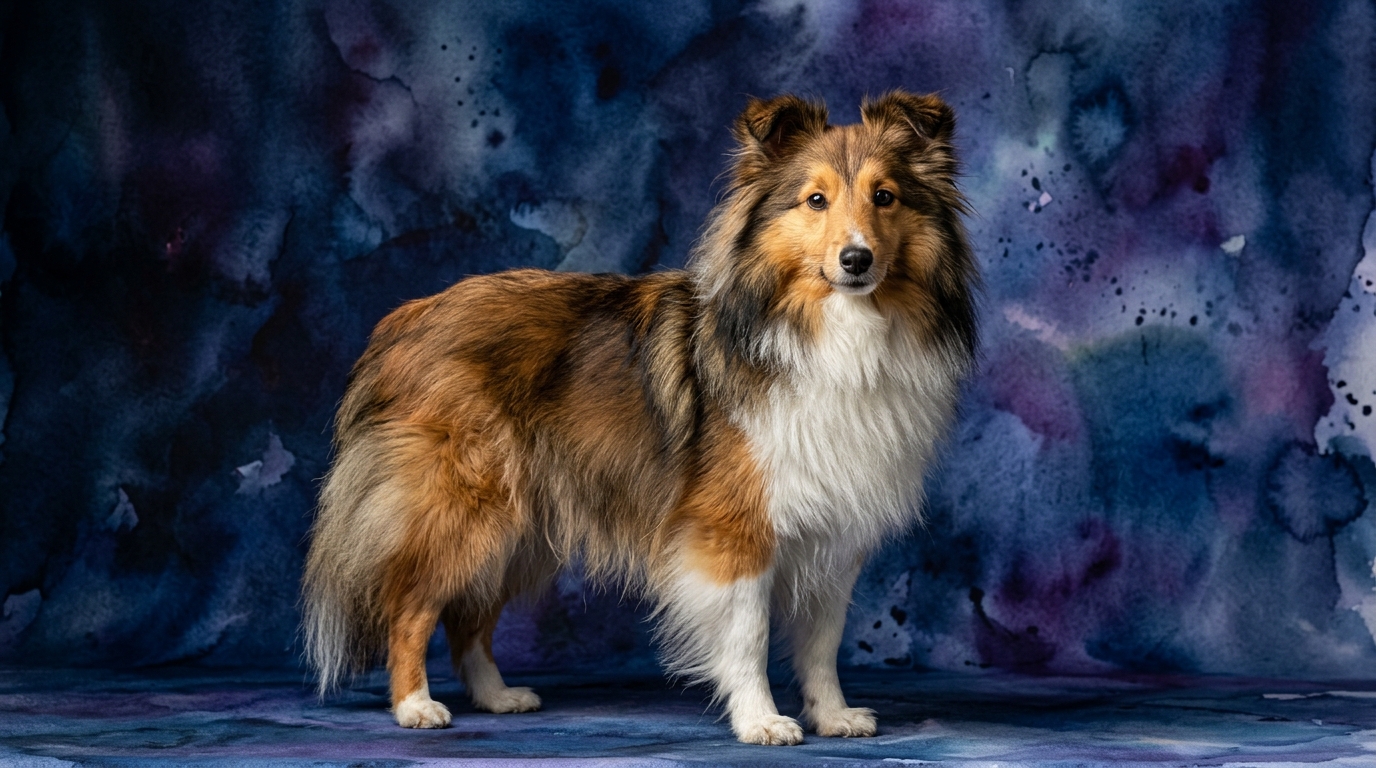
The Cosmic Pet Pet IQ Lab provides a comprehensive framework to assess canine cognitive abilities across five key dimensions. For the Shetland Sheepdog, a Herding group member ranked #6 by Coren, its profile shows consistently high scores. Their Problem Solving is rated 4/5, indicating a strong capacity for independent thought and navigating complex scenarios. Training Speed is an exceptional 5/5, reflecting their rapid assimilation of new commands. Social Intelligence stands at 4/5, signifying a keen awareness of human cues and emotional states. An Instinctive Drive of 5/5 points to a powerful innate motivation, particularly for purpose-driven activities. Finally, their Memory is also a remarkable 5/5, enabling long-term retention of learned behaviors and experiences.
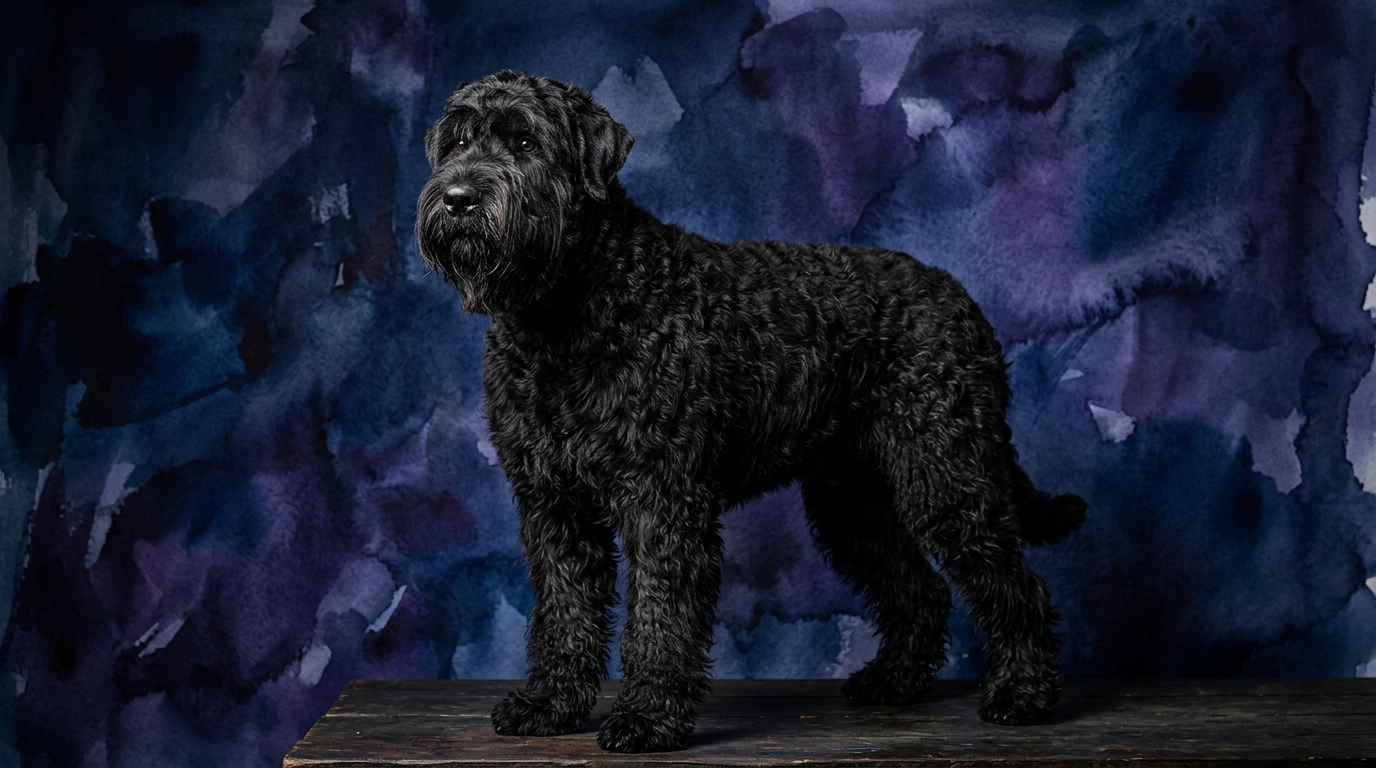
In contrast, the Black Russian Terrier, a Working group breed not currently Coren-ranked, presents a different cognitive signature. Its Problem Solving is rated 3/5, suggesting a practical, perhaps more direct, approach to challenges. Training Speed is 3/5, indicating a steady but deliberate learning pace. Social Intelligence is 3/5, meaning they form strong bonds and understand their immediate social dynamics, though perhaps with less overt responsiveness than a Sheltie. Instinctive Drive is 3/5, rooted in their guarding and protection heritage. Their Memory is also 3/5, reliable for established routines but requiring more reinforcement for new information.
Where Shetland Sheepdog Wins Cognitively
The Shetland Sheepdog's cognitive advantages are evident across multiple domains. Their superior Training Speed (5/5) allows them to grasp new commands and multi-step tasks with remarkable efficiency, often requiring fewer repetitions than many other breeds. This rapid learning curve is paired with an outstanding Memory (5/5), ensuring that once a skill is acquired, it is retained over extended periods, making advanced obedience and complex sport training highly productive. Their Problem Solving (4/5) enables them to adapt swiftly to novel situations, independently figuring out solutions to environmental puzzles or unexpected obstacles, a trait honed by their historical role in managing livestock over varied terrains.
Furthermore, the Sheltie's high Social Intelligence (4/5) makes them exceptionally attuned to human intentions and emotional nuances, fostering a highly cooperative relationship. They often anticipate requests and respond empathetically, making them excellent partners in activities requiring close synchronicity. Their Instinctive Drive (5/5), primarily expressed as a herding instinct, translates into a strong desire for engagement and a readiness to respond to cues for 'work,' whether that's in formal training or interactive play. This combination of quick learning, enduring memory, adaptive problem-solving, and social responsiveness positions the Sheltie as a breed that excels in intricate cognitive tasks and collaborative efforts.
Where Black Russian Terrier Wins Cognitively
While the Black Russian Terrier's numerical scores may not match the Sheltie's across the board, their cognitive strengths are distinctly tailored to their working heritage, particularly in areas demanding resilience, discernment, and steadfastness. Their Instinctive Drive (3/5) is profoundly rooted in protection and guarding, manifesting as an unwavering commitment to their family and territory. This drive, while not as broad as a Sheltie's herding instinct, is intensely focused, providing a robust mental framework for vigilance and duty. Their Problem Solving (3/5), though perhaps slower, is often geared towards practical, determined solutions in scenarios related to their protective role, demonstrating a solid, no-nonsense approach.
The BRT's Social Intelligence (3/5) is characterized by deep loyalty and an ability to discern between familiar and unfamiliar, friend and potential threat, within their established social circle. This discernment is a critical cognitive asset for a guardian breed, allowing them to assess situations with a calm, deliberate focus rather than impulsive reaction. Their Memory (3/5), while requiring more reinforcement for initial learning, is exceptionally reliable for critical protocols and established routines, ensuring consistent performance in their protective duties. The BRT's cognitive profile emphasizes a powerful, focused mental fortitude, making them exceptionally resilient and resolute in their designated roles.
Which is Easier to Train and Why
When considering ease of training, the Shetland Sheepdog holds a clear advantage. Their Training Speed (5/5) means they pick up new commands and complex sequences with remarkable quickness, reducing the number of repetitions required. This efficiency is amplified by their high Social Intelligence (4/5), which makes them eager to cooperate and deeply attuned to human intentions, fostering a highly biddable nature. Shelties typically respond enthusiastically to positive reinforcement and clear communication, readily forming associations between actions and rewards. Their inherent desire to please, combined with a strong Instinctive Drive (5/5) for purpose-driven activities, makes them naturally receptive to learning and performing tasks.
The Black Russian Terrier, conversely, presents a more deliberate training experience. Their Training Speed (3/5) indicates that new concepts require consistent repetition and patience to solidify. While capable, they are independent thinkers who benefit from a structured, confident trainer who can establish clear boundaries and provide strong motivation. Their Instinctive Drive (3/5) is potent but focused on protection, which needs careful channeling and socialization from an early age to ensure appropriate responses. BRTs might question commands if they don't perceive a clear purpose, demanding a trainer who can effectively communicate the 'why' behind the 'what,' rather than simply expecting rote compliance. Successfully training a BRT requires dedication, firmness, and a deep understanding of their unique motivations.
Which Suits Active Owners vs. Structured Owners
Both breeds benefit immensely from active engagement, but the nature of that activity differs significantly. The Shetland Sheepdog thrives with owners who enjoy highly interactive and varied activities. Their high energy and need for mental stimulation make them ideal companions for dog sports like agility, obedience, and rally, as well as long, engaging walks, and problem-solving games. Owners who can consistently provide outlets for their Problem Solving (4/5) and Instinctive Drive (5/5) will find a Sheltie to be a joyous, cooperative partner, always eager for the next challenge. They need consistent mental and physical outlets to prevent boredom and ensure well-adjusted behavior.
The Black Russian Terrier, while requiring substantial physical exertion, suits owners who provide structured, purposeful engagement and strong leadership. Their Instinctive Drive (3/5) for protection means they benefit from activities that reinforce their role, such as advanced obedience, protection training (under expert guidance), or long, purposeful hikes that allow them to 'patrol' with their owner. They are not suited for relaxed or passive ownership; a BRT needs a confident, consistent leader who can provide clear direction and manage their powerful protective instincts. Owners who appreciate a steadfast, resilient companion and are committed to consistent, disciplined training will find the BRT a rewarding, albeit demanding, partner.
The Verdict
If you seek a highly responsive, cooperative companion for dog sports, intricate obedience, or a family dog that thrives on understanding and anticipating your every move, the Shetland Sheepdog is an excellent match.
Opt for the Black Russian Terrier if you desire a steadfast, protective companion who thrives on purposeful training, strong leadership, and a clear role within the family, valuing resilience and unwavering loyalty.
🧠 Find Your Pet's IQ Score
Our Pet IQ Lab assessment covers 25+ tests across 5 cognitive dimensions — personalized to your breed.
Take the Full IQ Test →Frequently Asked Questions
Do Shetland Sheepdogs bark a lot due to their intelligence?
Shetland Sheepdogs often use vocalization as part of their communication, stemming from their herding instinct to gather and alert. While not directly tied to their overall cognitive capacity, their keen awareness and responsiveness can lead to more frequent barking if not managed through training. It's a behavioral manifestation of their alertness and communication style.
Is the Black Russian Terrier difficult to manage for a first-time dog owner?
The Black Russian Terrier, with its powerful build, protective instincts, and deliberate learning style, presents significant challenges for a first-time dog owner. They require a confident, consistent leader and extensive socialization and training from an early age to channel their considerable drives appropriately. Their needs extend beyond basic care, demanding a deep commitment to their development.
How do the memory capabilities of these two breeds differ in practical terms?
The Shetland Sheepdog's superior memory (5/5) means they recall complex command sequences and past experiences quickly and retain them for extended periods, making advanced training highly efficient. The Black Russian Terrier's memory (3/5), while reliable for established routines and critical protective protocols, takes more repetition to ingrain new information and may not recall intricate sequences with the same fluidity.