Side-by-Side IQ Profile: Unpacking Canine Cognition
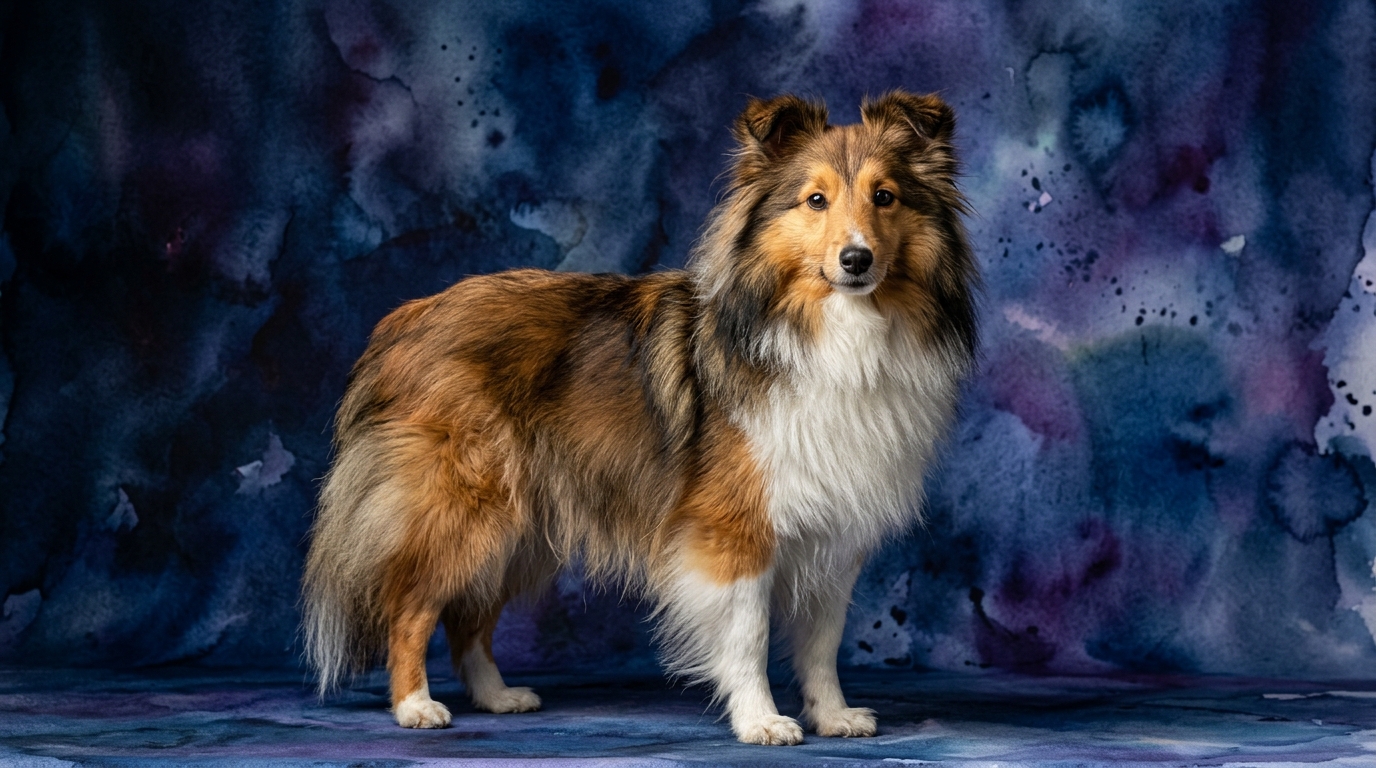
The Cosmic Pet Pet IQ Lab’s assessment provides a detailed lens through which to view these two distinct breeds. The Shetland Sheepdog, originating from the Herding group and ranking #6 on the Coren scale, demonstrates a balanced, cooperative intellect. Their Problem Solving is rated 4/5, indicating an adeptness at navigating complex tasks and devising multi-step solutions. A perfect 5/5 in Training Speed highlights their exceptional capacity for acquiring new commands with minimal repetition, driven by an eagerness to understand and comply. Social Intelligence, at 4/5, shows a keen attunement to human emotions and cues, fostering strong bonds. Their Instinctive Drive, also 5/5, is powerfully channeled into structured activity and a strong work ethic, rooted in their herding purpose. Finally, a 5/5 in Memory ensures outstanding recall for learned behaviors and experiences.
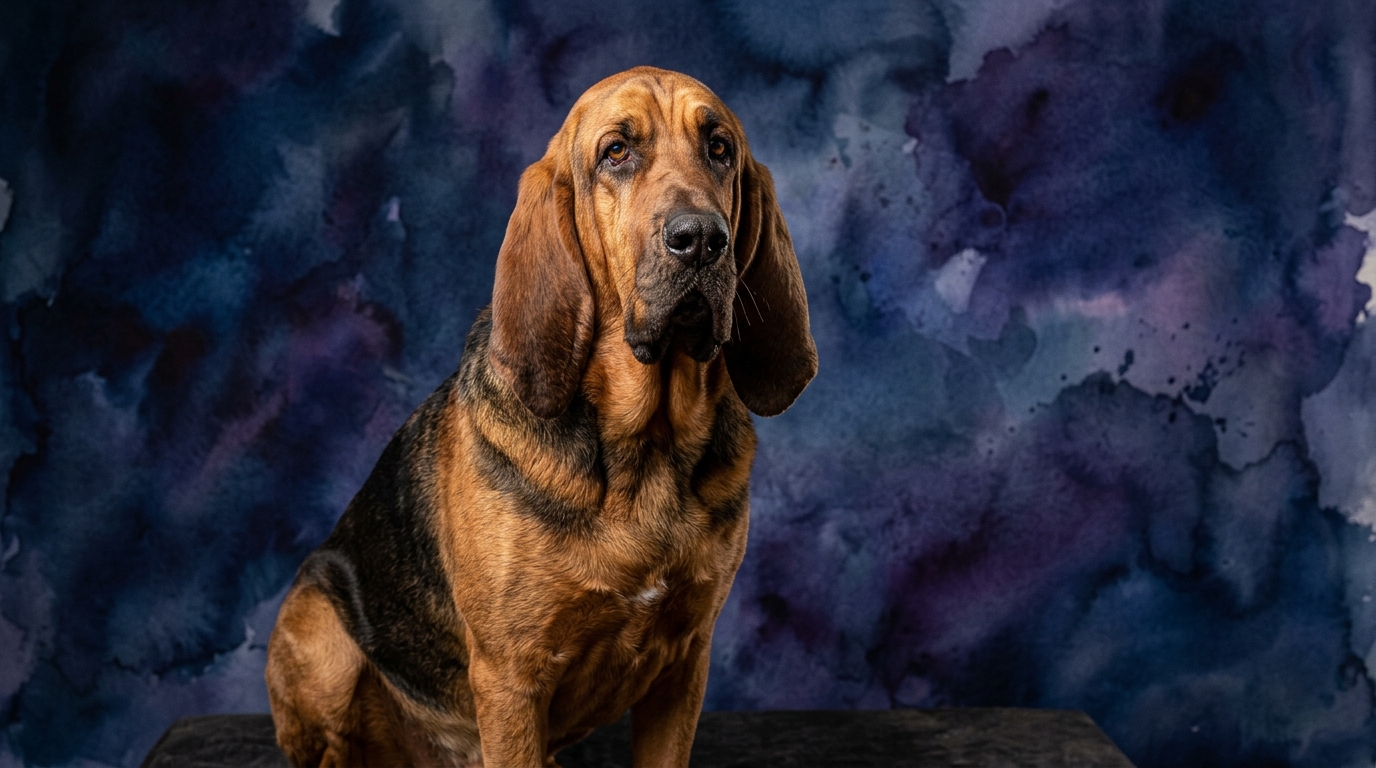
In stark contrast, the Bloodhound, a Hound group member with a Coren rank of #74, exemplifies specialized genius. Their Problem Solving receives a perfect 5/5, but this is profoundly concentrated on their primary function: tracking scent trails over vast distances, demanding intricate analysis of olfactory data. Their Training Speed, however, is a modest 1/5, reflecting a profound independence and a primary drive that often overshadows conventional obedience. Social Intelligence at 2/5 suggests that while affectionate, their focus is frequently secondary to their olfactory pursuits, making them appear less responsive to subtle human cues when engrossed in a scent. Their Instinctive Drive is an overwhelming 5/5, singularly focused on scent work, often overriding all other stimuli. Memory, like the Sheltie, is 5/5, but specifically for scent profiles and tracking pathways, allowing them to recall specific odors and their associations over considerable timeframes, a cornerstone of their problem-solving prowess.
Where the Shetland Sheepdog’s Mind Shines Cognitively
The Shetland Sheepdog's cognitive strengths lie in its remarkable versatility and cooperative intelligence, making them exceptional partners in a variety of endeavors. Their Problem Solving score of 4/5, coupled with a perfect 5/5 in Training Speed, reveals a dog that not only comprehends complex tasks but eagerly absorbs new information. This means a Sheltie can quickly master intricate obedience routines, excel in agility courses, or even learn to perform helpful household tasks, adapting their understanding to various human-directed challenges. Their 4/5 Social Intelligence further amplifies this, allowing them to read and respond to human intentions with precision, making them highly communicative partners in learning. This collaborative approach to problem-solving, rooted in their herding heritage where they worked closely with shepherds, is a distinct cognitive advantage. They don't just solve problems; they excel at solving them in tandem with their human companions.
Where the Bloodhound’s Mind Dominates Cognitively
Conversely, the Bloodhound's cognitive brilliance is a testament to specialization, a profound evolutionary adaptation. While their Coren rank might suggest a broader cognitive profile, their 5/5 Problem Solving score is a true standout, but it's deeply channeled through their unparalleled olfactory prowess. A Bloodhound doesn't solve problems in a general sense; it solves the ultimate puzzle of locating a specific scent source, often a human, over miles of varied terrain and time. This involves intricate analysis of scent molecules, discrimination between countless odors, and the mental mapping of a trail that might be hours or days old. Their 5/5 Instinctive Drive fuels this relentless pursuit, overriding distractions that would derail other breeds. Their 5/5 Memory is equally specialized, allowing them to recall specific scent profiles and the nuances of a trail, building an internal database of olfactory information crucial for their work. This singular, obsessive focus on scent work is not a cognitive limitation but an evolutionary masterpiece, representing a peak in a very specific domain of intelligence.
Training Dynamics: Cooperation vs. Conviction
The stark contrast in Training Speed (Shetland Sheepdog 5/5 vs. Bloodhound 1/5) is perhaps the most defining difference for prospective owners. A Shetland Sheepdog approaches training as a collaborative endeavor, eager to please and quick to connect actions with desired outcomes. Their strong Social Intelligence means they are constantly monitoring their trainer for cues, adapting their behavior to achieve compliance and earn praise. They thrive on positive reinforcement and clear communication, making the learning process a fluid exchange, often requiring fewer repetitions to solidify a command. This makes them highly rewarding for owners who enjoy an active role in training and dog sports.
A Bloodhound, however, presents a different training paradigm. Their low Training Speed isn't due to a lack of cognitive capacity, but rather a profound independence and an overwhelming internal compass guided by scent. While they possess exceptional Problem Solving, it's applied to their primary drive, not necessarily human-defined tasks. Training a Bloodhound requires immense patience and understanding that you are often competing with the most compelling stimulus in their world: a captivating scent. Success hinges on making training irresistible, often by integrating scent work and high-value rewards, rather than expecting eager compliance to conventional commands. Their lower Social Intelligence score means they might not be as keenly attuned to your subtle frustrations or desires when a compelling odor has their full attention, demanding a different approach to motivation and engagement.
Lifestyle Match: Energetic Partnership vs. Dedicated Pursuit
For owners leading an active, engaged lifestyle seeking a canine partner in diverse activities, the Shetland Sheepdog is an ideal match. Their high Training Speed, Problem Solving, and Social Intelligence mean they excel in dog sports like agility, obedience, and rally, where quick thinking and responsiveness are paramount. They thrive on mental stimulation and physical activity, enjoying structured games and learning new tricks. An owner who enjoys teaching, collaborating, and providing consistent engagement will find a Sheltie a highly rewarding and adaptable companion, ready for almost any adventure that involves their human.
Conversely, the Bloodhound is best suited for owners who understand and respect their singular, powerful drive. While they require physical exercise, their mental fulfillment comes from scent work, not necessarily conventional obedience or tricks. A relaxed owner, in this context, doesn't mean inactive, but rather an owner relaxed about conventional obedience and dedicated to channeling the Bloodhound's instinctive drive into appropriate outlets like tracking, trailing, or even advanced nose work games. They are not dogs for casual walks; they are dogs for purposeful expeditions, following their nose wherever it leads them. An owner who can provide an outlet for their exceptional Problem Solving in the realm of scent will find a deeply satisfied, albeit sometimes stubbornly independent, companion who lives to follow a trail.
The Verdict
Choose the Shetland Sheepdog if you desire a highly responsive, cooperative, and versatile canine partner eager to learn and engage in a wide array of activities, from advanced obedience to agility.
Opt for the Bloodhound if you are captivated by a breed with unparalleled scenting abilities, prepared to embrace their independent nature, and committed to providing dedicated outlets for their profound tracking drive.
🧠 Find Your Pet's IQ Score
Our Pet IQ Lab assessment covers 25+ tests across 5 cognitive dimensions — personalized to your breed.
Take the Full IQ Test →Frequently Asked Questions
Is a Bloodhound difficult to train for basic obedience?
Due to their overwhelming instinctive drive for scent and lower Training Speed (1/5), Bloodhounds can be challenging for basic obedience. Their focus is often on odors rather than human commands, requiring immense patience and creative, high-value motivation from their trainer.
Can a Shetland Sheepdog live in an apartment?
While adaptable, Shetland Sheepdogs (Shelties) require significant mental and physical exercise daily due to their high instinctive drive and problem-solving abilities. If these needs are met consistently through walks, training, and enrichment, they can thrive in an apartment setting.
Which breed makes a better family pet with children?
Shetland Sheepdogs, with their higher Social Intelligence (4/5) and cooperative nature, often integrate smoothly into family life and are generally gentle with children when properly socialized. Bloodhounds can be amiable but their singular focus on scent might make them less attuned to playful interactions with kids, and their size requires supervision.