Side-by-Side Cognitive Profile
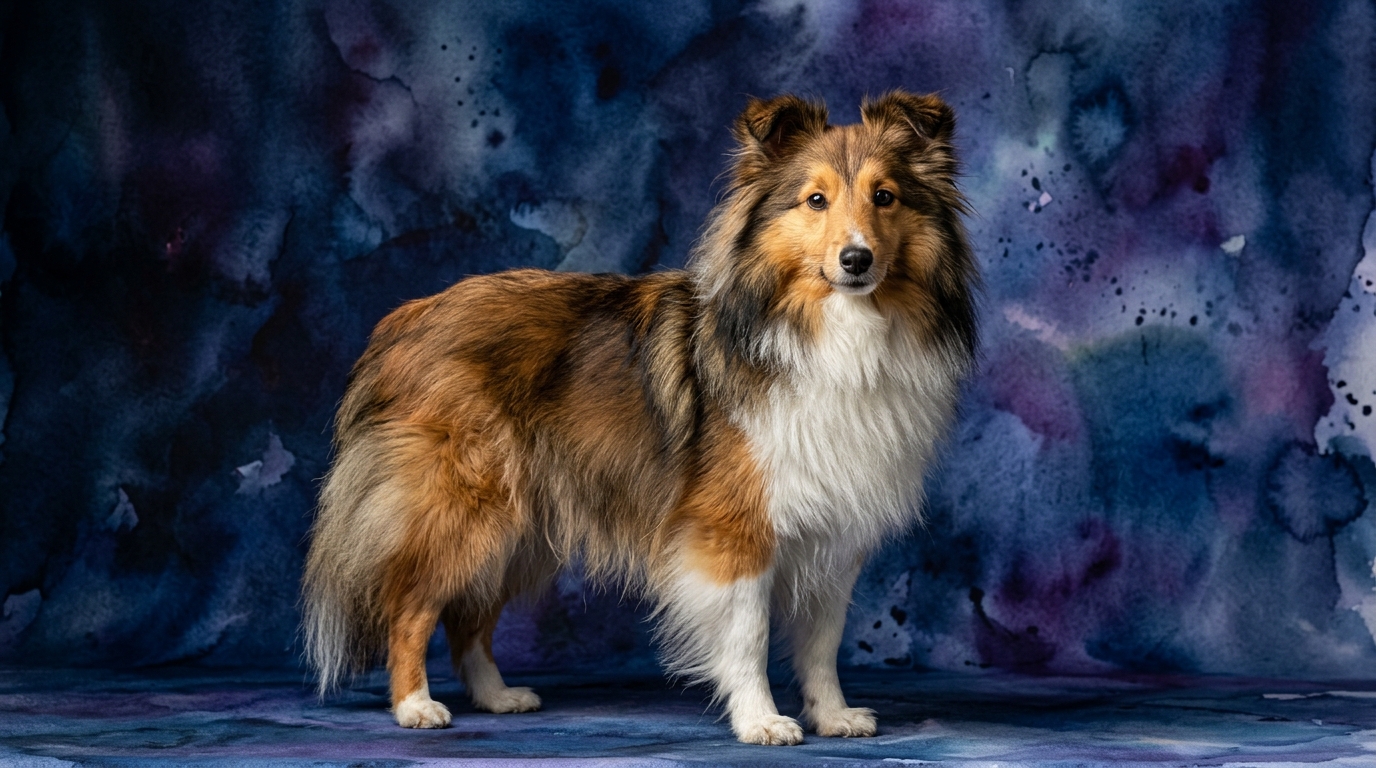
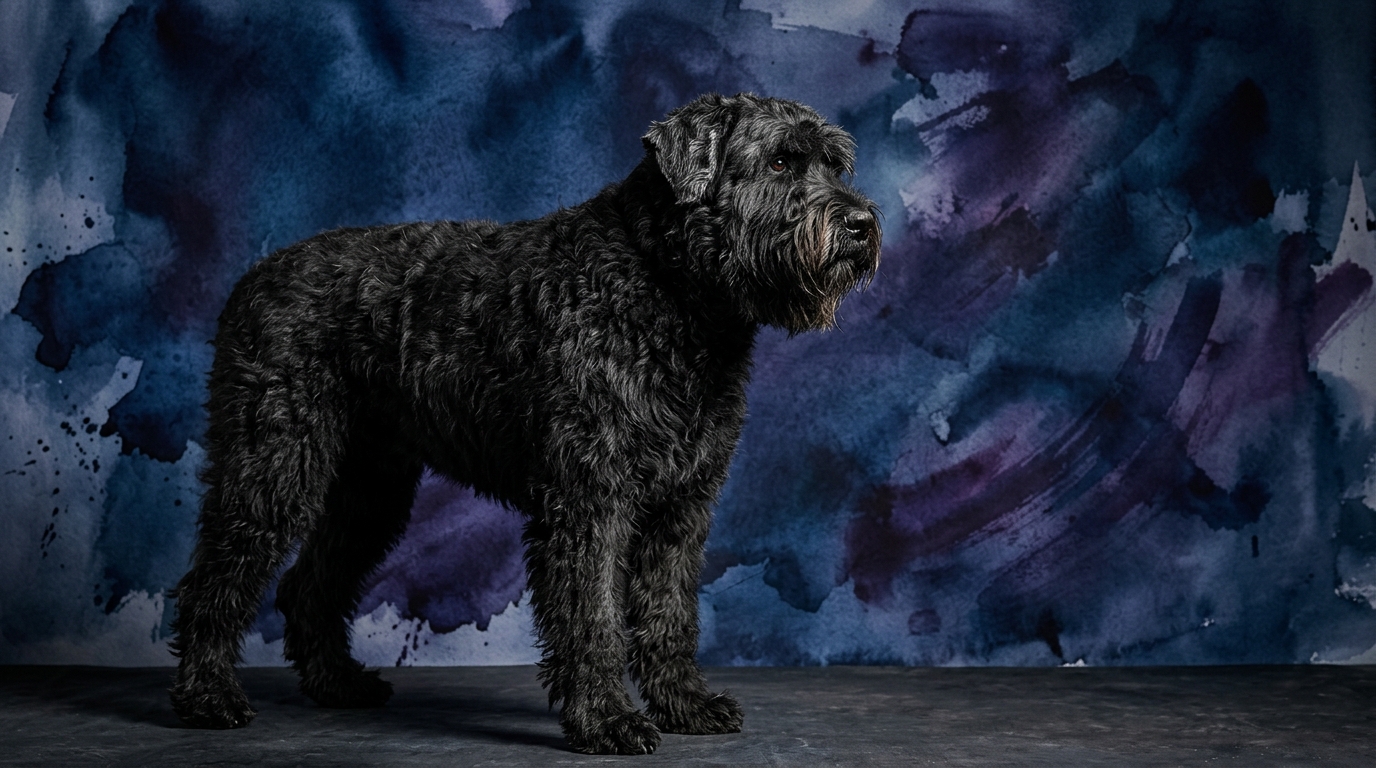
The Cosmic Pet Pet IQ Lab employs five key dimensions to evaluate canine cognitive abilities, providing a granular view beyond general perceptions. For the Shetland Sheepdog, a breed ranked #6 by Dr. Stanley Coren for working intelligence, these dimensions paint a picture of a highly adaptable and responsive companion. In contrast, the Bouvier des Flandres, while not Coren-ranked, presents a profile emphasizing steadfastness and practical application of its mental capacities.
Shetland Sheepdog (Coren Rank #6): Problem Solving 4/5, Training Speed 5/5, Social Intelligence 4/5, Instinctive Drive 5/5, Memory 5/5. These scores indicate a breed that not only excels at understanding complex tasks but also retains information remarkably well, demonstrating a strong drive to engage and cooperate with its human counterparts. Their capacity for figuring out novel situations is strong, often devising strategies to overcome obstacles or achieve goals, a trait honed by their historical role in managing sheep independently. Shetland Sheepdogs are remarkably quick to grasp new commands and routines, often requiring very few repetitions to embed a behavior, making them highly receptive to instruction. They possess a keen understanding of human cues and emotions, often anticipating their owner's intentions and reacting appropriately, which facilitates strong cooperative bonds. Their herding instincts are exceptionally strong, manifesting as a persistent desire to gather, control, and move things, which translates into focused engagement with tasks. With an outstanding memory, Shetland Sheepdogs retain learned behaviors and past experiences over long periods, allowing them to perform complex sequences and recall specific training cues with reliability.
Bouvier des Flandres (Not Coren-Ranked): Problem Solving 3/5, Training Speed 3/5, Social Intelligence 3/5, Instinctive Drive 3/5, Memory 3/5. The Bouvier's scores suggest a dog that is capable and reliable, valuing consistency and thoroughness over speed or spontaneous innovation. They demonstrate a practical ability to navigate challenges, but might prefer established methods rather than spontaneously innovating new solutions, reflecting their origins as farm dogs requiring steady, reliable judgment. They learn at a moderate pace, requiring consistent and patient repetition to solidify new commands, preferring a methodical approach to instruction rather than rapid absorption. Bouviers possess a moderate understanding of social cues, forming deep bonds with their primary family but often displaying a reserved, discerning nature with strangers, indicating a selective social engagement. Their drive is present but balanced, manifesting as a protective instinct and a readiness for work without the intense, constant herding impulse seen in some breeds, suitable for general farm duties and guarding. Bouviers have a solid memory for routines and commands, retaining information reliably over time, though perhaps not with the same intricate detail or rapid recall as breeds scoring higher in this dimension.
Where Shetland Sheepdog Wins Cognitively
The Shetland Sheepdog's cognitive strengths shine particularly in areas demanding rapid assimilation of information and complex behavioral sequencing. Their exceptional 5/5 Training Speed means they can master an extensive repertoire of commands with remarkable efficiency, often picking up new tasks in just a few repetitions. This makes them outstanding candidates for advanced obedience, agility, and competitive dog sports where precision and speed are paramount. Complementing this is their 5/5 Memory, allowing them to recall intricate routines and a vast vocabulary of cues over extended periods, ensuring consistent performance even after breaks. Furthermore, their 4/5 Problem Solving aptitude, combined with a 5/5 Instinctive Drive, means they are not just rote learners but active thinkers who can adapt learned behaviors to novel situations, demonstrating initiative in navigating obstacles or strategizing during herding tasks. They excel at deciphering subtle human communication, thanks to their 4/5 Social Intelligence, making them highly attuned partners in collaborative activities. This combination of quick learning, retention, and adaptive thinking positions the Shetland Sheepdog as a cognitive powerhouse for owners seeking a highly responsive and engaged canine companion.
Where Bouvier des Flandres Wins Cognitively
While the Bouvier des Flandres may not exhibit the same lightning-fast learning or spontaneous problem-solving as the Shetland Sheepdog, their cognitive profile reveals a different, yet equally valuable, set of strengths. Their 3/5 Problem Solving score suggests a steady, thoughtful approach to challenges rather than impulsive action, which is a significant asset in roles requiring calm judgment and resilience, such as guarding or protection work. A moderate 3/5 Instinctive Drive means they possess sufficient motivation for work without being overly hyper-focused, allowing them to maintain composure in diverse environments and switch tasks without excessive agitation. Their 3/5 Social Intelligence, characterized by a discerning and reserved nature, means they are less prone to being overwhelmed by external stimuli or overly eager to engage with every stranger, making them excellent, watchful guardians who form deep, loyal bonds with their inner circle. This measured social approach contributes to their steadfast and dependable temperament. The Bouvier's cognitive victories lie in their enduring focus, robust self-reliance, and a practical intelligence geared towards reliability and protective duties, making them exceptionally stable and trustworthy companions in demanding situations. They process information thoroughly, leading to a profound understanding of their role and environment, rather than a superficial grasp.
Which is Easier to Train and Why
The Shetland Sheepdog is unequivocally easier to train for the average owner, primarily due to their exceptional 5/5 Training Speed and 5/5 Memory. They possess an innate eagerness to please and a rapid capacity for comprehension, often needing only a handful of repetitions to internalize a new command. This makes teaching basic obedience, complex tricks, or intricate sequences a relatively swift and rewarding experience. Their high Social Intelligence (4/5) further enhances trainability, as they are adept at reading human body language and vocal cues, allowing for more nuanced communication during training sessions. In contrast, the Bouvier des Flandres, with a 3/5 Training Speed and 3/5 Memory, requires a more patient, consistent, and methodical approach. They are not slow learners, but they are deliberate, needing more repetitions and a clear, unwavering structure to fully grasp and retain new information. Bouviers can also exhibit a degree of independent thinking, sometimes requiring owners to demonstrate the value of a command rather than simply complying out of an immediate desire to please. Training a Bouvier involves building trust and respect through fair, consistent methods, focusing on their steadfast nature to cement behaviors over time, rather than expecting instantaneous results.
Which Suits Active Owners vs. Relaxed Owners
The Shetland Sheepdog is ideally suited for active owners who relish engaging in a variety of activities with their canine companion. Their high instinctive drive (5/5) and boundless energy mean they thrive on having a 'job' to do, whether that's participating in agility, obedience trials, flyball, or daily long, stimulating walks. They require significant mental stimulation to prevent boredom, making them perfect for individuals or families committed to consistent training, puzzle toys, and interactive play. A relaxed owner who cannot meet these needs might find a Shetland Sheepdog developing undesirable behaviors born from under-stimulation. The Bouvier des Flandres, while certainly capable of activity, suits owners who appreciate a more measured pace and a strong, protective presence without the incessant need for complex tasks. Their moderate instinctive drive (3/5) means they enjoy regular exercise and purposeful activities like hiking or carting, but they are generally content with a robust daily walk and a secure yard to patrol, rather than requiring constant high-intensity engagement. Owners who prefer a reliable, watchful companion, and are prepared to offer patient, consistent training for a dog with a more independent streak, will find the Bouvier a rewarding match. They are less prone to frantic energy but still require an owner who understands their need for purpose and structure.
The Verdict
Choose the Shetland Sheepdog if you seek a highly trainable, agile partner for dog sports, complex obedience, or a deeply interactive family member who thrives on mental engagement and quick learning.
Opt for the Bouvier des Flandres if you desire a steadfast, protective, and self-reliant companion, valuing a thoughtful temperament and a diligent work ethic over lightning-fast learning, provided you offer patient, consistent guidance.
🧠 Find Your Pet's IQ Score
Our Pet IQ Lab assessment covers 25+ tests across 5 cognitive dimensions — personalized to your breed.
Take the Full IQ Test →Frequently Asked Questions
Are Shetland Sheepdogs good family dogs?
Yes, Shetland Sheepdogs typically form strong bonds with their families, demonstrating their 4/5 social intelligence by being attentive and affectionate. They are generally good with children who understand how to interact respectfully with dogs, though their herding instincts might occasionally lead to gentle nipping at heels.
What kind of exercise does a Bouvier des Flandres need?
A Bouvier des Flandres requires regular, moderate exercise, such as long daily walks, jogging, or structured playtime in a secure area. While they don't demand constant high-intensity activity, their robust build and 3/5 instinctive drive mean they benefit from purposeful engagement to maintain physical and mental well-being.
Do Bouvier des Flandres bark a lot?
Bouvier des Flandres are known to be alert and watchful guardians, and their barking is often tied to their protective instincts, indicating an alert to perceived threats or strangers. While not typically excessive, their vocalizations are purposeful and should be managed with consistent training to differentiate between genuine concerns and everyday occurrences.