Side-by-Side Cognitive Profiles
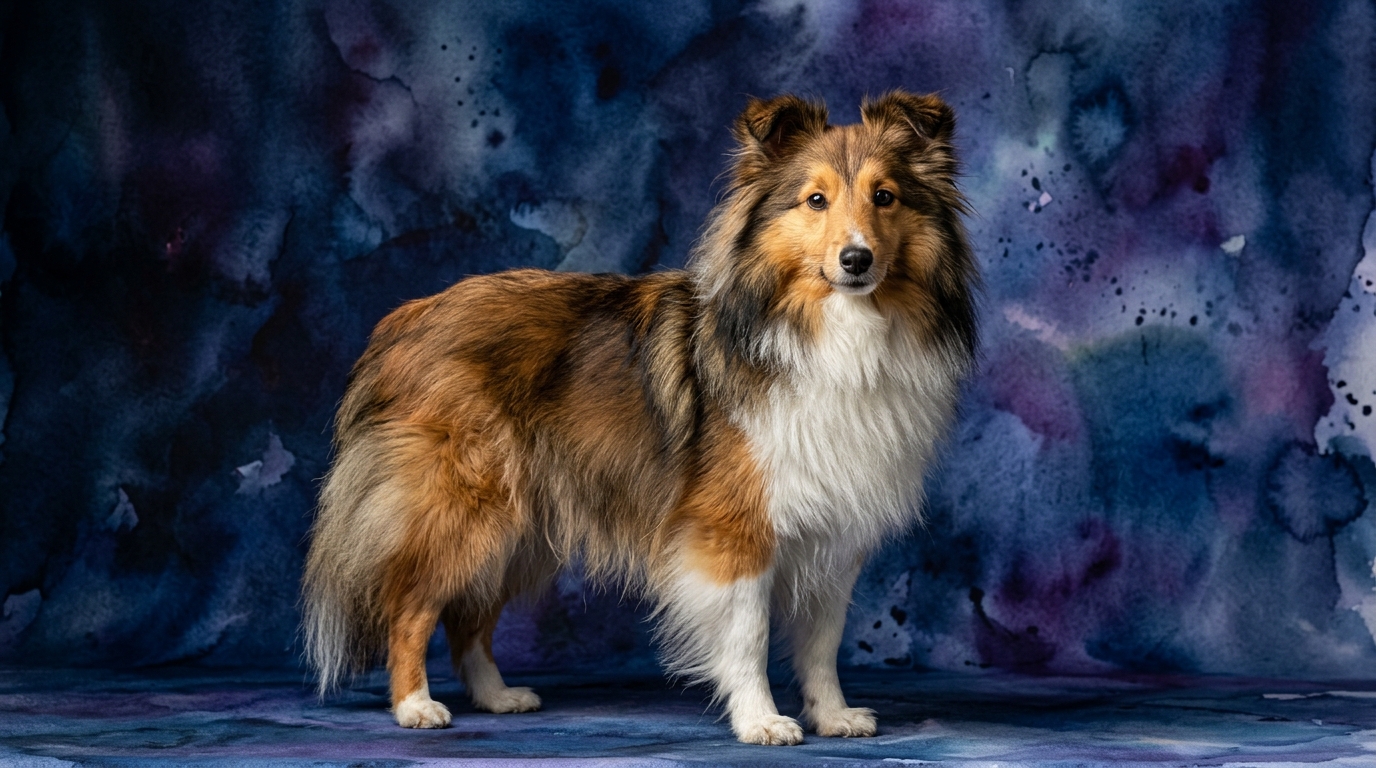
The Cosmic Pet Pet IQ Lab employs a comprehensive framework to assess canine cognition, breaking down intelligence into five core dimensions. For the Shetland Sheepdog, a breed steeped in centuries of cooperative work with humans, we observe a robust problem-solving capacity rated at 4/5. Their training speed is exceptional, earning a perfect 5/5, reflecting their eagerness to learn and retain complex commands. Social intelligence, crucial for nuanced communication, stands at 4/5, while their instinctive drive, particularly for herding, is a powerful 5/5. A remarkable memory score of 5/5 rounds out their profile, indicating an ability to recall extensive information and experiences.
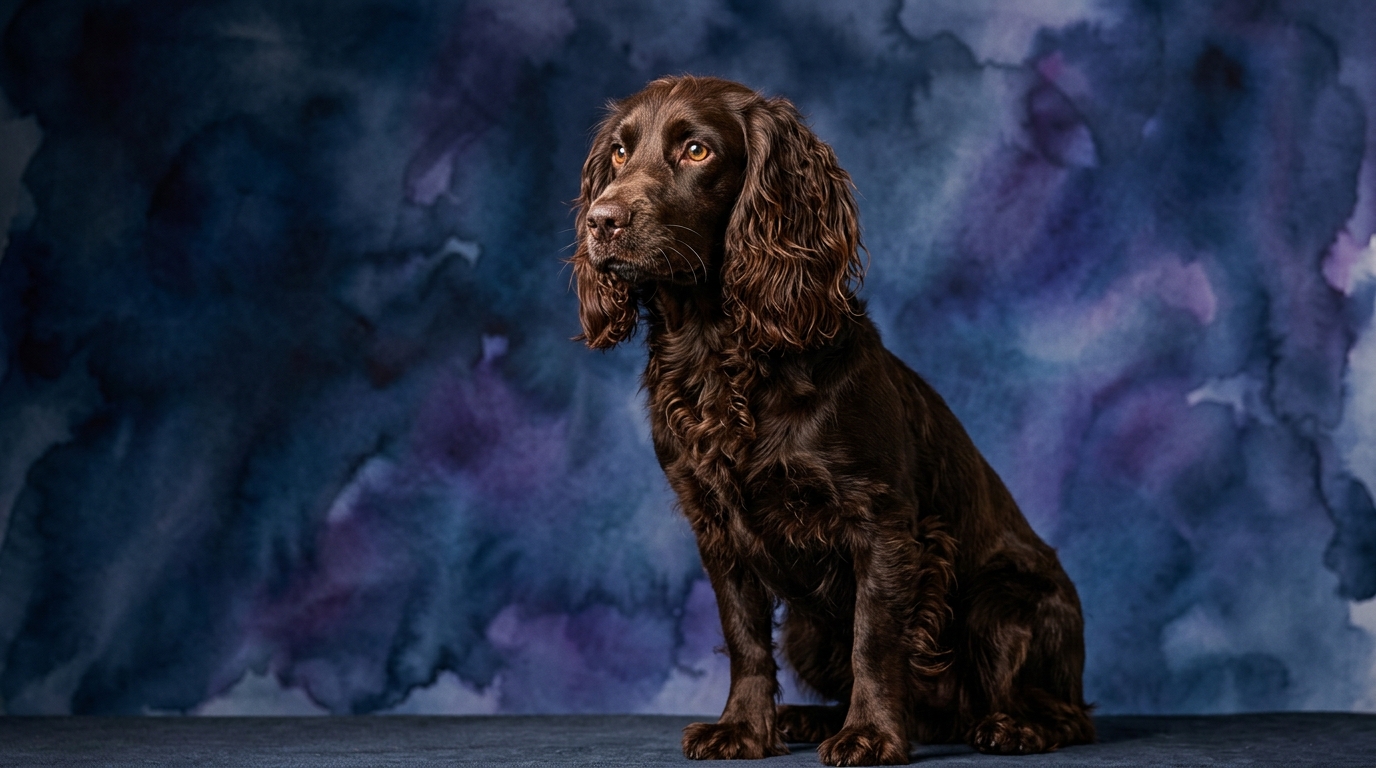
In contrast, the Boykin Spaniel, a breed developed for flushing and retrieving game in challenging terrain, presents a different cognitive blueprint. Their problem-solving score is 3/5, suggesting they approach novel situations with a practical, rather than highly analytical, mindset. Training speed for the Boykin Spaniel is also rated at 3/5, indicating a steady but not instantaneous learning curve. Social intelligence sits at 3/5, highlighting their affable nature but perhaps less emphasis on intricate human-canine communication beyond task-oriented cues. Their instinctive drive, focused on hunting and retrieving, is a solid 3/5, and their memory, while functional for their tasks, is rated at 3/5.
Where the Shetland Sheepdog Excels Cognitively
The Shetland Sheepdog's cognitive strengths are particularly evident in areas demanding rapid assimilation of information and intricate decision-making. Their 5/5 training speed isn't merely about learning commands quickly; it speaks to an inherent ability to generalize concepts and adapt learned behaviors to new contexts with minimal repetition. This proficiency allows them to master advanced obedience, agility courses, and complex trick training with remarkable fluidity.
Furthermore, their 4/5 problem-solving and 5/5 memory combine to create a dog capable of navigating dynamic environments and remembering elaborate sequences. This manifests in their ability to anticipate changes in a herding scenario, recall the location of straying flock members, or even figure out how to open child-proof latches. Their social intelligence, also 4/5, allows them to interpret subtle human body language and vocal tones, making them highly responsive partners in any activity where precise communication is key. This breed thrives on mental engagement, finding satisfaction in tasks that require them to think, plan, and execute.
Where the Boykin Spaniel Offers a Unique Cognitive Appeal
While the Boykin Spaniel's individual cognitive scores may appear modest compared to the Shetland Sheepdog, their profile reflects a specialized and highly effective set of mental attributes tailored to their purpose. Their 3/5 problem-solving isn't a deficiency but an indication of a pragmatic approach; they are less likely to overthink a situation and more inclined to act on instinct and learned patterns, which is advantageous in a fast-paced hunting environment. Their mental energy is channeled efficiently towards specific, goal-oriented tasks.
The Boykin's 3/5 instinctive drive, while not as broad as a herding dog's, is intensely focused on retrieving and working closely with a handler in the field. This laser-like focus, combined with their eager-to-please disposition, means that once a task is understood, they will pursue it with unwavering enthusiasm and dedication. Their social intelligence, at 3/5, supports a strong bond with their primary human, fostering a partnership built on trust and shared activity, particularly in outdoor pursuits. They excel when given a clear job and thrive on the satisfaction of completing it, often relying on their robust senses and physical prowess alongside their cognitive processing.
Which is Easier to Train and Why: A Behavioral Deep Dive
When considering ease of training, the Shetland Sheepdog generally presents a more straightforward experience for an owner due to their exceptionally high training speed (5/5) and strong desire to cooperate. Their Herding group heritage means they are inherently attuned to human direction and quick to understand what is being asked of them. A Sheltie often requires fewer repetitions to grasp a new command and will eagerly offer behaviors to earn praise or rewards. Their memory (5/5) ensures commands, once learned, are deeply ingrained, leading to consistent performance.
The Boykin Spaniel, with a training speed of 3/5, will certainly learn, but typically requires more consistent repetition and patience. Their training success often hinges on tapping into their instinctive drive for retrieving and their strong desire for companionship. While they are eager to please, their focus can be more task-specific, meaning an owner might need to make training sessions feel more like a game or a hunt to maintain engagement. They are less likely to generalize a command across vastly different contexts without specific practice, and their lower problem-solving score means they might need more explicit guidance through novel training challenges rather than figuring them out independently.
Matching Breeds to Lifestyles: Active vs. Relaxed Owners
For owners seeking a highly interactive and mentally stimulating companion, the Shetland Sheepdog is a compelling choice. Their high problem-solving, training speed, and social intelligence mean they thrive with owners who can provide consistent mental challenges through training, dog sports like agility or obedience, or even complex puzzle toys. They require an owner who understands the need to channel their innate herding drives into constructive outlets, preventing boredom-induced behaviors. An active owner for a Sheltie is not just one who walks a lot, but one who actively engages their dog's mind daily, perhaps even teaching new tricks or participating in canine activities.
The Boykin Spaniel, while still an active breed, suits an owner whose definition of 'active' often revolves around specific outdoor pursuits. Their instinctive drive (3/5) is geared towards retrieving and working in the field, making them ideal for hunters, hikers, or families who enjoy regular, vigorous outdoor excursions like swimming or long walks in varied terrain. They do not necessarily demand the same level of intellectual puzzle-solving as a Sheltie but thrive on physical activity combined with a clear purpose. A relaxed owner for a Boykin might not be one who sits on the couch, but rather one who enjoys less structured, more free-ranging outdoor time where the dog can follow its nose and retrieve.
The Verdict
Choose the Shetland Sheepdog if you seek a highly trainable, cognitively agile companion who thrives on mental challenges, rapid learning, and nuanced communication in a variety of activities. They are best for owners who enjoy engaging deeply with their dog's intellect and providing consistent, varied mental stimulation.
Opt for the Boykin Spaniel if you desire an enthusiastic, robust partner for outdoor adventures, particularly those involving retrieving and exploring. They are suited for owners who appreciate a dog with a strong, focused drive for physical tasks and a cheerful disposition, willing to dedicate time to consistent, purpose-driven training.
🧠 Find Your Pet's IQ Score
Our Pet IQ Lab assessment covers 25+ tests across 5 cognitive dimensions — personalized to your breed.
Take the Full IQ Test →Frequently Asked Questions
Are Shetland Sheepdogs good for first-time owners?
Shetland Sheepdogs can be excellent for first-time owners who are prepared for their cognitive needs and moderate exercise requirements. Their eagerness to learn and strong desire to please make training rewarding, but their intelligence also means they need consistent mental engagement to prevent boredom.
Do Boykin Spaniels require a lot of exercise?
Yes, Boykin Spaniels require a significant amount of exercise, reflecting their Sporting group heritage and instinctive drive. They thrive on vigorous daily activity, such as long walks, runs, swimming, or retrieving games, to keep them physically and mentally content.
What's the biggest difference in how these breeds learn?
The most significant difference lies in their training speed and problem-solving approaches. Shetland Sheepdogs typically learn new commands very quickly and can generalize concepts efficiently, often figuring out solutions independently. Boykin Spaniels learn steadily and are eager to please, but may require more repetition and benefit from training methods that tap into their strong, task-oriented drives, such as retrieving.