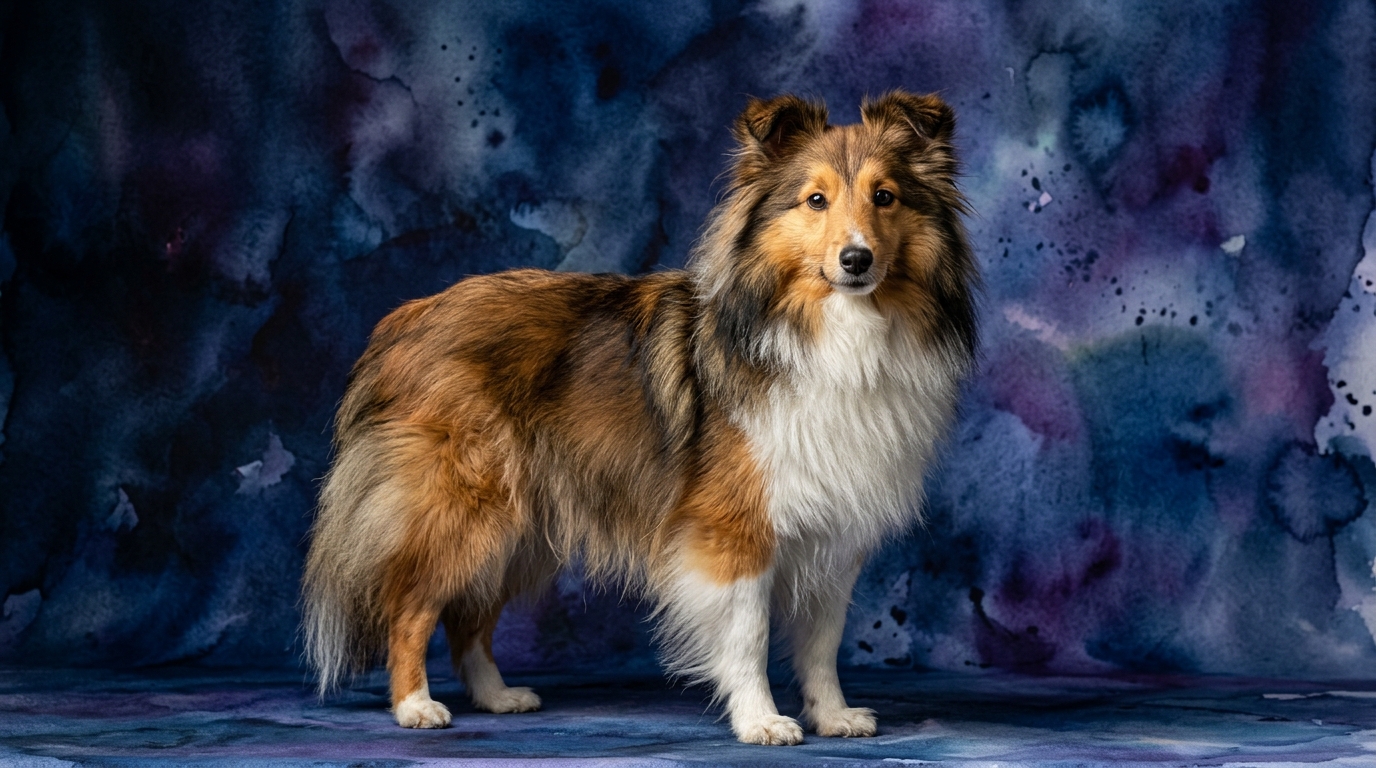
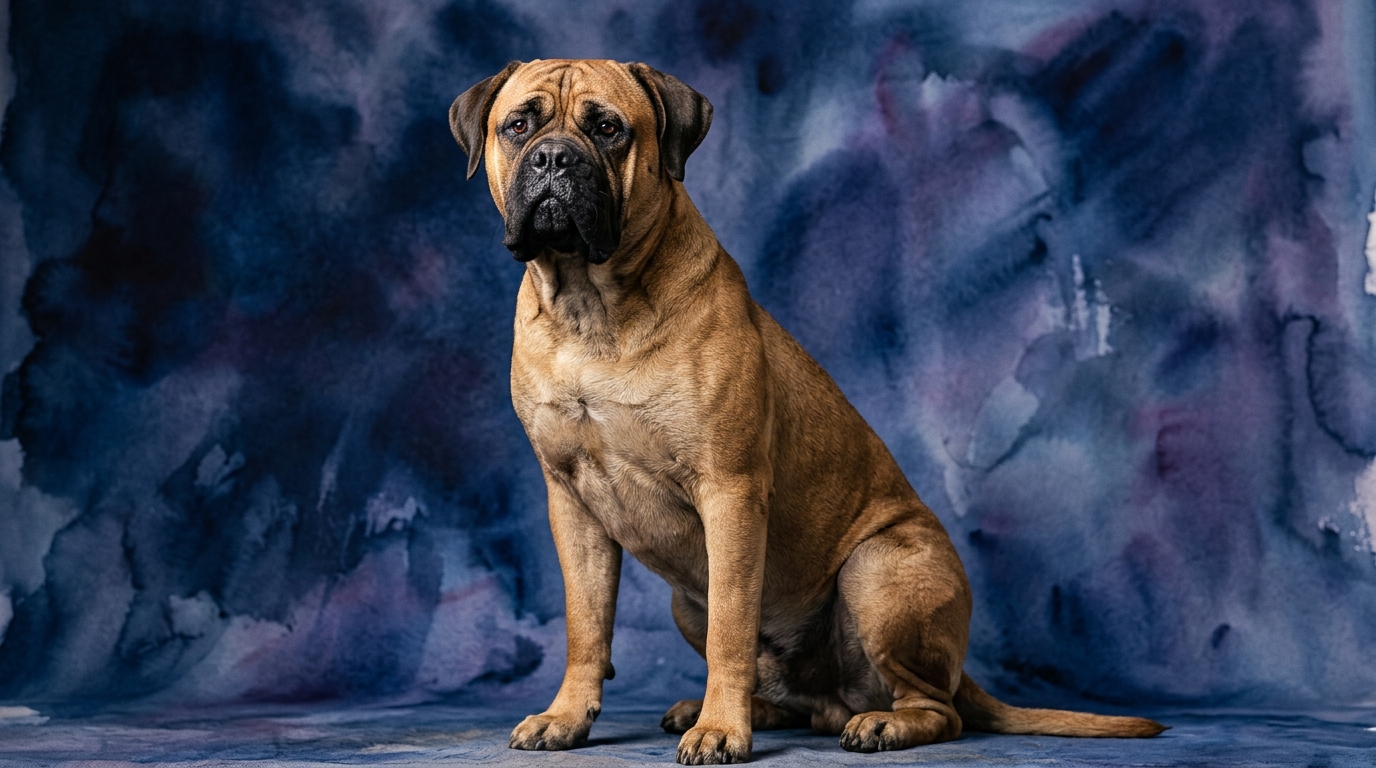
Side-by-Side Cognitive Profiles: Shetland Sheepdog vs. Bullmastiff
Problem Solving: The Shetland Sheepdog, rated 4/5, demonstrates a strong aptitude for independent thought, often devising ingenious solutions to perceived challenges or complex puzzles. In contrast, the Bullmastiff, at 3/5, exhibits practical problem-solving focused on immediate comfort or security, less on abstract mental gymnastics.
Training Speed: This is a key differentiator. Shelties achieve a perfect 5/5, absorbing new commands with remarkable swiftness, often in just a few repetitions. Bullmastiffs, with a 3/5, require more patience and consistent repetition, learning at a steadier but less rapid pace.
Social Intelligence: Shelties (4/5) are adept at reading human cues, adapting their behavior based on subtle signals, and forming deep, intuitive bonds. Bullmastiffs (3/5) display social intelligence through unwavering loyalty and protective discernment towards their family, often reserved with strangers.
Instinctive Drive: The Sheltie's 5/5 score reflects a powerful herding instinct, manifesting as a desire to gather and direct, which can be channeled into dog sports. The Bullmastiff's 3/5 drive is primarily a protective and guarding instinct, rooted in its history as a gamekeeper's companion.
Memory: Shelties boast a 5/5 memory, retaining complex command sequences and routines over extended periods, greatly aiding in advanced training. Bullmastiffs, with a 3/5, have a solid memory for familiar routines and people, but their recall for intricate sequences may not be as extensive.
Where the Shetland Sheepdog Excels Cognitively
The Shetland Sheepdog's cognitive strengths are rooted in its exceptional mental agility and rapid processing. Their Coren rank of #6 underscores their proficiency in understanding and executing new commands almost immediately, a testament to their 5/5 training speed. This isn't just about rote learning; it's about making swift connections and applying learned behaviors flexibly. For instance, a Sheltie can quickly master a multi-step agility course, recalling the precise sequence and executing each obstacle after minimal instruction. Their 4/5 problem-solving ability allows them to navigate intricate environments or even cleverly outmaneuver owners in pursuit of a desired object, often demonstrating innovative solutions like opening latches or retrieving inaccessible toys. Their perfect 5/5 memory ensures these intricate solutions and vast command vocabulary are retained over long periods, making them incredibly reliable in performing complex tasks or remembering specific routines learned months or even years prior.
Where the Bullmastiff Shows Its Own Cognitive Strengths
While not lauded for speed, the Bullmastiff possesses a distinct set of cognitive strengths grounded in its guardian heritage. Their 3/5 problem-solving is practical and situation-specific, often focused on assessing potential threats or optimizing their comfort. A Bullmastiff might not excel at abstract puzzle toys, but they are adept at evaluating the safety of their home environment, discerning between a friendly visitor and a perceived intruder with keen observational skills. Their social intelligence, also 3/5, is profoundly expressed through unwavering loyalty and a deep understanding of their family unit. They might not read every subtle human emotion with the nuance of a Herding dog, but they possess an acute awareness of their loved ones' presence and well-being, providing a steadfast, reassuring presence. This manifests as a powerful, instinctive bond, making them highly attuned to their family's security needs. Their instinctive drive, focused on guarding, means they are consistently vigilant, a cognitive strength in maintaining a secure environment.
Training Dynamics: Shetland Sheepdog vs. Bullmastiff
The difference in training approach is significant. The Shetland Sheepdog, with its 5/5 training speed, is remarkably responsive and eager to learn, thriving on positive reinforcement and mental challenges. They absorb new commands quickly and excel in advanced obedience, agility, and competitive dog sports, making them a joy for owners who enjoy consistent training engagement. Their superb memory and problem-solving skills mean they retain complex sequences and can generalize learned behaviors to new contexts with ease.
The Bullmastiff, scoring 3/5 in training speed, requires a more patient, consistent, and positive reinforcement-based strategy. While capable of learning, their pace is steadier, and they may need more repetitions to solidify commands. Their protective instincts necessitate early and thorough socialization to shape their social intelligence positively. Bullmastiffs respond best when training is engaging and they understand the 'why' behind a command, often exhibiting an independent streak if rushed or subjected to harsh methods, which can lead to disengagement.
Lifestyle Suitability: Active vs. Relaxed Owners
For active owners seeking a canine partner for mental and physical challenges, the Shetland Sheepdog is an exceptional match. Their high instinctive drive (5/5) and need for mental engagement mean they thrive with regular, vigorous exercise, structured play, and opportunities to utilize their problem-solving and memory skills. Owners who enjoy hiking, running, dog sports, or teaching complex tricks will find the Sheltie a willing and enthusiastic participant. Their cognitive profile demands an owner who can provide consistent mental enrichment to prevent boredom-driven behaviors.
Conversely, the Bullmastiff, while requiring daily walks and some playtime, is generally better suited for more relaxed owners who appreciate a calm, watchful companion. Their instinctive drive is geared towards guarding and companionship, not intense physical exertion or constant mental puzzles. They are content with a comfortable spot near their family, observing their surroundings. Owners who prefer a moderate exercise routine but are committed to consistent, gentle training and socialization for a protective breed will find the Bullmastiff a rewarding, loyal companion. They offer a steady presence rather than a whirlwind of activity.
The Verdict
Opt for a Shetland Sheepdog if you're an active owner seeking a highly trainable, mentally agile companion eager to participate in dog sports, learn complex commands, and thrive on consistent mental and physical engagement.
Select a Bullmastiff if you desire a steadfast, protective, and loyal companion who values comfort and family presence, and you are prepared for patient, consistent training and socialization without the expectation of rapid learning.
🧠 Find Your Pet's IQ Score
Our Pet IQ Lab assessment covers 25+ tests across 5 cognitive dimensions — personalized to your breed.
Take the Full IQ Test →Frequently Asked Questions
Are Shetland Sheepdogs good with children?
Shetland Sheepdogs can be excellent family dogs, often forming strong bonds with children. Their herding instincts might lead them to gently 'herd' youngsters, so supervision and teaching appropriate interactions are important, but their social intelligence generally makes them gentle and observant companions.
Do Bullmastiffs require a lot of grooming?
Bullmastiffs have short, dense coats that are relatively low maintenance, requiring only weekly brushing to remove loose hair and keep their coat healthy. They are not excessive shedder, but regular grooming helps manage any shedding and keeps their skin in good condition.
Can a Bullmastiff live in an apartment?
While large, a Bullmastiff can adapt to apartment living if provided with sufficient daily exercise, which includes regular walks and opportunities for mental stimulation. Their calm indoor demeanor and moderate activity needs, combined with their strong bond with family, make them adaptable to smaller spaces provided their exercise requirements are met.