The Cosmic Pet IQ Lab: Side-by-Side Cognitive Profiles
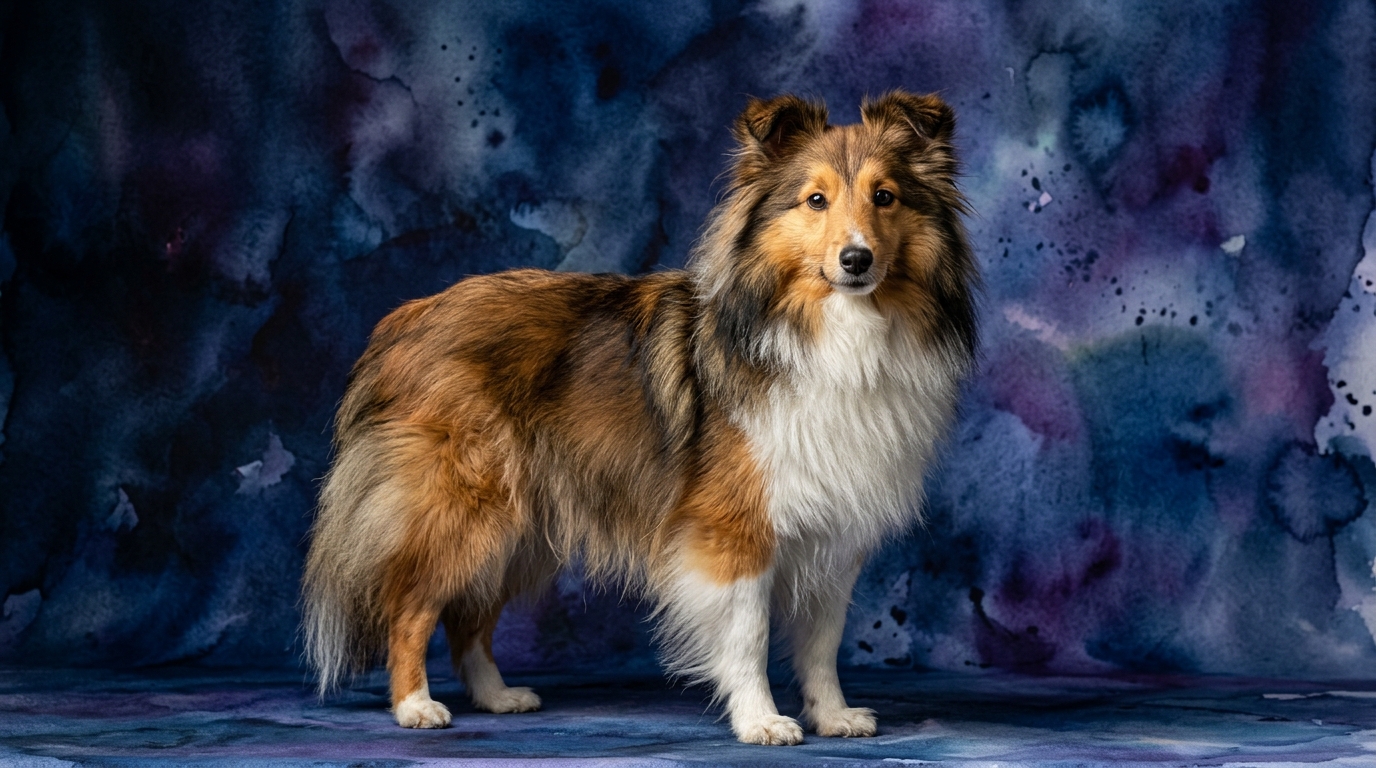
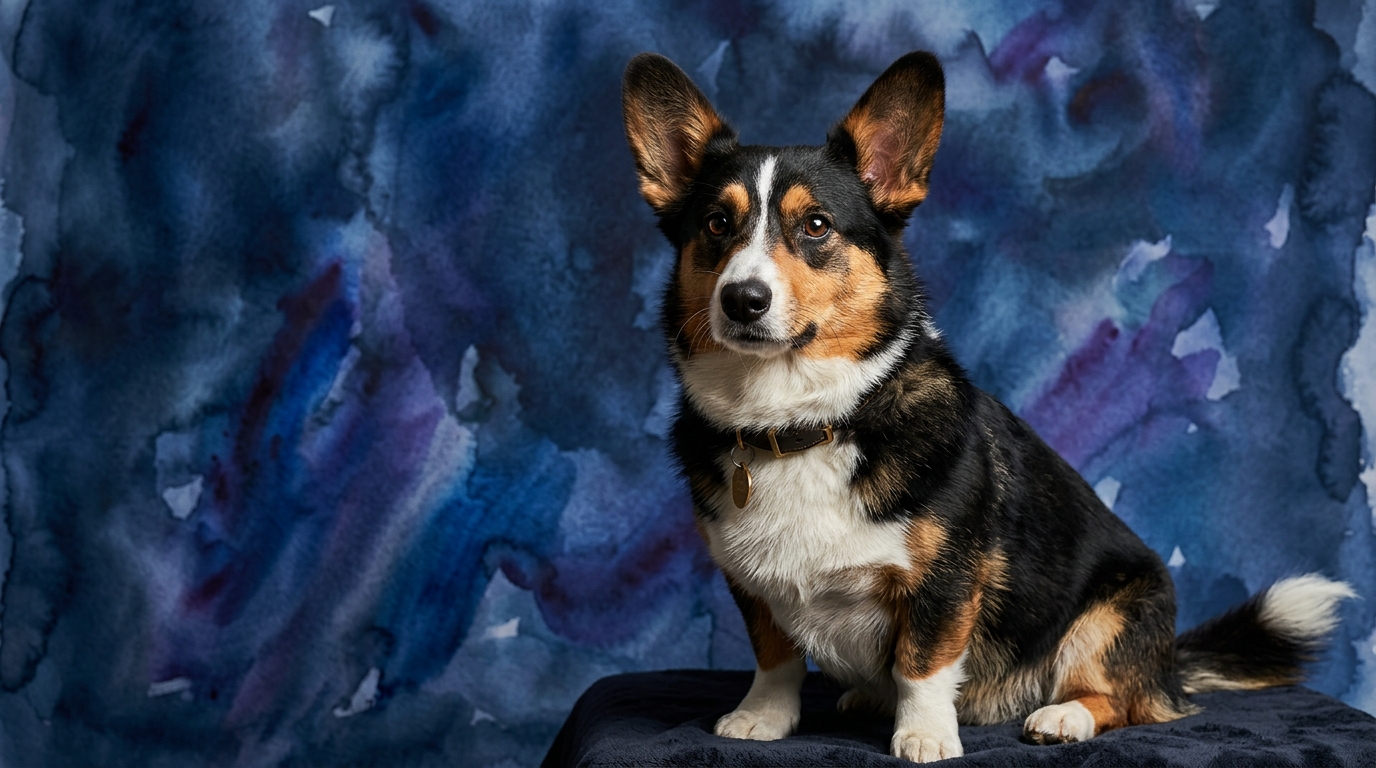
The Cosmic Pet Pet IQ Lab provides a granular look at canine intelligence, moving beyond simple rankings to analyze specific cognitive dimensions. For the Shetland Sheepdog, a Coren rank of #6 places them among the most adept learners, while the Cardigan Welsh Corgi, at rank #26, still demonstrates considerable mental capacity within the herding group. Let's dissect their individual scores across five key areas.
The Shetland Sheepdog's profile paints a picture of exceptional mental agility and responsiveness. Their Problem Solving is rated 4/5, indicating a strong ability to navigate complex situations and find solutions independently. Training Speed is an impressive 5/5, signifying rapid acquisition of new commands and behaviors. Social Intelligence, at 4/5, highlights their deep attunement to human moods and intentions, fostering strong bonds. An Instinctive Drive of 5/5 reflects a powerful, persistent desire to work, particularly in herding tasks. Finally, their Memory at 5/5 ensures long-term retention of learned experiences and commands, making them incredibly consistent.
In contrast, the Cardigan Welsh Corgi presents a robust and resourceful, albeit slightly different, cognitive makeup. Their Problem Solving also scores 4/5, demonstrating a capacity for independent thought and clever solutions, often manifesting in resourceful ways. Training Speed is a solid 4/5, meaning they learn efficiently but might require more consistent motivation or repetition than a Sheltie. Social Intelligence stands at 3/5, indicating responsiveness to their family but perhaps a more independent or less overtly expressive understanding of human emotional states. Instinctive Drive is 3/5, possessing herding tendencies like nipping at heels, but generally less intense or task-persistent than a Sheltie. Their Memory is rated 4/5, ensuring good retention of learned behaviors and routines over time.
Where the Shetland Sheepdog Shines Cognitively
The Shetland Sheepdog's cognitive strengths are particularly evident in their remarkable Training Speed (5/5) and Memory (5/5). They grasp new commands almost instantaneously, often needing only a few repetitions before a behavior is cemented, allowing them to build an extensive repertoire of skills from basic obedience to intricate tricks or advanced dog sports. This rapid learning, combined with their exceptional memory, means that once a Sheltie learns something, it is rarely forgotten, ensuring a high degree of reliability in their performance.
Their superior Social Intelligence (4/5) further amplifies their cognitive prowess, enabling them to form deep, almost intuitive bonds with their human companions. Shelties are highly attuned to subtle cues, anticipating their owner's needs or moods, and adjusting their behavior accordingly. This empathetic understanding makes them not just trainable, but truly collaborative partners. Coupled with their powerful Instinctive Drive (5/5), this means a Sheltie thrives on having a purpose, channeling their mental and physical energy into focused tasks like agility, herding trials, or scent work, consistently applying their problem-solving skills to achieve goals.
Where the Cardigan Welsh Corgi Excels Mentally
While sharing a 4/5 Problem Solving score with the Sheltie, the Cardigan Welsh Corgi's ingenuity often manifests with a distinct, resourceful flair. Their problem-solving isn't just about following instructions; it's about figuring out how to achieve their own objectives, whether that's cleverly manipulating a puzzle toy or devising a unique strategy to gain attention or a coveted treat. This capacity for independent, sometimes mischievous, thought highlights a cunning intelligence that can be both endearing and challenging.
The Corgi's slightly lower Social Intelligence (3/5) and Instinctive Drive (3/5), when paired with their solid Problem Solving, contribute to a notable adaptability and independence. They are less prone to anxiety when their human is occupied, capable of entertaining themselves or finding novel ways to interact with their environment. This self-sufficiency means they can navigate varying routines with greater ease, demonstrating a resilient mental fortitude. Their robust physicality, combined with their ground-level perspective, also gives them a unique problem-solving approach to navigating obstacles or exploring their surroundings, often using their sturdy build to their advantage where a more agile breed might struggle.
Training Ease: Responsiveness vs. Resourcefulness
When it comes to ease of training, the Shetland Sheepdog generally holds an advantage due to their outstanding Training Speed and Memory, combined with their strong social intelligence and desire to please. They are exceptionally responsive to commands, absorbing new lessons quickly and retaining them for the long term. Their inherent drive means they genuinely enjoy having a 'job' and excel in structured training environments, making them highly rewarding partners for obedience, rally, or advanced trick training.
The Cardigan Welsh Corgi, while possessing good problem-solving and memory, requires a different approach to training. Their 4/5 Training Speed means they learn efficiently but may demand more consistent motivation, positive reinforcement, and varied training techniques to maintain engagement. Their independent nature and resourceful problem-solving can sometimes lead them to find alternative solutions to a command if they perceive a better personal outcome, requiring trainers to be consistent, clear, and engaging. While capable of learning a great deal, their training journey often involves more patience and creativity to harness their clever, sometimes stubborn, spirit.
Lifestyle Match: Active Engagement vs. Adaptable Companionship
Owners seeking a deeply engaged partner for consistent mental and physical challenges will find the Shetland Sheepdog an ideal match. Their high Instinctive Drive (5/5), coupled with their rapid learning and memory, means they thrive on having a purpose and consistent stimulation. They excel in dog sports like agility, flyball, and competitive obedience, and require daily opportunities to use their minds and bodies. An owner who can commit to regular training sessions, puzzle toys, and interactive play will see a Sheltie flourish.
For owners who appreciate a clever, adaptable companion that offers companionship without demanding constant, intense engagement, the Cardigan Welsh Corgi is a strong contender. While they certainly need regular exercise and mental stimulation to prevent boredom, their slightly lower Instinctive Drive (3/5) and Social Intelligence (3/5) mean they can be content with moderate daily activity and less structured mental work. They enjoy being part of family life and can be more independent in finding their own entertainment, making them suitable for individuals or families with a slightly more relaxed pace, provided their foundational needs for exercise and mental enrichment are met consistently.
The Verdict
Choose a Shetland Sheepdog if you desire a highly responsive, eager-to-please canine partner for advanced training, dog sports, or a truly deep, almost intuitive bond, and you are prepared for consistent mental and physical engagement.
Choose a Cardigan Welsh Corgi if you appreciate a clever, independent spirit that offers companionship without demanding constant, intense interaction, and you enjoy a dog with a resourceful, sometimes mischievous, approach to life, coupled with moderate activity needs.
🧠 Find Your Pet's IQ Score
Our Pet IQ Lab assessment covers 25+ tests across 5 cognitive dimensions — personalized to your breed.
Take the Full IQ Test →Frequently Asked Questions
Are Shelties prone to separation anxiety?
Due to their high social intelligence and deep bonding with their owners, Shelties can indeed be sensitive to separation. Careful training to build independence and provide enrichment during alone time is often crucial to prevent anxiety.
Do Corgis bark a lot?
Cardigan Welsh Corgis can be quite vocal, using their barks to alert their owners to perceived threats or to express themselves. This trait stems from their historical role as herding dogs, where barking helped manage livestock.
Which breed is better with children?
Both breeds can be good family dogs, but Shelties, with their higher social intelligence and gentle nature, are often more tolerant and patient with children. Corgis, while affectionate, may exhibit their herding instinct by nipping at heels if not properly socialized and taught appropriate interactions.