A Side-by-Side Look at Cognitive Profiles
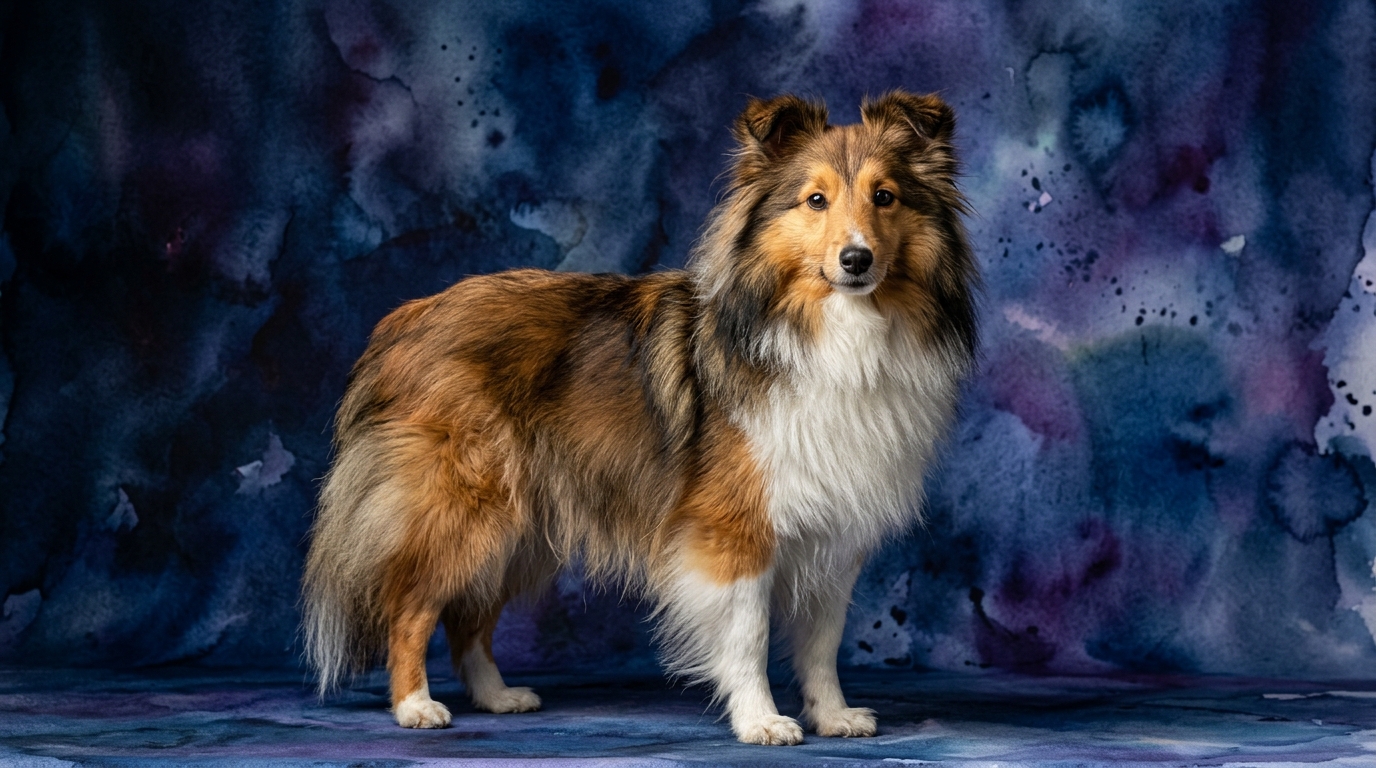
The Cosmic Pet Pet IQ Lab provides a granular view of canine intelligence, moving beyond simple rankings to assess specific cognitive dimensions. For the Shetland Sheepdog, a breed originating from the rugged Scottish Isles, these dimensions reflect a history of working closely with humans and livestock. Their Problem Solving is rated 4/5, indicating a strong capacity for independent thought and navigating complex situations. Training Speed stands at an impressive 5/5, showcasing an exceptional ability to grasp new commands and routines quickly. Social Intelligence is 4/5, meaning they are adept at understanding human cues and forming strong bonds, though their focus might be more task-oriented than purely social. Instinctive Drive is a perfect 5/5, reflecting their powerful herding impulses and innate motivation for activity. Finally, their Memory is also 5/5, demonstrating an excellent ability to retain learned information and experiences over time.
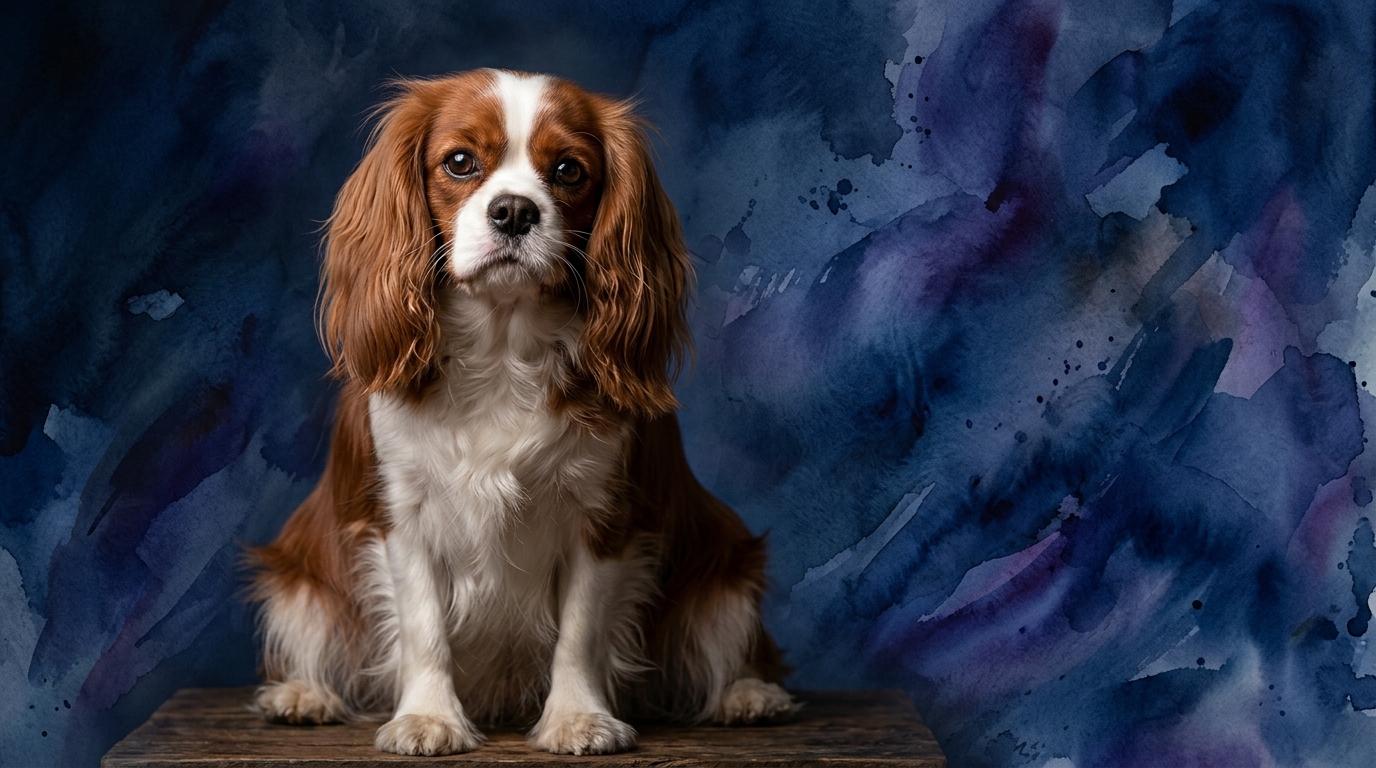
In contrast, the Cavalier King Charles Spaniel, a breed steeped in royal companionship, presents a different cognitive landscape. Their Problem Solving is rated 3/5, suggesting they can navigate daily challenges but may not exhibit the same strategic depth as a working breed; their cleverness often manifests in social contexts. Training Speed is 3/5, indicating a moderate pace of learning that benefits from patience and positive reinforcement. Where the Cavalier truly shines is in Social Intelligence, earning a 5/5 for their profound understanding of human emotions, body language, and social dynamics, making them unparalleled companions. Their Instinctive Drive is 3/5, with their primary drive being companionship rather than a strong urge to perform independent tasks. Their Memory is also 3/5, sufficient for routines and familiar commands, but perhaps less tenacious for complex, infrequent sequences compared to a working breed.
Where the Shetland Sheepdog Excels Cognitively
The Shetland Sheepdog's cognitive strengths are deeply rooted in their heritage as a working herding dog, which explains their Coren ranking of #6 among dog breeds for working and obedience intelligence. Their 4/5 Problem Solving capability means they are not just followers but thinkers, capable of assessing situations and making independent decisions, a crucial trait when managing a flock. This translates into an aptitude for intricate puzzle toys, navigating obstacle courses, or even figuring out how to open doors or gates if not properly secured.
The Sheltie's 5/5 Training Speed and 5/5 Memory work synergistically, allowing them to absorb and recall a vast repertoire of commands and complex sequences with remarkable efficiency. An owner can introduce a new trick or a multi-step obedience routine, and a Sheltie will often pick it up in fewer repetitions than many other breeds, retaining it long-term. Their 5/5 Instinctive Drive fuels this learning, as they possess a deep-seated desire to engage and perform tasks, channeling their natural herding energy into focused mental effort. This makes them exceptional candidates for dog sports like agility, competitive obedience, or even advanced trick training where rapid learning and precise execution are paramount.
Where the Cavalier King Charles Spaniel Excels Cognitively
While the Cavalier King Charles Spaniel's Coren ranking of #44 might suggest a lower 'working' intelligence, it's crucial to understand that their cognitive brilliance lies in a different domain: social acumen. Their perfect 5/5 Social Intelligence score is a testament to their profound ability to understand and respond to human emotions and needs. Cavaliers are masters of empathy, often sensing their owner's mood shifts, providing comfort during distress, or subtly encouraging interaction when their person seems lonely. This makes them exceptional therapy dogs, naturally attuned to the emotional states of those around them.
The Cavalier's problem-solving (3/5) and memory (3/5) are frequently employed in a social context; they might not be figuring out complex mechanical puzzles, but they excel at 'solving' social situations. This could involve figuring out the best way to solicit attention, adapting their behavior to different household members, or learning subtle cues that lead to a favorite treat or cuddle session. Their cognitive strengths are geared towards harmonious coexistence and forming deep, intuitive bonds, making them incredibly adaptable and sensitive family members who enrich the emotional landscape of a home.
Trainability: Speed vs. Social Motivation
When considering which breed is 'easier' to train, the answer depends on the owner's definition of ease and their training goals. The Shetland Sheepdog, with its 5/5 Training Speed and 5/5 Memory, is remarkably quick to pick up new commands and retain them. Their 5/5 Instinctive Drive means they often possess an inherent eagerness to work and please, thriving on mental challenges and structured tasks. A Sheltie typically requires fewer repetitions to master a skill and genuinely enjoys the process of learning, making them a joy for owners who want to explore advanced obedience or dog sports. However, their high drive means they also require consistent mental engagement; an under-stimulated Sheltie might channel its problem-solving abilities into undesirable behaviors like excessive barking or 'herding' family members.
The Cavalier King Charles Spaniel, with a 3/5 Training Speed and 3/5 Memory, learns at a more moderate pace. They typically require more patience, repetition, and consistent positive reinforcement to solidify commands. However, their 5/5 Social Intelligence means they are highly motivated by pleasing their human companions and desire close interaction. Training sessions with a Cavalier often need to be kept fun, engaging, and relationship-focused, leveraging their desire for affection and praise. While they may not achieve the same speed or precision in complex obedience routines as a Sheltie, their willingness to cooperate, coupled with their gentle nature, often makes them forgiving and enjoyable partners for basic manners training, especially for owners who prioritize companionship over competitive performance.
Matching Canine Intellect to Lifestyle
The distinct cognitive profiles of the Shetland Sheepdog and the Cavalier King Charles Spaniel naturally align with different owner lifestyles. For active owners seeking a highly engaged and mentally agile canine partner, the Sheltie is an ideal choice. Their 4/5 Problem Solving, coupled with their high Training Speed, Memory, and Instinctive Drive, means they thrive on structured activities that provide a 'job.' This includes participation in dog sports like agility, flyball, or herding trials, as well as extensive daily walks, runs, or hikes that allow them to expend both physical and mental energy. Owners must be prepared to provide consistent training, mental puzzles, and opportunities for purposeful activity to keep a Sheltie content and prevent boredom-induced behaviors.
Conversely, the Cavalier King Charles Spaniel is perfectly suited for more relaxed owners who prioritize companionship and emotional connection. Their unparalleled 5/5 Social Intelligence means their primary need is to be an integral part of the family, sharing in daily life and receiving abundant affection. While they enjoy moderate daily walks and gentle play, their lower Instinctive Drive and Problem Solving scores indicate they don't require the same intense physical or mental stimulation as a working breed. Cavaliers are adaptable to various living situations, including apartments, as long as they receive consistent human interaction and affection. They are content to be a loving lapdog, offering comfort and companionship, making them an excellent choice for individuals or families seeking a devoted, empathetic presence.
The Verdict: When to Choose Each Breed
Choosing between a Shetland Sheepdog and a Cavalier King Charles Spaniel ultimately depends on the specific cognitive partnership an owner seeks and their lifestyle capacity. The Sheltie offers a highly interactive and mentally stimulating experience, perfect for those ready to channel a keen intellect and strong work ethic into structured activities and advanced training.
The Cavalier, on the other hand, provides profound emotional connection and adaptable companionship, making them an excellent choice for owners who prioritize an empathetic, affectionate presence that thrives on close social bonds with moderate activity requirements.
The Verdict
Choose the Shetland Sheepdog if you are an active owner seeking a highly trainable, mentally agile partner for dog sports, complex obedience, or a 'working' companion who thrives on purpose.
Opt for the Cavalier King Charles Spaniel if you desire an exceptionally affectionate, empathetic, and adaptable companion who excels in social interaction and thrives on close family bonds with moderate exercise.
🧠 Find Your Pet's IQ Score
Our Pet IQ Lab assessment covers 25+ tests across 5 cognitive dimensions — personalized to your breed.
Take the Full IQ Test →Frequently Asked Questions
Is the Shetland Sheepdog a good choice for first-time dog owners?
A Sheltie can be a good choice for committed first-time owners who are prepared for their significant training needs and mental stimulation requirements. Their high trainability makes them responsive, but their energy and herding instincts demand consistent engagement.
Do Cavalier King Charles Spaniels require a lot of grooming?
Cavalier King Charles Spaniels have a medium-length coat that benefits from regular brushing several times a week to prevent mats and tangles, particularly around their ears and feathering, making their grooming needs moderate.
Which breed is better with children?
Both breeds can be good with children with proper socialization. Shelties might attempt to 'herd' children due to their instincts, requiring supervision, while Cavaliers are generally more tolerant and gentle, primarily seeking affection and companionship from all family members.