Side-by-Side IQ Profile: Sheltie's Precision vs. Chessie's Tenacity
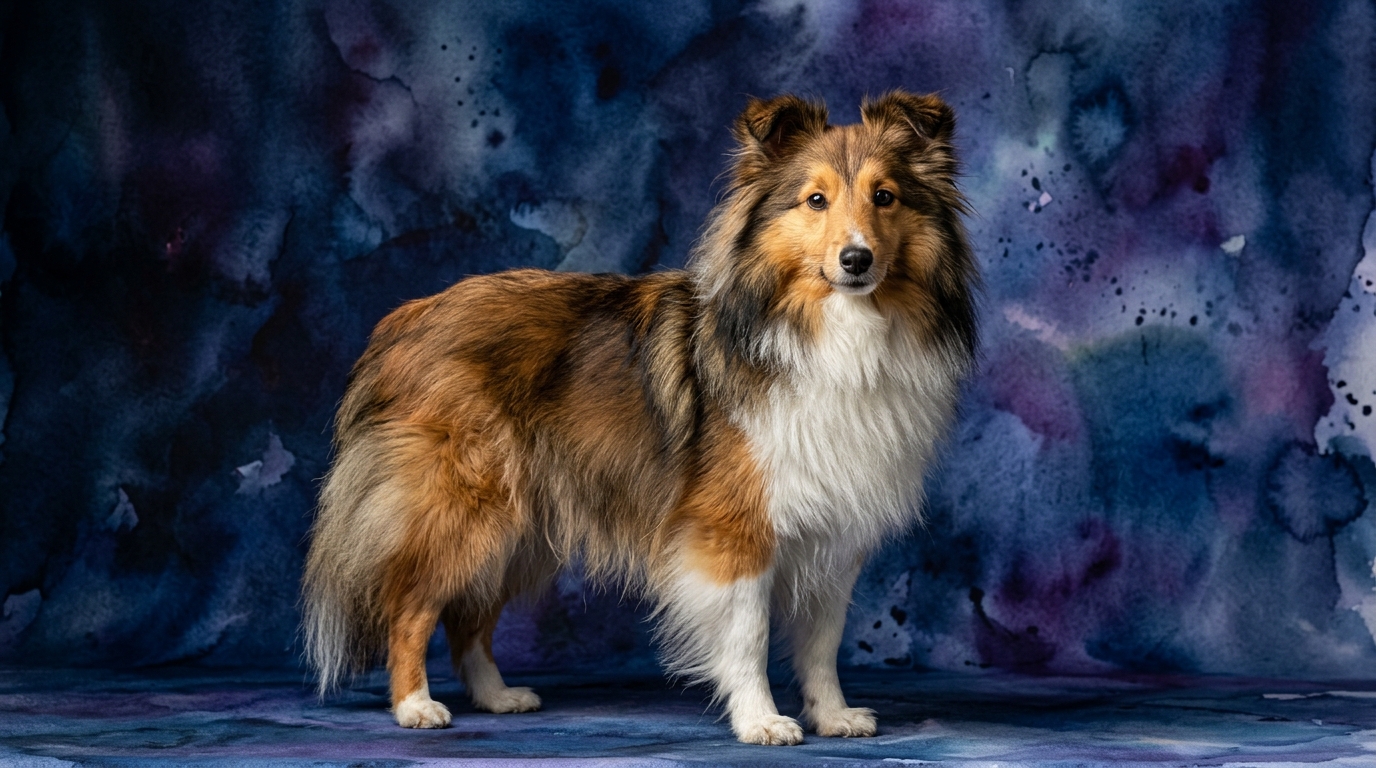
The Shetland Sheepdog, often referred to as a 'miniature Rough Collie,' holds a distinguished Coren rank of #6, placing them among breeds recognized for exceptional working and obedience intelligence. Their problem-solving score of 4/5 indicates a capacity for figuring out novel challenges, often through observation and strategic manipulation, such as navigating complex agility courses or understanding multi-step puzzle toys. Where they truly shine is in training speed, earning a perfect 5/5; these dogs absorb new commands and routines with remarkable alacrity, often requiring minimal repetition due to their eagerness to engage and sharp focus. Their social intelligence, rated 4/5, highlights their deep attunement to human cues, emotions, and family dynamics, fostering a highly responsive partnership. An instinctive drive of 5/5 means their inherent herding impulse is profound, compelling them to organize and manage, even in domestic settings, while their perfect 5/5 memory ensures they retain complex sequences and learned behaviors over extended periods, making them masters of consistency.
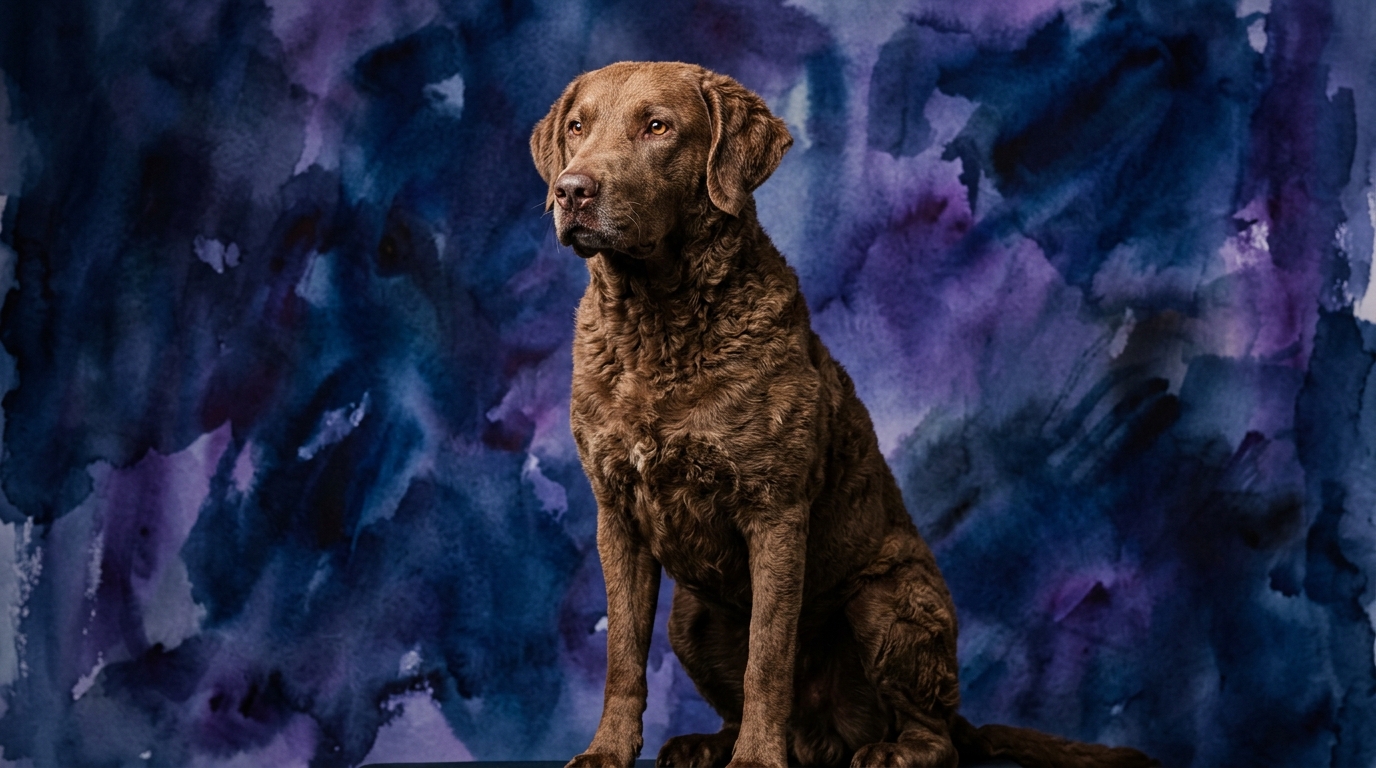
In contrast, the robust Chesapeake Bay Retriever, a breed forged for demanding water retrieval, carries a Coren rank of #27, signifying a substantial, albeit different, form of working intelligence. Their problem-solving score of 4/5, identical to the Sheltie's, manifests less in delicate manipulation and more in determined perseverance; a Chessie will tirelessly strategize how to overcome physical obstacles or locate hidden objects in challenging environments, relying on sheer will and physical prowess. Their training speed of 4/5 indicates efficient learning, though they may require more consistent motivation and repetitions than a Sheltie, owing to their independent spirit. A social intelligence score of 3/5 suggests they are more reserved and task-focused, less inherently driven by subtle human approval and more by the completion of their objective. Their instinctive drive, at 3/5, is powerfully geared towards their retrieving purpose, particularly in water, displaying immense endurance rather than a generalized organizing impulse. Finally, their memory score of 4/5 is robust, enabling them to recall complex routes and commands crucial for their specialized work, though perhaps not with the intricate, sequential recall of a herding breed.
Where the Shetland Sheepdog Excels Cognitively
The Shetland Sheepdog's cognitive strengths are deeply rooted in their herding heritage, emphasizing quick comprehension, precise execution, and strong social connection. Their perfect 5/5 training speed means they grasp new concepts and commands with astonishing rapidity, often anticipating their handler's next move. This makes them exceptional candidates for advanced obedience, agility, and competitive rally, where intricate sequences and rapid transitions are key. Coupled with a 5/5 memory, Shelties can commit vast repertoires of behaviors to long-term recall, allowing them to perform complex routines flawlessly, even after extended breaks.
Furthermore, their 4/5 social intelligence gives them a nuanced understanding of human emotions and intentions. This allows for a highly collaborative partnership, where the Sheltie actively seeks to engage and interpret cues, making them incredibly responsive to subtle commands and changes in their handler's demeanor. Their powerful 5/5 instinctive drive, channeled into purposeful activities, provides a constant motivation to learn and perform, transforming their natural urge to organize and control into an eagerness for structured tasks and mental challenges. This blend of rapid learning, sustained memory, and keen social awareness positions the Sheltie as a canine scholar of cooperation and precision.
Where the Chesapeake Bay Retriever Excels Cognitively
The Chesapeake Bay Retriever's cognitive prowess is a testament to their rugged background, prioritizing independent problem-solving and unwavering perseverance in demanding conditions. While their overall Coren rank is lower, their 4/5 problem-solving score is formidable, manifesting as an ability to independently navigate complex, often physically challenging, environments. This isn't about delicate puzzle-solving but rather about strategic determination: figuring out the best route through dense reeds or icy waters to retrieve game, relying on their own judgment when human guidance is distant or impossible.
Their instinctive drive, while rated 3/5, is intensely focused on their retrieving purpose. This translates into exceptional mental fortitude and resilience, allowing them to persist through discomfort, cold, or exhaustion to complete a task. A Chessie's cognitive strength lies in their ability to maintain focus and drive in the face of adversity, demonstrating a unique blend of physical and mental toughness. Their robust 4/5 memory supports this, enabling them to recall specific locations, terrain features, and learned retrieving patterns crucial for their specialized work, showcasing a different yet equally valuable form of cognitive mastery for a dog whose historical role demanded independent, unwavering resolve.
Ease of Training: Sheltie's Eagerness vs. Chessie's Independence
When it comes to ease of training, the Shetland Sheepdog generally presents a more straightforward path for most owners. Their perfect 5/5 training speed is a significant advantage, meaning they pick up new commands and routines with remarkable alacrity, often requiring fewer repetitions than many other breeds. This rapid comprehension, combined with their 4/5 social intelligence and strong desire to please, makes them highly responsive to positive reinforcement and eager participants in training sessions. Their ingrained herding drive can be readily channeled into structured obedience, agility, or rally, making them exceptionally biddable and cooperative partners who thrive on engaging with their handler.
The Chesapeake Bay Retriever, while possessing solid intelligence, can be more challenging for novice trainers due to their more independent nature and lower social intelligence score of 3/5. Their 4/5 training speed indicates they learn efficiently, but they may require more patience, consistency, and a clear demonstration of the 'why' behind a command. Chessies are often driven more by the task itself rather than an inherent desire to please, which can sometimes be perceived as stubbornness. Effective training for a Chessie involves engaging their working drive, providing clear structure, and building a foundation of respect and trust. Once motivated and committed, their reliability and loyalty are profound, but the initial stages may demand more strategic effort than with a Sheltie.
Lifestyle Compatibility: Active Minds vs. Active Bodies
The Shetland Sheepdog is best suited for owners who can provide consistent mental engagement and structured activities, rather than solely focusing on vigorous physical exercise. While they enjoy physical activity, their profound instinctive drive (5/5) and high cognitive scores demand a 'job' to do, even if it's advanced obedience, trick training, or puzzle toys. Owners who can dedicate time to daily training sessions, participate in dog sports, or simply provide a mentally stimulating environment will find a Sheltie to be a content and well-behaved companion. They can adapt to various living situations as long as their sharp minds are kept busy, making them ideal for active owners who prioritize intellectual partnership.
The Chesapeake Bay Retriever, with its robust build and historical role as a tireless retriever in harsh conditions, requires an owner with an extremely active, outdoors-oriented lifestyle. Their problem-solving (4/5) and instinctive drive (3/5) are geared towards demanding physical tasks and endurance. A 'relaxed owner' who cannot provide ample opportunities for vigorous exercise—such as swimming, long retrieving sessions, hiking, or field work—will likely find a Chessie becoming bored, restless, and potentially destructive. This breed thrives with owners who enjoy spending significant time outdoors, participating in physically demanding activities, and appreciate a dog that is built for hard work and unwavering perseverance.
The Verdict
If you seek a highly responsive, eager-to-please companion for complex obedience, agility, or rally, and value a dog that thrives on intricate mental challenges and close partnership, the Shetland Sheepdog is an exceptional choice. They excel in environments where quick learning, memory, and social attunement are paramount.
Opt for the Chesapeake Bay Retriever if you lead an extremely active, outdoors-oriented lifestyle and desire a tenacious, independent partner for demanding physical activities like hunting, retrieving sports, or long-distance hiking. They suit owners who appreciate a resilient spirit and are prepared to engage with a dog that values purpose and perseverance.
🧠 Find Your Pet's IQ Score
Our Pet IQ Lab assessment covers 25+ tests across 5 cognitive dimensions — personalized to your breed.
Take the Full IQ Test →Frequently Asked Questions
Do Shetland Sheepdogs bark more than Chesapeake Bay Retrievers?
Shetland Sheepdogs, with their strong herding instincts and role as watchdogs, tend to be more vocal, using barks to alert or express themselves. Chesapeake Bay Retrievers are generally less prone to excessive barking unless bored or untrained, typically being more reserved in their vocalizations.
Can a Chesapeake Bay Retriever excel in agility like a Shetland Sheepdog?
While Chesapeake Bay Retrievers are athletic and can participate in agility, Shetland Sheepdogs typically excel due to their superior training speed, memory for complex sequences, and inherent biddability. Chessies might find the rapid, intricate movements and constant handler interaction less aligned with their natural retrieving drive and independent working style.
Which breed is better with children?
Both breeds can be good with children, but their approaches differ. Shetland Sheepdogs, with their higher social intelligence and desire to be part of the family, are often gentle and watchful companions, though their herding instinct might lead to nipping at heels if not managed. Chesapeake Bay Retrievers can be devoted but might be more reserved initially and require careful socialization due to their independent nature and powerful build, making supervision essential.