Side-by-Side Cognitive Profiles
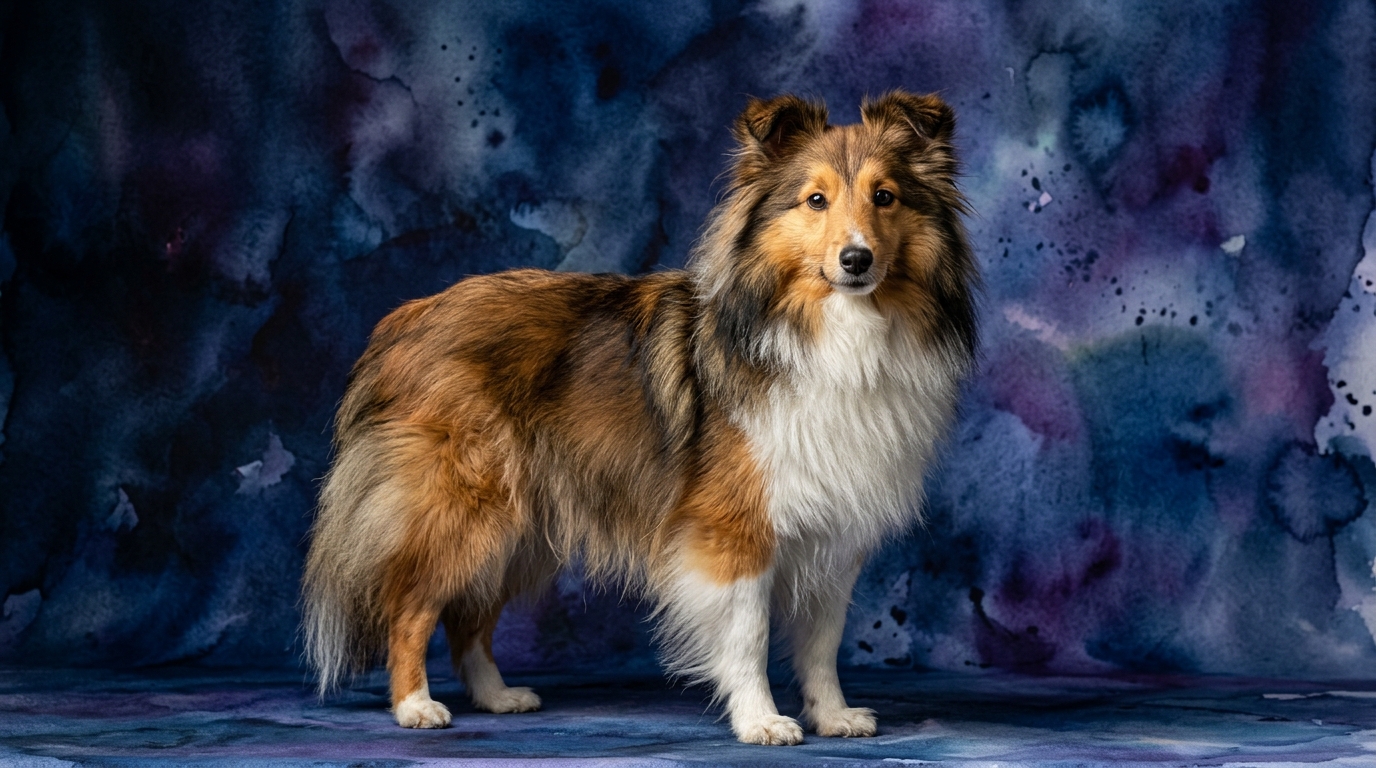
The Cosmic Pet IQ Lab provides a detailed framework for understanding canine intelligence, evaluating breeds across five crucial dimensions alongside their Coren ranking, which gauges working and obedience intelligence. For the Shetland Sheepdog, a Coren rank of #6 places them among breeds that typically grasp new commands in fewer than five repetitions, obeying the first command over 95% of the time. Their Problem Solving score of 4/5 indicates a strong capacity to navigate complex situations and adapt strategies. A perfect 5/5 in Training Speed highlights exceptional eagerness to learn and retain new behaviors quickly. Their Social Intelligence at 4/5 reflects a keen awareness of human cues and emotions, fostering deep connection. An Instinctive Drive of 5/5 points to a powerful inherent motivation for tasks, while a 5/5 Memory ensures excellent recall over time.
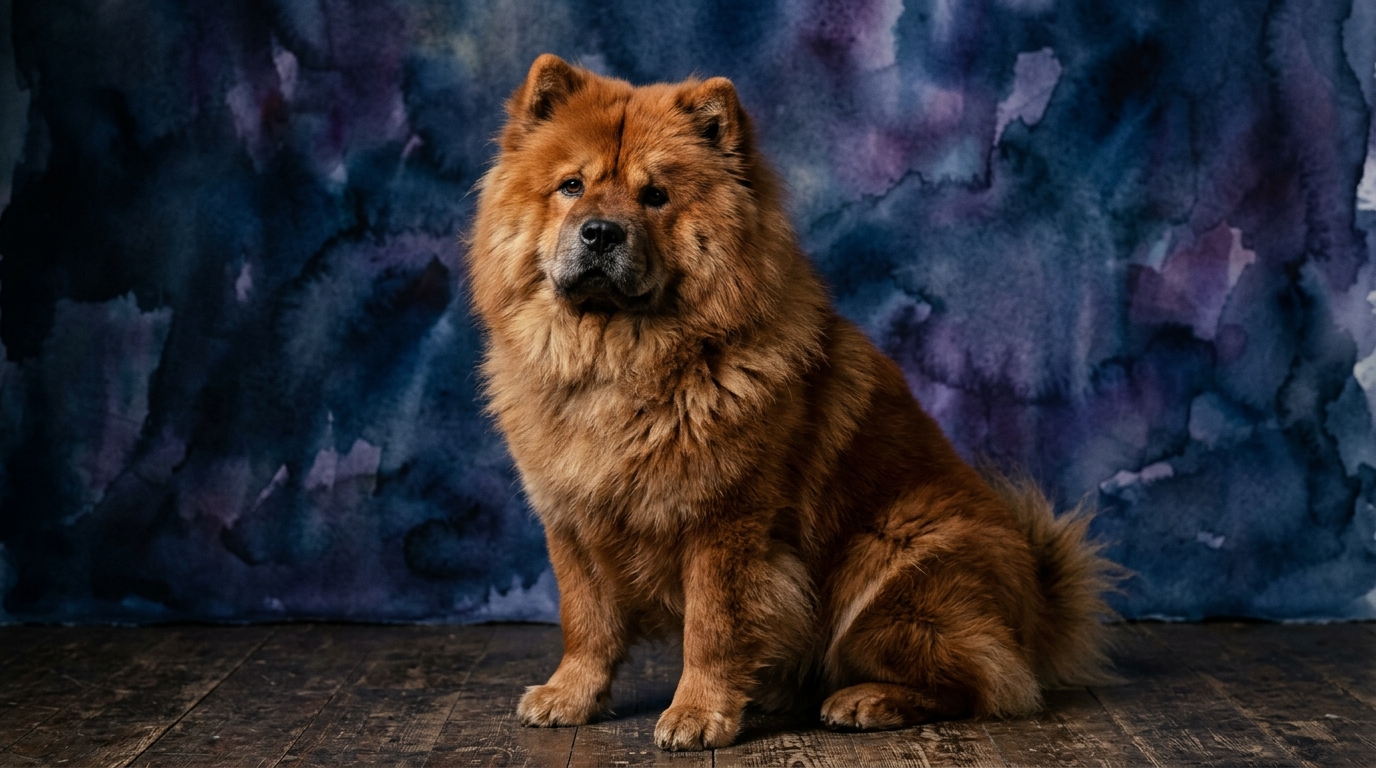
In contrast, the Chow Chow holds a Coren rank of #76, placing them in a category where breeds often require 40-80 repetitions to understand new commands and obey the first command 25% of the time or less, indicating a more independent learning style. Their Problem Solving score of 3/5 suggests an adequate ability to tackle challenges, but perhaps with less spontaneity or persistence. A 3/5 in Training Speed means they learn new commands at a moderate pace, requiring more patience and consistency. Social Intelligence at 3/5 reflects a more reserved approach to interaction, where they understand cues but respond based on their own inclination. Their Instinctive Drive of 3/5 indicates moderate internal motivation for task performance, often focused on guarding rather than complex work. Finally, a 3/5 Memory implies a reasonable capacity for recall, though consistent reinforcement is key.
Where the Shetland Sheepdog Excels Cognitively
The Shetland Sheepdog's cognitive strengths are evident across almost every metric, a clear reflection of their heritage as agile, responsive herding dogs. Their Coren rank of #6 signifies rapid command acquisition and high compliance, making them remarkably adept at intricate training from obedience to agility. A Problem Solving score of 4/5 means they actively analyze situations, capable of independent thought when faced with novel obstacles, such as figuring out how to retrieve a toy from a tricky spot or navigating a new environment. The perfect 5/5 in Training Speed highlights their exceptional capacity to absorb and retain information swiftly, making training sessions highly productive. Complementing this is their 5/5 Memory, ensuring that once a command or concept is learned, it remains firmly embedded. Furthermore, their 4/5 Social Intelligence allows them to keenly interpret human emotions and intentions, fostering a deep, empathetic bond and enabling them to adapt their behavior to various social contexts. This blend of quick learning, strong recall, and perceptive social awareness makes the Shetland Sheepdog a profoundly adaptable and communicative companion.
Where the Chow Chow's Cognitive Style Shines
While the Chow Chow's cognitive profile, with its Coren rank of #76 and consistent 3/5 scores, presents a different set of attributes, their unique characteristics are highly valued by specific owners. These scores are not indicative of a lack of mental capacity, but rather a distinct cognitive style rooted in their ancient guardian role. Where a Sheltie thrives on collaboration and rapid learning, a Chow Chow’s intelligence manifests in its self-possession and discernment. Their moderate Problem Solving ability means they are not easily flustered by minor changes and navigate their world with a calm, deliberate approach, often relying on their own judgment rather than constant human direction. The 3/5 in Social Intelligence translates to a dignified aloofness; they are observant and understand social cues, but they choose their interactions carefully, offering profound loyalty to their inner circle without demanding constant engagement. This independence, born from a moderate Instinctive Drive, makes them self-sufficient companions who are content to observe and guard. For owners who value a dog with a quiet, contemplative presence and a strong sense of self, the Chow Chow's unique cognitive makeup provides a steadfast and unpretentious companionship that requires less active management and more mutual respect.
Training Ease: Sheltie vs. Chow Chow
The difference in training ease between these two breeds is substantial, directly linked to their respective cognitive profiles and historical purposes. The Shetland Sheepdog's perfect 5/5 Training Speed means they are exceptionally receptive to instruction, absorbing new commands and behaviors with remarkable alacrity. This rapid learning curve is amplified by their 4/5 Social Intelligence, which makes them highly attuned to human cues and eager to please, making them natural partners in the training process. Their 5/5 Instinctive Drive further fuels this ease, providing an innate desire to work and engage, finding satisfaction in mastering new tasks. This drive, coupled with their excellent 5/5 Memory, ensures that once a lesson is learned, it is retained, building a strong foundation for progressive training.
In contrast, the Chow Chow’s 3/5 Training Speed indicates a much slower learning pace, requiring extensive patience, consistent repetition, and often a more creative approach to motivation. Their 3/5 Social Intelligence means they are less inclined to automatically seek human approval or direction, preferring to make their own choices. This independence can be misinterpreted as stubbornness, but it is a reflection of their self-reliant nature. Their moderate 3/5 Instinctive Drive means they aren't inherently driven to perform complex tasks on command; their motivations are often internal, centered on guarding or personal comfort. Training a Chow Chow is certainly possible, but it demands a deep understanding of their unique temperament, a commitment to positive reinforcement, and a recognition that progress will be gradual and often on their terms.
Active vs. Relaxed Lifestyles
The choice between a Shetland Sheepdog and a Chow Chow also hinges significantly on an owner's lifestyle and their preferred level of daily engagement. The Shetland Sheepdog, with its impressive 5/5 Instinctive Drive and a history as a working herding dog, thrives with active owners who can provide consistent mental and physical stimulation. Their high Problem Solving score (4/5) and need for engagement mean they require more than just a walk around the block; they excel in activities like agility, obedience trials, herding games, or even canine freestyle. Owners who enjoy teaching new tricks, participating in dog sports, or simply having a highly interactive companion will find the Sheltie's cognitive makeup perfectly aligned with their active lifestyle. They are dogs that enjoy having a 'job' and will become bored and potentially destructive if their cognitive needs are not met.
Conversely, the Chow Chow is a much better fit for relaxed owners who appreciate a more independent and less demanding canine presence. Their moderate 3/5 Instinctive Drive means they are generally content with moderate exercise, such as daily walks, and do not possess the same inherent need for constant tasking or strenuous activity. While they benefit from mental engagement, their 3/5 Problem Solving and Social Intelligence scores suggest they are less likely to seek out intense, collaborative problem-solving games. They are often described as cat-like in their independence, happy to observe their surroundings and enjoy quiet companionship. Owners who value a dignified, self-possessed dog that doesn't constantly demand attention or complex interaction will find the Chow Chow's temperament and cognitive style more suitable for a calmer, less active household.
The Verdict
For those seeking a highly trainable, eager-to-please, and profoundly communicative companion for an active, engaging lifestyle, the Shetland Sheepdog is an unparalleled choice.
If you value a dignified, independent, and self-sufficient dog that offers calm companionship without constant demands, the Chow Chow will be a rewarding addition to a more relaxed household.
🧠 Find Your Pet's IQ Score
Our Pet IQ Lab assessment covers 25+ tests across 5 cognitive dimensions — personalized to your breed.
Take the Full IQ Test →Frequently Asked Questions
Is a Chow Chow difficult to live with due to its lower intelligence scores?
Not at all. A Chow Chow's scores reflect a different cognitive style, emphasizing independence and discernment, not a lack of capacity. They thrive with owners who appreciate their self-reliant nature and are patient with their training pace, offering loyal, calm companionship.
Do Shetland Sheepdogs require a lot of mental exercise?
Absolutely. With their high scores in Problem Solving, Instinctive Drive, and Memory, Shetland Sheepdogs have a strong need for mental stimulation. Daily training, puzzle toys, and engaging activities are crucial to keep them content and prevent boredom-related behaviors.
Can a Chow Chow be trained for complex tasks?
While a Chow Chow can learn complex tasks, it will require significantly more patience, consistency, and positive reinforcement than with a Shetland Sheepdog. Their training speed and instinctive drive are moderate, meaning they learn at their own pace and are less inherently driven to perform on command.