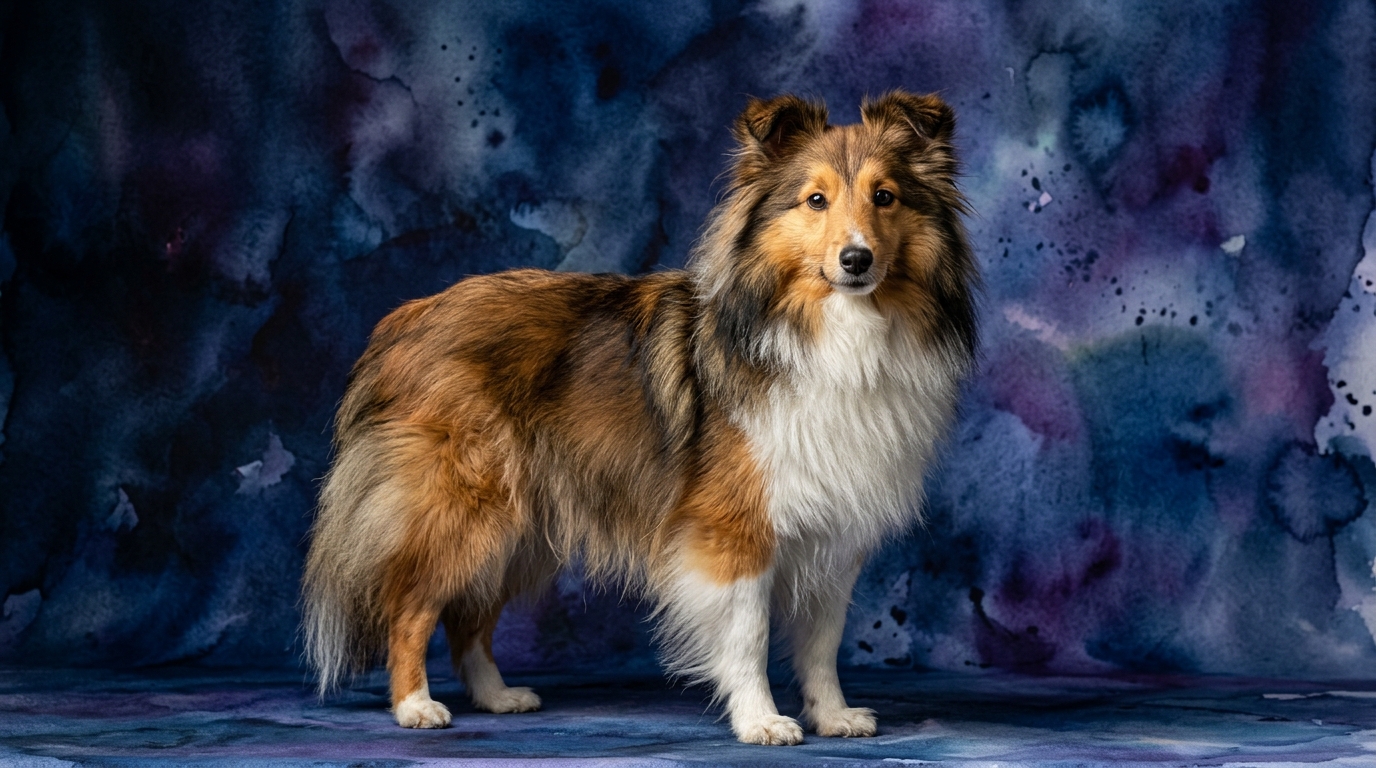
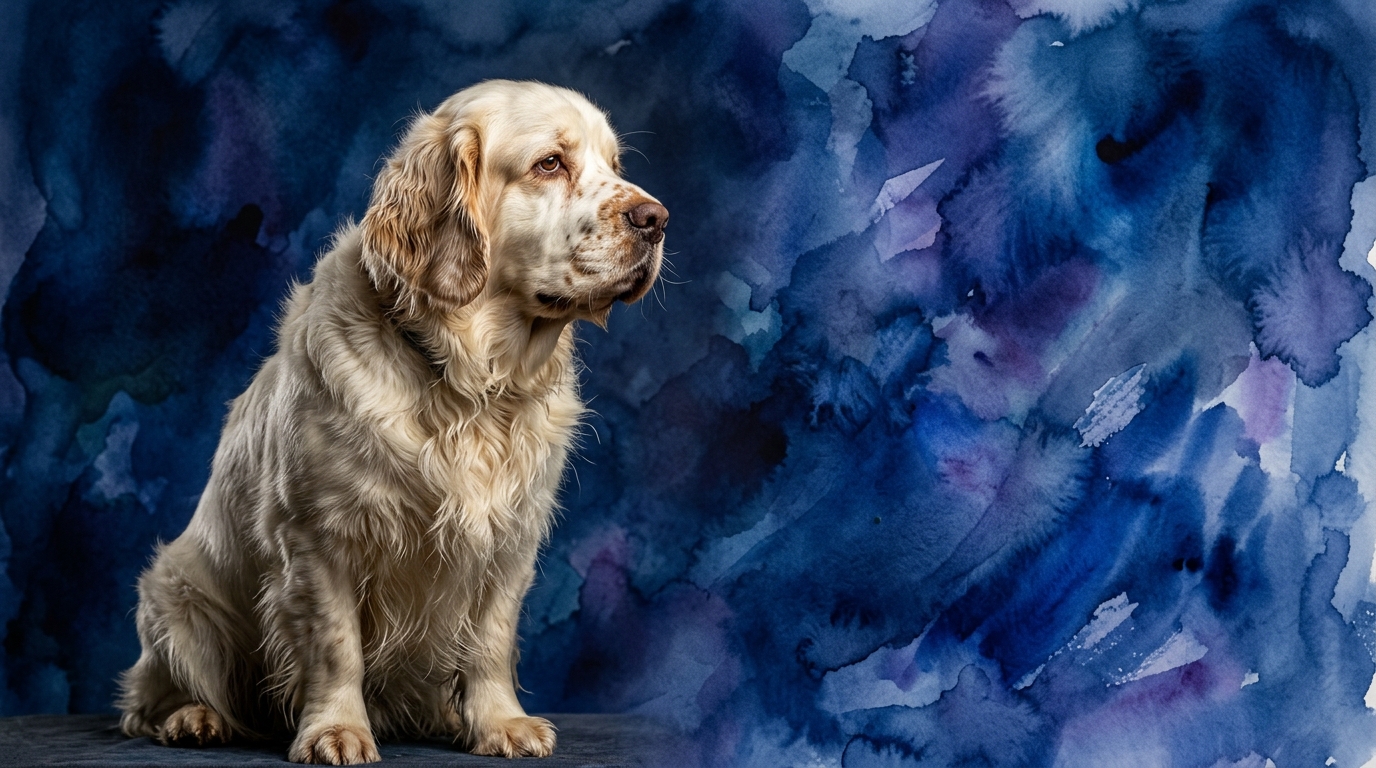
Side-by-Side IQ Profile: Sheltie vs. Clumber
The Shetland Sheepdog, ranking impressively at #6 on Coren's list, exhibits a cognitive profile tailored for dynamic tasks. Their problem-solving ability is rated 4/5, indicating a strong capacity to navigate complex situations and adapt to new challenges. Training speed is a remarkable 5/5, meaning they grasp new commands and concepts with minimal repetition. Social intelligence, at 4/5, reflects their nuanced understanding of human cues and environmental changes, crucial for effective herding. An instinctive drive of 5/5 fuels their desire for purpose and activity, while their 5/5 memory ensures they retain learned behaviors and intricate sequences over time.
In contrast, the Clumber Spaniel, positioned at Coren rank #55, presents a more methodical cognitive blueprint. Their problem-solving ability is 3/5, suggesting a thoughtful, perhaps less immediate, approach to novel obstacles. Training speed also registers 3/5, indicating that they require more consistent repetition and patience to solidify new commands. Social intelligence, at 3/5, points to a calm and steady interaction style rather than a highly reactive one. Their instinctive drive is 3/5, focusing more on scent work and less on high-energy tasks, and their memory, also 3/5, is reliable for established routines and specific scent recognition rather than rapid recall of varied commands.
Where the Shetland Sheepdog Excels Cognitively
The Shetland Sheepdog's cognitive strengths are deeply rooted in their herding heritage, demanding rapid assessment and response. Their exceptional training speed and memory (both 5/5) allow them to master intricate multi-step commands and perform complex sequences with impressive fluency. This quick uptake and retention are evident in their prowess in canine sports like agility and competitive obedience, where they execute precise movements and respond to subtle handler cues almost instantaneously. They not only learn quickly but also generalize learned behaviors to new situations with remarkable ease.
Furthermore, their 4/5 problem-solving and social intelligence, combined with a 5/5 instinctive drive, enable them to anticipate and react effectively to environmental changes and handler intentions. A Sheltie doesn't just follow commands; they often seem to understand the 'why' behind them, demonstrating initiative when a situation calls for it. This makes them adept at tasks requiring independent thought within a structured framework, such as guiding livestock or navigating an obstacle course where a slight misstep requires immediate correction.
Where the Clumber Spaniel Excels Cognitively
While the Shetland Sheepdog thrives on speed and agility, the Clumber Spaniel’s cognitive strengths lie in a different realm: unwavering focus and methodical persistence. Their 3/5 problem-solving isn't about rapid-fire solutions, but rather a determined, systematic approach, particularly in tasks involving scent. A Clumber will meticulously work a scent trail, ignoring distractions, demonstrating a singular dedication that is invaluable in field work or scent detection. This sustained focus is a distinct cognitive advantage when the task requires endurance and thoroughness over speed.
Their social intelligence, rated 3/5, might not be as overtly expressive as some breeds, but it manifests as a calm, steadfast companionship. Clumbers form deep, loyal bonds, and their understanding of their human family is built on consistent interaction and a quiet, reassuring presence. Their lower instinctive drive (3/5) can be a cognitive benefit for owners seeking a companion less prone to intense, high-energy demands, leading to a more relaxed and adaptable temperament in various home environments. This steady nature translates into a predictable and comforting presence, a specific cognitive win for certain lifestyles.
Which is Easier to Train and Why?
Based on our IQ metrics, the Shetland Sheepdog is demonstrably easier and faster to train for a wide array of tasks. Their 5/5 training speed means they often grasp a new command in just a few repetitions, and their 5/5 memory ensures that once learned, these commands are retained reliably. This eagerness to engage and their strong instinctive drive (5/5) make them highly responsive to positive reinforcement, often showing a keen desire to please their handler. They thrive on having a 'job' and quickly learn complex sequences, making them ideal candidates for advanced obedience, agility, and competitive dog sports.
The Clumber Spaniel, with a 3/5 rating in both training speed and memory, requires a more patient and consistent approach. They will certainly learn, but it will take more repetitions and a longer period to solidify new behaviors. Their training journey is characterized by steady progress rather than rapid leaps. While they may not pick up new tricks as quickly as a Sheltie, their calm demeanor and lower instinctive drive (3/5) mean they are less likely to become overstimulated or easily distracted during training sessions. Success with a Clumber relies on clear, consistent communication and positive reinforcement, building reliable habits over time through gentle, persistent guidance.
Suited for Active vs. Relaxed Owners
The Shetland Sheepdog, with its high cognitive scores across the board and a 5/5 instinctive drive, is an ideal match for active owners. These individuals thrive in environments where their intelligence is consistently challenged through activities like agility, obedience trials, herding, or even complex trick training. They require significant mental stimulation and physical exercise daily to channel their keen minds and abundant energy constructively. Owners who enjoy long, engaging walks, interactive games, and structured training will find a Sheltie to be an incredibly rewarding and responsive partner, eager to learn and participate.
Conversely, the Clumber Spaniel, with its more moderate cognitive demands and 3/5 instinctive drive, is better suited for relaxed owners. While they certainly enjoy daily walks and opportunities for scent work, their need for intense physical and mental exertion is significantly lower than that of a Sheltie. A Clumber is often content to lounge quietly after a moderate stroll, bringing a calm and steady presence to the home. Owners seeking a devoted companion who is happy with a predictable routine and less demanding activity levels will find the Clumber Spaniel to be a perfect, placid fit.
The Verdict
Choose the Shetland Sheepdog if you are an active owner seeking a highly trainable, quick-witted partner for dog sports, advanced training, and constant mental engagement.
Opt for the Clumber Spaniel if you prefer a calm, steady companion, are prepared for patient, consistent training, and enjoy a more relaxed lifestyle with a devoted, less intensely driven dog.
🧠 Find Your Pet's IQ Score
Our Pet IQ Lab assessment covers 25+ tests across 5 cognitive dimensions — personalized to your breed.
Take the Full IQ Test →Frequently Asked Questions
Do Shetland Sheepdogs need a lot of mental stimulation?
Yes, with a problem-solving score of 4/5 and high instinctive drive, Shetland Sheepdogs thrive on mental challenges. Providing puzzle toys, training sessions, and varied activities prevents boredom and channels their keen intellect constructively.
Are Clumber Spaniels difficult to train due to their lower Coren rank?
Clumber Spaniels, with a Coren rank of 55, simply require a more patient and consistent training approach than some faster-learning breeds. Their steady nature means they respond well to positive reinforcement and repetition, building reliable habits over time.
Which breed is better for a first-time dog owner?
For a first-time owner, the Clumber Spaniel's calmer demeanor and lower cognitive demands might be less overwhelming, provided the owner is committed to consistent, gentle training. A Shetland Sheepdog's quick wit and intense needs could be more challenging for someone new to dog ownership.