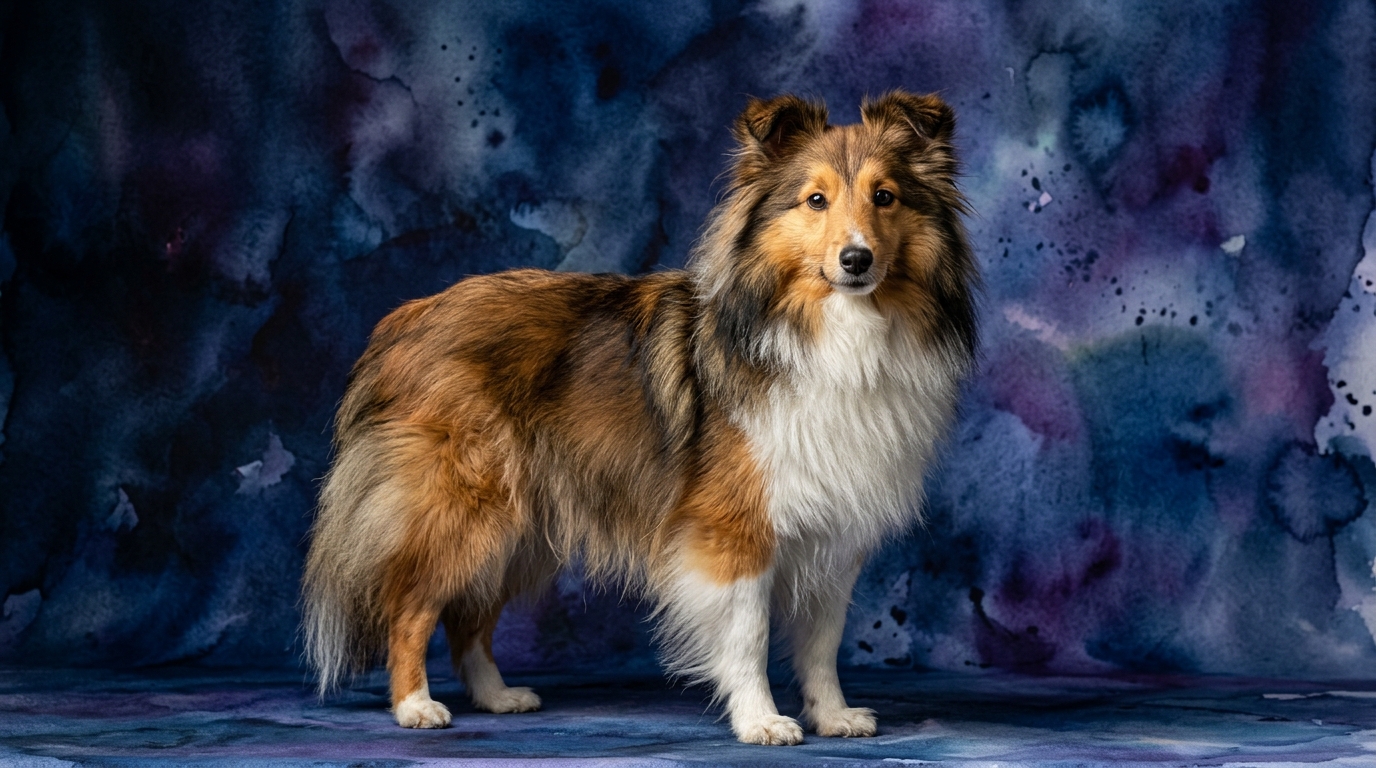
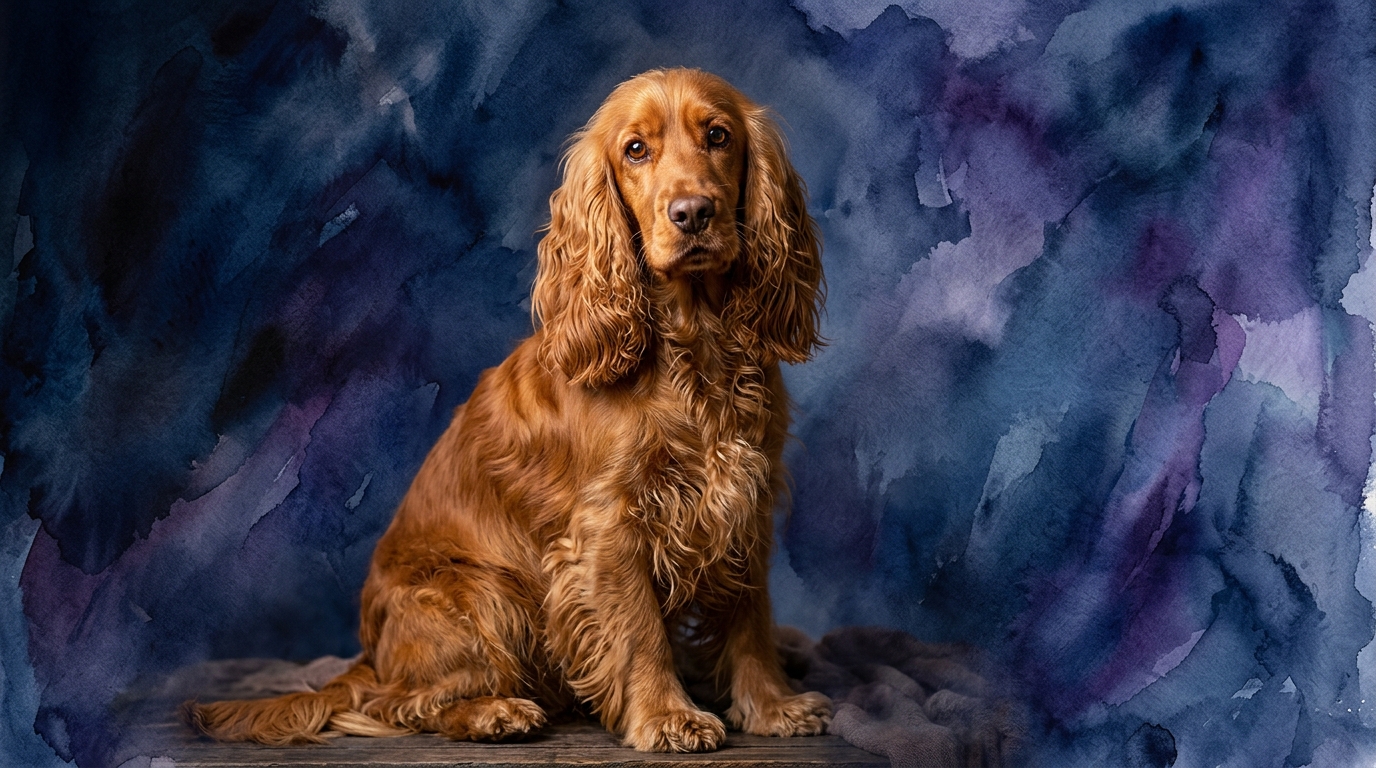
Side-by-Side IQ Profile
Shetland Sheepdog (Herding, Coren Rank #6): This breed demonstrates robust cognitive abilities across the board, reflecting their heritage as intelligent, adaptable herding dogs. Their Problem Solving is rated 4/5, indicating a strong capacity for independent thought and effective navigation of novel situations, such as figuring out how to bypass an obstacle or understanding multi-step tasks. Training Speed is an exceptional 5/5, showcasing their remarkable quick grasp of commands and routines, often requiring very few repetitions to master a new skill. Social Intelligence, at 4/5, suggests a strong understanding of human cues and a desire to cooperate, though perhaps with a more task-oriented focus than some other breeds. Instinctive Drive scores a perfect 5/5, revealing a powerful intrinsic motivation for purposeful activity and a natural inclination to engage with work, often seen in their enthusiasm for dog sports or learning new tricks. Finally, their Memory is also 5/5, allowing them to retain complex information, command sequences, and even specific routines over extended periods, making them reliable partners.
Cocker Spaniel (Sporting, Coren Rank #20): The Cocker Spaniel presents a profile emphasizing connection, emotional responsiveness, and a keen desire to interact. Their Problem Solving ability is rated 3/5, indicating a solid capacity to learn and adapt to new situations, though they might rely more on learned patterns than abstract reasoning in complex scenarios. Training Speed is a commendable 4/5, meaning they learn new tasks efficiently and respond well to consistent instruction. Where they truly shine is in Social Intelligence, earning a 5/5, highlighting their exceptional attunement to human emotions, intentions, and subtle communication signals. This makes them incredibly empathetic companions. Instinctive Drive, at 4/5, points to a strong motivation for activity, particularly those involving scent work, retrieving, or playful interaction, but this drive is often deeply interwoven with their desire for human companionship and shared experiences. Their Memory is rated 4/5, allowing for good retention of learned behaviors, routines, and the ability to recall specific people or places.
Where Shetland Sheepdog Wins Cognitively
The Shetland Sheepdog's cognitive edge is evident in several key areas that underscore their working dog background. Their 4/5 Problem Solving score, compared to the Cocker Spaniel's 3/5, suggests a greater aptitude for independently analyzing and navigating complex environments or figuring out novel challenges without constant human direction. For instance, a Sheltie might more quickly discern how to manipulate a latch or bypass a barrier. The Sheltie's superior 5/5 Training Speed means they typically acquire new commands and behaviors with fewer repetitions, making the progression to advanced obedience or intricate dog sports remarkably swift. This rapid learning is synergized with their 5/5 Memory, which ensures that once a lesson is learned, it is retained for the long term, reducing the need for constant review and allowing for the building of vast repertoires of skills. Furthermore, the Sheltie's 5/5 Instinctive Drive translates into a profound internal motivation for engagement and work, often making them eager participants in structured activities and less reliant on external motivators once a task is understood. This combination of traits positions them to excel in roles requiring sustained focus, intricate task performance, and a willingness to independently execute learned behaviors.
Where Cocker Spaniel Wins Cognitively
The Cocker Spaniel's distinct cognitive strength lies overwhelmingly in their Social Intelligence, earning a perfect 5/5 compared to the Sheltie's 4/5. This exceptional capacity means they possess a finely tuned ability to read and respond to human emotions, body language, and vocal inflections with remarkable accuracy. A Cocker Spaniel is often acutely aware of their owner's mood, offering gentle comfort during distress or initiating playful interaction during moments of joy, demonstrating a deep empathetic understanding. This profound attunement fosters a powerful, reciprocal bond, making them incredibly responsive companions who thrive on mutual understanding and affection. Their social acumen also translates into an eagerness to please that is rooted in connection rather than purely task completion; they want to cooperate because it strengthens their relationship with their beloved humans. While the Sheltie's training speed is higher, the Cocker's superior social intelligence ensures they are highly motivated by positive interaction, praise, and the sheer joy of shared activity with their family, making them remarkably cooperative and emotionally present partners in daily life and training when approached with warmth and consistency.
Which is Easier to Train and Why
Based on their specific IQ profiles, the Shetland Sheepdog generally presents as the easier breed to train, particularly for complex or varied tasks. Their 5/5 Training Speed means they grasp new commands exceptionally quickly, often requiring significantly fewer repetitions than the Cocker Spaniel's still commendable 4/5. This rapid acquisition is further bolstered by the Sheltie's 5/5 Memory, allowing them to retain learned behaviors over long periods, making complex sequences and advanced multi-step tasks more achievable. The Sheltie's 5/5 Instinctive Drive provides an intrinsic motivation for work and learning; they often approach training sessions with enthusiasm and focus, eager to engage with challenges and tasks for their own sake. Their herding background also predisposes them to respond readily to direction and structure, seeing their handler as a clear guide in a collaborative effort. While Cocker Spaniels learn well (4/5 Training Speed) and are eager to please, their primary driver is often social connection (5/5 Social Intelligence). This means that while they are highly trainable, their responsiveness in training might be more dependent on the emotional bond and consistent positive reinforcement from their handler, whereas a Sheltie's drive often comes from the inherent satisfaction of performing the task itself. A Cocker might be more prone to distraction if they perceive a lack of engagement or connection, whereas a Sheltie's focus is often more task-oriented.
Which Suits Active Owners vs Relaxed Owners
The cognitive profiles provide clear indicators for owner compatibility and lifestyle. The Shetland Sheepdog, with its 5/5 Instinctive Drive, 4/5 Problem Solving, and 5/5 Memory, is best suited for active owners who can provide ample mental and physical engagement. These dogs thrive when given a "job" or purpose, whether it's through demanding dog sports like agility, obedience, rally, or even participation in herding activities. Their inherent energy levels and profound need for cognitive stimulation mean they require more than just daily walks; they benefit immensely from structured training, interactive puzzle toys, and consistent opportunities to learn new skills and solve problems. A less active or mentally engaging environment could easily lead to boredom, frustration, and potentially the development of undesirable behaviors as they seek outlets for their considerable intellect and drive. The Cocker Spaniel, while still a sporting breed with a 4/5 Instinctive Drive for activity, possesses a 5/5 Social Intelligence that makes them highly adaptable to various lifestyles. They certainly enjoy regular exercise and interactive play, but their primary need is often close companionship and consistent human interaction. They can be content with daily walks, playtime in the yard, and ample cuddle time, making them a good fit for owners who are active in their daily routines but might not necessarily be seeking a dog for competitive sports. They thrive on being an integral part of the family's activities, whether those are vigorous hikes or relaxed evenings at home, as long as they are included, cherished, and given opportunities for affectionate interaction.
The Verdict
Opt for a Shetland Sheepdog if you are an active owner seeking a highly trainable, intelligent partner for advanced obedience, dog sports, or a working role, who thrives on consistent mental challenges and purposeful activity.
Select a Cocker Spaniel if you prioritize a deeply bonded, emotionally responsive companion who excels in social interaction and forms strong attachments, and who will flourish with regular exercise and abundant affection within a family setting.
🧠 Find Your Pet's IQ Score
Our Pet IQ Lab assessment covers 25+ tests across 5 cognitive dimensions — personalized to your breed.
Take the Full IQ Test →Frequently Asked Questions
How does a Shetland Sheepdog's problem-solving manifest in daily life?
A Sheltie's 4/5 problem-solving often means they can independently figure out how to open gates, retrieve out-of-reach toys, or learn complex routes. They are adept at navigating new environments and quickly understanding the mechanics of puzzle toys, demonstrating strategic thinking.
What does a Cocker Spaniel's 5/5 social intelligence mean for companionship?
A Cocker Spaniel's exceptional social intelligence translates into a profound empathy and attunement to human moods, often offering comfort or initiating play based on subtle cues. They thrive on close emotional bonds and are highly responsive to their family's needs, making them wonderfully sensitive companions.
Are there specific training methods that benefit each breed's cognitive strengths?
For Shetland Sheepdogs, reward-based training emphasizing complex sequences and varied tasks will leverage their high training speed and memory. For Cocker Spaniels, positive reinforcement coupled with strong emotional connection and clear, consistent communication will best harness their social intelligence and eagerness to please.