A Side-by-Side Cognitive Profile
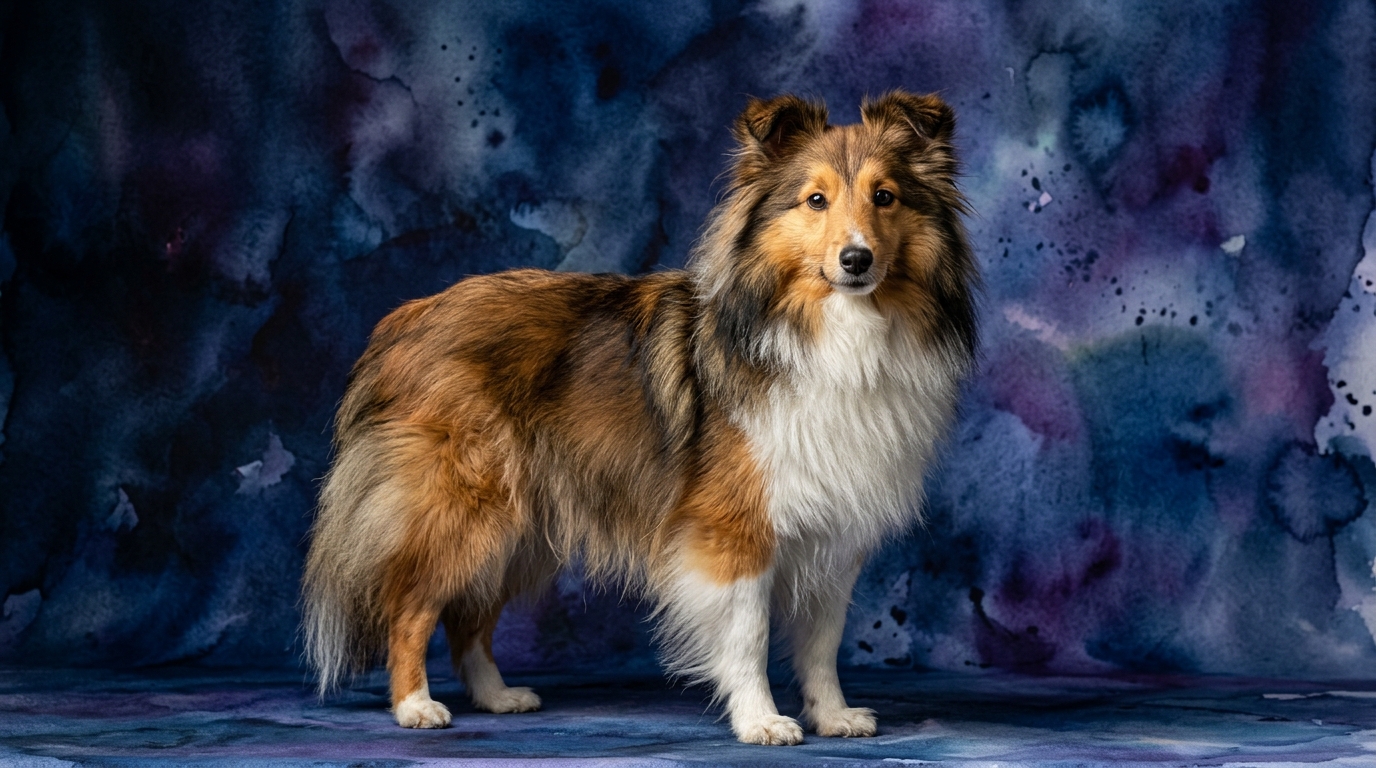
To understand the nuanced intelligence of these two breeds, The Cosmic Pet Pet IQ Lab employs a comprehensive five-dimensional assessment. The Shetland Sheepdog, a member of the Herding group, registers an impressive Coren rank of #6, indicating a profound capacity for understanding and executing commands. Its cognitive breakdown includes a 4/5 for Problem Solving, demonstrating an ability to independently navigate complex situations; a perfect 5/5 for Training Speed, signifying rapid acquisition of new behaviors; a 4/5 for Social Intelligence, showing strong awareness of human cues and emotional states; a 5/5 for Instinctive Drive, reflecting a powerful innate desire to work and herd; and a 5/5 for Memory, indicating exceptional retention of learned information and experiences.
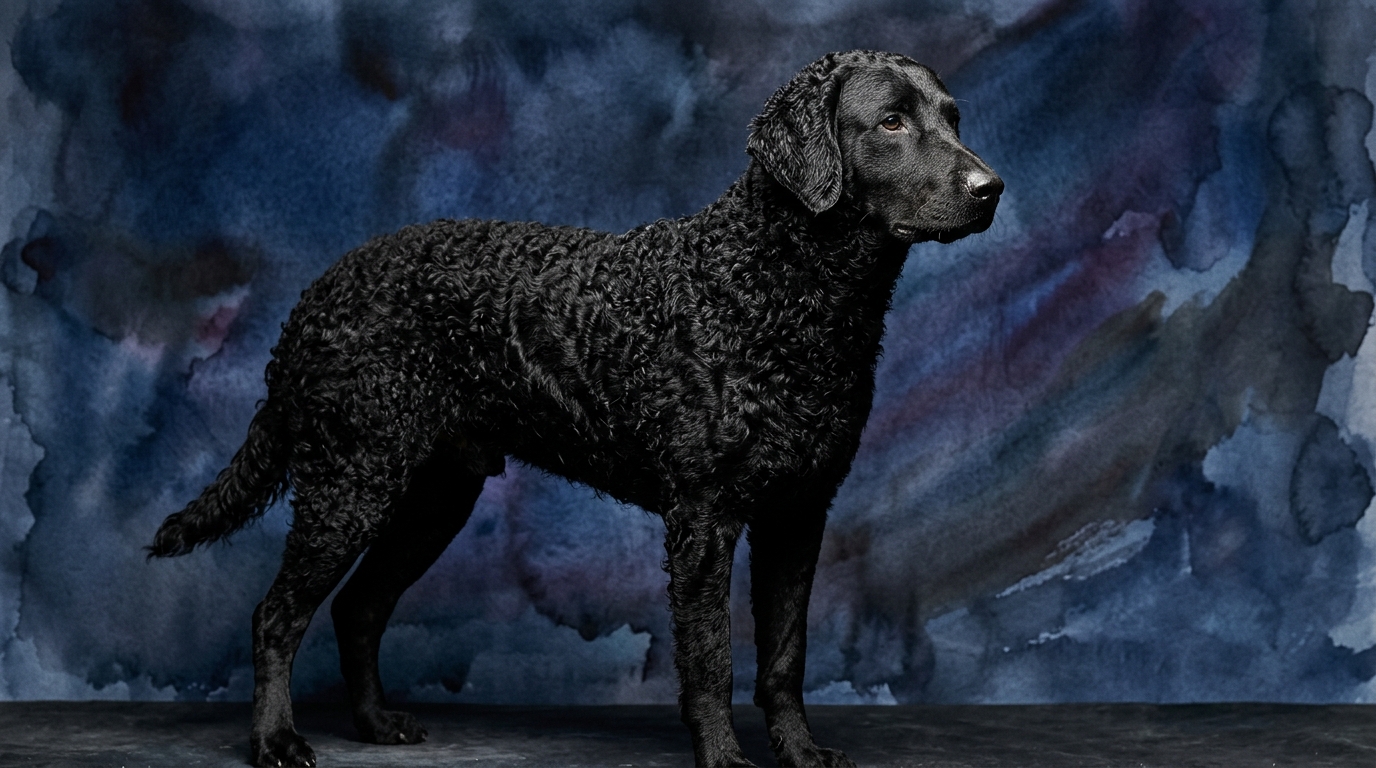
In contrast, the Curly-Coated Retriever, from the Sporting group, holds a Coren rank of #41, positioning it as a capable but more self-reliant learner. Its cognitive scores include a 3/5 for Problem Solving, suggesting it can solve challenges but might require more guidance or trial-and-error; a 3/5 for Training Speed, meaning it learns at a moderate pace, needing consistent repetition; a 3/5 for Social Intelligence, indicating a good but less intense connection to human emotional states compared to the Sheltie; a 3/5 for Instinctive Drive, reflecting a moderate, task-specific motivation rather than a constant urge to work; and a 4/5 for Memory, which is still a strong score, allowing it to remember commands and routines effectively over time.
Where the Shetland Sheepdog Excels Cognitively
The Shetland Sheepdog's cognitive strengths are particularly evident in its rapid learning and deep retention of commands. Its 5/5 Training Speed means a Sheltie can master new cues with minimal repetitions, making them highly receptive to advanced obedience, agility, or trick training. This breed’s 5/5 Memory further reinforces this, ensuring that once a behavior is learned, it is rarely forgotten, contributing to a consistently reliable response even after periods of inactivity. This combination allows for a broad and sophisticated repertoire of behaviors, making them a favorite for competitive dog sports.
Furthermore, the Sheltie's 5/5 Instinctive Drive, rooted in its herding heritage, translates into a profound desire to engage in purposeful tasks. This isn't just about physical activity; it's a mental drive to organize, control, and work alongside a handler. This inherent motivation means they often seek out opportunities for engagement, and when provided with a job, they demonstrate exceptional focus and dedication. Their 4/5 Social Intelligence also enables them to finely tune into human intentions and moods, facilitating a seamless partnership in training and daily life, often anticipating their owner's next move.
Where the Curly-Coated Retriever's Cognitive Style Shines
While the Curly-Coated Retriever's overall scores are lower than the Sheltie's, its cognitive profile offers distinct advantages, particularly for owners seeking a more independent and less intensely driven companion. The Curly's 3/5 Problem Solving capability, while not as quick as the Sheltie's, indicates a dog that can still figure things out, often with a methodical approach that can lead to unique solutions. This breed tends to be less prone to overthinking or becoming overly dependent on human direction for every task, fostering a sense of self-reliance. They might take longer to process, but they often arrive at a practical conclusion on their own terms.
The Curly-Coated Retriever's 4/5 Memory is a notable strength. Despite a moderate Training Speed, once a Curly learns something, it tends to stick. This means that while initial training might require more patience and consistency, the learned behaviors are robust and enduring. Their 3/5 Instinctive Drive, geared towards retrieving, means they are highly motivated for specific tasks like fetch or waterfowl work, but they don't possess the constant, all-encompassing drive for 'work' that a herding dog might. This can translate to a more relaxed demeanor when not actively engaged in their preferred activity, making them less demanding of constant mental stimulation than their Sheltie counterparts.
Training Dynamics: Sheltie's Eagerness vs. Curly's Deliberation
Comparing the ease of training between these two breeds highlights their core behavioral differences. The Shetland Sheepdog, with its 5/5 Training Speed and 5/5 Instinctive Drive, is an exceptionally eager and compliant student. They thrive on learning and positive reinforcement, often picking up new commands in just a few repetitions. Their inherent desire to please and work closely with their handler means they are highly motivated by praise and engagement. Behavioral challenges in Shelties often arise from a lack of mental stimulation, leading to behaviors like excessive barking or neurotic tendencies, as their active minds need an outlet. Their strong social intelligence makes them very responsive to subtle cues from their trainer, creating a highly communicative training partnership.
The Curly-Coated Retriever, conversely, presents a different training experience due to its 3/5 Training Speed and 3/5 Instinctive Drive. While capable, they are often described as more thoughtful and independent. They require patience and consistency, as they may take more repetitions to solidify a command. Curlys are not necessarily stubborn, but they process information differently and might question the utility of a command before complying. Their retrieving drive means they are highly motivated by play and retrieving games, which can be leveraged in training, but they may lack the Sheltie's constant desire for structured activity. Trainers need to make learning engaging and rewarding, focusing on positive reinforcement to build their confidence and willingness to participate. A Curly might be less inclined to perform repetitive tasks without a clear purpose or reward, showcasing a more discerning cognitive approach.
Matching Breeds to Lifestyles: Active vs. Relaxed Owners
The cognitive profiles of the Shetland Sheepdog and Curly-Coated Retriever directly inform their suitability for different owner lifestyles. An active owner who enjoys daily structured activities, dog sports like agility, obedience, or herding, and consistent mental challenges will find the Shetland Sheepdog an ideal partner. The Sheltie’s high problem-solving ability, rapid training speed, and intense instinctive drive mean they require significant mental engagement alongside physical exercise. They thrive on having a 'job' and can become anxious or destructive if under-stimulated. Their social intelligence makes them highly attuned to their family, often preferring to be involved in all household activities, demanding a presence that aligns with an owner consistently seeking interaction.
For owners who appreciate a dog with a good memory and a moderate, focused drive, but prefer a slightly less demanding cognitive partner for day-to-day life, the Curly-Coated Retriever might be a better fit. While still requiring regular exercise, particularly retrieving opportunities, the Curly's more measured instinctive drive and problem-solving approach means they are often content with periods of relaxation after their exercise needs are met. They possess a good memory for routines and commands, which helps in consistent management, but their less intense social intelligence and drive mean they are generally more independent, comfortable relaxing near their owner rather than constantly seeking direction or engagement. This makes them suitable for active owners who also value a degree of canine self-sufficiency and a less 'on-demand' cognitive partner.
The Verdict
Choose the Shetland Sheepdog if you're an active owner seeking a highly responsive, eager-to-please companion for advanced training, dog sports, and constant mental engagement.
Opt for the Curly-Coated Retriever if you appreciate a capable, independent dog with a good memory for established routines, and you're prepared for patient, consistent training and focused retrieving activities.
🧠 Find Your Pet's IQ Score
Our Pet IQ Lab assessment covers 25+ tests across 5 cognitive dimensions — personalized to your breed.
Take the Full IQ Test →Frequently Asked Questions
Is the Shetland Sheepdog a good choice for first-time dog owners?
The Shetland Sheepdog's high training speed and social intelligence make them responsive to guidance, but their intense need for mental stimulation and potential for vocalization require a committed owner. A first-timer willing to dedicate significant time to training and enrichment will find them rewarding, but they are not a 'set it and forget it' breed.
Do Curly-Coated Retrievers require a lot of grooming?
The Curly-Coated Retriever's distinctive coat is relatively low maintenance. It requires minimal brushing, perhaps once or twice a week, and sheds moderately. Regular baths are only needed as necessary, making their grooming needs less intensive compared to many other long-haired breeds.
Which breed is better with children?
Both breeds can be good with children, but their approaches differ. Shetland Sheepdogs, with their strong social intelligence, are often gentle and form close bonds, though their herding instincts might lead to nipping at heels if not managed. Curly-Coated Retrievers are generally good-natured and tolerant, but may be more independent and less inclined to constant interaction, preferring respectful play.