Side-by-Side IQ Profile: Sheltie vs. Dachshund
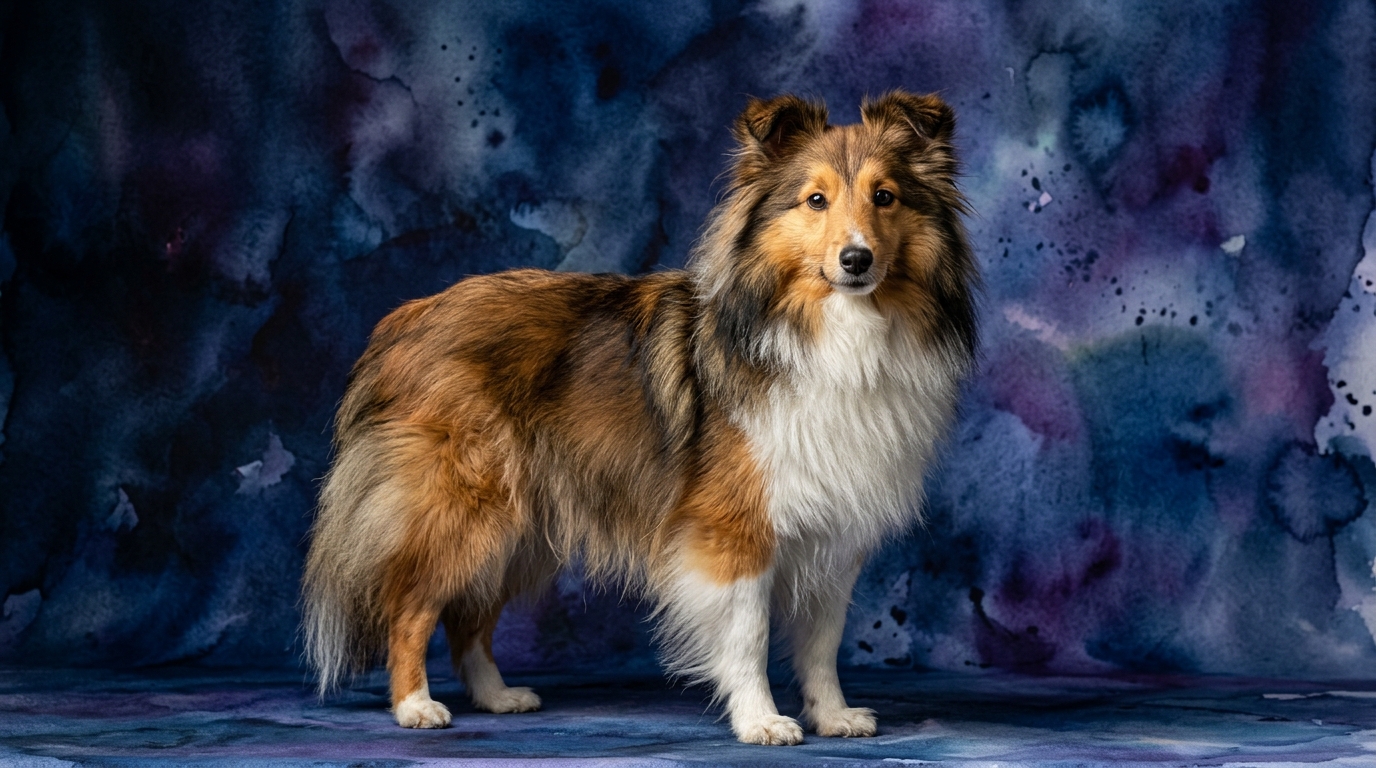
The Cosmic Pet Pet IQ Lab data reveals clear differences in the cognitive makeup of these two breeds, shaped by their historical roles. The Shetland Sheepdog (dog, Herding, Coren rank #6) showcases a formidable cognitive toolkit, honed for complex cooperative work. Their Problem Solving is rated 4/5, indicating a strong capacity to navigate novel challenges and adapt strategies. Training Speed is exceptional at 5/5, reflecting their eagerness to learn and retain commands quickly, a crucial trait for a working dog needing to respond instantly to handler cues. Social Intelligence scores 4/5, highlighting their attunement to human communication and emotional states, vital for seamless partnership. An Instinctive Drive of 5/5 speaks to their deep-seated urge to herd and manage movement, a powerful internal motivator. Finally, their Memory is outstanding at 5/5, allowing them to recall intricate sequences, locations, and past interactions with remarkable fidelity.
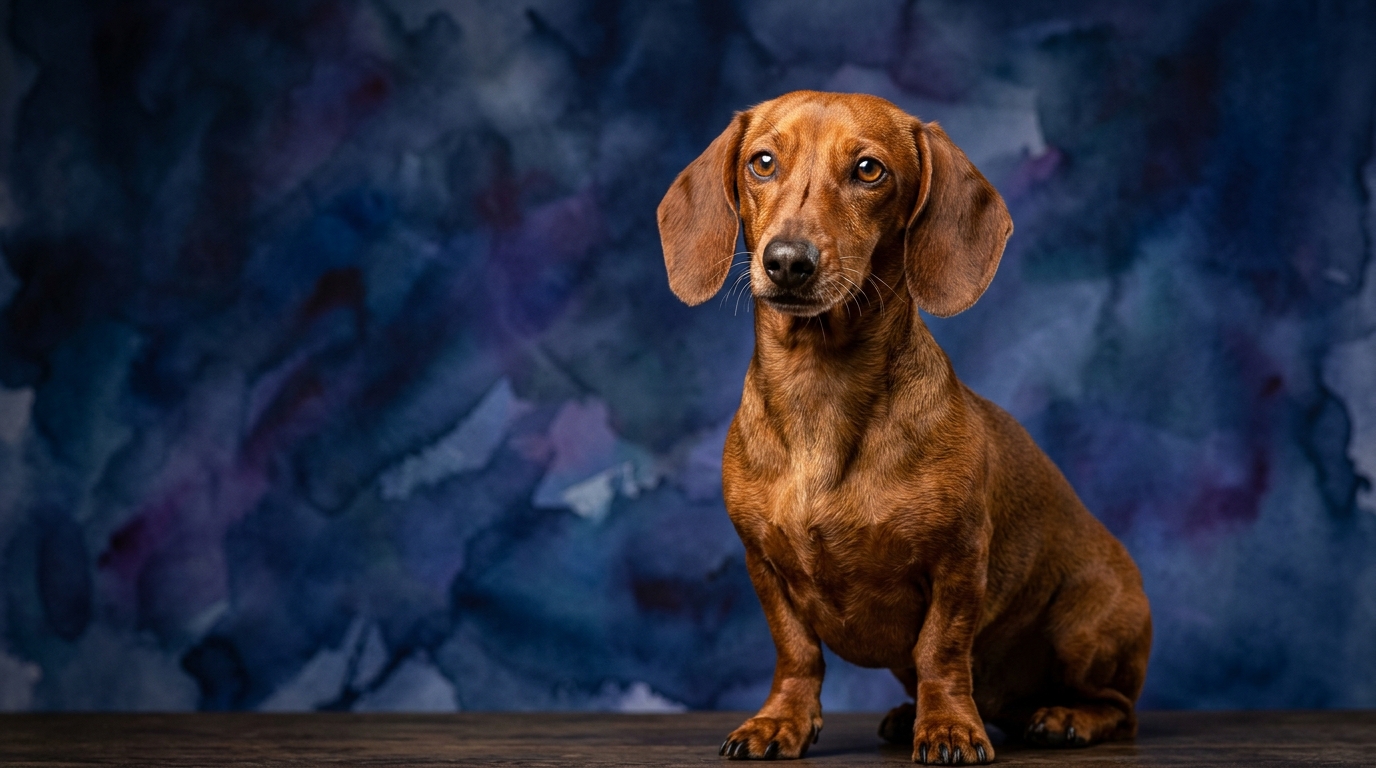
In contrast, the Dachshund (dog, Hound, Coren rank #49) presents a different, yet equally specialized, cognitive profile, rooted in independent hunting. Their Problem Solving capacity matches the Sheltie at 4/5, demonstrating an ability to figure out complex situations, often with a self-directed approach. However, their Training Speed is notably lower at 2/5, suggesting a more independent learning curve and requiring greater repetition. Social Intelligence is rated 3/5, indicating a moderate responsiveness to human social cues, but perhaps less emphasis on cooperative interaction compared to a herding breed. Their Instinctive Drive is a powerful 5/5, reflecting their deep-seated urge to sniff, track, and pursue, often with singular focus. Memory, at 3/5, is adequate for their needs but not as robust for complex sequences or long-term recall as breeds designed for intricate command structures.
Where the Shetland Sheepdog Wins Cognitively
The Shetland Sheepdog's cognitive strengths shine brightest in areas demanding rapid learning, precise recall, and cooperative engagement. Their superior Training Speed (5/5 vs. 2/5) means they grasp new commands and routines with remarkable efficiency, often requiring fewer repetitions to achieve mastery. This swift acquisition of knowledge is directly supported by their exceptional Memory (5/5 vs. 3/5), allowing them to retain vast amounts of information, from complex obedience sequences to the boundaries of their territory or the specific habits of their flock. Furthermore, their higher Social Intelligence (4/5 vs. 3/5) gives them an edge in understanding subtle human cues, emotional states, and intentions, fostering a deeper, more nuanced partnership. This cognitive architecture makes them exceptionally adept at competitive dog sports like agility or obedience, where quick thinking, flawless execution, and tight handler communication are paramount. They excel in environments where structured learning and collaborative tasks are central, demonstrating a keen desire to engage and perform alongside their human companions.
Where the Dachshund Wins Cognitively
While the Dachshund's overall Coren rank is lower, its cognitive profile reveals distinct advantages tailored to its original purpose. The Dachshund shares an impressive Problem Solving score (4/5) with the Sheltie, but this manifests differently; it's often applied with a tenacious, self-directed ingenuity. Where a Sheltie might look to a handler for guidance, a Dachshund is more likely to independently strategize its way through a challenge, whether it's finding a hidden treat or navigating a tricky obstacle course. Their powerful Instinctive Drive (5/5), equal to the Sheltie's, is channeled into relentless pursuit and investigation. This drive isn't just about physical activity; it's a cognitive engine that fuels their determination to follow a scent trail to its conclusion, demonstrating an impressive capacity for sustained focus on a single objective. This unwavering focus, combined with their problem-solving acumen, makes them adept at tasks requiring independent thought and persistence, such as scent work or earthdog trials, where they must rely on their own wits to locate and "work" quarry underground without human intervention. Their cognitive strengths lie in their ability to concentrate intensely on a task, using their senses and wit to overcome obstacles autonomously.
Which is Easier to Train and Why
There is a clear distinction in training ease, with the Shetland Sheepdog being significantly more amenable to instruction. The Sheltie’s Training Speed of 5/5 is a direct reflection of its inherent desire to please and its capacity for rapid learning. They typically pick up new commands with minimal repetition and respond enthusiastically to positive reinforcement, eager to engage in structured activities. This stems from their herding heritage, where precise, immediate responses to handler commands were critical for managing livestock. In contrast, the Dachshund’s Training Speed of 2/5 indicates a breed that, while capable of learning, often requires more patience, consistency, and creative motivation. Their strong independent nature and powerful instinctive drive for scenting can make them less inclined to follow human directives if something more interesting captures their attention. While they are certainly trainable, their learning curve is generally slower, and they might require trainers to work harder to maintain their focus, often viewing tasks as opportunities to exercise their own will rather than strictly adhering to commands.
Which Suits Active Owners vs. Relaxed Owners
The cognitive profiles of these breeds suggest different compatibility with owner lifestyles. The Shetland Sheepdog, with its high social intelligence, strong instinctive drive for purposeful activity, and excellent memory, thrives with active, engaged owners who can provide consistent mental and physical stimulation. They excel in structured environments, enjoying dog sports, advanced obedience, or even roles as therapy dogs where their cognitive gifts can be fully utilized. Owners who enjoy teaching new tricks, engaging in problem-solving games, or participating in competitive activities will find the Sheltie a willing and capable partner. Conversely, the Dachshund, despite its powerful instinctive drive, can suit a wider range of owners due to how this drive manifests. While they need regular walks and mental engagement to satisfy their investigative urges, their independent problem-solving and moderate social intelligence mean they can be content with less structured interaction than a Sheltie. A relaxed owner who appreciates a dog with a strong personality and independent streak, and who can provide opportunities for scent exploration and occasional bursts of focused play, might find the Dachshund a good fit. They are less reliant on constant human direction for their fulfillment, often finding satisfaction in their own pursuits.
The Verdict
Opt for the Shetland Sheepdog if you seek a highly cooperative, rapidly trainable companion eager for structured learning, complex tasks, and deep social engagement, thriving in active, mentally stimulating environments.
Select the Dachshund if you appreciate an independent, tenacious problem-solver with a strong investigative drive, requiring less constant direction but benefiting from opportunities to follow their instincts and exercise their unique wit.
🧠 Find Your Pet's IQ Score
Our Pet IQ Lab assessment covers 25+ tests across 5 cognitive dimensions — personalized to your breed.
Take the Full IQ Test →Frequently Asked Questions
Are Shetland Sheepdogs good with children?
Shetland Sheepdogs generally exhibit good social intelligence and can be excellent family dogs, often forming strong bonds with children when properly socialized and supervised. Their gentle nature and desire to please make them adaptable companions in a family setting.
Do Dachshunds require a lot of exercise?
While Dachshunds possess a powerful instinctive drive, their exercise needs are moderate compared to some larger breeds. Daily walks and opportunities for scent exploration are crucial to satisfy their hunting instincts and keep them mentally engaged, preventing boredom.
Which breed is better for apartment living?
Both breeds can adapt to apartment living with proper exercise and mental stimulation. However, the Dachshund's moderate exercise needs and independent nature might make it slightly more suitable for smaller spaces, provided its vocal tendencies are managed, while the Sheltie's need for constant engagement might be more challenging to fulfill in a confined space without dedicated effort.