Side-by-Side IQ Profile
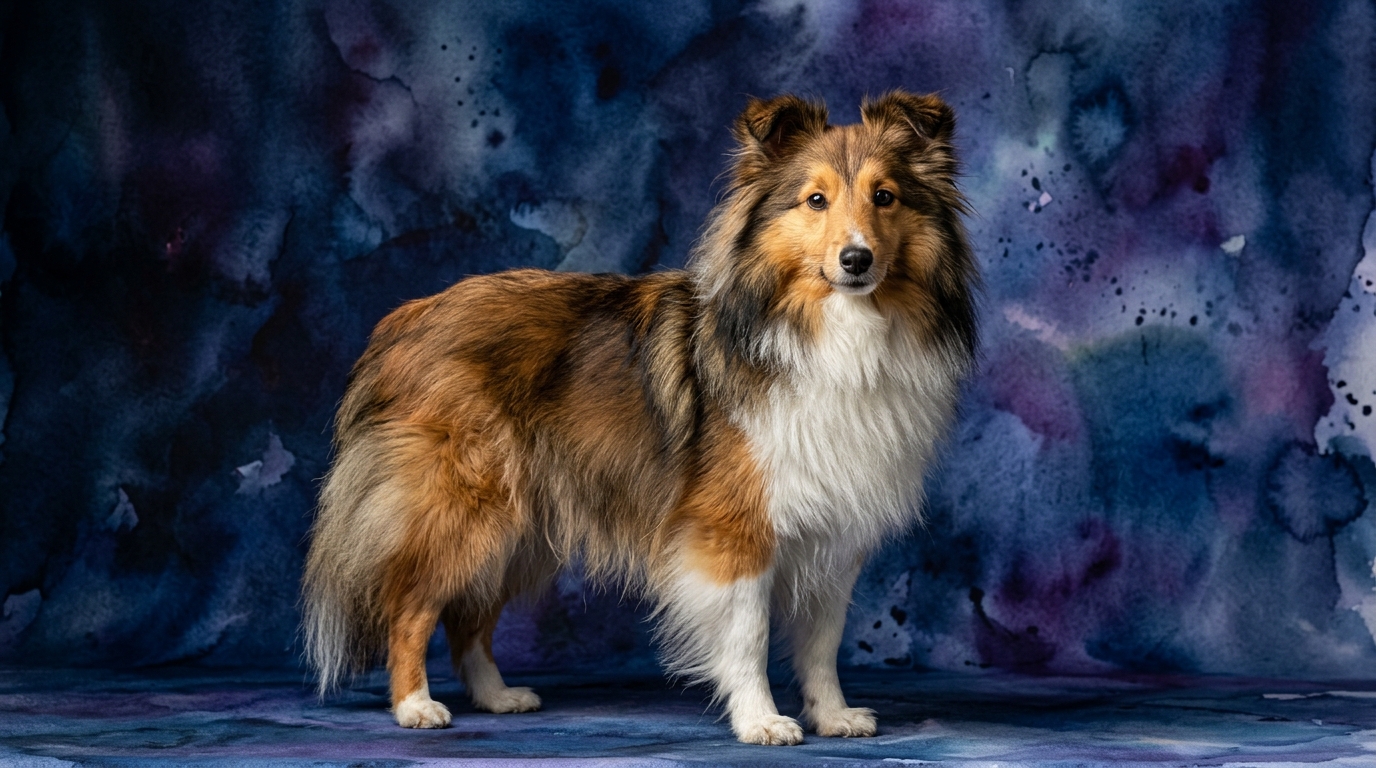
The Cosmic Pet Pet IQ Lab provides a comprehensive framework to understand the unique cognitive architecture of different dog breeds. For the Shetland Sheepdog, a Herding group member with a Coren rank of #6, its profile highlights a strong aptitude for complex thought and rapid learning. Its Problem Solving is rated 4/5, indicating a significant capacity to analyze novel situations and devise effective solutions, often demonstrating ingenuity in navigating obstacles or understanding complex sequences of events, a trait crucial for its herding lineage. Training Speed stands at an exceptional 5/5, meaning Shelties absorb new commands and routines with remarkable rapidity, often grasping concepts after only a few repetitions due to their eagerness to engage and high motivation. Social Intelligence is rated 4/5, signifying a keen understanding of human cues, emotions, and intentions, fostering deep bonds and appropriate responses in social contexts. An Instinctive Drive of 5/5 points to an exceptionally strong innate herding instinct, manifesting as a profound desire to gather, control, and direct, providing powerful internal motivation. Finally, Memory at 5/5 indicates Shelties retain learned behaviors, routes, and associations with extraordinary accuracy over long periods, making them reliable in executing complex routines and recalling specific commands.
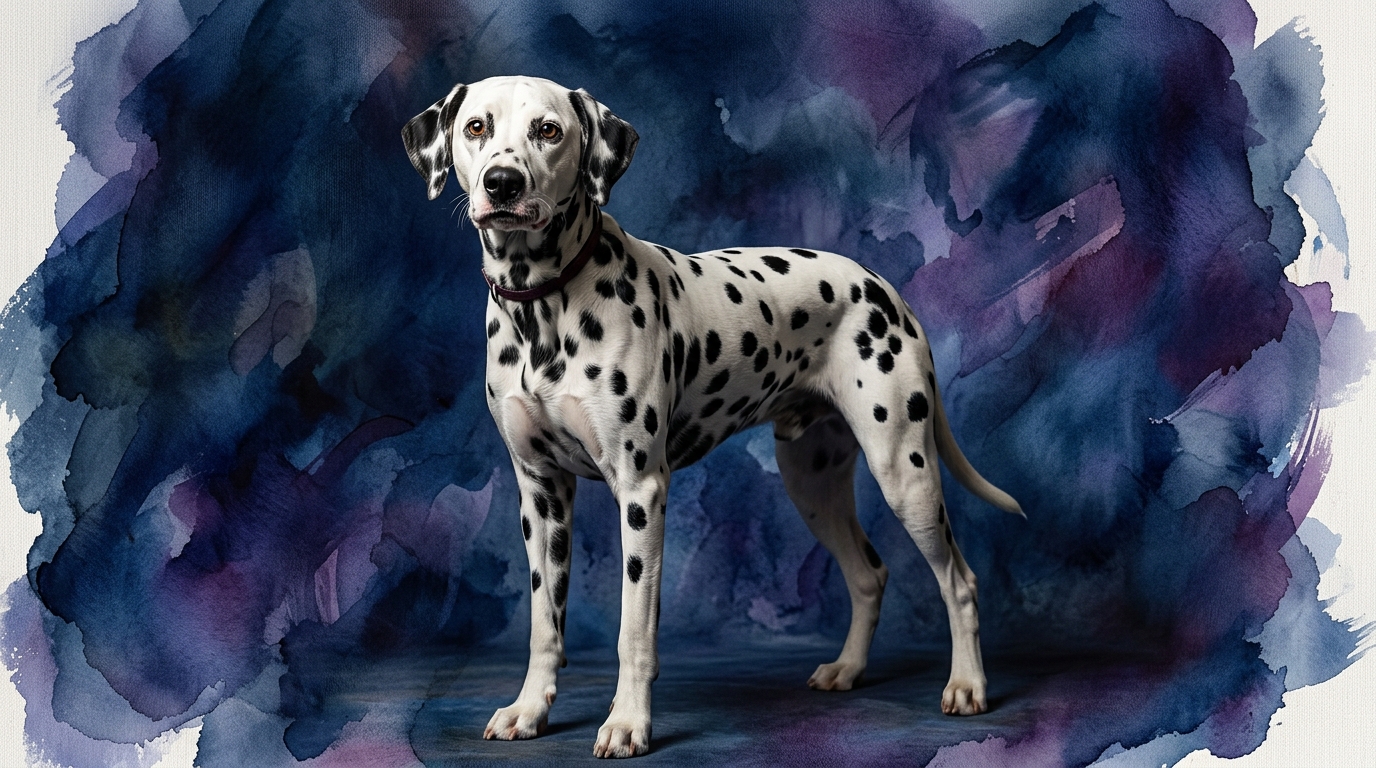
In contrast, the Dalmatian, belonging to the Non-Sporting group and ranked #39 by Coren, presents a different set of cognitive strengths tailored to its historical role. Its Problem Solving is rated 3/5, suggesting these dogs are capable problem-solvers, particularly when tasks are clearly defined and consistent, though they may require more structured guidance and repetition compared to breeds with higher scores, often relying on learned patterns rather than spontaneous innovation. Training Speed is 3/5, indicating they learn at a moderate pace, requiring patience and consistent reinforcement; while not as quick to grasp new concepts as some breeds, their learning is solid once established, benefiting from positive, engaging methods. Like the Sheltie, the Dalmatian also scores 4/5 for Social Intelligence, demonstrating an equal capacity for understanding human social signals, forming strong attachments, and responding empathetically to their human companions, making them perceptive and engaged family members. Their Instinctive Drive is 4/5, a strong drive rooted in their history as coach dogs, requiring endurance, vigilance, and focus to accompany carriages over long distances, which manifests as a desire for purpose, consistent activity, and companionship-oriented tasks. Memory for the Dalmatian is 4/5, signifying a good memory, capable of recalling commands and routines, especially those consistently practiced, making their recall reliable for well-established behaviors.
Where Shetland Sheepdog Wins Cognitively
The Shetland Sheepdog's cognitive strengths truly shine in areas demanding rapid assimilation of information, intricate problem-solving, and exceptional recall. With a 5/5 in both Training Speed and Memory, Shelties are unparalleled in their ability to quickly master complex sequences of commands and retain them flawlessly over time. This makes them prime candidates for advanced obedience, agility, and herding trials where precision and speed are paramount.
Their 4/5 Problem Solving further empowers them to adapt learned skills to novel variations of tasks, demonstrating a flexible cognitive approach that allows them to "think on their feet" rather than merely execute rote commands. Their powerful 5/5 Instinctive Drive fuels this cognitive engagement, as their work ethic is deeply ingrained, making them eager participants in mentally stimulating activities and cooperative tasks.
Where Dalmatian Wins Cognitively
While the Dalmatian's cognitive profile might appear less focused on raw speed or problem-solving ingenuity, their strengths lie in a different domain of application, particularly their focused endurance and robust social engagement. Their 4/5 Instinctive Drive, honed by centuries of trotting alongside carriages, translates into a remarkable capacity for sustained attention on a task, especially those involving consistent physical activity or companionship. This isn't just physical stamina; it's a mental fortitude that allows them to remain engaged and purposeful over extended periods, a specific cognitive advantage for roles requiring unwavering dedication rather than rapid strategic shifts.
Furthermore, their 4/5 Social Intelligence, matching the Sheltie, means they possess an equal capacity for understanding human intent and forming deep, cooperative bonds. This was crucial for their historical role as companion and guard, making them highly attuned to their family's needs and emotional states. This blend of sustained focus and social perceptiveness allows them to excel in roles requiring a steadfast, attentive presence.
Which is Easier to Train and Why
Based on their respective IQ profiles, the Shetland Sheepdog is unequivocally easier to train for a broad range of tasks compared to the Dalmatian. The Sheltie’s 5/5 Training Speed means they pick up new commands and behaviors with remarkable alacrity, often needing only a few repetitions to solidify a concept. Their 5/5 Memory ensures these lessons are retained long-term, making them highly reliable in executing complex routines. Behaviorally, Shelties typically possess a strong "will to please" and thrive on interaction and mental stimulation, making them highly motivated students. Their inherent herding drive often translates into a desire for structure and guidance, further aiding the training process.
In contrast, the Dalmatian’s 3/5 Training Speed indicates that new concepts require more consistent repetition and patience from the trainer. While they are certainly capable learners, they may not grasp new commands as rapidly or generalize them as quickly as a Sheltie. Their 4/5 Instinctive Drive, while strong, is often channeled into endurance and companionship rather than intricate, rapid-fire command execution. Dalmatians can sometimes exhibit a more independent streak, requiring trainers to be creative, consistent, and highly motivating to maintain their engagement. They benefit immensely from positive reinforcement and varied training sessions to prevent boredom, which can lead to disinterest.
Which Suits Active Owners vs Relaxed Owners
Neither the Shetland Sheepdog nor the Dalmatian is suitable for a truly relaxed owner, as both breeds possess significant energy and cognitive needs. However, the type of activity they thrive on differs, making them suitable for different active lifestyles. The Shetland Sheepdog, with its 5/5 Instinctive Drive and exceptional cognitive scores, is ideal for active owners who enjoy engaging in structured activities that challenge both body and mind. These include dog sports like agility, competitive obedience, rally, and herding trials, where their rapid learning, problem-solving, and memory are fully utilized. An owner who enjoys teaching complex tricks, going on brisk walks or runs, and providing consistent mental enrichment through puzzle toys and training sessions will find a Sheltie a fulfilling companion. Their activity needs are often met through varied, stimulating tasks rather than just sheer mileage.
The Dalmatian, while also demanding an active lifestyle, leans more towards endurance and consistent physical companionship. Their 4/5 Instinctive Drive manifests in a desire for long, sustained periods of exercise, such as running, hiking, or cycling alongside their owner. They make excellent partners for marathon runners or those who enjoy extensive outdoor adventures. While they benefit from training and mental stimulation, their primary activity need often revolves around covering significant distances and being a constant companion in physical pursuits. An owner who enjoys regular, long-duration physical activity and wants a dog to be a steadfast partner in these endeavors would find a Dalmatian a perfect match, though they also appreciate structured play and mental engagement.
The Verdict
Choose the Shetland Sheepdog if you are an active owner eager to engage in complex training, dog sports, and provide consistent mental challenges, valuing a highly responsive and quick-learning companion.
Opt for the Dalmatian if you lead an active lifestyle centered around endurance activities like running or hiking, seeking a steadfast, physically robust companion who thrives on consistent activity and social engagement.
🧠 Find Your Pet's IQ Score
Our Pet IQ Lab assessment covers 25+ tests across 5 cognitive dimensions — personalized to your breed.
Take the Full IQ Test →Frequently Asked Questions
Do Shetland Sheepdogs bark a lot because of their herding instincts?
Shetland Sheepdogs do tend to be vocal, using barks to communicate and manage their "flock," which can include their human family. This trait, stemming from their strong herding drive, means they often alert to new sights or sounds, requiring consistent training to manage.
Are Dalmatians good with children despite their energetic nature?
Dalmatians can be wonderful family dogs and are generally good with children, especially when raised with them and properly socialized. Their energetic nature means they need plenty of exercise to prevent boisterousness, and supervision is always recommended with young children due to their size and enthusiasm.
Can a Dalmatian be trained for advanced obedience or agility despite a lower training speed score?
Absolutely. While Dalmatians may take longer to learn new commands than a Sheltie, their strong instinctive drive and social intelligence mean they are perfectly capable of excelling in advanced obedience and agility with patient, consistent, and positive training methods. Success hinges on a dedicated owner and engaging sessions.