Side-by-Side Cognitive Profiles
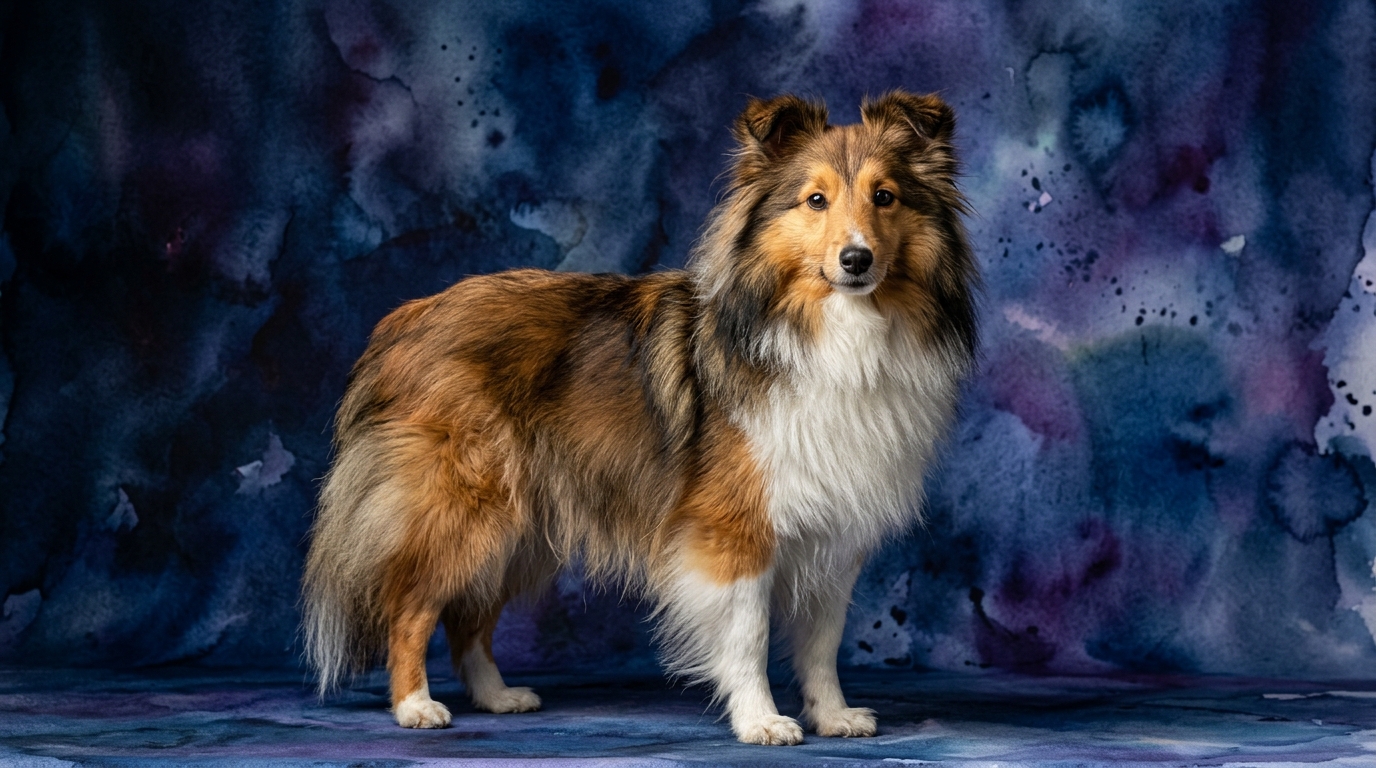
The Shetland Sheepdog, a member of the Herding group and holding a Coren rank of #6, demonstrates an exceptional cognitive toolkit. Their Pet IQ Lab profile highlights a Problem Solving score of 4/5, indicating a strong capacity for figuring out novel situations and navigating complex tasks. Training Speed is an impressive 5/5, reflecting their rapid assimilation of new commands and routines. Social Intelligence, at 4/5, suggests a keen awareness of human cues and emotions, fostering deep, responsive bonds. Their Instinctive Drive is rated 5/5, underscoring a powerful innate desire to work and engage, while Memory, also 5/5, ensures long-term retention of learned behaviors and experiences. This combination paints a picture of a dog built for intricate, collaborative work.
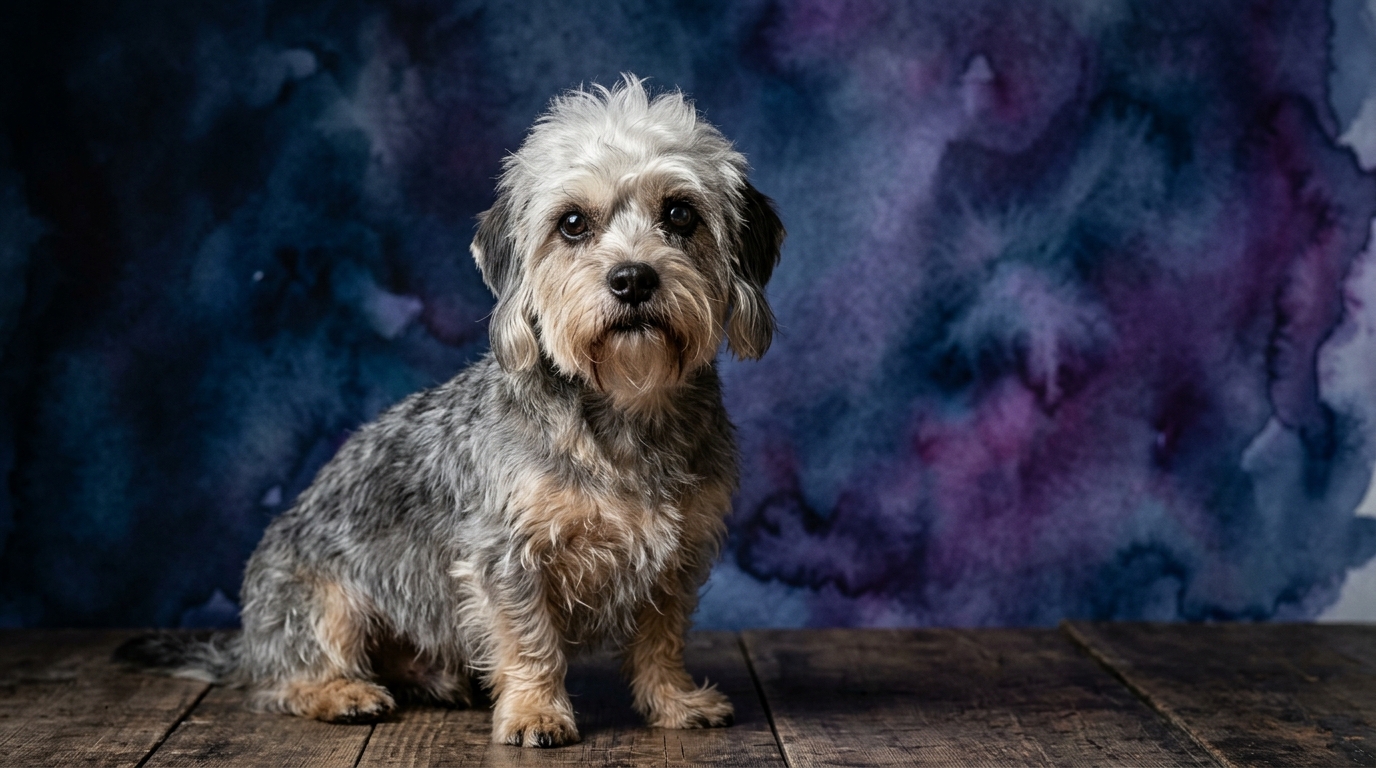
In contrast, the Dandie Dinmont Terrier, a Terrier breed without a specific Coren ranking, presents a different cognitive blueprint. Their Pet IQ Lab scores are consistently 3/5 across all five dimensions: Problem Solving, Training Speed, Social Intelligence, Instinctive Drive, and Memory. This uniform scoring reflects a balanced, self-reliant intelligence rather than a deficit. Their problem-solving is characterized by persistent, independent thought focused on achieving specific goals, often those aligning with their terrier heritage. Training speed and memory are moderate, requiring more patience and consistent reinforcement. Social intelligence, while present, is often expressed through selective, deep attachments rather than broad eagerness, and their instinctive drive is channeled into focused, tenacious pursuit of smaller prey.
Where the Shetland Sheepdog's Cognition Shines
The Shetland Sheepdog's cognitive strengths are particularly evident in their rapid learning and retention capabilities. A 5/5 Training Speed combined with a 5/5 Memory means Shelties grasp new commands almost instantly and recall them with remarkable accuracy, even after long periods. This makes them exceptionally adept at mastering extensive vocabularies of cues, performing complex sequences in dog sports like agility or obedience, and seamlessly adapting to new routines. Their ability to internalize and execute numerous tasks makes them highly versatile partners in various activities.
Beyond rote learning, the Sheltie's 4/5 Problem Solving aptitude allows them to process information quickly and devise effective strategies for novel challenges. This might manifest as figuring out how to retrieve a toy from an inaccessible spot or understanding the nuances of a new game. Paired with their 4/5 Social Intelligence, Shelties are highly attuned to their human companions' intentions and emotions, often anticipating needs and responding with thoughtful engagement. Their robust 5/5 Instinctive Drive fuels a desire for purpose and activity, making them eager participants in any mental or physical endeavor offered by their owner.
The Dandie Dinmont Terrier's Distinct Cognitive Strengths
While the Dandie Dinmont Terrier's scores of 3/5 might appear moderate compared to the Sheltie's, they signify a distinct and effective cognitive style tailored to their terrier nature. Their 3/5 Problem Solving ability is less about quick, collaborative solutions and more about tenacious, independent strategizing. A Dandie will persistently work to achieve a self-motivated goal, whether it's unearthing a perceived burrow or navigating an obstacle to reach a favored spot. This self-reliance ensures they are not easily deterred and can operate effectively without constant human direction, a crucial trait for a hunting dog.
The Dandie's 3/5 Instinctive Drive, though not as broad as a herding dog's, is intensely focused and purposeful. This drive manifests as a keen sensory awareness and an unwavering determination when pursuing a scent or engaging with a target, reflecting centuries of selective breeding for vermin control. Their 3/5 Social Intelligence allows them to form deep, loyal bonds with their chosen family, often displaying a quiet devotion and a discerning approach to new acquaintances. While they may not be as overtly expressive as some breeds, their affection is genuine and enduring, built on trust and mutual respect rather than a constant need to please.
Training: Ease and Behavioral Differences
When it comes to training, the Shetland Sheepdog generally presents a more straightforward path. Their 5/5 Training Speed means they pick up commands with minimal repetition, often seeming to anticipate what is being asked of them. This rapid absorption is bolstered by their 5/5 Memory, ensuring commands stick for the long haul. Their 4/5 Social Intelligence makes them highly responsive to human feedback and eager to please, thriving on positive reinforcement and clear communication. Shelties are renowned for their biddability, making them ideal candidates for advanced obedience, rally, and other dog sports where precision and enthusiasm are valued. Their strong instinctive drive, when properly channeled, translates into focused engagement during training sessions.
Training a Dandie Dinmont Terrier, with their 3/5 Training Speed and Memory, requires a different approach marked by patience and creativity. Their independent terrier spirit means they are less inherently driven to simply 'obey' and more inclined to weigh a command against their own interests. Positive reinforcement, especially using high-value treats or engaging play, is essential to motivate them. Training sessions should be kept short, fun, and varied to maintain their interest, as repetitive drills can quickly lead to disengagement. Their problem-solving (3/5) can sometimes be directed at finding ways to circumvent a command rather than comply, so consistency and clear boundaries are crucial to ensure learned behaviors endure despite their occasional 'selective hearing'.
Matching Breeds to Owner Lifestyles
For active owners seeking a dynamic partner, the Shetland Sheepdog is an exceptional choice. Their 5/5 Instinctive Drive demands significant mental and physical engagement. Shelties thrive on daily vigorous exercise, such as long walks, runs, or structured play, coupled with ample mental stimulation through puzzle toys, training sessions, and opportunities for 'work' – be it herding, agility, or advanced obedience. An owner who can dedicate time to channeling this abundant energy and cognitive capacity will find an incredibly rewarding and engaged companion. Without sufficient outlets, their problem-solving skills and drive might be directed towards less desirable behaviors, such as excessive barking or 'herding' family members.
The Dandie Dinmont Terrier, while not a couch potato, is generally a better fit for owners with a more relaxed, yet still consistent, approach to activity. Their 3/5 Instinctive Drive means they require regular, moderate exercise – daily walks are essential, and they appreciate opportunities to explore scents and engage in brief bursts of play or digging in a designated area. They are less about sustained, high-intensity activity and more about purposeful exploration. Their independent nature also means they can be content with quiet companionship indoors after their exercise needs are met. Owners who appreciate a dog with a distinct personality, who can be discerning in their interactions but devoted to their family, will find the Dandie to be a charming and manageable companion, provided they understand and respect their terrier instincts.
The Verdict
Choose the Shetland Sheepdog if you're an active owner seeking a highly trainable, eager-to-please companion for dog sports, advanced training, or a deeply interactive family life. Their exceptional cognitive abilities make them responsive and engaging partners.
Opt for the Dandie Dinmont Terrier if you appreciate a resilient, independent companion with a charming personality, are prepared for patient and consistent training, and can offer moderate activity with opportunities for scent exploration.
🧠 Find Your Pet's IQ Score
Our Pet IQ Lab assessment covers 25+ tests across 5 cognitive dimensions — personalized to your breed.
Take the Full IQ Test →Frequently Asked Questions
Are Shetland Sheepdogs good for first-time dog owners?
Yes, Shetland Sheepdogs can be excellent for first-time owners due to their high trainability, eagerness to please, and strong bond with their families. However, prospective owners must be prepared to meet their significant needs for mental and physical stimulation to prevent boredom and potential behavioral issues.
Do Dandie Dinmont Terriers get along with other pets?
Dandie Dinmont Terriers can coexist with other pets, especially if socialized from a young age. However, their inherent terrier drive means small, furry pets like hamsters or rabbits might trigger their prey drive, so caution and supervision are always advised. They often do well with other dogs, particularly when raised together.
What kind of mental stimulation do Dandie Dinmont Terriers need?
Dandie Dinmont Terriers benefit from mental stimulation that taps into their problem-solving and instinctive drives. Puzzle toys, scent work, short and engaging training sessions, and opportunities for supervised digging in a designated area can keep their minds active and prevent boredom. They enjoy activities that allow them to use their keen senses.