Side-by-Side IQ Profile: Herding Wit vs. Nordic Independence
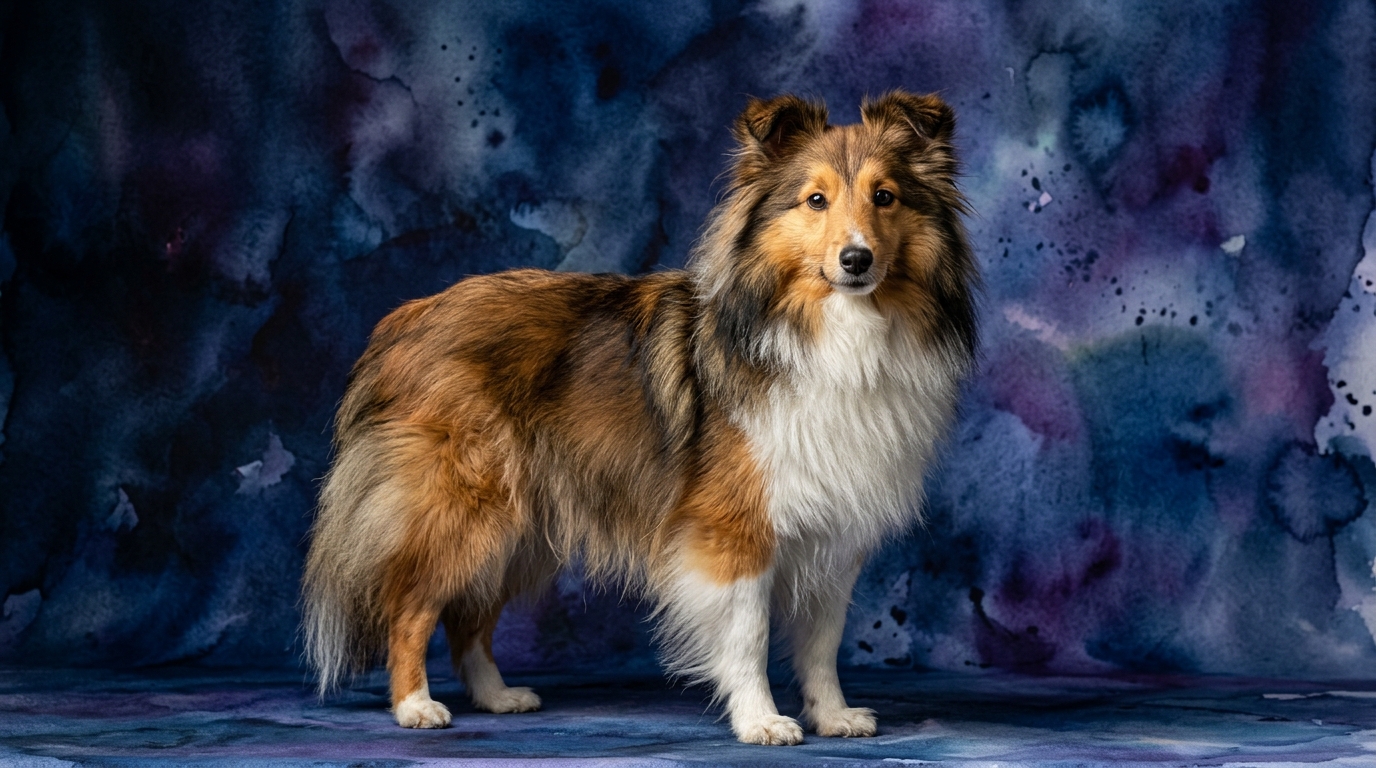
The Cosmic Pet Pet IQ Lab employs a five-dimensional framework to assess canine intelligence, providing a nuanced view of each breed's cognitive strengths. For the Shetland Sheepdog, a breed ranked #6 by Coren for working intelligence, its profile paints a picture of a highly adaptable and eager learner. Its Problem Solving is rated 4/5, indicating a strong capacity to analyze situations and find effective solutions, often by observing and mimicking. Training Speed is an impressive 5/5, reflecting its eagerness to please and rapid assimilation of new commands and routines. Social Intelligence, at 4/5, highlights its sensitivity to human cues and its ability to form deep, reciprocal bonds. Instinctive Drive, also 5/5, speaks to its foundational herding instincts—a powerful, focused motivation that translates into diligence and purpose. Memory, at 5/5, ensures that learned behaviors and established routines are retained with remarkable consistency.
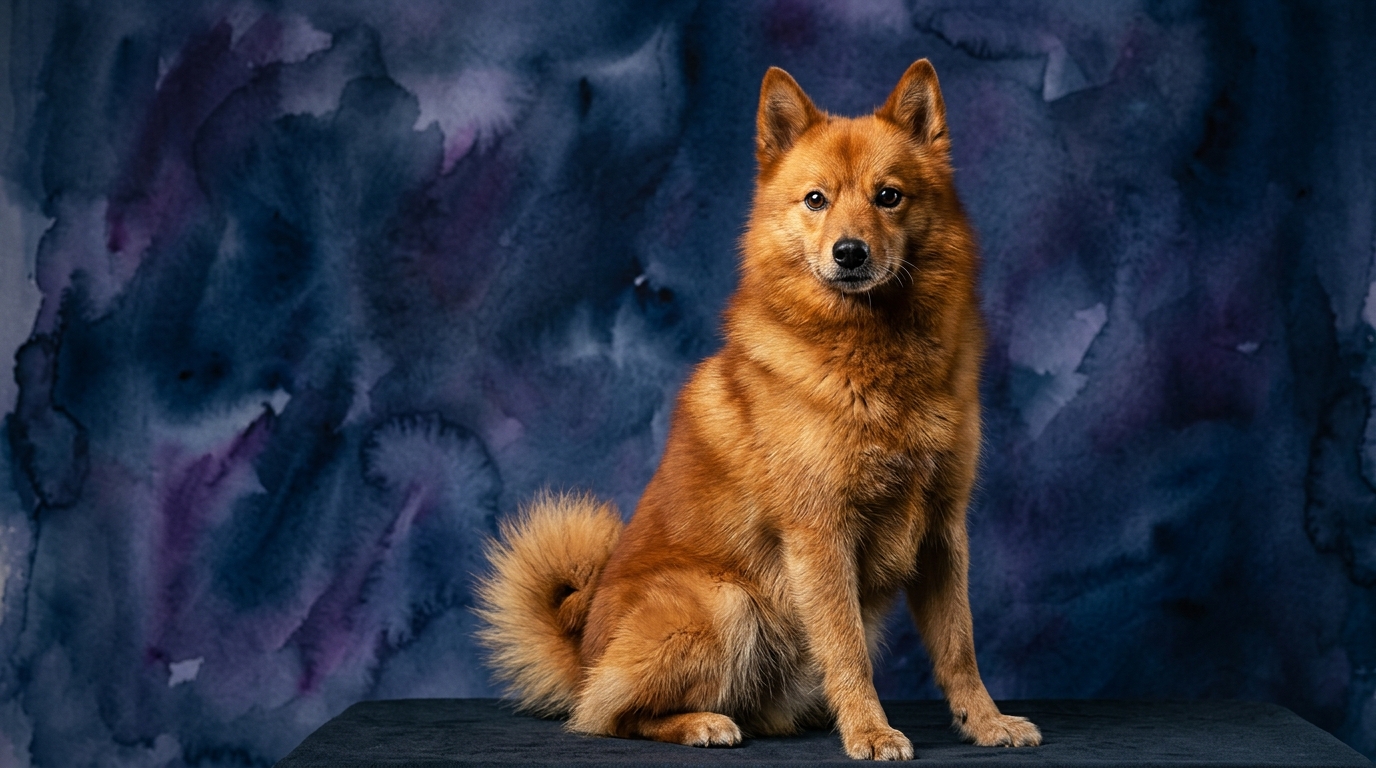
In contrast, the Finnish Spitz, a breed not appearing on Coren's list, presents a profile rooted in a more primitive, independent heritage. Its Problem Solving is rated 3/5, suggesting it can navigate challenges but often through its own devices and with less reliance on human direction. Training Speed is 3/5, indicating that while capable of learning, it requires more repetition and patience, driven by an innate self-sufficiency rather than a strong desire to appease. Social Intelligence, at 3/5, means it connects with its family but can be reserved or indifferent to strangers, not always seeking broad human interaction. Instinctive Drive, also 3/5, is present but often focused on its historical role as a barking bird dog, rather than a generalized working drive. Memory, at 3/5, implies it will retain important lessons and routines, but perhaps with less precision or long-term recall for complex sequences compared to the Sheltie.
Where the Shetland Sheepdog Excels Cognitively
The Shetland Sheepdog's cognitive advantages are evident across the board, particularly in its capacity for cooperative learning and versatile application of its intellect. Its 4/5 Problem Solving and 5/5 Training Speed mean it's not just quick to learn a specific task, but adept at understanding the underlying principles, allowing it to generalize skills to new situations. For instance, a Sheltie taught to retrieve a specific toy can quickly grasp the concept of retrieving any object on command, demonstrating a flexible cognitive framework. This breed's high Social Intelligence (4/5) enables it to finely tune into human emotions and intentions, making it exceptionally responsive to subtle cues and an intuitive partner in tasks or daily life. They don't just follow commands; they often anticipate them, driven by a deep desire to participate alongside their human. Their 5/5 Instinctive Drive, rooted in herding, provides a powerful, consistent motivation for structured activities, making them enthusiastic participants in obedience, agility, and other dog sports where precision and teamwork are paramount. This drive isn't just about chasing; it's about control and organization, requiring considerable mental engagement. Finally, their perfect 5/5 Memory ensures that complex sequences, intricate routines, and a vast vocabulary of commands are retained over long periods, minimizing the need for constant refreshers and allowing for continuous skill development.
Where the Finnish Spitz Presents Unique Cognitive Strengths
While the Finnish Spitz's scores are generally lower, its cognitive profile reflects strengths that are distinct and valuable for specific owners. Its 3/5 Problem Solving, for example, often manifests as an independent ingenuity. Rather than seeking human guidance, a Finnish Spitz might devise its own, sometimes unconventional, solutions to a puzzle or a desired outcome. This isn't a deficit in intelligence but a preference for self-reliance, a trait honed by its historical role as a solitary hunting companion. Its 3/5 Training Speed, while slower than the Sheltie's, can be interpreted as a strong sense of self-will and independent thought. This means it doesn't blindly follow but processes information through its own lens, potentially leading to a more robust understanding when a lesson finally 'clicks.' The Finnish Spitz's 3/5 Social Intelligence can be a strength for owners who appreciate a dog that is affectionate without being overly demanding of constant human attention; they form deep bonds within their immediate family but maintain a dignified reserve, offering a companionship that is present but not clingy. Their 3/5 Instinctive Drive, though not as generalized as a herding dog's, is intensely focused on their 'barking game'—a specialized form of treeing birds. For owners interested in this unique, historically significant behavior, this drive is a profound cognitive asset, requiring keen observation, vocal communication, and persistence. Lastly, their 3/5 Memory, while not perfect, is perfectly adequate for retaining crucial information relevant to their independent pursuits, allowing them to navigate familiar territories and recall hunting strategies effectively, making them reliable partners in specific, self-directed endeavors.
Ease of Training: A Clear Distinction
When it comes to training, the distinction between these two breeds is significant, largely due to their differing cognitive drives and social intelligence. The Shetland Sheepdog, with its 5/5 Training Speed and 4/5 Social Intelligence, is inherently easier to train. Its strong desire to please, coupled with excellent memory and a keen understanding of human directives, means it picks up new commands rapidly, often requiring only a few repetitions. They thrive on positive reinforcement and consistent guidance, viewing training as a collaborative activity. A Sheltie will typically maintain eye contact, readily engage in structured lessons, and quickly learn complex sequences for activities like agility, rally obedience, or even intricate trick training, making them a joy for anyone who enjoys an active training partnership. Their herding drive provides a natural framework for attention and control, making them naturally biddable.
The Finnish Spitz, on the other hand, presents a greater training challenge due to its 3/5 Training Speed and more independent nature. They are not as driven by a desire to please humans broadly; instead, their motivation often stems from their own interests or specific rewards. Training a Finnish Spitz requires immense patience, creativity, and a deep understanding of their unique motivations. Repetition will be necessary, and trainers must be prepared for moments where the dog decides to 'think for itself' rather than immediately comply. While they can learn, they might not offer the same enthusiastic, consistent performance as a Sheltie unless the task directly appeals to their innate drives. For example, teaching a Finnish Spitz a reliable recall in an open field might demand far more effort and consistency than with a Sheltie, as the Spitz's independent problem-solving and lower social intelligence mean it’s less inclined to interrupt its own pursuits for human instruction without a very compelling reason.
Suitability for Active vs. Relaxed Owners
Considering their cognitive profiles, the Shetland Sheepdog is ideally suited for active, engaged owners who seek a true partner in various endeavors. Their high instinctive drive, combined with exceptional problem-solving and training speed, means they thrive when given a 'job' to do, whether that's participating in dog sports, learning advanced obedience, or even serving as a therapy dog. Owners who enjoy consistent training, provide ample mental stimulation, and appreciate a highly responsive and attentive companion will find the Sheltie to be an incredibly rewarding match. They require daily exercise that stimulates both their bodies and minds, making them less suited for purely relaxed, low-engagement lifestyles, as boredom can lead to undesirable behaviors.
The Finnish Spitz, with its more independent and self-reliant cognitive makeup, appeals to a different type of owner. They are better suited for patient, understanding individuals who appreciate a dog with a strong sense of self and are comfortable with a companion that isn't constantly seeking direction. While they enjoy outdoor activities like hiking and can be active partners, their engagement often stems from their own interests rather than a primary desire to work with a human. Owners who value a dog's independence, are prepared for more dedicated and creative training approaches, and perhaps have an interest in their unique 'barking game' will find a deep connection with a Finnish Spitz. They can adapt to a more relaxed home environment provided they receive sufficient outdoor time to express their natural instincts, but they are not the type of dog to be constantly 'on call' for human interaction or training sessions, making them a good fit for those who appreciate a less 'needy' canine presence.
Beyond the Scores: The Cognitive Essence of Each Breed
Understanding the IQ scores of the Shetland Sheepdog and Finnish Spitz is more than just comparing numbers; it's about appreciating the distinct evolutionary paths and purposes that shaped their minds. The Sheltie's cognitive makeup is a testament to generations of selective breeding for a cooperative, intelligent herding partner—a dog designed to work in close concert with humans, anticipating needs and executing complex tasks with precision. Their high scores across the board reflect a generalized intelligence focused on utility and partnership, making them incredibly versatile and adaptable to a wide range of roles within a human family.
The Finnish Spitz, conversely, represents a more ancient, specialized form of canine intelligence. Its cognitive strengths are geared towards independent hunting, requiring keen observational skills, vocal communication, and self-sufficiency in challenging environments. While its scores might suggest a less 'trainable' or 'socially intelligent' dog in a conventional sense, they truly highlight a different kind of brilliance—one that values autonomy, inherent instinct, and a unique way of problem-solving. Neither approach is 'better' than the other; rather, they are different expressions of canine intellect, each perfectly suited to its original purpose and, by extension, to distinct human lifestyles.
The Verdict
Choose the Shetland Sheepdog if you desire a highly biddable, responsive, and versatile companion eager for training and collaborative activities, thriving on mental and physical engagement with its human partner.
Opt for the Finnish Spitz if you appreciate an independent, self-reliant dog with a unique personality and specific drives, and you are prepared for patient, creative training that respects its autonomous nature.
🧠 Find Your Pet's IQ Score
Our Pet IQ Lab assessment covers 25+ tests across 5 cognitive dimensions — personalized to your breed.
Take the Full IQ Test →Frequently Asked Questions
Is the Shetland Sheepdog a good choice for first-time dog owners?
Yes, its high training speed, social intelligence, and desire to please make it an excellent choice for first-time owners willing to commit to consistent positive reinforcement training and provide ample mental stimulation. Their responsiveness makes the learning process rewarding for both dog and owner.
Do Finnish Spitz dogs bark a lot?
Yes, Finnish Spitz dogs are known for their vocal nature, particularly their unique 'barking game' developed for hunting. This is an integral part of their instinctive drive and requires understanding from owners, as it's not simply 'excessive' barking but a purposeful form of communication.
Which breed is better for competitive dog sports like agility?
The Shetland Sheepdog is generally better suited for competitive dog sports like agility due to its exceptional training speed, memory, and strong instinctive drive for purposeful work. Its eagerness to please and ability to follow complex sequences quickly give it a significant advantage in these disciplined events.