Side-by-Side Pet IQ Lab Profile
The Pet IQ Lab assesses canine intelligence across five crucial dimensions, offering a nuanced understanding beyond simple "smart or not" labels. These metrics—problem solving, training speed, social intelligence, instinctive drive, and memory—paint a detailed picture of a breed's inherent cognitive wiring, influencing everything from their learning capacity to their daily motivations.
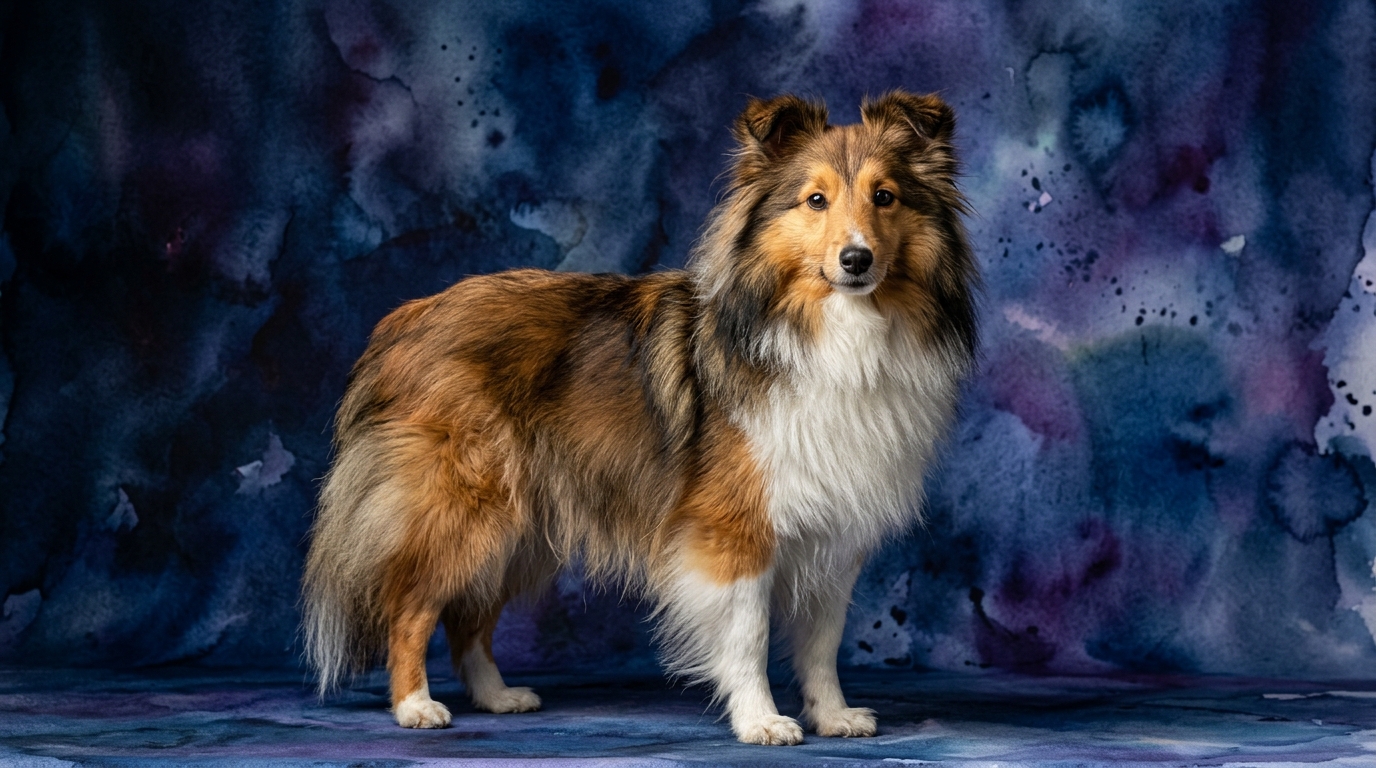
The Shetland Sheepdog, a herding breed, presents an impressive cognitive profile, reflected in its Coren rank of #6. They score a remarkable 4/5 in Problem Solving, indicating a strong capacity to navigate novel situations and figure out solutions independently. Their Training Speed is an exceptional 5/5, highlighting their rapid acquisition of new commands and behaviors. Social Intelligence also stands at a high 4/5, demonstrating their keen ability to interpret human cues and form deep, cooperative bonds. An Instinctive Drive of 5/5 underscores their intense desire to work and engage, specifically in herding-related tasks, while their Memory at 5/5 ensures they retain complex learned behaviors and routines with ease.
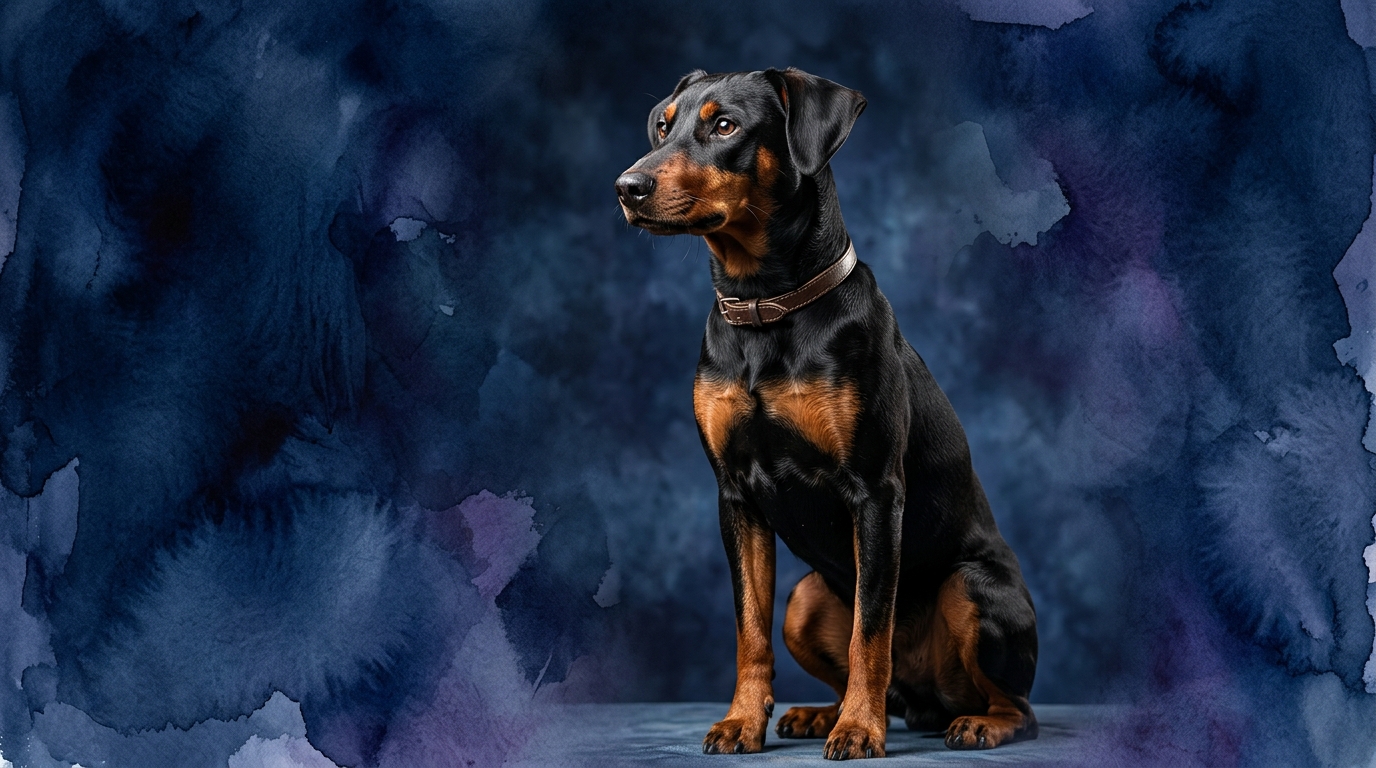
In contrast, the German Pinscher, a working breed with no specific Coren ranking provided, exhibits a more moderate and consistent cognitive distribution across the board. They register a 3/5 in Problem Solving, suggesting a capable but perhaps less intricate approach to novel challenges. Their Training Speed is also a 3/5, implying they learn at a steady pace but may require more repetitions or varied methods than their Herding counterpart. Social Intelligence for the Pinscher is 3/5, indicating they are responsive to human interaction but might display a more independent streak. An Instinctive Drive of 3/5 points to a moderate inherent motivation, often focused on their traditional roles of guarding and vermin control rather than constant task-seeking. Finally, their Memory at 3/5 means they retain information adequately, though perhaps not with the same immediate recall or long-term precision as the Sheltie.
Where the Shetland Sheepdog's Cognition Excels
The Shetland Sheepdog's cognitive scores paint a picture of a dog optimized for complex, cooperative work, consistently outperforming the German Pinscher in every measured dimension. Their superior Problem Solving (4/5 vs 3/5) means a Sheltie is more likely to independently navigate obstacles or develop strategies to achieve a goal, such as figuring out how to open a gate or retrieve a toy from a difficult spot, rather than simply relying on direct human instruction. This translates to an innate curiosity and adaptability that makes them excel in varied environments.
The Sheltie's exceptional Training Speed (5/5 vs 3/5) is perhaps their most defining cognitive advantage, allowing them to grasp new commands, tricks, and routines with remarkable efficiency, often after only a few repetitions. This eagerness to learn, combined with their high Social Intelligence (4/5 vs 3/5), means they are incredibly attuned to their handler's moods and intentions, fostering a highly responsive and symbiotic training dynamic. Their powerful Instinctive Drive (5/5 vs 3/5) ensures they possess an enduring motivation for structured activities, channeling their innate herding impulse into tasks that satisfy their cognitive and physical needs, while their perfect Memory (5/5 vs 3/5) solidifies this learning, ensuring commands stick for the long term.
Where the German Pinscher's Cognitive Profile Shines Differently
While the German Pinscher's scores are consistently moderate, their cognitive profile doesn't signify a deficit but rather a different prioritization of strengths, particularly suited for their historical roles. Their Problem Solving at 3/5, combined with a moderate Instinctive Drive (3/5), means they approach challenges with a directness and self-reliance that can be an advantage. Unlike a Sheltie, which might seek handler guidance for complex problems, a Pinscher is more likely to assess a situation and act independently, such as determining the best route to chase a perceived intruder or efficiently clear a yard of pests without constant human direction. This self-contained approach can be a significant "win" for owners seeking a dog with robust independent decision-making.
The German Pinscher's Instinctive Drive of 3/5, though lower than the Sheltie's, is often channeled into specific, focused tasks like vigilance, territorial defense, or vermin control, rather than the broad, continuous engagement seen in herding breeds. This means their drive is purpose-driven, making them incredibly effective in their chosen "job" without requiring the same level of constant mental stimulation or intricate task assignment as a Sheltie. Their Social Intelligence at 3/5 further supports this independence; while they form strong bonds, they are generally less "needy" for constant human validation or intricate social games, allowing them to be content with their own company for periods, a cognitive trait that appeals to owners desiring a more self-sufficient companion.
Trainability: Sheltie's Acumen vs. Pinscher's Persistence
The data unequivocally points to the Shetland Sheepdog as the easier breed to train, primarily due to their exceptional Training Speed (5/5) and high Social Intelligence (4/5). A Sheltie's innate desire to cooperate and their rapid comprehension mean they pick up basic obedience commands, complex tricks, or even advanced agility sequences with remarkable efficiency. For instance, teaching a Sheltie to "stay" or "come" reliably can often be achieved in just a few short sessions, as they quickly understand the desired behavior and the reward associated with it. Their strong Memory (5/5) further solidifies this learning, making consistent recall a hallmark of the breed.
The German Pinscher, with its 3/5 scores in Training Speed, Social Intelligence, and Memory, presents a different training journey. While certainly capable of learning, they typically require more patience, consistency, and a wider variety of training methods. A Pinscher might take more repetitions to master a command like "heel," and their independent nature, stemming from their working dog heritage, means they might question the necessity of a command more readily than a biddable Sheltie. Owners must be prepared for a more persistent approach, using positive reinforcement to make training engaging and prevent boredom, which can lead to a Pinscher deciding to "do their own thing" if not properly motivated. Their moderate Instinctive Drive (3/5) means their motivation needs to be carefully channeled, often through engaging, short bursts of activity rather than prolonged, repetitive drills.
Matching Cognitive Profiles to Lifestyles
For owners seeking an active, highly engaged companion who thrives on mental and physical challenges, the Shetland Sheepdog is an ideal match. Their 5/5 Instinctive Drive means they possess a deep-seated need for purpose and activity, whether it's herding, agility, obedience, or long, exploratory hikes. Their high Problem Solving (4/5) and Training Speed (5/5) demand an owner willing to provide consistent mental stimulation through puzzle toys, training games, and learning new skills. A Sheltie will not be content with merely a daily walk; they require an owner who actively participates in channeling their prodigious energy and cognitive capabilities, making them perfect for those who enjoy structured activities and a true partnership in canine sports or advanced training.
The German Pinscher, with its consistent 3/5 scores, caters to a different type of active owner, or perhaps a "purposeful" rather than "constantly engaged" active owner. While they are energetic working dogs, their Instinctive Drive of 3/5 means their activity needs are often more focused and less demanding of constant human-directed intellectual games than a Sheltie. They excel with owners who can provide clear tasks, consistent exercise, and perhaps a yard to patrol, satisfying their natural guarding and hunting instincts. For a more "relaxed" owner, in the sense of not wanting to constantly invent new training challenges or engage in complex obedience, the Pinscher's moderate drive and greater independence (Social Intelligence 3/5) mean they can be content with a good run, some structured play, and their watchful duties, without the same intensity of mental demand as their Herding counterpart. They are active but often self-sufficient in their activity.
The Verdict
Choose the Shetland Sheepdog if you seek a highly trainable, eager-to-please companion who thrives on complex mental challenges and cooperative activities, perfect for competitive canine sports or advanced obedience. Their exceptional learning speed and social connection make them an incredibly rewarding partner for active, engaged owners.
Opt for the German Pinscher if you appreciate a dog with a robust, independent spirit and a focused drive for specific tasks like guarding or vermin control, suitable for owners who value self-reliance and purposeful activity over constant, intricate training demands. They offer a loyal, watchful companionship for those who can provide clear structure and consistent exercise.
🧠 Find Your Pet's IQ Score
Our Pet IQ Lab assessment covers 25+ tests across 5 cognitive dimensions — personalized to your breed.
Take the Full IQ Test →Frequently Asked Questions
Do Shetland Sheepdogs need a lot of mental stimulation?
Absolutely. With a Problem Solving score of 4/5 and Instinctive Drive of 5/5, Shetland Sheepdogs require significant mental engagement. Without it, their active minds can become bored, potentially leading to undesirable behaviors as they invent their own 'work'.
Is a German Pinscher good for a first-time dog owner?
A German Pinscher, with its moderate scores across the board, can be a good fit for a first-time owner who is committed to consistent training and socialization. Their independence and moderate training speed mean they require a patient, firm, and knowledgeable hand, making them perhaps less forgiving than a highly biddable Sheltie.
How do their instinctive drives differ in daily life?
The Sheltie's 5/5 instinctive drive often manifests as a strong desire to herd, chase, and cooperate, requiring outlets like agility or herding games. The Pinscher's 3/5 drive is typically directed towards vigilance, patrolling, and hunting small prey, making them excellent watchdogs and requiring secure environments to manage their chase instincts.