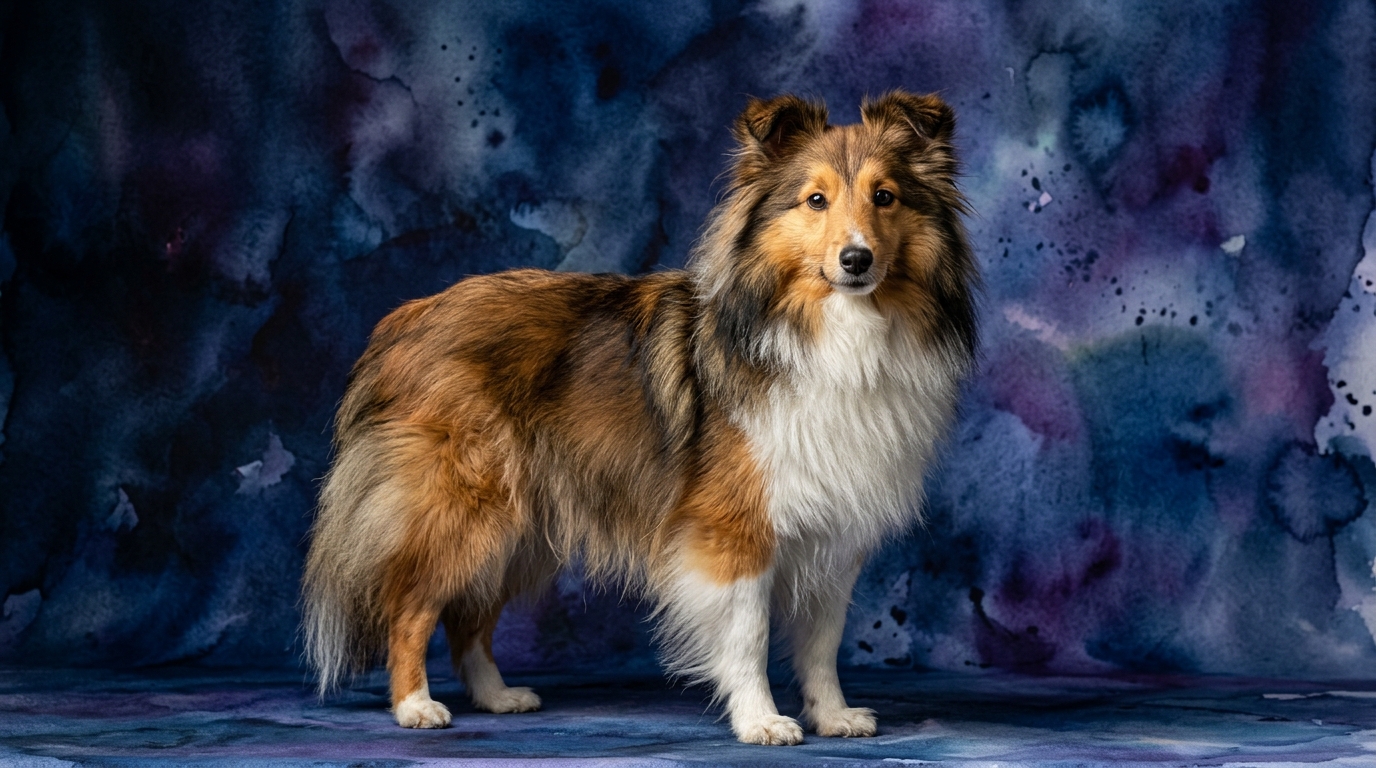
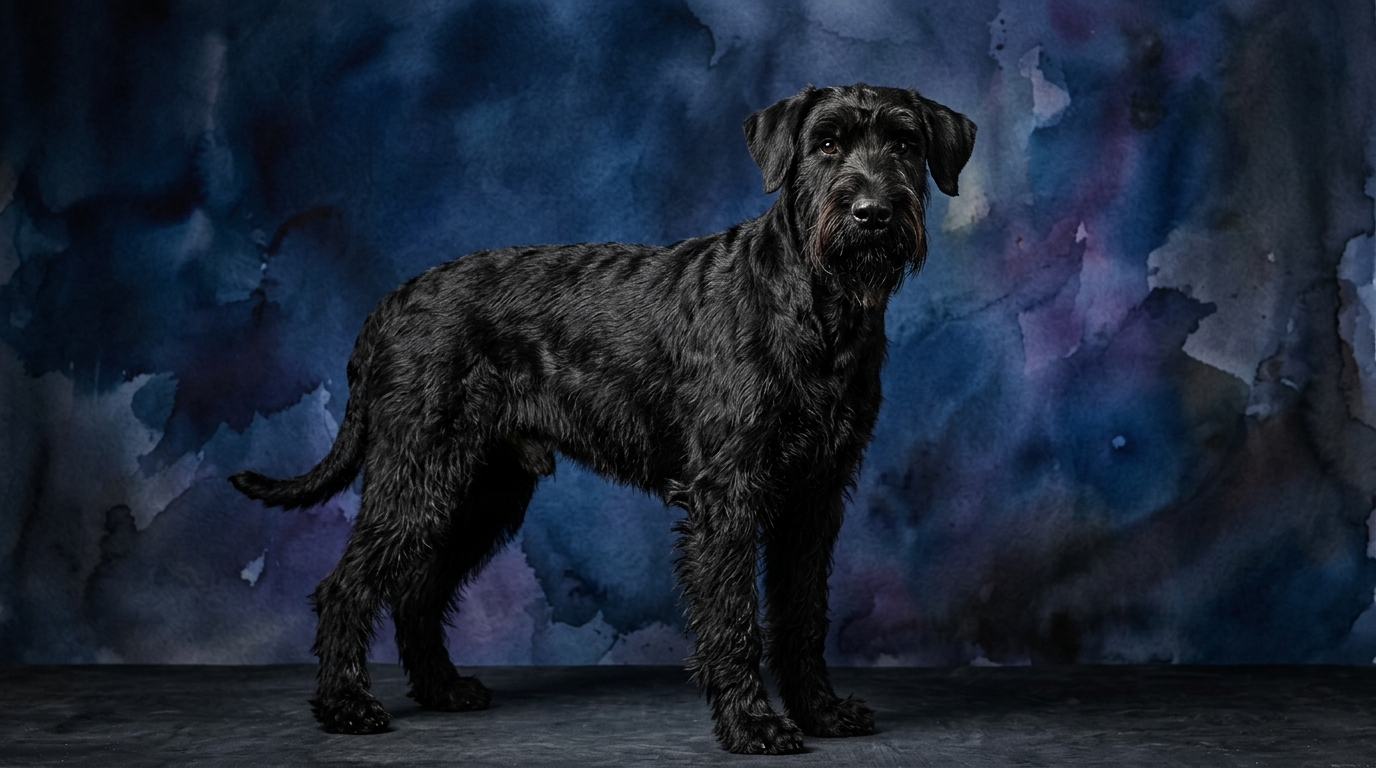
Side-by-Side IQ Profile
The Cosmic Pet Pet IQ Lab employs five key dimensions to map canine intelligence, offering a detailed look at how these breeds process information and interact with their environments. The Shetland Sheepdog, a Herding group member, ranks remarkably high at Coren #6, showcasing a finely tuned intellect. Its Problem Solving is rated 4/5, indicating a strong capacity to navigate novel situations and figure out solutions. Training Speed is exceptional at 5/5, meaning new commands are grasped almost instantly. Social Intelligence, at 4/5, highlights its keen ability to read human cues and intentions. Its Instinctive Drive, a perfect 5/5, reflects its deep-seated herding behaviors and motivation for task completion, while Memory, also 5/5, ensures long-term retention of learned behaviors and experiences.
In contrast, the Giant Schnauzer, from the Working group, holds a Coren rank of #28, still placing it firmly within the top tier of canine intellect. This breed exhibits a Problem Solving score of 4/5, demonstrating an equally capable mind for resolving challenges. However, its Training Speed is rated 4/5, suggesting a slightly more deliberate learning pace compared to the Sheltie. Social Intelligence stands at 3/5, indicating a more independent nature and less reliance on constant human validation. Its Instinctive Drive is 3/5, pointing to a robust, task-oriented motivation, but perhaps not as intensely focused on cooperative ventures as a herding dog. Memory for the Giant Schnauzer is 4/5, signifying solid recall, though perhaps not the near-photographic capacity of the Shetland Sheepdog.
Where Shetland Sheepdog Wins Cognitively
The Shetland Sheepdog's cognitive edge is most apparent in its unparalleled Training Speed and Memory, both scoring a perfect 5/5. This means a Sheltie can acquire new commands and complex sequences with astonishing rapidity, often requiring fewer repetitions than many other breeds. Their superior memory ensures these lessons are deeply ingrained, leading to highly consistent performance over time. This cognitive strength is rooted in their selective breeding for intricate herding tasks, where quick decisions, precise movements, and remembering multiple cues were paramount. Furthermore, its Social Intelligence at 4/5 allows the Sheltie to forge incredibly strong bonds, reading a handler's subtle body language and vocal inflections with remarkable accuracy. This heightened social awareness makes them exceptionally biddable and eager collaborators in training and daily life. Their Instinctive Drive, also 5/5, isn't just about herding; it translates into an inherent motivation for sequential tasks and problem-solving that involves movement and strategy, giving them a natural advantage in activities like agility or complex obedience routines.
Where Giant Schnauzer Wins Cognitively
While the Giant Schnauzer's specific IQ scores might appear slightly lower in some dimensions, its cognitive strengths lie in a different, equally valuable domain: robust independence and a profound sense of purpose. Its Problem Solving, matching the Sheltie at 4/5, is often applied with a more self-reliant approach. This breed excels at assessing situations and making decisions that don't always require immediate human input, a trait cultivated for tasks like guarding or police work where initiative is crucial. Their Instinctive Drive, rated 3/5, translates into a powerful, unwavering commitment to their assigned duties, whether it's protecting their family or mastering a demanding sport like Schutzhund. This drive is less about cooperative herding and more about focused, determined execution of a specific job. The Giant Schnauzer's Social Intelligence, while 3/5, reflects a selective engagement; they form deep bonds but are not overly dependent on constant human validation, allowing them to remain composed and focused in high-pressure situations without becoming distracted by social nuances.
Which is Easier to Train and Why
When it comes to ease of training, the Shetland Sheepdog generally presents a smoother path for most owners due to its 5/5 Training Speed and 4/5 Social Intelligence. A Sheltie thrives on cooperation, quickly linking commands to actions and eager to please its handler. This breed often anticipates instructions and responds with impressive precision, making complex obedience routines or agility sequences a joy to teach. Their strong memory further solidifies these lessons, leading to reliable recall and consistent performance.
The Giant Schnauzer, with a Training Speed of 4/5 and Social Intelligence of 3/5, requires a different training approach. While perfectly capable of learning, their independent nature means they might question the 'why' behind a command or require more proof of its value. They are less inherently biddable than a Sheltie and can sometimes exhibit a stubborn streak. Successful training with a Giant Schnauzer relies on consistency, clear communication, and positive reinforcement that acknowledges their strong sense of purpose. Owners must demonstrate leadership and patience, making training a collaborative effort rather than a one-sided instruction, building trust and respect to harness their considerable problem-solving abilities.
Which Suits Active Owners vs Relaxed Owners
Neither the Shetland Sheepdog nor the Giant Schnauzer is ideally suited for a truly relaxed, sedentary owner, as both possess significant cognitive and physical needs. However, their specific requirements diverge. The Shetland Sheepdog, with its intense Instinctive Drive (5/5) and high Social Intelligence, flourishes with owners who can provide consistent mental engagement through activities like agility, obedience, rally, or even complex puzzle toys. They require daily opportunities to use their quick wits and solve problems, thriving on interaction and sequential tasks. An active owner for a Sheltie is one who enjoys collaborative activities and intellectual challenges for their canine companion, channeling their herding drive into constructive outlets.
The Giant Schnauzer, possessing a strong Problem Solving ability (4/5) and a robust, task-oriented Instinctive Drive (3/5), demands an owner who is prepared for vigorous physical exercise and purpose-driven mental stimulation. They excel in protection sports, advanced obedience, or as dedicated hiking companions. While they appreciate companionship, their independence means they are less likely to seek constant interactive games and more likely to thrive with a clear job or routine. An active owner for a Giant Schnauzer is one who can provide structure, firm guidance, and ample opportunities for their dog to fulfill a 'working' role, even if that role is simply a long, challenging hike or dedicated training sessions focused on a specific discipline.
The Verdict
Choose the Shetland Sheepdog if you seek a highly cooperative, quick-learning companion eager for complex, interactive mental challenges and a deep social bond.
Opt for the Giant Schnauzer if you desire a robust, independent partner for protection, demanding physical activities, and thrive on consistent, purpose-driven training.
🧠 Find Your Pet's IQ Score
Our Pet IQ Lab assessment covers 25+ tests across 5 cognitive dimensions — personalized to your breed.
Take the Full IQ Test →Frequently Asked Questions
Is a Shetland Sheepdog or Giant Schnauzer better for first-time dog owners?
A Shetland Sheepdog is generally more forgiving for first-time owners due to its exceptional biddability and eagerness to please, making training more straightforward. Giant Schnauzers require more experience, consistency, and a firm, patient hand to manage their independent nature.
Do both breeds require a lot of exercise?
Yes, both breeds require significant daily exercise, but the type differs. Shelties need varied mental and physical tasks to satisfy their herding drive, while Giant Schnauzers need rigorous physical activity combined with a clear purpose or job to channel their working instincts.
How do their problem-solving abilities compare in real-world scenarios?
Both breeds score 4/5 in Problem Solving, but apply it differently. Shelties often solve problems cooperatively, looking to their handler for cues, while Giant Schnauzers tend to approach challenges with more independence, relying on their own assessment and robust determination.