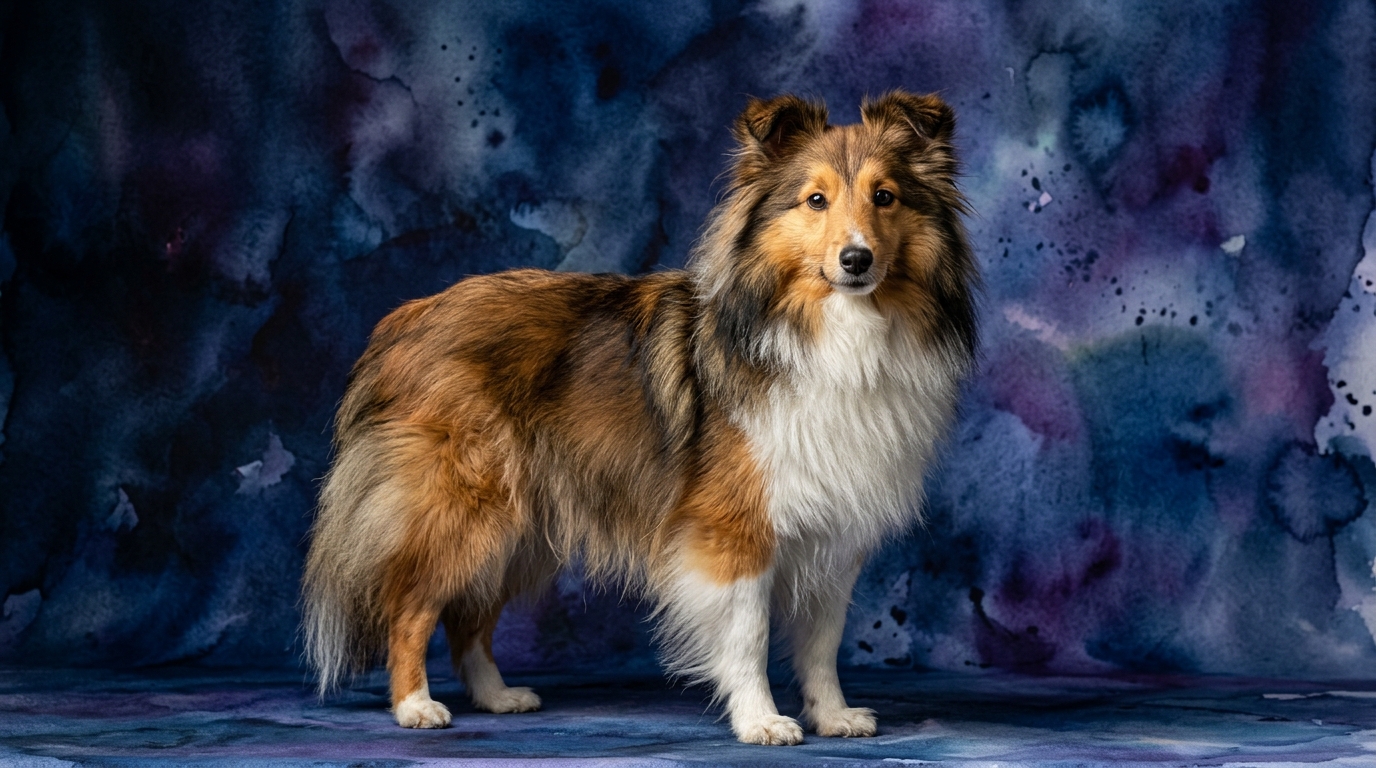
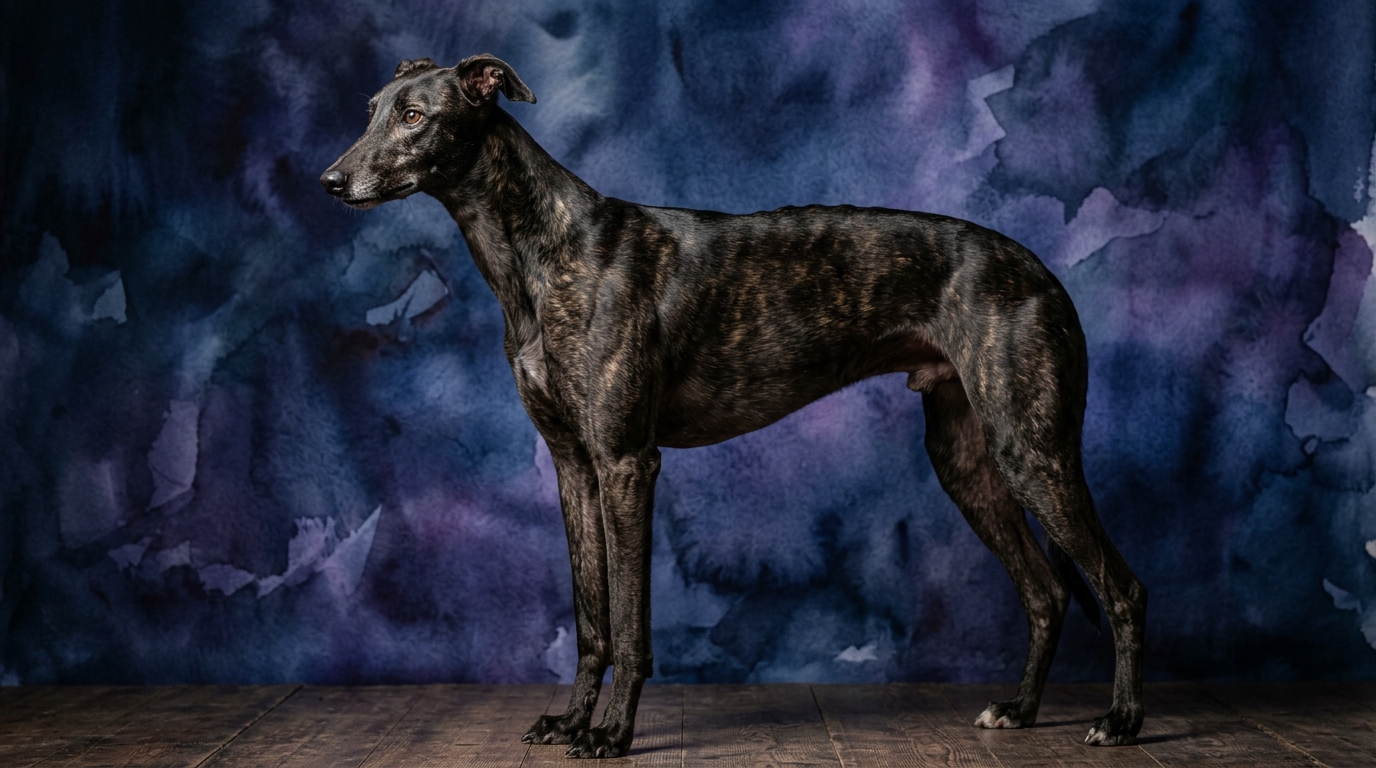
Side-by-Side IQ Profile: Shetland Sheepdog vs. Greyhound
The Shetland Sheepdog, a member of the Herding group, holds a Coren rank of #6, reflecting its strong capacity for learning and responsiveness. Its Pet IQ Lab profile highlights a Problem Solving score of 4/5, indicating an aptitude for analyzing complex situations and adapting strategies. Training Speed is exceptional at 5/5, showcasing rapid acquisition of new commands and routines. Social Intelligence, at 4/5, demonstrates a keen attunement to human cues and emotional states, fostering strong bonds. Their Instinctive Drive is a powerful 5/5, manifesting as a strong urge to herd, chase, and direct, requiring outlets for this inherent energy. Memory is also rated 5/5, signifying excellent recall for learned behaviors and information over extended periods.
In contrast, the Greyhound, a Sighthound, holds a Coren rank of #46, pointing to a different set of cognitive specializations. Its Problem Solving score is 3/5, suggesting a more direct, often speed-oriented approach to obstacles rather than intricate, multi-step solutions. Training Speed is 2/5; while Greyhounds are capable learners, they typically require more repetition and patience, often prioritizing their own comfort or immediate interests. Social Intelligence is 3/5; they are sensitive and responsive to their closest human companions but may not exhibit the same nuanced social attunement in varied social contexts. Their Instinctive Drive is a paramount 5/5, centered on an intense focus on movement and a primal urge to chase. Memory is rated 3/5, indicating they retain essential information and routines but might not show the same detailed recall for a broad range of commands as breeds with higher memory scores.
Where Shetland Sheepdog Wins Cognitively
The Shetland Sheepdog's cognitive strengths are evident across multiple dimensions, particularly in areas demanding intricate thought and responsiveness. Their Problem Solving score of 4/5 indicates a capacity for analyzing situations and devising effective solutions, whether it's navigating an agility course or figuring out how to retrieve a toy from a tricky spot. This contrasts with a Greyhound's more direct, less analytical approach to obstacles. Furthermore, their 5/5 Training Speed means they absorb new information with remarkable efficiency, often mastering commands in just a few repetitions. This rapid learning extends beyond basic obedience, allowing them to excel in complex tasks like trick training or advanced dog sports. Their Social Intelligence at 4/5 also gives them an edge in understanding human emotions and intentions, making them highly communicative and responsive companions who often anticipate their owner's needs. This nuanced social awareness is a hallmark of breeds bred to work closely with humans, requiring a deep understanding of subtle cues. Finally, a 5/5 Memory ensures that once a Sheltie learns something, it tends to stick, making their training durable and reliable over time.
Where Greyhound Wins Cognitively
While the Shetland Sheepdog excels in complex, multi-faceted cognitive tasks, the Greyhound's strengths lie in a different, equally vital domain: specialized instinctive intelligence and focused drive. Their Instinctive Drive rating of 5/5 is a testament to their unparalleled focus and single-minded pursuit, particularly when it comes to visual stimuli and the thrill of the chase. This isn't just about speed; it's a cognitive specialization in rapid visual processing, immediate decision-making under high-speed conditions, and an unwavering commitment to their primary drive. A Greyhound can ignore distractions that might deter a Sheltie if a moving object triggers their chase instinct, demonstrating a powerful form of selective attention. Their Problem Solving score of 3/5, while lower, reflects a practical, efficient approach to obstacles in pursuit situations, favoring direct action over intricate planning. This translates to quick, decisive movements rather than contemplative analysis. Their memory, while rated 3/5, is perfectly adequate for retaining crucial information related to their environment, routines, and the people they trust, even if it doesn't extend to the extensive repertoire of commands a Sheltie might master. In essence, the Greyhound's cognitive profile is optimized for autonomous action, swift responses, and an almost meditative focus on their innate purpose.
Which Is Easier to Train and Why
Without question, the Shetland Sheepdog presents a significantly easier training experience for most owners, primarily due to their stellar 5/5 Training Speed and 5/5 Memory. Shelties are eager students, absorbing new commands and routines with impressive alacrity, often showing a genuine desire to cooperate and please. Their high Social Intelligence (4/5) further facilitates training, as they are adept at reading their handler's body language and vocal cues, making communication during training sessions highly effective. This means fewer repetitions are needed, and they often pick up abstract concepts or sequences of commands more readily. In contrast, the Greyhound's 2/5 Training Speed suggests a more independent learning style. While perfectly capable of learning, they typically require more patience, consistency, and positive reinforcement to solidify new behaviors. Their strong Instinctive Drive (5/5) can also be a double-edged sword; while powerful in their intended purpose, it means distractions related to movement can easily sidetrack them from training exercises, necessitating highly engaging and consistent methods to maintain focus. A Greyhound learns best when motivated by something highly rewarding and when training sessions are kept short and positive, often showing less intrinsic motivation to perform complex tasks simply for the sake of pleasing.
Which Suits Active Owners vs. Relaxed Owners
The Shetland Sheepdog, with its 5/5 Instinctive Drive and high cognitive scores, is best suited for active owners who relish engaging with their dog both physically and mentally. Their powerful herding instincts and desire for interaction mean they thrive on structured activities like obedience, agility, flyball, or even herding trials. Owners prepared to provide consistent training, mental enrichment through puzzles or learning new tricks, and regular vigorous exercise will find a Sheltie a highly rewarding and responsive companion. Their need for purpose and engagement makes them less ideal for purely relaxed, low-activity households, as boredom can lead to undesirable behaviors. The Greyhound, conversely, despite its 5/5 Instinctive Drive for chasing, is often an excellent fit for owners seeking a more relaxed companion once their exercise needs are met. While they require bursts of intense physical activity—a good sprint or two daily—they are famously content to lounge indoors for much of the day, earning them the nickname '45 mph couch potatoes.' Their lower Training Speed and Problem Solving scores, combined with a generally calm demeanor indoors, mean they don't demand constant mental stimulation in the same way a Sheltie might. This makes them surprisingly adaptable to more relaxed home environments, provided their specific exercise requirements are met and their prey drive is managed responsibly.
The Verdict
Choose a Shetland Sheepdog if you're an active owner seeking a highly trainable, mentally engaged companion eager to participate in dog sports and complex learning, thriving on deep interaction and consistent mental stimulation.
Opt for a Greyhound if you appreciate an independent, calm indoor companion who enjoys short, intense bursts of exercise followed by extensive lounging, and you are prepared to manage their powerful chase instinct with patience.
🧠 Find Your Pet's IQ Score
Our Pet IQ Lab assessment covers 25+ tests across 5 cognitive dimensions — personalized to your breed.
Take the Full IQ Test →Frequently Asked Questions
Do Shetland Sheepdogs require a lot of exercise compared to Greyhounds?
Shetland Sheepdogs generally need consistent mental and physical stimulation, often preferring structured activities and extended play. Greyhounds require intense, short bursts of running daily but are otherwise content to relax, often needing less sustained activity.
Is a Greyhound suitable for a first-time dog owner given its training speed?
A Greyhound can be suitable for a first-time owner who understands their independent nature and is committed to patient, positive reinforcement training, especially regarding leash manners and managing their prey drive. Their calm indoor demeanor can be a plus.
How does the social intelligence difference impact their family life?
A Sheltie's higher social intelligence means they are often more attuned to family dynamics and human emotions, actively seeking interaction. Greyhounds are loving with their family but might be less overtly expressive or less inclined to participate in every family activity, preferring quiet companionship.