Side-by-Side Cognitive Profile
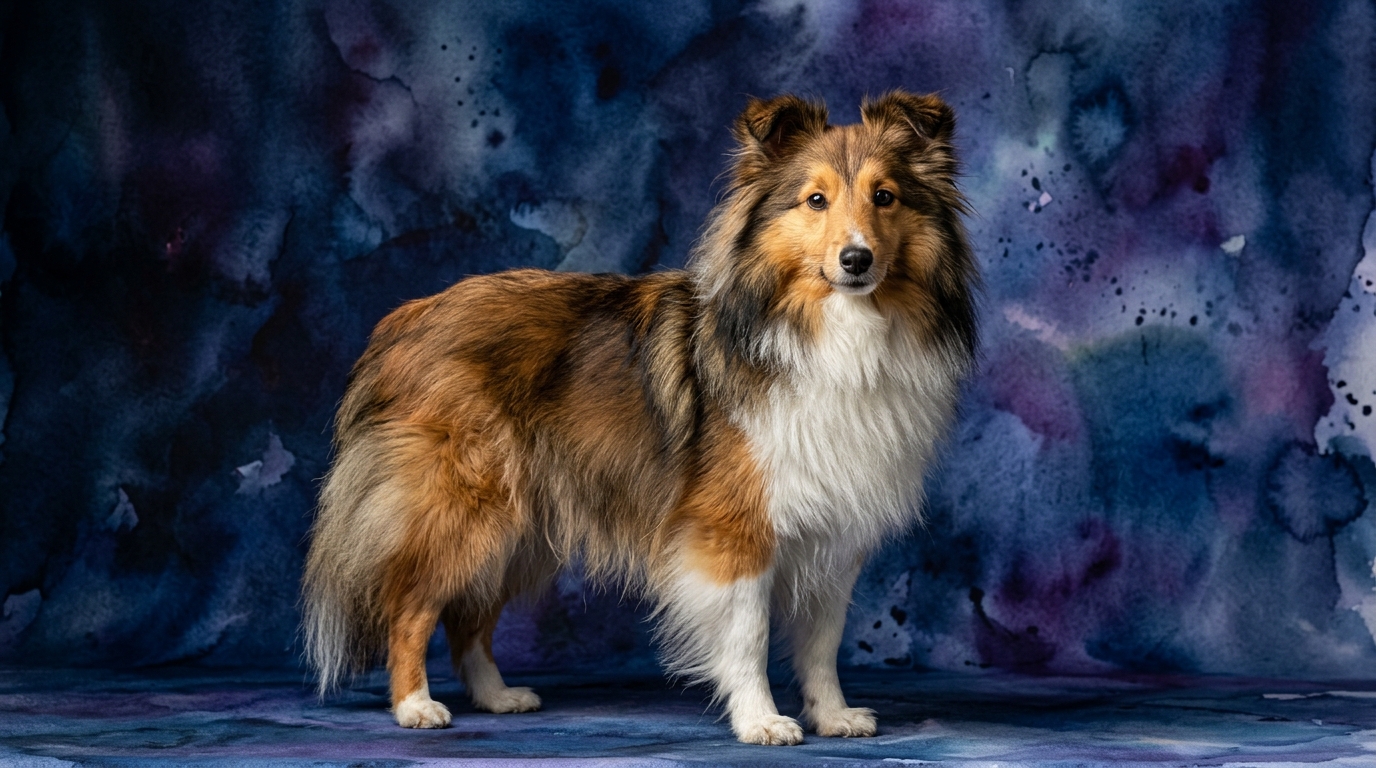
The Shetland Sheepdog, a member of the Herding group, consistently demonstrates a high aptitude across multiple cognitive dimensions. Their Problem Solving is rated at 4/5, indicating an adeptness at navigating novel situations and learning complex sequences. With a Training Speed of 5/5, they are exceptionally quick to grasp new commands and thrive in structured learning environments. Their Social Intelligence, at 4/5, allows them to read human cues with considerable accuracy and form deep, responsive bonds, often showing sensitivity to their handler's mood. An Instinctive Drive of 5/5 reflects their strong herding predisposition, manifesting as a desire for purpose and task-oriented engagement. Finally, their Memory, also 5/5, ensures they retain commands, routines, and experiences for extended periods, contributing to their reliability.
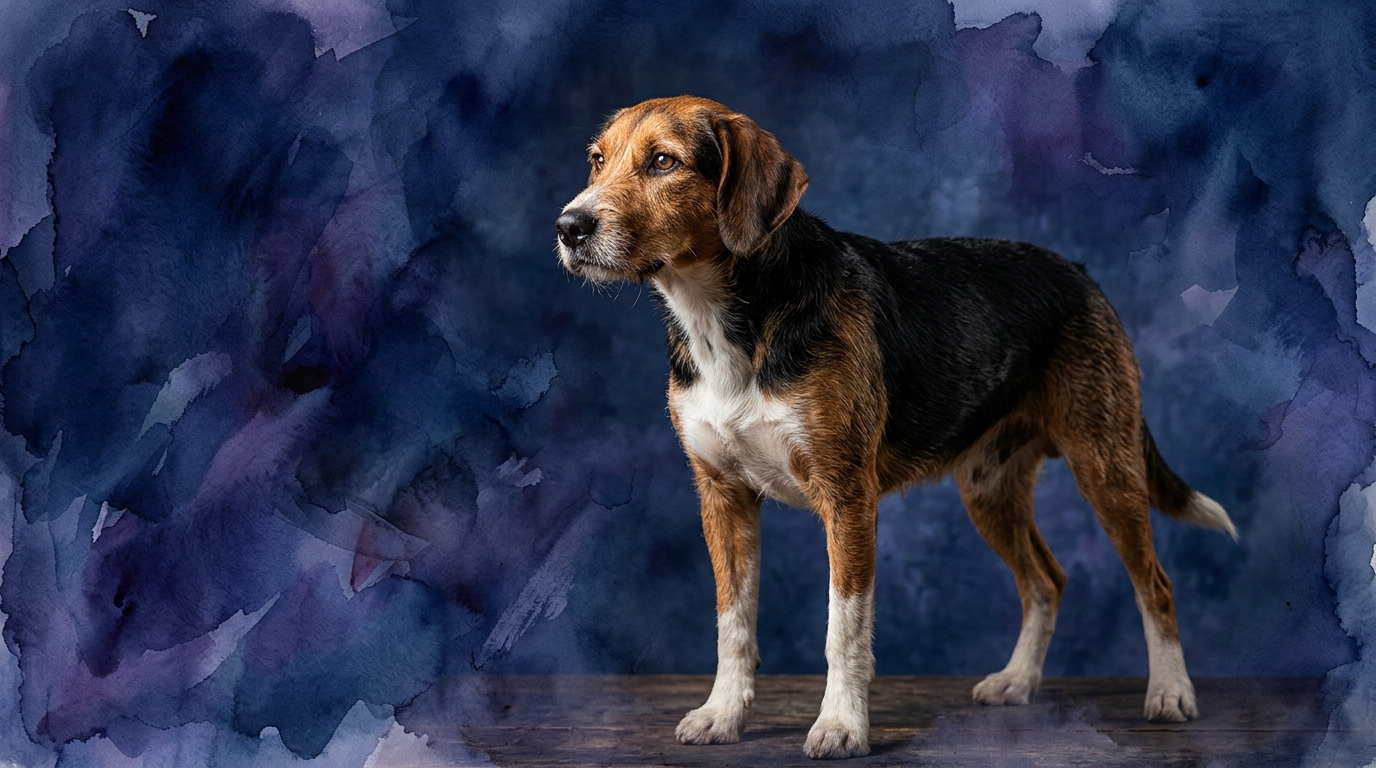
In contrast, the Harrier, a Hound breed, presents a different cognitive emphasis. Their Problem Solving is rated 3/5, suggesting they excel at challenges directly related to their scenting abilities but may be less inclined towards abstract puzzles. A Training Speed of 3/5 means they learn at a moderate pace, often requiring consistent, engaging methods, as their focus can be easily diverted by compelling scents. Their Social Intelligence, 3/5, indicates a friendly but more independent nature; while they interact well with their human companions and pack, they are less attuned to subtle emotional shifts. The Harrier's Instinctive Drive, 3/5, primarily revolves around scenting and chasing, rather than the complex 'work' ethic seen in herding breeds. Their Memory, 3/5, is effective for recalling hunting routes and scent patterns, but general command retention may demand more frequent reinforcement.
Where the Shetland Sheepdog Wins Cognitively
The Shetland Sheepdog shines in areas demanding cognitive flexibility and a close working relationship with humans. Their high scores in Problem Solving and Training Speed mean they can quickly adapt to new instructions and environments, making them proficient in activities like obedience, agility, and even complex trick training. This adaptability stems from their herding heritage, where they needed to interpret handler signals, anticipate livestock movement, and make split-second decisions independently. Their strong Social Intelligence and Memory further cement their advantage in learning human-centric tasks and retaining a vast repertoire of cues and commands. A Sheltie is often engaged in trying to understand what their human wants, making them highly receptive to teaching and communication nuances. Their instinctive drive is channeled into a desire for productive engagement, rather than independent pursuit, which aligns well with structured learning.
Where the Harrier Wins Cognitively
The Harrier's cognitive strengths are deeply rooted in their specialized purpose as a scent hound, making their wins distinct and profound within their domain. While their scores may appear lower in general cognitive metrics, they possess an unparalleled sensory intelligence, particularly olfaction. Their problem-solving prowess is evident when deciphering complex scent trails, navigating varied terrain, and maintaining focus over long distances, which is a highly sophisticated form of environmental problem-solving. Their instinctive drive, though rated 3/5, is a powerful engine for sustained pursuit and endurance, allowing them to perform their traditional role with unwavering determination. This singular focus on scent is a cognitive triumph in itself, enabling them to filter out distractions that would overwhelm other breeds. While less focused on abstract human-defined tasks, their ability to work cooperatively within a pack during a hunt demonstrates a different, yet equally valuable, form of social intelligence and coordinated effort.
Training Ease: Real Behavioral Differences
When it comes to training, the Shetland Sheepdog generally offers a significantly smoother experience. Their exceptional Training Speed (5/5), coupled with high Social Intelligence and Memory, means they grasp new commands quickly and consistently. Shelties possess an inherent desire to please their handlers, making them highly motivated by positive reinforcement and praise. Their strong instinctive drive for 'work' translates into an eagerness for structured activities, where they can apply their mental faculties. A Sheltie will typically seek out opportunities to learn and perform, making training a collaborative and rewarding endeavor, often remembering complex sequences after just a few repetitions.
The Harrier, with a Training Speed of 3/5, presents a different challenge. While capable of learning, their progress is often slower and requires more patience and creativity from the trainer. Their powerful scent drive is a double-edged sword: it makes them formidable hunters but can easily divert their attention from commands. A Harrier's independent nature, a trait common in many hounds, means they are less inherently driven to please and more motivated by their own sensory explorations. Training a Harrier necessitates high-value rewards, short and engaging sessions, and an understanding that their nose will often dictate their immediate focus. Real behavioral differences include a Sheltie's immediate eye contact and anticipation of a cue versus a Harrier's tendency to follow a compelling scent, even mid-command, requiring more consistent redirection and motivation to maintain engagement.
Matching Breeds to Lifestyles: Active vs. Relaxed Owners
For owners with active lifestyles, both breeds can be a good fit, but the nature of that activity differs considerably. The Shetland Sheepdog thrives with owners who are active in structured, mentally stimulating ways. They need consistent mental engagement through activities like agility, obedience, rally, or trick training. Owners who enjoy teaching new skills, participating in dog sports, or even just engaging in complex puzzle toys and daily training sessions will find a Sheltie a delightful and responsive companion. While they enjoy physical exercise, their primary need is for their minds to be challenged and their herding drive channeled into constructive tasks. A Sheltie is not content with just physical exercise; they require a job, even if that job is learning new tricks.
The Harrier, conversely, suits owners whose active lifestyle revolves around extensive physical exertion and opportunities for sensory exploration. These dogs require long, vigorous walks, runs, or hikes, ideally in secure areas where they can safely follow their nose. Owners who enjoy spending hours outdoors, have access to large, fenced properties, or are keen on activities like canicross or scent work will find a Harrier to be an indefatigable partner. They are less about mental puzzles and more about sustained physical output and the pursuit of intriguing scents. A relaxed owner who cannot provide outlets for their powerful scent drive and endurance will likely find a Harrier frustrated and potentially destructive, as their energy and instincts will find their own, often undesirable, expressions.
The Verdict: When to Choose Each Breed
The Verdict
Opt for a Shetland Sheepdog if you seek a highly responsive companion eager for structured learning, complex tasks, and a deep, communicative bond, thriving on consistent mental engagement and precision.
Select a Harrier if you are an active individual or family prepared for extensive physical outings, appreciate independent scent-driven exploration, and can provide a consistent outlet for their robust endurance and keen nose.
🧠 Find Your Pet's IQ Score
Our Pet IQ Lab assessment covers 25+ tests across 5 cognitive dimensions — personalized to your breed.
Take the Full IQ Test →Frequently Asked Questions
Does a Harrier's lower problem-solving score mean it can't learn?
Not at all. A Harrier's problem-solving is specialized; they excel at figuring out complex scent trails and navigating terrain during a hunt. Their cognitive strengths lie in sensory processing and sustained pursuit rather than abstract puzzle-solving, meaning they learn differently, often through repetition and real-world application.
How does the Shetland Sheepdog's memory impact daily life?
The Shetland Sheepdog's superior memory translates into rapid retention of commands, routines, and experiences, making them consistent and reliable companions. They quickly learn household rules, anticipate schedules, and remember past training sessions, which simplifies their integration into family life and advanced training endeavors.
Can a Harrier be trained for non-hunting roles?
Absolutely. While their instinctive drive is strong, Harriers can be trained for various activities like scent work (e.g., nose work sports), obedience, and even agility, though their independent nature and focus on scent may require more patience and creative motivation. Early and consistent positive reinforcement is key to channeling their natural drives constructively.