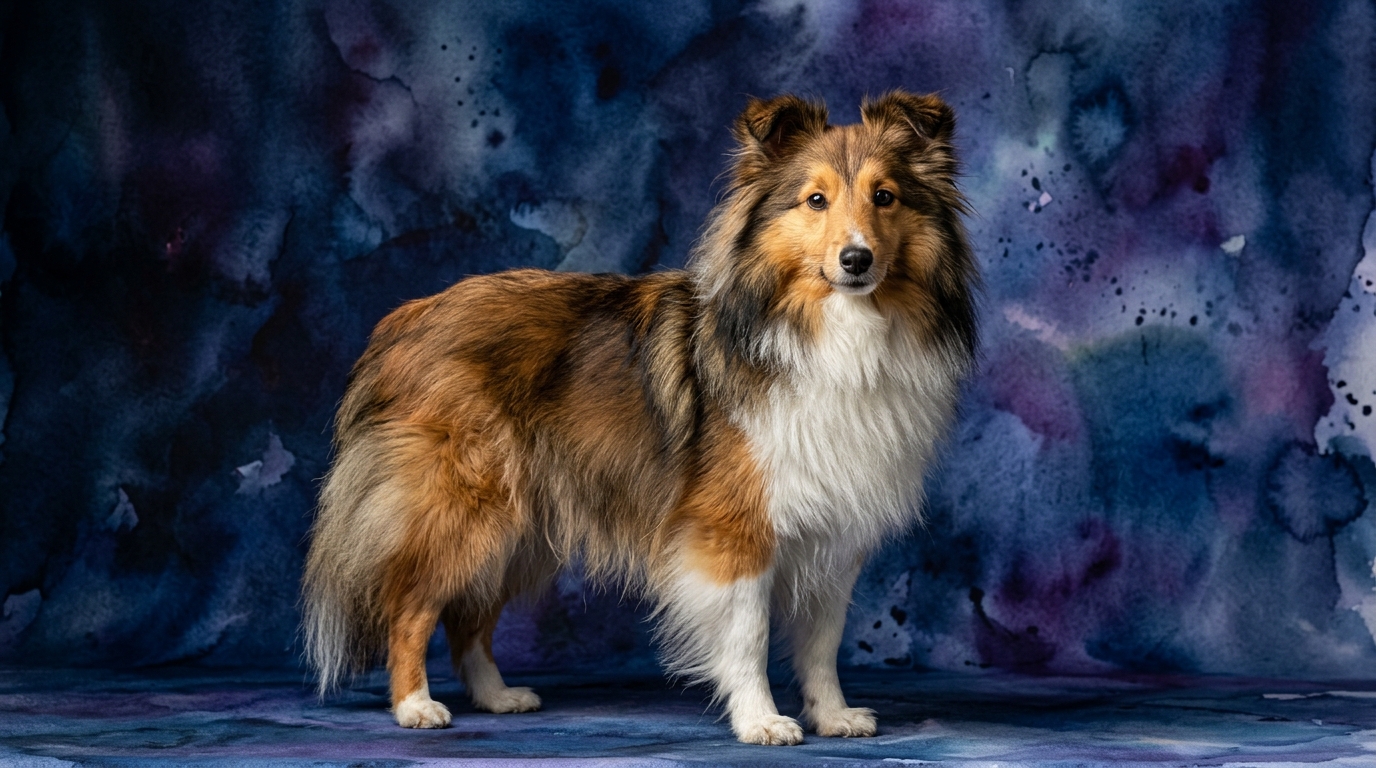
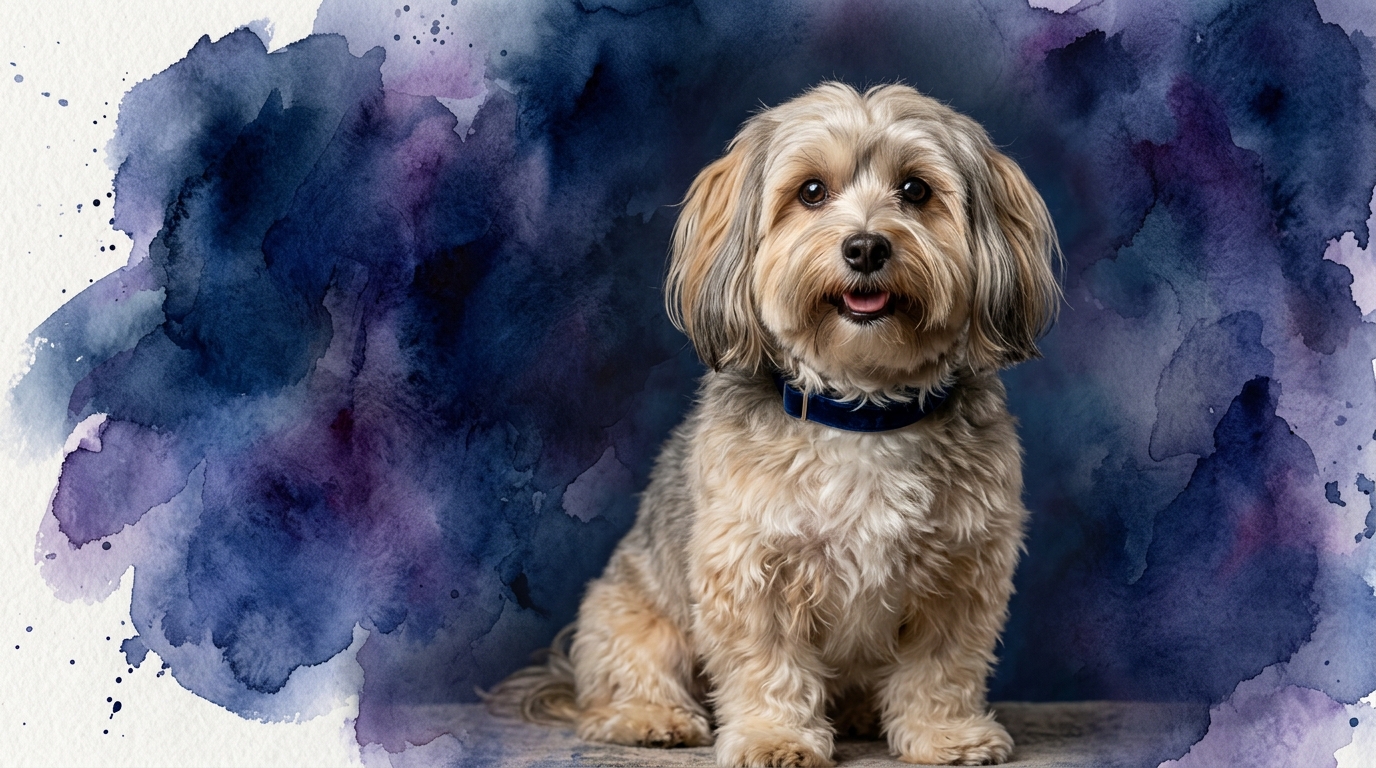
Side-by-Side IQ Profile: Shetland Sheepdog vs. Havanese
The Cosmic Pet Pet IQ Lab provides a unique lens through which to examine the cognitive landscapes of the Shetland Sheepdog and the Havanese. These profiles highlight distinct strengths shaped by their breed histories and purposes.
For the **Shetland Sheepdog**, a Herding breed, their IQ scores paint a picture of a highly capable and task-oriented mind. Their **Problem Solving** is rated 4/5, indicating a strong capacity for navigating complex situations and devising effective solutions. **Training Speed** is an exceptional 5/5, showcasing their remarkable agility in absorbing new commands and routines. **Social Intelligence** stands at a robust 4/5, demonstrating solid awareness of human moods and intentions. Their **Instinctive Drive** is a powerful 5/5, reflecting a deep-seated motivation for purpose-driven tasks and environmental management. Finally, their **Memory** is an outstanding 5/5, ensuring consistent retention of learned behaviors and experiences.
The **Havanese**, a Toy breed, presents a different cognitive emphasis. While not Coren-ranked, their IQ profile highlights strengths tailored for companionship. Their **Problem Solving** is rated 3/5, suggesting a moderate ability to solve challenges, often relying on established routines or human guidance. **Training Speed** is also 3/5, meaning they learn at a steady, manageable pace, benefiting from consistent, positive reinforcement. Where the Havanese truly shines is in **Social Intelligence**, earning a perfect 5/5, indicating an exceptional capacity to understand and respond to social cues. Their **Instinctive Drive** is a lower 2/5, reflecting their primary motivation for social interaction rather than task-oriented work. Their **Memory** is rated 3/5, allowing them to recall commands reliably but perhaps not with the intricate precision of breeds with higher scores.
Where the Shetland Sheepdog Wins Cognitively
The Sheltie's cognitive strengths are deeply rooted in their working heritage, giving them a distinct advantage in specific mental domains. Their 4/5 problem-solving score means they are adept at figuring out how to open gates, retrieve out-of-reach toys, or navigate complex agility courses with minimal direction, often employing strategies rather than simple trial and error. This ability is coupled with a stellar 5/5 training speed, allowing them to master complex obedience routines, advanced tricks, and even competitive dog sports at an impressive pace. Their inherent 5/5 instinctive drive, which manifests as a strong desire to work and organize, provides a persistent motivation to engage with learning tasks and maintain focus. Furthermore, their 5/5 memory ensures that once a concept or command is learned, it is retained with remarkable fidelity, building a vast repertoire of understood behaviors and cues over their lifetime. These combined attributes make them exceptionally capable of mastering intricate tasks and adapting quickly to new, structured learning environments.
Where the Havanese Wins Cognitively
The Havanese truly excels in the realm of social intelligence, earning a perfect 5/5. This means they possess an extraordinary capacity to read and respond to human emotions, intentions, and subtle social cues. They are masters of canine-human communication, often anticipating their owner's needs or moods and adjusting their behavior accordingly. A Havanese might instinctively offer comfort when a family member is distressed, or engage in playful antics to lighten the mood, demonstrating a profound empathy and connection. This high social acumen makes them exceptional therapy dogs and beloved companions, as they are naturally wired to integrate seamlessly into a family unit and foster deep, reciprocal bonds. Their world revolves around social interaction, and their cognitive architecture is finely tuned to excel in this domain, making them incredibly intuitive and responsive to their human counterparts.
Which is Easier to Train and Why
Based on The Cosmic Pet Pet IQ Lab scores, the Shetland Sheepdog clearly presents as the easier breed to train for a wide array of tasks. Their 5/5 training speed indicates they absorb new information with minimal repetition, making training sessions efficient and rewarding. This quick learning is bolstered by their 4/5 problem-solving ability, allowing them to understand the 'why' behind commands and generalize learned behaviors to new contexts with greater ease. Furthermore, their 5/5 instinctive drive translates into a natural eagerness to engage in structured activities and work alongside their human, providing an intrinsic motivation for learning that many other breeds lack. A Sheltie is likely to pick up advanced commands, intricate sequences for dog sports, or complex household rules much faster than a Havanese, often requiring less sustained effort from the handler to achieve proficiency.
In contrast, the Havanese, with a 3/5 training speed and 3/5 problem-solving, requires more patience and consistent reinforcement to solidify new behaviors. While certainly trainable and eager to please due to their high social intelligence, they may need more repetitions to master commands and might not generalize learned skills as quickly across different environments. Their lower 2/5 instinctive drive means they might be less intrinsically motivated by tasks for tasks' sake, preferring to engage when the activity involves direct human interaction or playful engagement. For example, a Sheltie might enthusiastically learn a multi-step fetch routine for the sheer joy of the task, while a Havanese might learn to fetch, but primarily to bring the toy back for a cuddle or praise rather than the act of fetching itself. Their training success often hinges on making the process a fun, social interaction rather than a rigorous lesson, leveraging their strong desire for companionship.
Which Suits Active Owners vs. Relaxed Owners
The Shetland Sheepdog's cognitive profile aligns perfectly with active owners seeking a canine partner for engagement and purpose. Their 5/5 instinctive drive means they thrive on having a job, whether it's herding, agility, obedience, or even just complex puzzle toys and consistent training. Owners who enjoy long walks, hiking, competitive dog sports, or consistent mental enrichment will find the Sheltie's 4/5 problem-solving and 5/5 memory make them eager participants and quick learners in any new activity. They need consistent mental and physical stimulation to prevent boredom and channel their considerable cognitive energy constructively, making them best suited for households that can dedicate significant time to their enrichment.
Conversely, the Havanese is an ideal match for more relaxed owners who prioritize companionship and social interaction over intense activity. Their 5/5 social intelligence means they are content to be close to their human family, enjoying cuddles on the couch or gentle play in the yard. While they appreciate walks and playtime, their lower 2/5 instinctive drive suggests they don't have an overwhelming need for strenuous tasks or complex work that demands constant mental focus. Owners who prefer a less demanding daily routine but still want an emotionally responsive and deeply connected companion will find the Havanese's cognitive makeup perfectly suited to their lifestyle. They are happy to be the center of their family's attention without requiring constant, high-octane engagement, making them excellent companions for those seeking a more laid-back canine presence.
The Verdict
Choose a Shetland Sheepdog if you're an active owner seeking a highly trainable, purpose-driven companion for dog sports, advanced obedience, or a mentally engaging lifestyle. Their quick learning and strong work ethic require an owner committed to consistent enrichment.
Opt for a Havanese if you desire a devoted, emotionally perceptive companion thriving on close social bonds, ideal for relaxed households or those seeking a less physically demanding but deeply connected canine friend. Their social acumen makes them exceptional family members.
🧠 Find Your Pet's IQ Score
Our Pet IQ Lab assessment covers 25+ tests across 5 cognitive dimensions — personalized to your breed.
Take the Full IQ Test →Frequently Asked Questions
Do Shetland Sheepdogs need a lot of mental stimulation?
Yes, with a 4/5 problem-solving and 5/5 instinctive drive, Shetland Sheepdogs require significant mental stimulation. They thrive on learning new commands, engaging in puzzle toys, and participating in activities like agility or herding to satisfy their cognitive needs.
Are Havanese difficult to train because they aren't Coren-ranked?
Not at all; Havanese are trainable, though their 3/5 training speed means they may require more patience and consistency than some other breeds. Their high 5/5 social intelligence makes them eager to please their owners, which aids in positive reinforcement training.
Which breed is better for first-time dog owners?
This depends on the owner's lifestyle. A Havanese might be easier for a first-time owner seeking a less demanding, highly social companion, while a Sheltie could be a great choice for a first-timer ready to commit to consistent training and mental engagement.