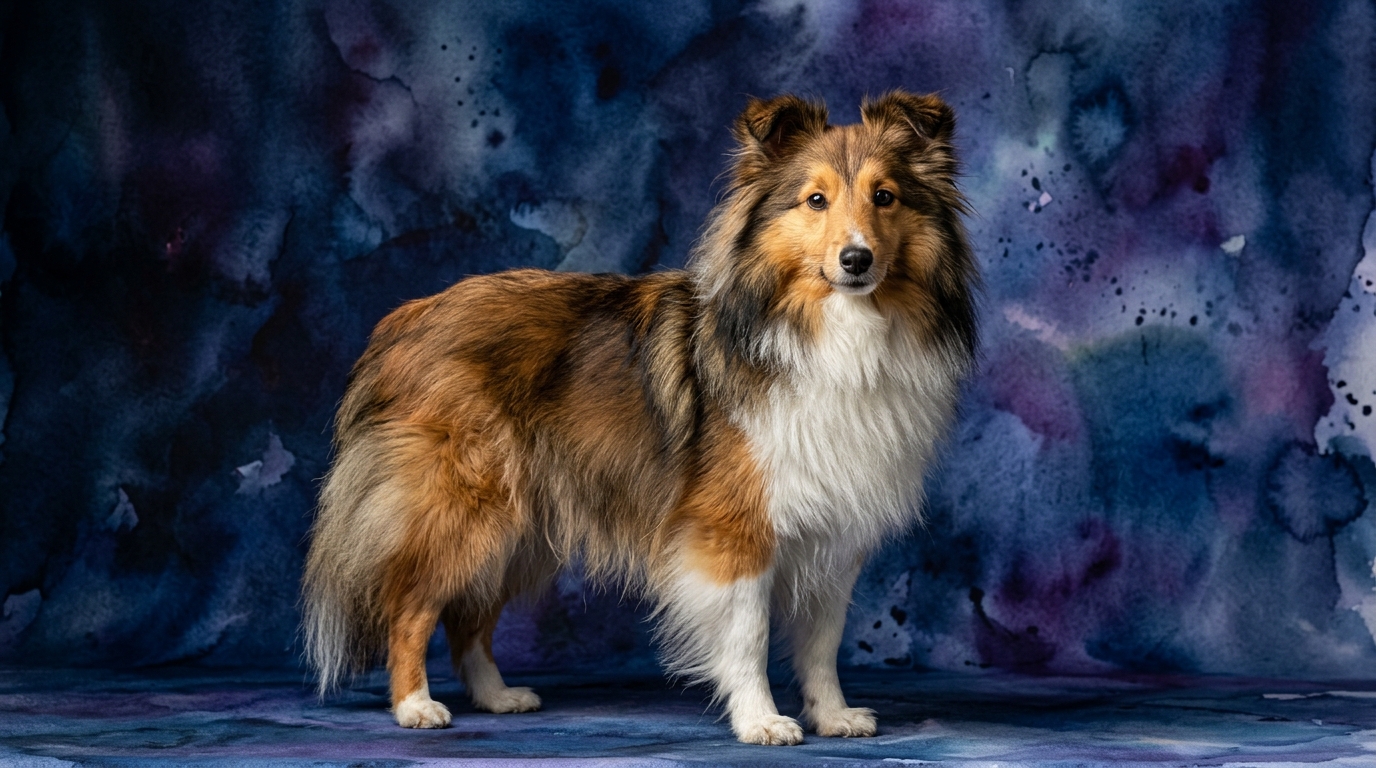
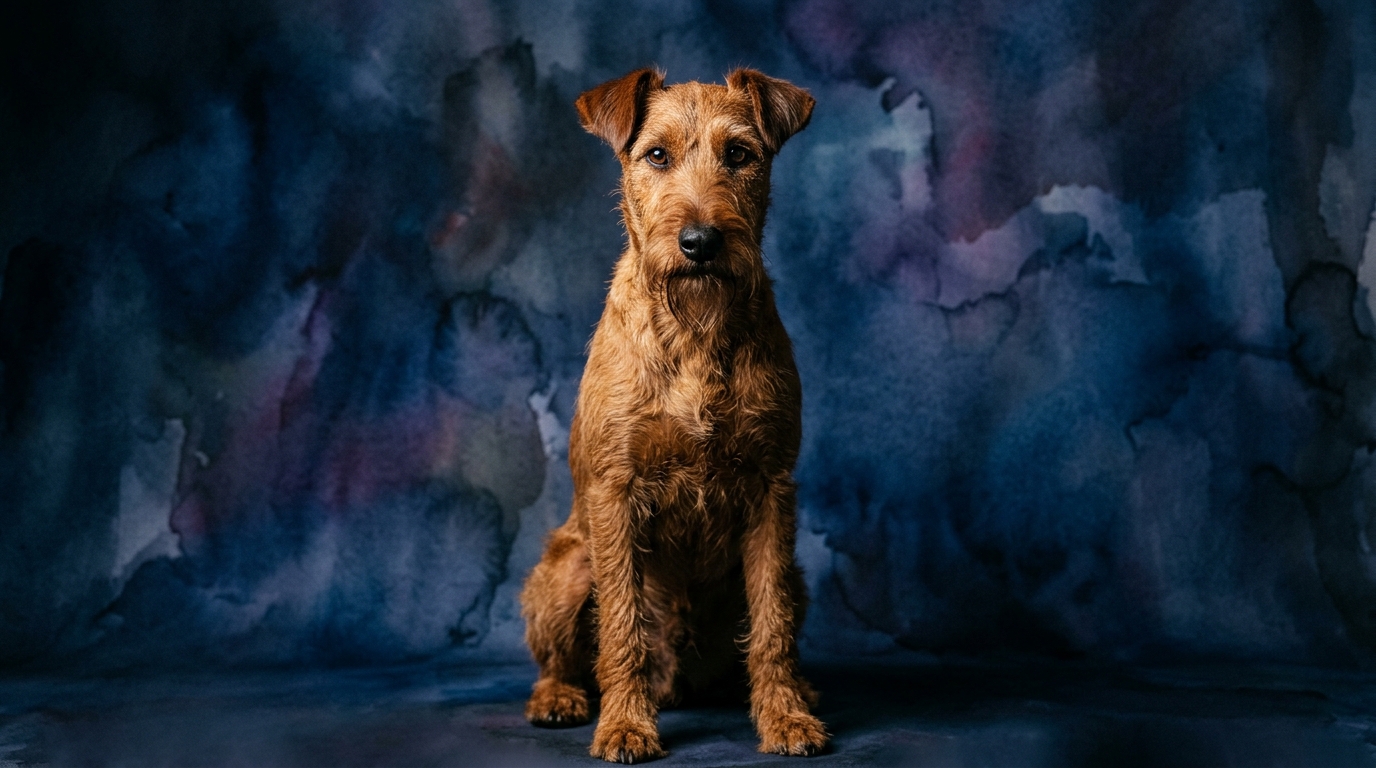
Side-by-Side IQ Profile: Sheltie vs. Irish Terrier
The Shetland Sheepdog, a Herding group member, boasts a Coren rank of #6, placing it among breeds with exceptional working and obedience intelligence. Its IQ profile includes Problem Solving at 4/5, indicating a strong capacity for navigating complex scenarios and figuring out solutions independently. Training Speed registers a perfect 5/5, reflecting its eagerness to learn and rapid assimilation of new commands and routines. Social Intelligence is rated 4/5, suggesting a nuanced understanding of human cues and intricate social dynamics. An Instinctive Drive of 5/5 highlights its deep-seated herding instincts and strong motivation for task-oriented activities, while Memory, also at 5/5, ensures excellent retention of learned behaviors and experiences.
In contrast, the Irish Terrier, a member of the Terrier group, does not appear on the Coren ranking, indicating a different cognitive approach rather than a lack of capability. Its IQ scores present a more balanced, albeit generally lower, profile across the board. Problem Solving is rated 3/5, suggesting a practical, direct approach to challenges, perhaps less inclined towards elaborate multi-step solutions. Training Speed also stands at 3/5, meaning it requires more repetition and patience, but can still learn effectively. Social Intelligence is 3/5, implying a straightforward, less subtle interaction style, but still capable of strong bonds. Instinctive Drive is 3/5, reflecting its terrier tenacity and prey drive, focused on its traditional role, and Memory is 3/5, indicating a solid, but not exceptional, recall of information.
Where the Shetland Sheepdog Wins Cognitively
The Shetland Sheepdog's cognitive strengths are evident in its superior scores across nearly all dimensions. Its 4/5 Problem Solving ability means it can quickly assess novel situations and devise effective strategies, whether it's figuring out how to open a gate or navigating an agility course with minimal guidance. This capacity for independent thought and adaptive reasoning gives it a distinct advantage in complex environments. The perfect 5/5 in Training Speed allows Shelties to grasp new concepts and commands with remarkable swiftness, making them highly receptive to advanced training and intricate routines. They often anticipate cues and are eager to engage in learning activities.
Furthermore, the Sheltie's 5/5 Memory ensures that once a behavior or task is learned, it is retained for a very long time, minimizing the need for constant refreshers. This robust memory, combined with a 4/5 Social Intelligence, enables them to understand and respond to human emotions and intentions with considerable accuracy, fostering a deep, intuitive partnership. Their 5/5 Instinctive Drive, deeply rooted in their herding heritage, translates into a powerful motivation for purpose-driven activities, making them highly engaged and persistent in tasks they perceive as having a goal.
Where the Irish Terrier Wins Cognitively
While the Irish Terrier's scores might appear lower, its cognitive profile fosters a distinct set of advantages, particularly for owners who appreciate an independent and resilient spirit. Its 3/5 Problem Solving, for instance, translates into a straightforward, tenacious approach; rather than intricate planning, an Irish Terrier often tackles challenges with directness and persistence, making it exceptionally determined when pursuing a goal. This less complex problem-solving style can mean fewer instances of overthinking or anxiety in novel situations, leading to a more robust and self-reliant temperament.
The Irish Terrier's 3/5 Social Intelligence, while not as nuanced as the Sheltie's, contributes to a clear, unambiguous communication style. They form incredibly strong, devoted bonds, often expressed with an unwavering loyalty rather than subtle people-pleasing. Their 3/5 Instinctive Drive, though lower in breadth than a Herding dog's, is intensely focused on its terrier heritage, manifesting as a fierce determination and courage. This specific drive makes them formidable and resolute companions for activities requiring tenacity and grit, rather than broad obedience. Their cognitive makeup supports a fearless, spirited personality that thrives on direct engagement and a clear sense of purpose.
Which is Easier to Train and Why
Based on the Pet IQ Lab data, the Shetland Sheepdog is demonstrably easier to train, primarily due to its 5/5 Training Speed and 4/5 Problem Solving. Shelties possess a strong desire to please and an inherent understanding of structure, making them highly receptive to commands and eager to participate in training sessions. They pick up new behaviors quickly, often after just a few repetitions, and can master complex sequences with relative ease. This rapid learning curve, coupled with their excellent memory, means that once a command is learned, it sticks, leading to a consistently obedient and responsive companion. Their strong instinctive drive also makes them highly motivated by tasks and goals, further aiding trainability.
The Irish Terrier, with a 3/5 Training Speed, requires more patience and consistency. While capable of learning, they are often less inclined to comply simply for the sake of pleasing and possess a more independent, sometimes stubborn, streak characteristic of terriers. Training an Irish Terrier typically involves more repetition and finding strong motivators that appeal to their specific drives, such as scent work or vigorous play, rather than just praise. Their 3/5 Problem Solving means they might require more guidance through new tasks, but once they understand the objective and are motivated, their tenacity can lead to solid, ingrained behaviors. Owners must be prepared for a more engaging, persistent approach to training, where consistency and clear boundaries are key.
Which Suits Active Owners vs. Relaxed Owners
Both breeds generally suit active owners, but their activity needs and cognitive engagement differ. The Shetland Sheepdog, with its 5/5 Instinctive Drive and high Problem Solving and Training Speed, thrives with owners who can provide consistent mental and physical stimulation. They excel in dog sports like agility, obedience, and herding trials, requiring daily structured activities that challenge their quick minds and energetic bodies. An owner who can channel their strong herding instincts into productive outlets, such as fetch or puzzle toys, will find a deeply satisfied companion. Shelties are not suited for owners seeking a purely relaxed, low-engagement pet; their intelligence demands an outlet.
The Irish Terrier, while also active, suits an owner who appreciates a spirited, tenacious companion for outdoor adventures rather than highly structured, complex training. Their 3/5 Instinctive Drive translates into a need for regular exercise, brisk walks, and opportunities to explore and engage their terrier senses—chasing squirrels, digging, or exploring new scents. While they enjoy active play, their cognitive profile suggests they might be less inclined towards intricate obedience routines and more satisfied with purposeful activities like hiking or robust play sessions. They can adapt to a slightly less rigid routine than a Sheltie, but still require consistent engagement to prevent boredom and destructive behaviors. Relaxed owners, meaning those who prefer minimal interaction or exercise, would struggle with either breed.
The Verdict: When to Choose Each Breed
The Verdict
Choose the Shetland Sheepdog if you desire a highly trainable, quick-witted companion eager to learn complex tasks and participate in dog sports, valuing a deep, intuitive partnership built on nuanced communication and consistent mental engagement.
Opt for the Irish Terrier if you appreciate a spirited, independent, and tenacious companion with unwavering loyalty, capable of forming strong bonds and thriving on direct engagement and adventurous outdoor activities, even if it requires more patience in training.
🧠 Find Your Pet's IQ Score
Our Pet IQ Lab assessment covers 25+ tests across 5 cognitive dimensions — personalized to your breed.
Take the Full IQ Test →Frequently Asked Questions
Do Shetland Sheepdogs require a lot of mental stimulation?
Yes, with a Problem Solving score of 4/5 and Memory at 5/5, Shetland Sheepdogs have active minds that require significant mental engagement. They thrive on puzzle toys, learning new tricks, and participating in dog sports to prevent boredom and maintain their cognitive health.
Is the Irish Terrier difficult to live with due to its independence?
The Irish Terrier's independence, stemming from its 3/5 Social Intelligence and Instinctive Drive, means it requires consistent leadership and clear boundaries. While not overtly 'difficult,' owners must be prepared for a spirited personality that benefits from firm, fair training and ample opportunities for appropriate independent activity.
Which breed is better for first-time dog owners?
The Shetland Sheepdog's higher Training Speed (5/5) and eagerness to please generally make it a more forgiving and adaptable choice for first-time dog owners willing to provide ample mental and physical stimulation. The Irish Terrier's independent nature and tenacity might be more challenging for those without prior dog ownership experience.