
Side-by-Side IQ Profile
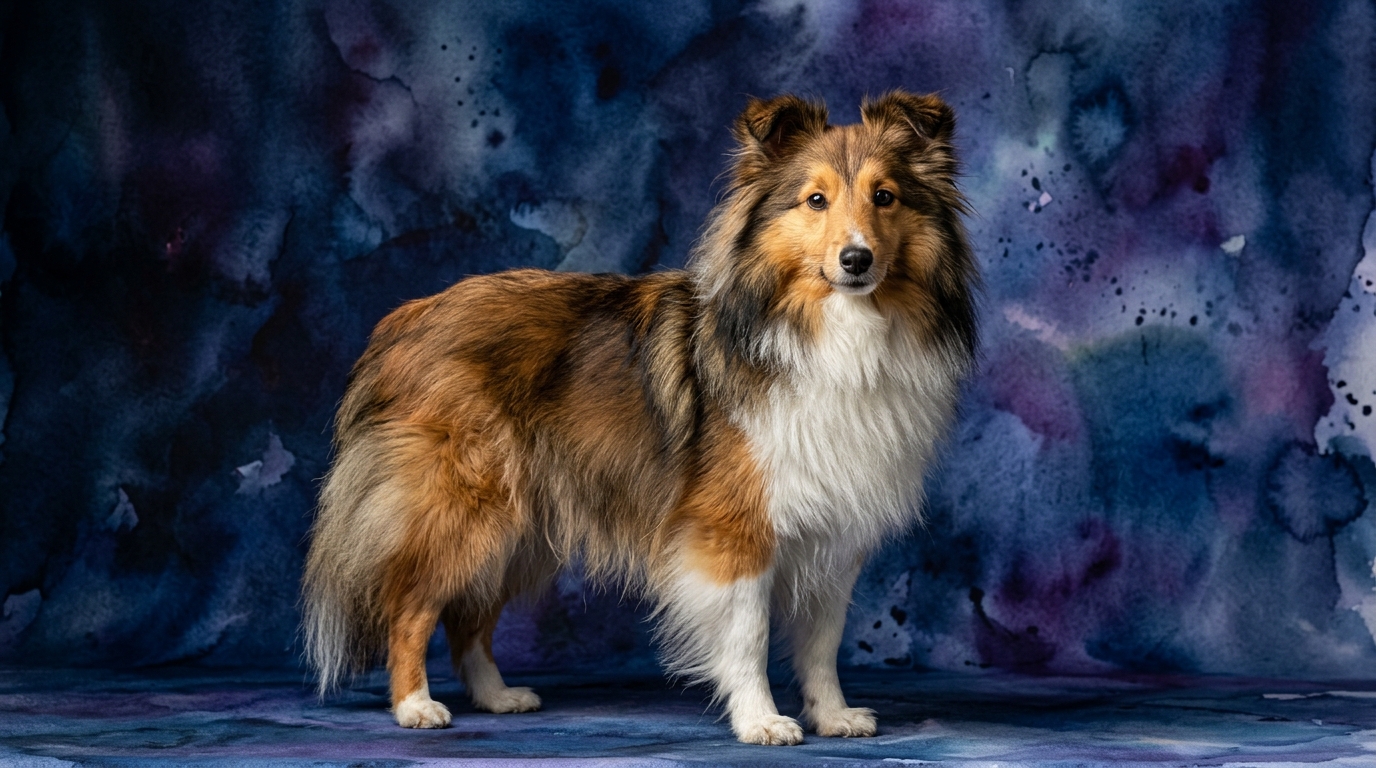
Shetland Sheepdog (Herding Group, Coren Rank #6): Shelties exhibit a strong cognitive profile rooted in their herding heritage. Their Problem Solving is rated 4/5, reflecting their capacity to navigate complex flock movements and adapt to changing conditions. Training Speed is an exceptional 5/5, indicating an eagerness to learn and rapidly absorb new commands and routines. Social Intelligence, at 4/5, shows their attentiveness to human cues, though they can be more reserved than some breeds. An Instinctive Drive of 5/5 highlights their powerful urge to herd and organize, channeling intense focus. Finally, their Memory is also 5/5, crucial for recalling intricate patterns and learned behaviors over time.
Labrador Retriever (Sporting Group, Coren Rank #7): Labs present a slightly different yet equally impressive cognitive makeup, shaped by their role as water retrievers and companions. Their Problem Solving scores 4/5, demonstrating their ability to figure out how to retrieve objects from challenging environments or solve simple puzzles. Training Speed matches the Sheltie at 5/5, underscoring their cooperative nature and quick grasp of instruction. Social Intelligence is a standout 5/5, reflecting their exceptional ability to read human emotions, engage in cooperative play, and integrate seamlessly into diverse social settings. Instinctive Drive, at 4/5, points to their strong retrieving instincts and desire to work alongside humans, though perhaps less intensely focused than a herding drive. Their Memory is a solid 4/5, allowing them to recall specific locations of retrieved items or a wide array of commands.
Where Shetland Sheepdog Wins Cognitively
The Sheltie's cognitive edge often lies in tasks demanding precision, sequence memory, and independent problem-solving within a structured framework. Their 5/5 Memory shines when mastering complex agility courses, intricate obedience routines, or multi-step trick sequences, where recalling the exact order and execution is paramount. The 5/5 Instinctive Drive fuels an intense, focused work ethic, allowing them to maintain concentration on a task for extended periods, such as guiding livestock or performing intricate freestyle routines. This drive, combined with their problem-solving ability, makes them adept at anticipating and reacting to dynamic environments, like a sheepdog adjusting its approach to a scattered flock without direct human command. Their sensitivity, while sometimes perceived as shyness, actually contributes to their finely tuned observational skills, allowing them to pick up on subtle cues that others might miss.
Where Labrador Retriever Wins Cognitively
Labrador Retrievers excel in areas requiring broad social attunement, resilience, and enthusiastic cooperation. Their 5/5 Social Intelligence is a significant advantage, making them exceptionally good at understanding human intentions, responding to subtle body language, and adapting their behavior to suit different people and situations. This manifests as an eagerness to please that translates into robust trainability and a willingness to work collaboratively in diverse settings, from assistance work to search and rescue. While their Instinctive Drive is 4/5 compared to the Sheltie's 5/5, it's their unwavering optimism and lower sensitivity to environmental pressures that allow them to perform reliably in busy, distracting environments where a Sheltie might become overwhelmed. Their problem-solving is often applied to practical, real-world scenarios, like figuring out how to retrieve a toy from under furniture or navigating obstacles to reach a specific person, all while maintaining a cheerful disposition.
Which is Easier to Train and Why
Both breeds share an impressive 5/5 Training Speed, meaning they are quick studies, but the "ease" of training often depends on the owner's approach and the specific goals. Shelties learn commands rapidly, often requiring fewer repetitions due to their sharp focus and excellent memory. However, their sensitivity means they respond best to gentle, positive reinforcement methods; harsh corrections can lead to anxiety or a shutdown in cooperation. Training a Sheltie often involves channeling their strong herding drive into productive outlets like agility or obedience, where their precision and desire to work are rewarded. Labs, with their equally high training speed and superior social intelligence, are remarkably forgiving and eager to please, making them generally easier for first-time owners or those who prefer a more relaxed training style. Their robust temperament allows them to bounce back quickly from minor training errors, and their sheer enthusiasm makes training sessions feel more like a fun game. While both excel, the Lab's inherent sociability and resilience often make the training journey feel smoother and more adaptable to varying owner experience levels.
Which Suits Active Owners vs Relaxed Owners
Understanding their cognitive profiles helps align these breeds with suitable lifestyles. Active owners who enjoy structured, mentally stimulating activities will find an excellent partner in the Shetland Sheepdog. Shelties thrive on challenges like competitive obedience, agility, rally, or even herding trials, which engage their problem-solving, memory, and intense instinctive drives. They need daily mental engagement alongside physical exercise to prevent boredom and potential neurotic behaviors. A relaxed owner, by contrast, might find a Sheltie's constant need for mental stimulation overwhelming if they are not prepared to provide it. Labrador Retrievers, while certainly active and needing substantial physical exercise like long walks, runs, or swimming, are often better suited for owners who desire a more socially integrated companion without the same intensity of structured mental work. Their high social intelligence means they are content to be involved in family activities, fetch games in the yard, or accompany owners on adventures, making them versatile companions for moderately active families who prioritize companionship and outdoor fun over specialized canine sports.
The Verdict
Choose a Shetland Sheepdog if you are an active owner seeking a precise, focused partner for complex dog sports or require a dog with exceptional memory and an intense drive for structured tasks. Their cognitive strengths truly shine when given intricate challenges to master.
Opt for a Labrador Retriever if you prioritize a highly social, adaptable, and resilient companion for family life and outdoor adventures, valuing their eagerness to please and unwavering cooperative spirit. They excel in environments where their social intelligence and cheerful disposition are celebrated.
🧠 Find Your Pet's IQ Score
Our Pet IQ Lab assessment covers 25+ tests across 5 cognitive dimensions — personalized to your breed.
Take the Full IQ Test →Frequently Asked Questions
Do Shetland Sheepdogs make good family pets, given their intelligence?
Shetland Sheepdogs can be wonderful family pets, particularly with older children who understand how to interact gently. Their social intelligence allows them to bond closely with their family, but their sensitivity means they appreciate a calm, structured home environment. They thrive when included in family activities that offer mental stimulation.
Are Labrador Retrievers prone to destructive behavior if not mentally stimulated?
Labrador Retrievers are active dogs, and while their social intelligence makes them adaptable, insufficient physical exercise or mental engagement can lead to boredom and potential destructive chewing, especially in younger Labs. Providing ample opportunities for play, exercise, and basic training helps channel their energy constructively.
How much daily exercise do these breeds typically need to stay happy and mentally engaged?
Both breeds require significant daily exercise. Shetland Sheepdogs need at least an hour of moderate exercise, ideally combined with mental games or training sessions to satisfy their sharp minds. Labrador Retrievers benefit from 60-90 minutes of vigorous exercise daily, including walks, runs, swimming, or active fetch games, to keep them physically and mentally content.