Side-by-Side IQ Profile: Shetland Sheepdog vs. Lakeland Terrier
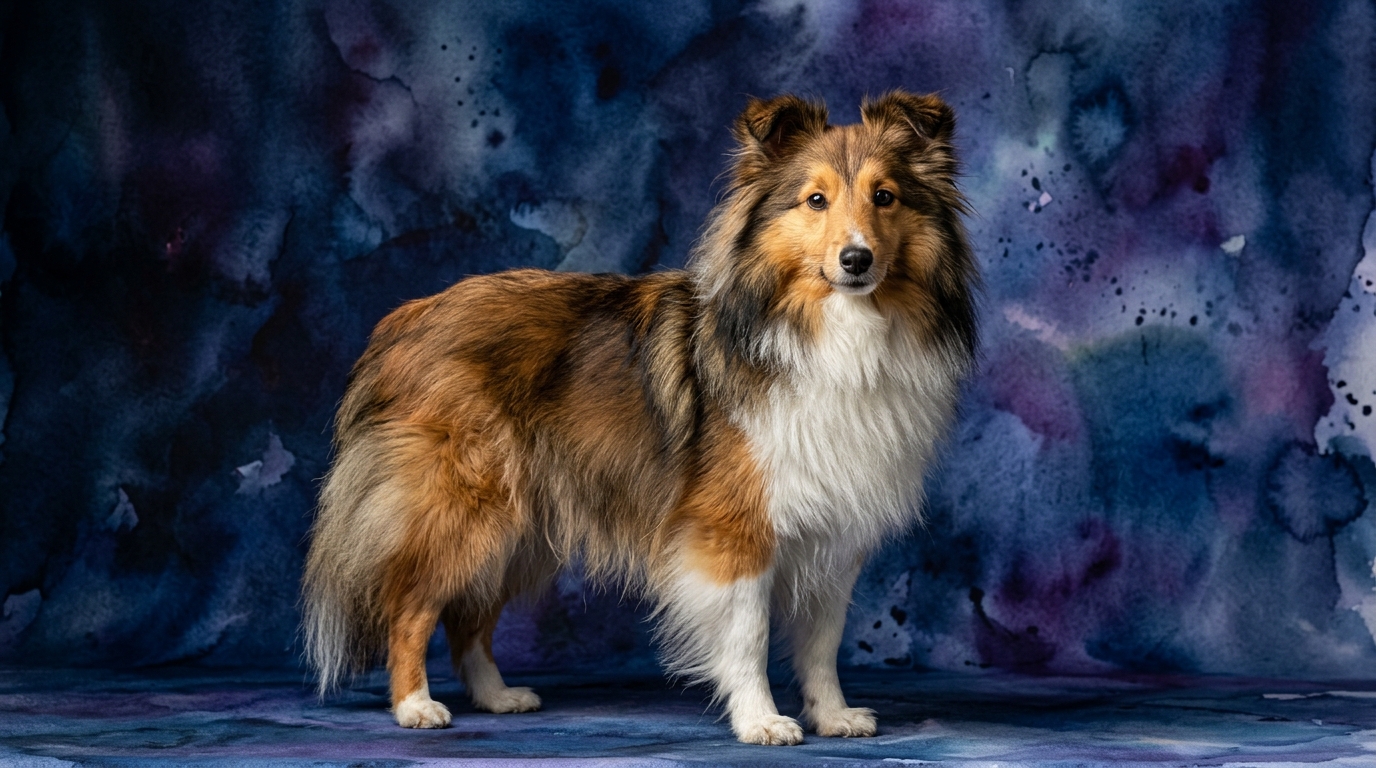
Shetland Sheepdog (Herding Group): Problem Solving (4/5): Shetland Sheepdogs possess a strong capacity for independent thought and figuring out complex situations, often demonstrating clever strategies to achieve their goals, whether it's navigating an agility course or outsmarting a flock. Training Speed (5/5): Their ability to absorb and apply new commands is exceptionally quick, making them highly responsive learners who pick up routines and tasks with minimal repetition. Social Intelligence (4/5): Shelties are remarkably attuned to human emotions and intentions, often anticipating their owner's next move or mood, which fosters a deep, communicative bond. Instinctive Drive (5/5): Their herding heritage manifests as a powerful drive to gather, control, and work, translating into a strong desire for purpose and engagement in their daily lives. Memory (5/5): With excellent recall for both learned behaviors and past experiences, Shetland Sheepdogs retain commands and lessons over long periods, making them consistent performers.
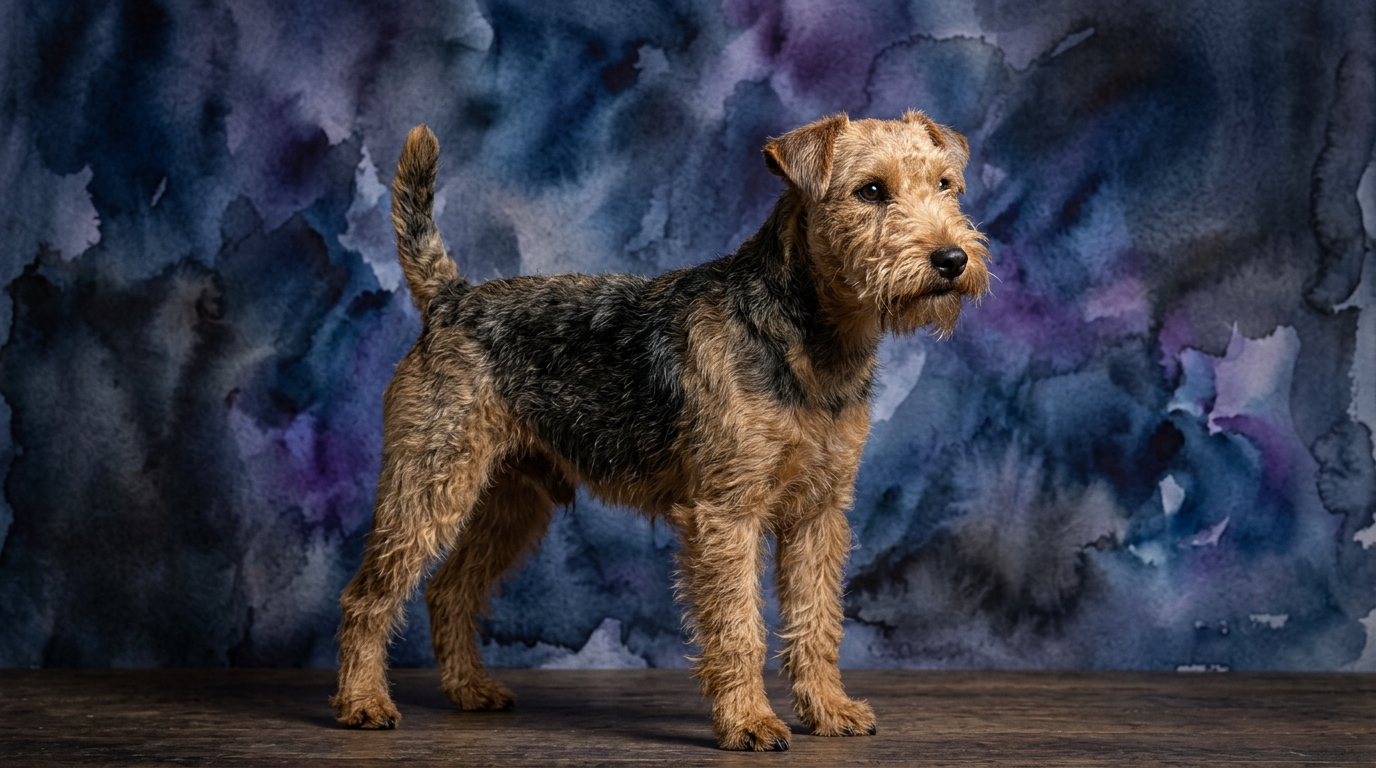
Lakeland Terrier (Terrier Group): Problem Solving (3/5): Lakeland Terriers demonstrate practical problem-solving skills, particularly when motivated by their terrier instincts, though they might approach challenges with more direct persistence than intricate planning. Training Speed (3/5): They learn at a moderate pace, requiring consistent and engaging training methods to maintain their focus, and may need more repetition to solidify new commands compared to faster learners. Social Intelligence (3/5): While capable of forming strong bonds, their social intelligence is typically more focused on their immediate family, and they might be less inclined to constantly seek human direction than a herding breed. Instinctive Drive (3/5): Their terrier drive is strong, geared towards hunting and chasing small prey, which can make them quite independent and determined when pursuing an interesting scent or movement. Memory (3/5): Lakeland Terriers possess a functional memory for commands and routines, though consistent reinforcement helps to ensure reliable recall, especially when distractions are present.
Where the Shetland Sheepdog Wins Cognitively
The Shetland Sheepdog's cognitive strengths distinctly shine in areas demanding intricate learning, precise execution, and a strong partnership with their human. Their superior training speed and memory (both 5/5) mean they master complex sequences, multi-step commands, and competitive dog sports like agility or obedience with remarkable efficiency. This breed's high social intelligence (4/5) allows them to interpret subtle human cues, making them incredibly responsive and intuitive partners, often anticipating their owner's wishes. Furthermore, their powerful instinctive drive (5/5) for herding translates into a profound desire to work and please, providing a robust internal motivation for engagement that few breeds can match. This combination enables them to excel in roles requiring continuous learning, adaptability, and a deep, communicative bond.
Where the Lakeland Terrier Wins Cognitively
While the Lakeland Terrier's IQ scores might appear lower, their cognitive profile represents a different, equally valuable set of strengths rooted in their terrier heritage. Their problem-solving (3/5) is characterized by a tenacious, determined approach, particularly effective in tasks requiring persistence and independent action, such as locating hidden objects or navigating obstacles with self-reliance. This breed's instinctive drive (3/5), though scoring lower than a herder's, is intensely focused on hunting and exploring, providing a powerful internal motivation that makes them exceptionally single-minded when pursuing a goal relevant to their prey drive. Unlike breeds seeking constant human direction, the Lakeland's cognitive independence means they are less prone to 'overthinking' and more focused on practical, immediate solutions, making them admirable for tasks where self-sufficiency and grit are paramount, rather than complex, human-directed obedience.
Trainability: Which Is Easier and Why?
Without a doubt, the Shetland Sheepdog presents a significantly easier training experience for most owners. Their exceptional training speed (5/5) means they grasp new commands almost immediately, often requiring only a few repetitions. This is compounded by their high social intelligence (4/5) and strong instinctive drive (5/5), which translates into a genuine eagerness to please and work cooperatively with their human. Shelties thrive on positive reinforcement and consistency, viewing training as a collaborative activity where they can utilize their mental prowess and bond with their owner. In contrast, the Lakeland Terrier, with its moderate training speed (3/5) and more independent nature stemming from its terrier instincts, can be more challenging. While capable of learning, they often require more patience, creativity, and motivation tailored to their prey drive. Their focus can be easily diverted by environmental stimuli, and they are less inherently driven by human approval, demanding a trainer who understands how to harness their tenacity rather than expect instant compliance.
Matching Breeds to Lifestyles: Active vs. Relaxed Owners
Both breeds generally suit active owners, but their needs differ in focus. The Shetland Sheepdog is ideal for owners who are not only active physically but also mentally engaged with their dog. Their high problem-solving, instinctive drive, and memory demand regular mental challenges, structured training, and activities like agility, obedience, or herding trials to keep them fulfilled. A relaxed owner might find a Sheltie becomes bored, potentially leading to undesirable behaviors. The Lakeland Terrier also requires an active owner, but one who appreciates their independent spirit and provides outlets for their terrier-specific drives. They need regular exercise to burn off energy and opportunities to explore, dig, or chase safely. While they might not demand the same level of complex mental 'work' as a Sheltie, a relaxed owner unprepared for their spirited nature and potential for independent decision-making could find them a handful, as their instincts need appropriate channeling.
The Verdict
Choose a Shetland Sheepdog if you seek a highly trainable, sensitive, and profoundly engaged canine partner eager for complex activities and a deep communicative bond, thriving on mental and physical challenges.
Opt for a Lakeland Terrier if you appreciate an independent, spirited, and tenacious companion with a strong personality, are prepared for consistent, patient training, and enjoy a dog that approaches life with determined self-reliance.
🧠 Find Your Pet's IQ Score
Our Pet IQ Lab assessment covers 25+ tests across 5 cognitive dimensions — personalized to your breed.
Take the Full IQ Test →Frequently Asked Questions
Are Shetland Sheepdogs good for first-time owners?
Yes, Shetland Sheepdogs can be excellent for first-time owners due to their high trainability and eagerness to please, provided the owner is committed to meeting their significant needs for mental stimulation and regular exercise. Their responsiveness makes the learning process rewarding for both dog and human.
Do Lakeland Terriers get along with other pets?
Lakeland Terriers can coexist with other pets, especially if socialized from a young age, but their strong prey drive means careful introductions and supervision are crucial, particularly with smaller animals like cats or rodents. They often do well with other dogs if properly introduced and managed.
What kind of mental stimulation do Lakeland Terriers need?
Lakeland Terriers benefit from mental stimulation that taps into their natural terrier instincts, such as puzzle toys, scent work, supervised digging opportunities, and training that is kept engaging and varied. Short, frequent training sessions and opportunities to explore new environments also help keep their minds active.