Side-by-Side IQ Profile: Sheltie vs. Lhasa Apso
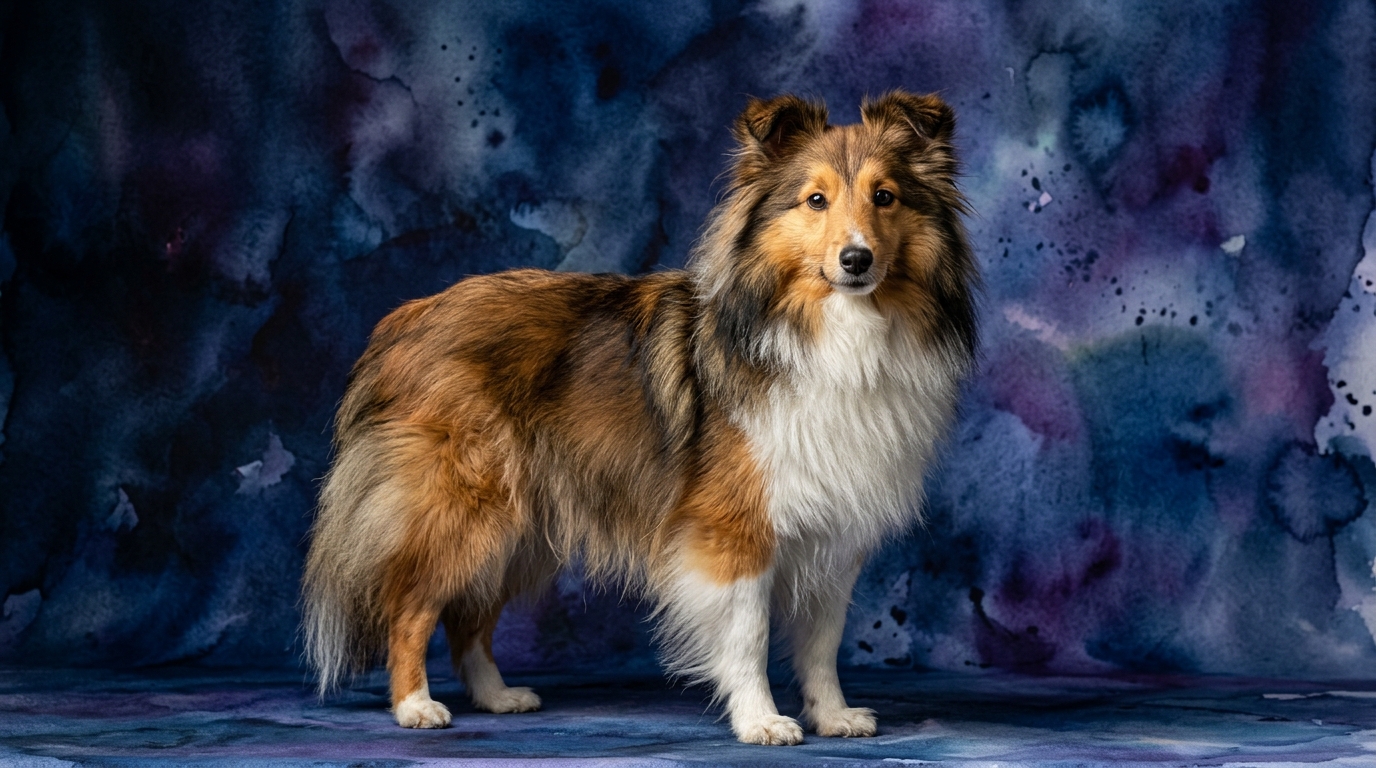
A cognitive marvel, the Shetland Sheepdog ranks an impressive #6 on the Coren scale, indicating a profound capacity for obedience and working tasks. Their Problem Solving score of 4/5 reflects an aptitude for navigating complex environments and figuring out multi-step challenges, essential for their herding heritage. Training Speed is a stellar 5/5, meaning new commands are grasped with minimal repetition, often just 5-10 tries. Social Intelligence, at 4/5, highlights their sensitivity to human cues and a desire for cooperative interaction, making them highly attuned partners. An Instinctive Drive of 5/5 underscores their innate desire to work and herd, channeling energy into purposeful activity. Finally, their Memory, also 5/5, ensures they retain learned behaviors and routines over extended periods, making them consistently reliable.
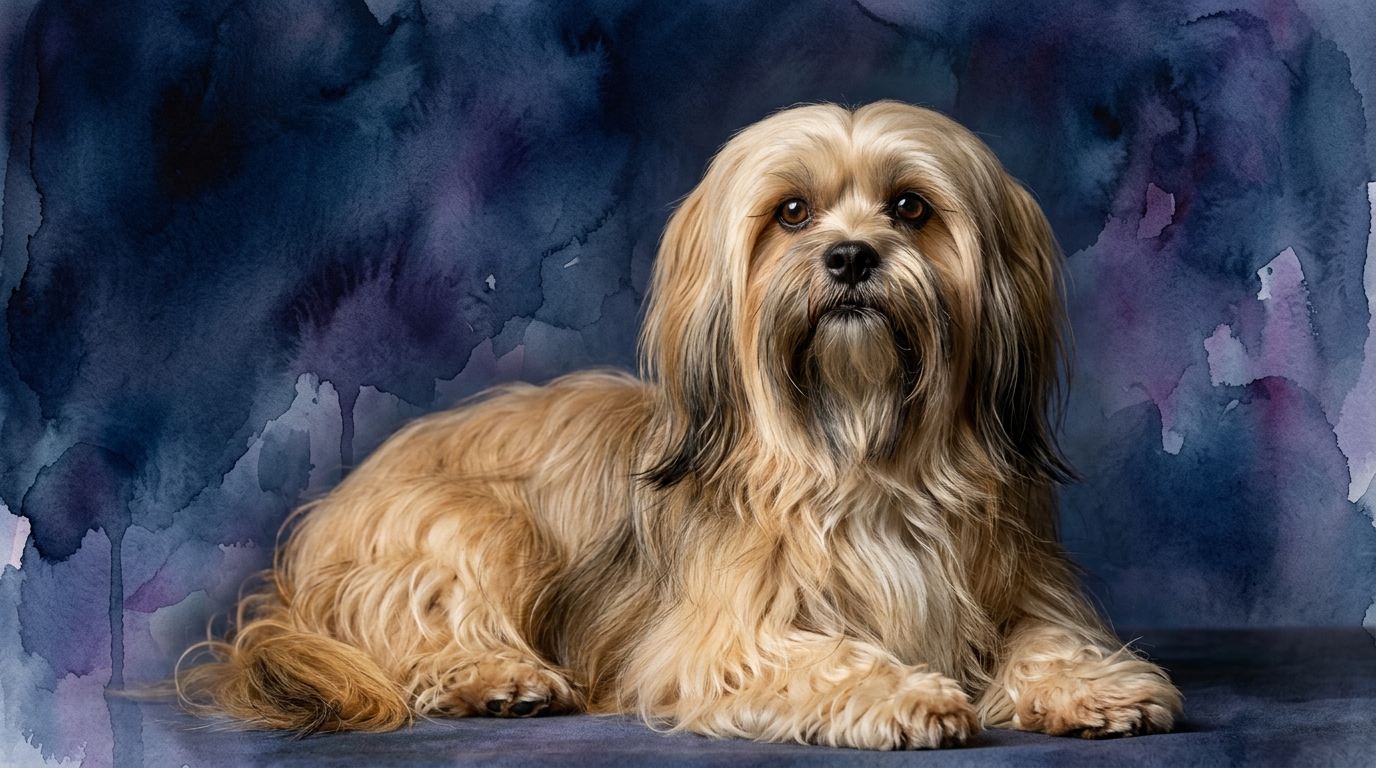
With a Coren rank of #68, the Lhasa Apso presents a different, yet equally valid, cognitive blueprint, shaped by centuries as a watchful companion. Their Problem Solving score of 3/5 suggests they are capable of navigating their environment and solving practical issues relevant to their daily life, though less inclined towards abstract or handler-directed puzzles. Training Speed, rated at 3/5, means they require more patience and repetition, typically 25-40 attempts to solidify new commands, reflecting their independent spirit. Social Intelligence, also 3/5, points to a discerning nature; deeply bonded with family, they can be reserved or indifferent towards strangers, processing social interactions on their own terms. An Instinctive Drive of 3/5 manifests as a strong guarding tendency rather than a drive for complex tasks or physical exertion, prioritizing vigilance. Their Memory, at 3/5, allows them to recall routines and family members, but complex sequences might fade without consistent reinforcement.
Where the Shetland Sheepdog Wins Cognitively
The Shetland Sheepdog's cognitive strengths are rooted in their working history, manifesting as superior processing speed and an eager cooperative spirit. Their 5/5 Training Speed and Memory, combined with a 4/5 Problem Solving ability, mean they excel at learning and executing intricate command sequences. Picture a Sheltie effortlessly navigating an agility course, responding to subtle hand signals and verbal cues, or learning a multi-step routine for a dog sport. Their cognitive architecture allows them to anticipate their handler's next move and adapt behavior on the fly, demonstrating a fluid understanding of complex instructions. This capacity for rapid assimilation and retention, coupled with high social intelligence, makes them unparalleled partners in tasks requiring precise, collaborative effort. They don't just learn; they actively seek to understand and perform, making them exceptional students in any structured training environment.
Where the Lhasa Apso Wins Cognitively
While not scoring as high in traditional obedience metrics, the Lhasa Apso's cognitive wins are profound in their own domain: independent vigilance and discerning companionship. Their 3/5 Problem Solving, though lower than the Sheltie's, is perfectly adapted for their role as a sentinel. They excel at observational problem-solving related to their environment, like identifying the best vantage point for guarding or discerning unusual sounds from routine ones. Their 3/5 Social Intelligence, rather than signifying a lack, signifies a highly selective and protective bond; they are masters of reading their immediate family's moods and intentions, offering comfort or alert warnings as needed. This independent processing means they aren't constantly seeking direction, but rather making their own judgments, a critical asset for a guardian breed. Their cognitive profile prioritizes independent assessment and a self-assured disposition, making them astute observers and loyal, discerning companions who don't require constant instruction to feel fulfilled.
Which is Easier to Train and Why
The Shetland Sheepdog is significantly easier to train due to its cognitive makeup. Their 5/5 Training Speed and 5/5 Memory mean they absorb new commands rapidly, often within a handful of repetitions, and retain them for life. This ease stems from their intrinsic desire to work collaboratively with a human, a hallmark of herding breeds. They find joy and fulfillment in learning and executing tasks, making training a positive reinforcement loop. A Sheltie's high social intelligence means they are highly attuned to their handler's intentions. In contrast, the Lhasa Apso, with a 3/5 Training Speed, presents a more significant training challenge. Their independent nature and historical role as a self-reliant sentinel mean they often weigh commands against their own perceived importance. They require more repetitions (25-40) and a patient, consistent approach, often responding best to positive reinforcement that makes them feel they're choosing to cooperate. Their training isn't about speed, but about building trust and mutual respect, acknowledging their discerning and sometimes stubborn streak.
Which Suits Active Owners vs. Relaxed Owners
The choice between these breeds often hinges on an owner's lifestyle. The Shetland Sheepdog, with its 5/5 Instinctive Drive and high problem-solving capacity, is an ideal match for active owners. These dogs thrive on mental stimulation and physical activity, whether it's daily long walks, dog sports like agility, or learning complex tricks. An owner who can channel their Sheltie's considerable energy and cognitive prowess into purposeful activities will find an incredibly rewarding partnership. Without adequate stimulation, a Sheltie can become bored, potentially leading to undesirable behaviors. The Lhasa Apso, conversely, is better suited for relaxed owners. While they enjoy walks and playtime, their instinctive drive is geared more towards vigilance and companionship rather than intense physical exertion or complex tasks. Their contentment often comes from being near their family, observing their surroundings, and offering quiet companionship. They require less structured exercise but appreciate a secure home environment where they can fulfill their natural role as a discerning sentinel without the pressure of constant activity or demanding cognitive challenges.
The Verdict
When seeking a highly engaged, cooperative partner for dog sports, advanced training, or an active family life, the Shetland Sheepdog is the clear choice.
For those desiring a discerning, independent companion who offers alert companionship and requires less structured activity, the Lhasa Apso will be a deeply rewarding presence.
🧠 Find Your Pet's IQ Score
Our Pet IQ Lab assessment covers 25+ tests across 5 cognitive dimensions — personalized to your breed.
Take the Full IQ Test →Frequently Asked Questions
Do Shetland Sheepdogs require a lot of mental stimulation?
Absolutely. With a 4/5 problem-solving and 5/5 instinctive drive, Shelties thrive on learning new commands, playing puzzle games, and participating in dog sports to keep their active minds engaged and prevent boredom.
Is the Lhasa Apso difficult to live with due to its independent nature?
Not at all, but they require understanding. Their 3/5 social intelligence means they form deep bonds with family but can be reserved with strangers, and their independence means they appreciate clear boundaries and consistent, patient training.
Can a Lhasa Apso be trained for obedience competitions?
While possible with significant dedication, their 3/5 training speed and independent drive mean they typically require more repetitions and unique motivational strategies compared to breeds like the Shetland Sheepdog, who naturally excel in such environments.