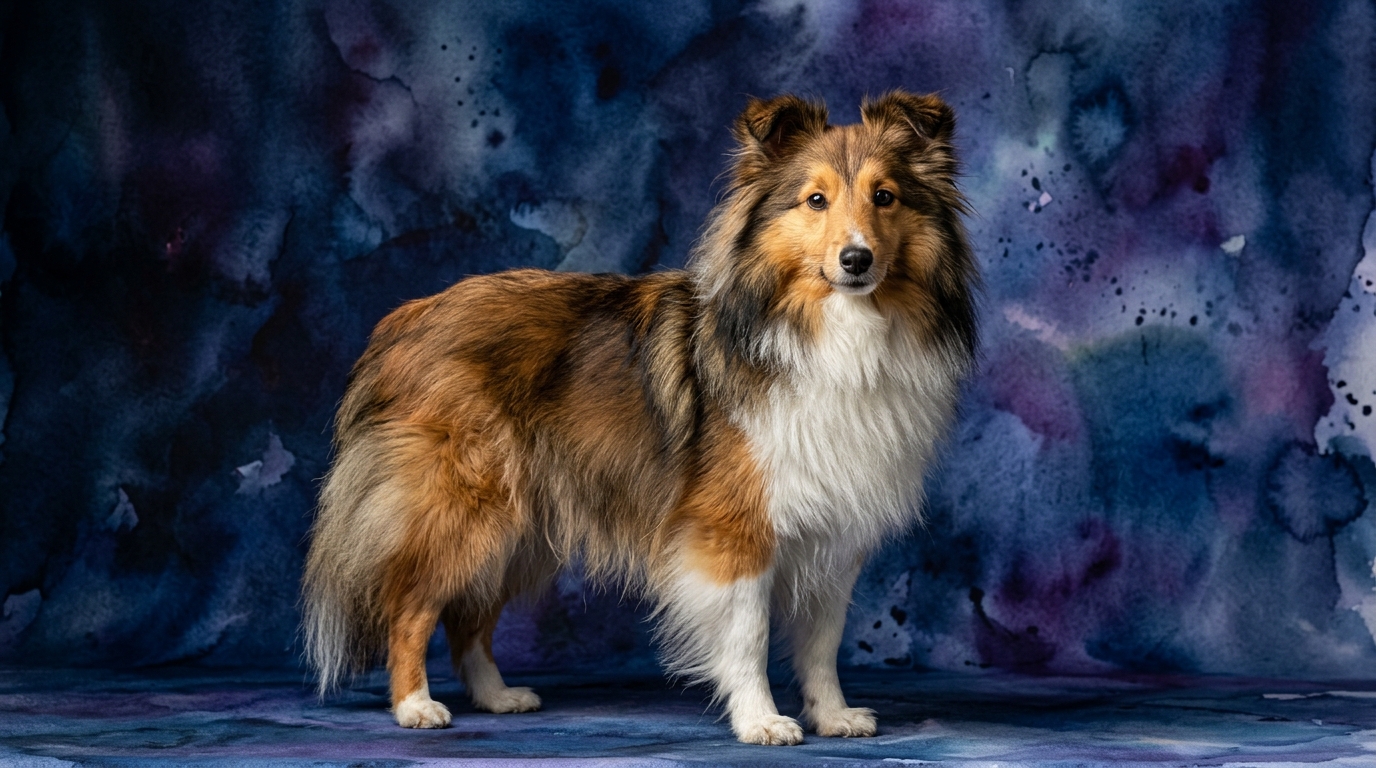
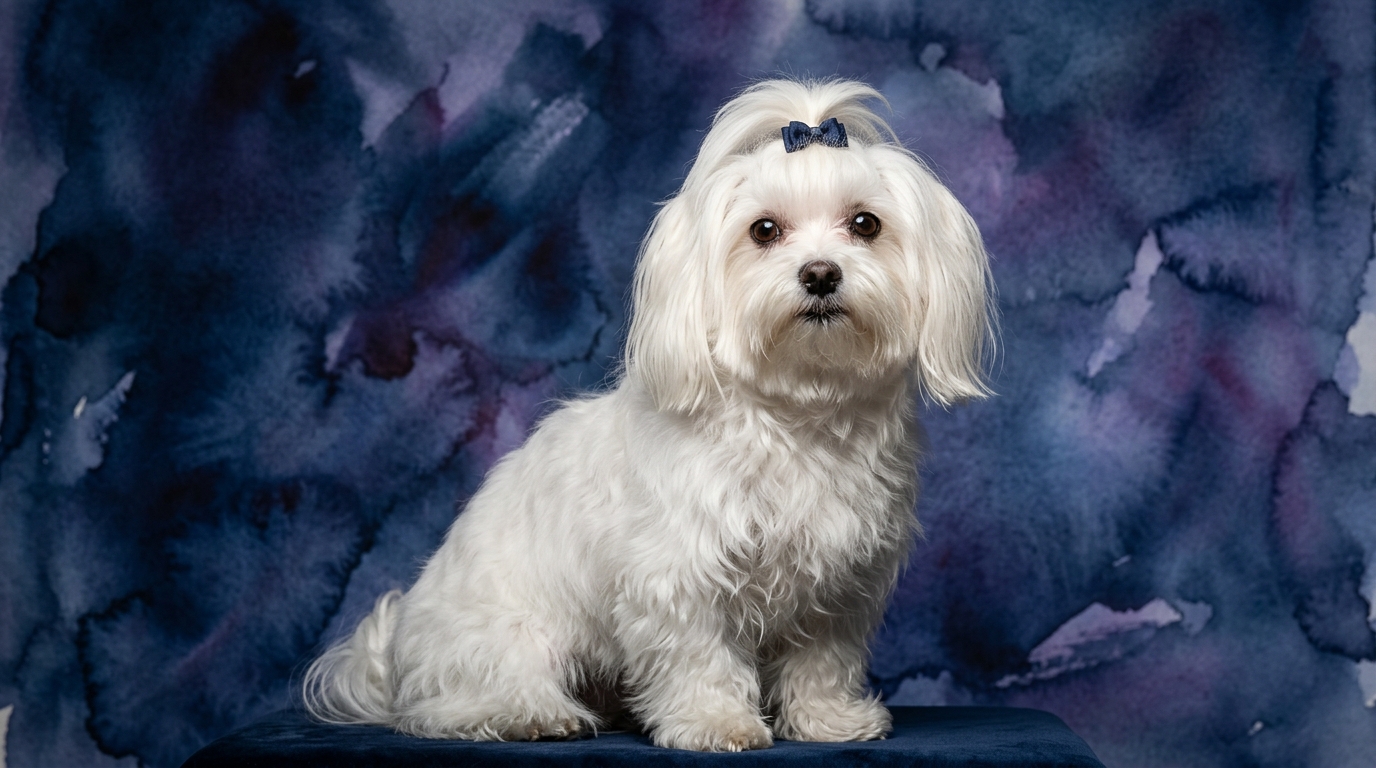
Side-by-Side IQ Profile: Sheltie vs Maltese
The Cosmic Pet Pet IQ Lab evaluates canine cognition across five crucial dimensions, offering a nuanced understanding beyond simple obedience. For the Shetland Sheepdog, a breed rooted in herding, and the Maltese, a quintessential companion dog, these metrics paint distinct pictures.
Problem Solving: This dimension measures a dog's ability to navigate novel situations and figure out solutions independently. The Shetland Sheepdog scores a robust 4/5, reflecting its historical need to adapt quickly to changing flock dynamics and environmental challenges. Shelties often exhibit initiative, figuring out how to open a gate or retrieve a dropped toy, while a Maltese, earning a 3/5, might prefer seeking human assistance or relying on routines over devising new strategies.
Training Speed: This metric assesses how quickly a dog grasps new commands and behaviors. The Shetland Sheepdog excels here with a perfect 5/5, a testament to its genetic predisposition for rapid learning and responsiveness to handler cues, essential for effective herding. Shelties typically pick up new commands in very few repetitions. Maltese, with a 3/5, while trainable, may require more consistent repetition and patience to solidify new behaviors.
Social Intelligence: This dimension evaluates a dog's understanding of human cues, emotions, and social structures. Here, the Maltese shines with an impressive 5/5. Bred for centuries as lap companions, they are exceptionally attuned to their human family's moods, often anticipating needs or offering comfort without explicit instruction. This translates into a profound ability to integrate into human social dynamics. The Shetland Sheepdog, scoring 4/5, also possesses strong social intelligence, particularly in understanding handler commands, but their focus can be more task-oriented than purely emotional.
Instinctive Drive: This refers to a dog's innate urges and predispositions, often tied to their breed's historical purpose. The Shetland Sheepdog's 5/5 in instinctive drive is palpable; their herding instincts are deeply ingrained, manifesting as a desire to gather, chase, and control movement, even if it's just family members or toys. This drive provides a powerful motivator for training and activity. The Maltese, with a 2/5, exhibits a much lower instinctive drive, reflecting its role as a pure companion; their primary instinct is often to be near their people, with less inherent motivation for complex tasks.
Memory: This dimension measures a dog's ability to retain learned information and experiences over time. The Shetland Sheepdog boasts a 5/5 memory, crucial for remembering complex routes, sheep movements, and a wide array of commands. This sharp recall aids significantly in consistent performance and advanced training. Maltese, scoring a 3/5, remember routines and basic commands, but might not retain intricate sequences with the same tenacity as a Sheltie.
Where the Shetland Sheepdog Wins Cognitively
The Shetland Sheepdog’s cognitive strengths are deeply rooted in its pastoral heritage. Their 4/5 in Problem Solving allows them to independently assess and react to dynamic situations, a trait invaluable when managing a flock or navigating complex agility courses. This isn't about brute force, but about thoughtful assessment and flexible application of learned skills. Their 5/5 Training Speed means they absorb new commands with remarkable efficiency, often understanding a new cue after just a few repetitions. This rapid assimilation of information, combined with a perfect 5/5 Memory, enables them to build an extensive repertoire of behaviors and recall them reliably, even after long periods. Furthermore, their 5/5 Instinctive Drive, while sometimes requiring channeling, provides an inherent motivation for engagement and learning, making them highly responsive to tasks that tap into their natural desire to work and organize.
Where the Maltese Wins Cognitively
While the Maltese might not match the Sheltie in task-oriented cognition, their 5/5 Social Intelligence is a profound advantage in their role as cherished companions. This exceptional aptitude means they are masters at reading human body language, vocal tones, and emotional states, often reacting with comforting nudges or playful invitations precisely when needed. They possess an innate ability to integrate seamlessly into human family dynamics, understanding social cues that might elude other breeds. This high social IQ translates into a deeply empathetic and responsive companion, capable of forming incredibly strong, intuitive bonds that are central to their appeal.
Which is Easier to Train and Why
When considering ease of training, the Shetland Sheepdog generally presents a more straightforward experience due to its superior cognitive profile in several key areas. Their 5/5 Training Speed means they pick up new commands and routines with remarkable quickness, often requiring fewer repetitions than many other breeds. Coupled with a 5/5 Memory, Shelties retain these lessons reliably, leading to consistent performance. Their 5/5 Instinctive Drive provides a strong internal motivation for engagement, making them eager participants in training sessions, especially when tasks involve problem-solving or movement. Conversely, the Maltese, with a 3/5 Training Speed and 3/5 Memory, demands more patience and consistency. They take longer to grasp new concepts and need more frequent refreshers. Their lower 2/5 Instinctive Drive means they are less inherently task-driven, often preferring comfort over complex challenges, making training more reliant on handler creativity and positive reinforcement.
Which Suits Active Owners vs. Relaxed Owners
The cognitive and instinctive profiles of these breeds clearly delineate their suitability for different lifestyles. The Shetland Sheepdog, with its high problem-solving capacity (4/5), rapid training speed (5/5), and powerful instinctive drive (5/5), thrives with active owners who can provide consistent mental stimulation and physical activity. They excel in dog sports like agility, obedience, and herding trials, and require owners who enjoy engaging them in structured play, training, and regular exercise that channels their innate working desires. A Sheltie without sufficient outlets for its cognitive and physical energy can become bored and potentially develop undesirable behaviors. In contrast, the Maltese, with its exceptional social intelligence (5/5) and lower instinctive drive (2/5), is an ideal match for relaxed owners seeking a devoted and empathetic companion. While they still benefit from daily walks and basic training, their primary need is for close human interaction and affection. They are content with indoor activities and cuddling, making them perfect for individuals or families who prioritize companionship and a calmer home environment over demanding physical or mental challenges.
The Verdict
Choose Shetland Sheepdog if: You are an active owner prepared to provide consistent mental challenges, structured training, and regular physical exercise to satisfy a dog with a strong working drive and sharp intellect.
Choose Maltese if: You desire a deeply affectionate, highly socially intelligent companion who thrives on close human interaction and a more relaxed pace of life, prioritizing emotional connection over demanding tasks.
🧠 Find Your Pet's IQ Score
Our Pet IQ Lab assessment covers 25+ tests across 5 cognitive dimensions — personalized to your breed.
Take the Full IQ Test →Frequently Asked Questions
Are Shetland Sheepdogs good for first-time dog owners?
Shetland Sheepdogs can be excellent for first-time owners who are committed to consistent training and providing ample mental and physical stimulation. Their eagerness to learn and strong desire to please make them highly trainable, but their intelligence requires engagement to prevent boredom.
Do Maltese dogs bark a lot?
Maltese can be prone to barking, especially if left alone for extended periods or if they aren't properly socialized. Their high social intelligence means they thrive on companionship and can vocalize to express loneliness or alert their owners to perceived threats.
How much exercise does a Shetland Sheepdog need compared to a Maltese?
A Shetland Sheepdog requires significantly more exercise, typically needing at least an hour of vigorous activity daily, including walks, playtime, and mental stimulation. A Maltese, while enjoying daily walks, is generally content with 20-30 minutes of moderate activity, preferring indoor play and cuddles.