Side-by-Side Cognitive Profile: Sheltie vs. Newfie
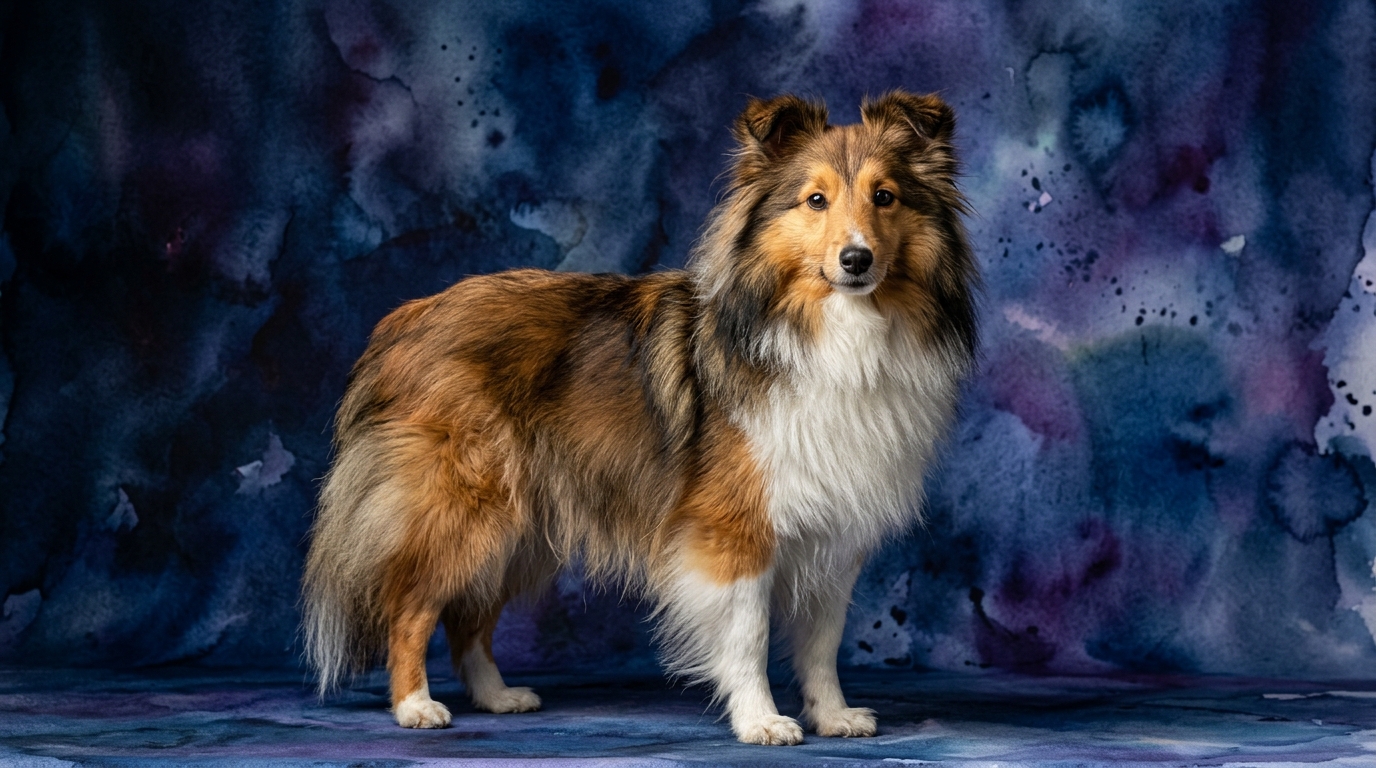
The Cosmic Pet Pet IQ Lab provides a detailed breakdown of canine cognitive dimensions, offering a nuanced understanding beyond simple 'smartness.' For the Shetland Sheepdog, categorized within the Herding group and holding Coren rank #6, its profile highlights a breed built for precision and quick action. Shelties demonstrate a Problem Solving score of 4/5, indicating strong analytical capabilities and an ability to strategize in dynamic environments. Their Training Speed is a perfect 5/5, reflecting an exceptional capacity to absorb new commands and routines with minimal repetition. Social Intelligence stands at 4/5, showing a deep attunement to their human family's emotions, though often reserved with outsiders. An Instinctive Drive of 5/5 underscores their profound herding instincts, translating into focused intensity and responsiveness. Finally, a Memory score of 5/5 means Shelties retain learned behaviors and complex sequences over extended periods.
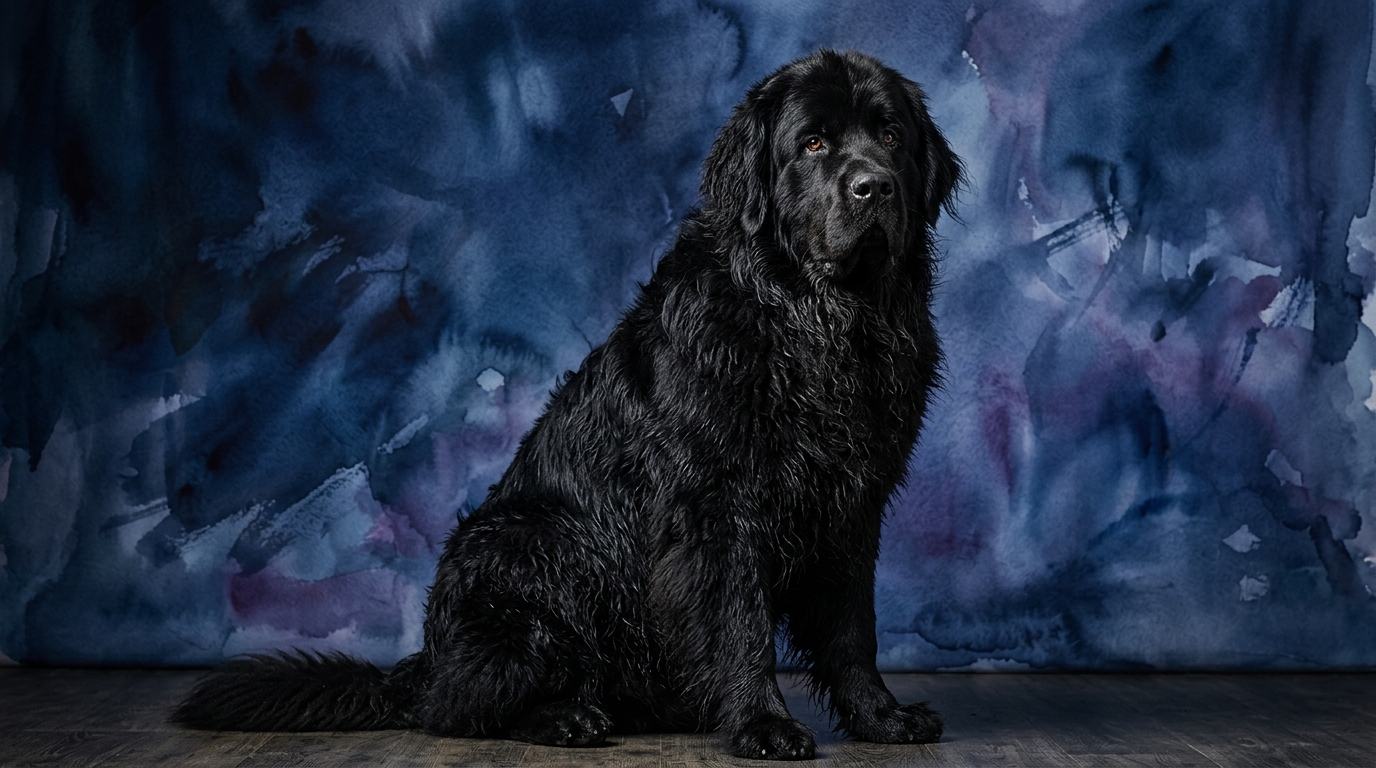
In contrast, the Newfoundland, a member of the Working group with a Coren rank of #34, presents a cognitive profile emphasizing steadfastness and empathy. Their Problem Solving is rated 3/5, suggesting a more deliberate, methodical approach to challenges, often relying on persistence. Training Speed is a respectable 4/5, indicating good learning capacity, though not as rapid as the Sheltie. Where the Newfoundland truly shines is in Social Intelligence, earning a perfect 5/5—a testament to their extraordinary empathy and capacity for deep emotional connection. Their Instinctive Drive is also 5/5, rooted in their historical role as water rescue and guardian dogs, manifesting as a powerful urge to aid and protect. Memory for the Newfoundland is 4/5, meaning they reliably recall behaviors and experiences, maintaining a solid understanding of their world.
Where the Shetland Sheepdog's Cognition Excels
The Shetland Sheepdog's cognitive edge is most apparent in areas demanding rapid processing and fine-tuned execution. Their Problem Solving score of 4/5, combined with a perfect 5/5 in Training Speed and Memory, means they are exceptionally quick studies who can master complex command sequences and retain them for the long term. For instance, a Sheltie can swiftly learn and execute an agility course with numerous obstacles and changes in direction, remembering the entire sequence after only a few repetitions. Their superior capacity for sequential learning and precise response makes them adept at tasks requiring intricate choreography or quick decision-making under pressure, such as advanced obedience or competitive herding events. This cognitive agility allows them to adapt rapidly to new instructions and demonstrate a nuanced understanding of their environment, anticipating changes and responding with precision.
Where the Newfoundland's Cognition Shines
The Newfoundland's cognitive strengths shine brightest in their profound social understanding and unwavering instinctive drives. Their perfect 5/5 in Social Intelligence is not merely about being friendly; it reflects an extraordinary capacity for empathy and connection. A Newfoundland can discern subtle shifts in human emotion, offering comfort or support often before a direct command is given, making them superb emotional support animals. This deep social awareness allows them to work intuitively alongside humans in high-stakes situations, such as water rescue, where understanding the nuances of a person's struggle is paramount. Furthermore, their 5/5 Instinctive Drive is a powerful cognitive asset, manifesting as an innate, unwavering commitment to their protective and rescue duties. This isn't just brute force; it's a deep-seated desire to help, coupled with the cognitive ability to assess danger and act decisively within their specialized role, such as pulling a drowning swimmer to safety with an almost preternatural understanding of the task.
Training Dynamics: Which Breed is More Amenable?
When assessing ease of training, the Shetland Sheepdog generally holds an advantage due to its exceptional Training Speed (5/5) and Memory (5/5). Shelties typically grasp new commands and concepts with remarkable swiftness, often requiring fewer repetitions to achieve proficiency. Their inherent eagerness to engage and their focused attention on their handler mean they are often looking for the next instruction, making them highly responsive to verbal cues and hand signals. This breed thrives on structured learning and mental stimulation, quickly forming associations between actions and rewards. For example, teaching a Sheltie a multi-step trick like retrieving a specific toy from a pile and then putting it into a box can be accomplished relatively quickly, with the dog recalling the sequence days or weeks later. In contrast, while the Newfoundland has a respectable Training Speed of 4/5 and Memory of 4/5, they tend to be more deliberate learners. They require patience and consistency, absorbing information at a slightly slower but still reliable pace. A Newfoundland might take more repetitions to solidify a command, but once learned, it is typically well-retained. Their strong independent streak, stemming from their working dog heritage where they often had to make decisions independently, means they might occasionally require more convincing or motivation to comply with a command if it doesn't immediately align with their perceived purpose. For instance, while a Newfie can certainly learn complex tasks, the initial teaching phase might involve more consistent encouragement and clearer motivation than with a Sheltie. The Sheltie’s inherent 'work ethic' and desire to please their handler make the training process feel more fluid and less like a negotiation.
Matching Canine Cognition to Owner Lifestyle
The choice between a Sheltie and a Newfoundland largely depends on an owner's lifestyle and their capacity to meet the breed's specific needs for mental and physical engagement. Owners with an active lifestyle, who enjoy structured activities, competitive dog sports, or regular, mentally stimulating training sessions, would find an ideal match in the Shetland Sheepdog. Their high instinctive drive (5/5) and exceptional problem-solving abilities mean they thrive when given a 'job' to do, whether it's agility, obedience, herding, or even complex trick training. A Sheltie requires consistent engagement beyond simple walks; they need their minds challenged to prevent boredom and potential undesirable behaviors. A relaxed owner who prefers minimal structured activity might find a Sheltie’s constant need for mental input overwhelming. Conversely, the Newfoundland, with its equally high instinctive drive (5/5) but focused more on rescue and companionship, suits owners who appreciate a strong, calm presence and are prepared for specific types of activity. While Newfies require regular exercise, particularly swimming or long, steady walks, their cognitive needs are often met through their social interactions and opportunities to 'supervise' their family. They are less inclined towards frantic, high-intensity mental games and more content with being a watchful, comforting companion. A relaxed owner who enjoys a large, benevolent presence and is willing to provide a secure, loving environment and moderate physical exercise would find a Newfoundland a fulfilling companion, especially if they appreciate the breed's deep social intelligence and capacity for calm companionship. They don't demand constant mental puzzles in the same way a Sheltie might, but they still require purpose and interaction.
The Verdict
Choose the Shetland Sheepdog if you seek a highly trainable, mentally agile companion eager for complex tasks and structured activities like dog sports or advanced obedience. Their quick learning and sharp memory make them ideal for owners who thrive on consistent, engaging mental work with their pet.
Opt for the Newfoundland if you desire a profoundly empathetic, steadfast companion with a strong protective instinct, content with moderate exercise and deep social bonds. They are best for owners who appreciate a calm, devoted presence and can fulfill their need for purpose, often through family companionship or water activities.
🧠 Find Your Pet's IQ Score
Our Pet IQ Lab assessment covers 25+ tests across 5 cognitive dimensions — personalized to your breed.
Take the Full IQ Test →Frequently Asked Questions
Do Shetland Sheepdogs bark a lot due to their herding instincts?
Yes, Shelties can be quite vocal, often using barking to alert their owners or to try and 'herd' family members. This trait stems from their herding heritage where vocalization was used to manage livestock. Consistent training from a young age can help manage this tendency.
Are Newfoundlands good with children despite their large size?
Newfoundlands are renowned for their gentle, patient temperament and profound social intelligence, making them excellent family dogs and generally very good with children. Their calm demeanor and protective instincts often lead them to be watchful and tolerant guardians.
Which breed is better for a first-time dog owner?
For a first-time owner, the Newfoundland might be slightly more forgiving due to its generally calmer disposition and high social intelligence, provided the owner is prepared for their size and grooming needs. Shetland Sheepdogs, while highly trainable, require a committed owner ready to provide extensive mental stimulation and manage their vocal tendencies, which can be challenging for novices.