Side-by-Side IQ Profile: Shetland Sheepdog vs. Parson Russell Terrier
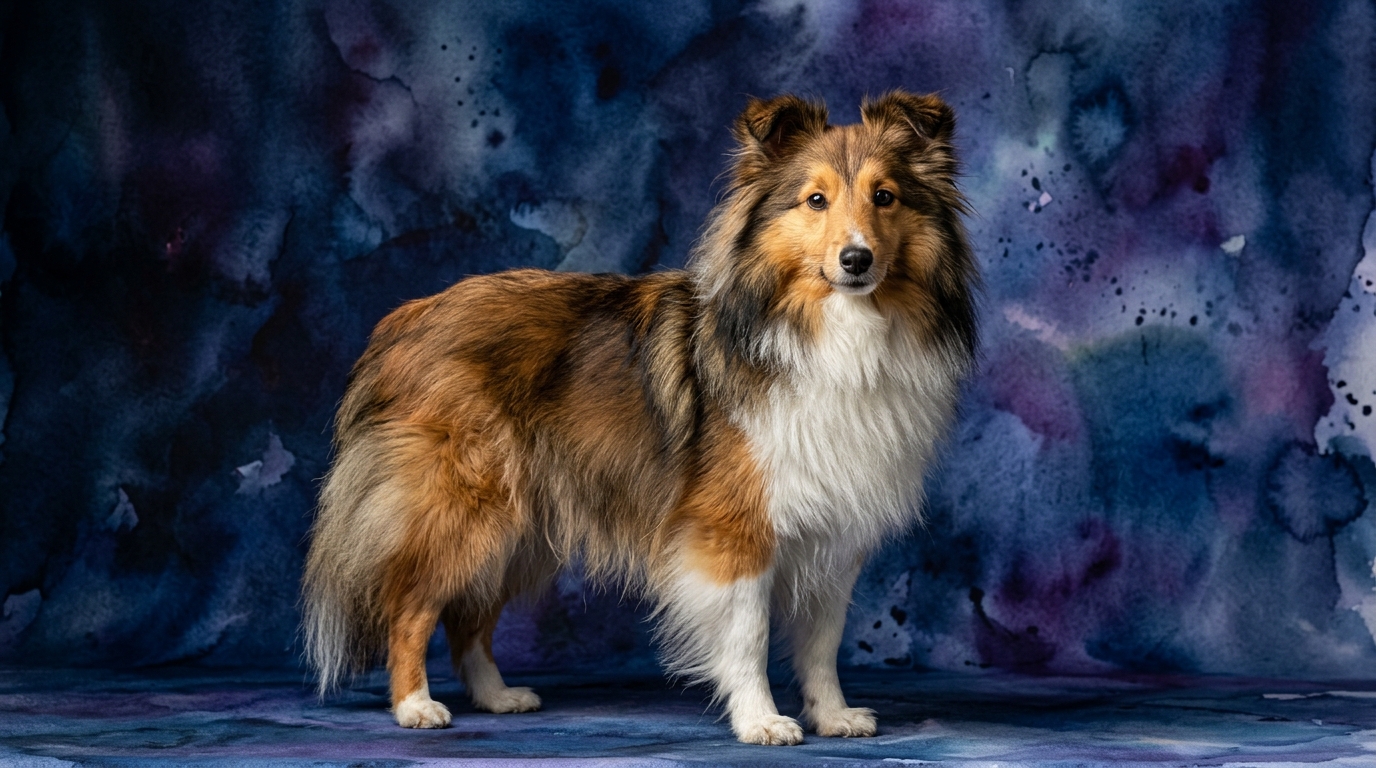
The Shetland Sheepdog's Coren rank #6 places them among the top for working and obedience intelligence, showing a remarkable capacity for understanding and executing commands. Their Problem Solving score of 4/5 reflects an aptitude for navigating complex environments and finding solutions, often with human collaboration, crucial for guiding livestock. A perfect 5/5 in Training Speed highlights their eagerness to learn and retain new information rapidly, making them exceptionally responsive to structured instruction. Social Intelligence, rated 4/5, means Shelties adeptly read human cues, understand intentions, and adapt behavior, fostering deep partnership. Finally, an Instinctive Drive of 5/5 speaks to strong inherent herding behaviors and a natural inclination to organize and control movement, coupled with a Memory score of 5/5, allowing recall of intricate sequences and experiences with precision.
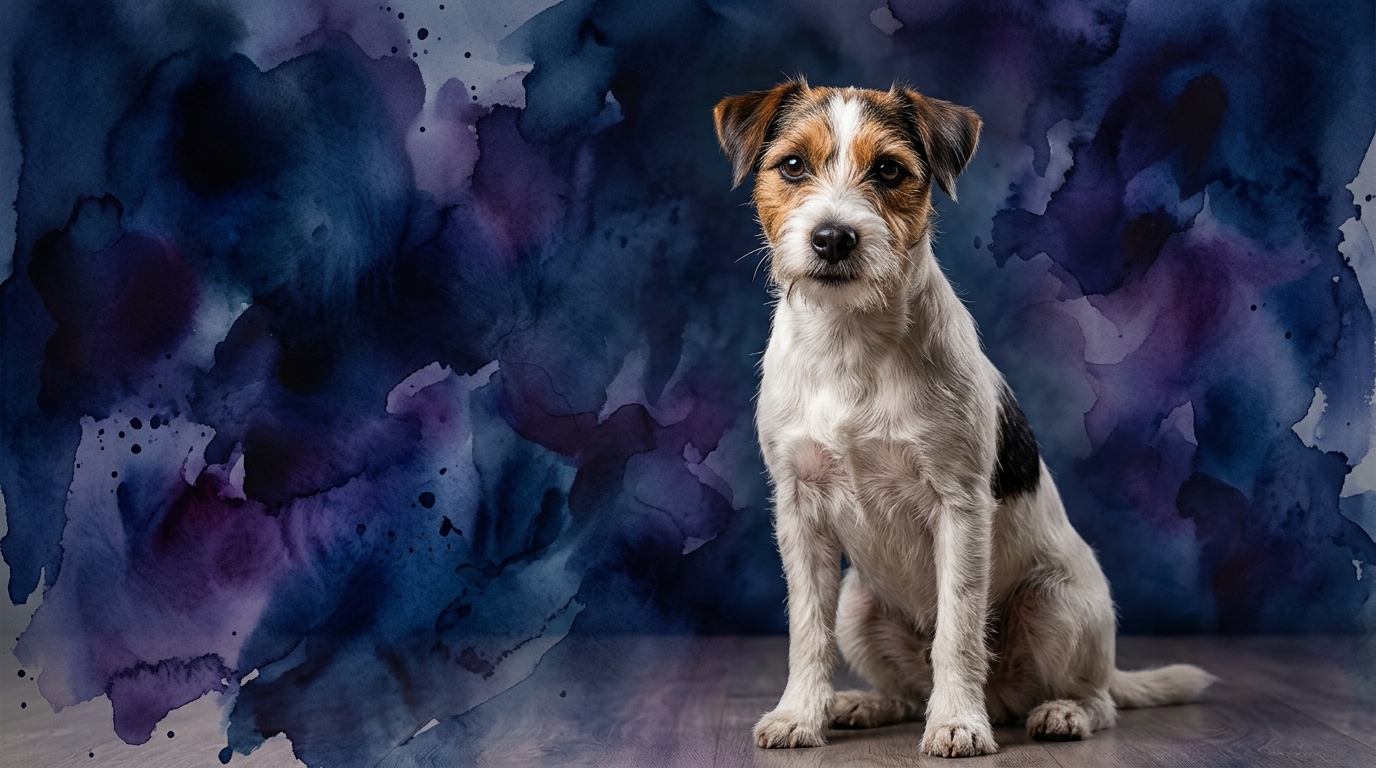
The Parson Russell Terrier, not on the Coren ranking, presents a distinct cognitive blueprint, shaped by its history as a fearless hunting companion. Their Problem Solving score of 3/5 suggests a practical, independent approach to challenges, focused on achieving a goal rather than seeking human direction. A Training Speed of 3/5 indicates they are capable learners, but their independent nature means training requires more patience, creativity, and motivational strategies. Social Intelligence, also at 3/5, implies they are less focused on human emotional subtleties and more on the immediate task or environment, though they form strong bonds. Their Instinctive Drive, rated 3/5, is geared towards persistent pursuit and excavation, a deep-seated impulse to flush out quarry, manifesting as strong digging or chasing. A Memory score of 3/5 means they learn from experience but may not retain complex, human-directed sequences as easily as a Sheltie.
Where Shetland Sheepdog Wins Cognitively
The Shetland Sheepdog's cognitive strengths distinctly emerge in tasks requiring cooperative intelligence and rapid, precise execution. Exceptional Training Speed (5/5) and Memory (5/5) allow them to master extensive obedience commands, complex agility courses, or intricate rally routines with impressive swiftness and retention. Their Problem Solving (4/5) is often applied strategically within a framework, such as anticipating livestock movement or navigating a course. High Social Intelligence (4/5) enables them to interpret subtle human body language and vocal cues, fostering a highly communicative and responsive working relationship, a hallmark of their Herding group lineage.
Where Parson Russell Terrier Wins Cognitively
The Parson Russell Terrier's cognitive advantages shine in situations demanding independent initiative, tenacity, and singular focus. While Problem Solving is rated 3/5, this often translates to a pragmatic, self-directed approach to overcoming obstacles, like accessing a scent or navigating tight spaces. Their Instinctive Drive (3/5), though numerically lower than a Sheltie's, represents unyielding determination to complete a task, such as persistent digging or tracking, even without direct human instruction. This breed excels at adapting to unpredictable, dynamic environments where quick, autonomous decisions are paramount, rather than relying on learned routines.
Which is Easier to Train and Why
Based on their cognitive profiles, the Shetland Sheepdog is generally easier to train for obedience and structured tasks. Their Training Speed of 5/5 means they absorb new commands quickly, needing fewer repetitions. Shelties possess a strong desire to please handlers, combined with high Social Intelligence (4/5) that makes them attentive to human feedback and eager to form a partnership. This cooperative nature, rooted in their herding heritage, translates into a dog that actively seeks to understand and comply with instructions, making them receptive to positive reinforcement and capable of learning complex behavior sequences.
The Parson Russell Terrier, with a Training Speed of 3/5, presents a different training dynamic. While capable, their strong independent streak and instinctive drive (3/5) to pursue scents or dig can make them less inclined to follow human-directed commands if a compelling environmental stimulus is present. Training a Parson Russell requires consistent, engaging sessions that leverage their prey drive and problem-solving skills through scent work or active games, rather than repetitive drills. Owners must be patient, creative, and understand that compliance might sometimes yield to inherent terrier instincts, demanding a firm yet fair approach to channel their energy.
Which Suits Active Owners vs. Engaged Owners
Neither the Shetland Sheepdog nor the Parson Russell Terrier is suited for truly "relaxed" owners; both require significant interaction and activity. The Shetland Sheepdog, with its high mental acuity and instinctive drive, thrives with active owners providing consistent mental stimulation through training, dog sports like agility or obedience, and opportunities to engage herding instincts, even with toys. They need structured activities challenging their Problem Solving (4/5) and Memory (5/5) to prevent boredom and behavioral issues.
The Parson Russell Terrier also requires an active owner, leaning towards a different type of activity. Their robust instinctive drive (3/5) and tenacious nature demand outlets for physical exertion and their innate desire to chase and dig. They are ideal for owners who enjoy vigorous outdoor activities such as hiking, jogging, or participating in earthdog trials. A Parson Russell needs an owner who can channel their energy into productive tasks, understanding that independent problem-solving (3/5) often manifests in self-directed exploration and pursuit, rather than continuous human-directed tasks.
The Verdict
Choose the Shetland Sheepdog if you seek a highly cooperative, responsive companion eager to engage in structured learning, dog sports, and intricate training, valuing a partner that anticipates your cues.
Opt for the Parson Russell Terrier if you appreciate an independent, tenacious companion with boundless energy for outdoor adventures and a drive to solve problems on their own, thriving with creative, active engagement.
🧠 Find Your Pet's IQ Score
Our Pet IQ Lab assessment covers 25+ tests across 5 cognitive dimensions — personalized to your breed.
Take the Full IQ Test →Frequently Asked Questions
Do Shetland Sheepdogs bark a lot due to their intelligence?
Shetland Sheepdogs can be vocal, a trait linked to their herding background where barking was used to manage livestock. This isn't necessarily a sign of higher intelligence, but rather a manifestation of their strong instinctive drive and keen awareness of their surroundings, which can be managed with training.
Is a Parson Russell Terrier difficult to live with because of its independence?
A Parson Russell Terrier's independence means they require consistent boundaries and early socialization, but it also makes them resilient and adaptable. Owners who embrace their self-reliant nature and provide ample physical and mental outlets find them engaging and rewarding companions.
Can a Parson Russell Terrier compete in dog sports like agility despite not being Coren-ranked?
Absolutely. While not Coren-ranked, Parson Russell Terriers possess agility, speed, and a keen problem-solving ability that makes them excellent competitors in sports like agility or earthdog trials. Their drive and tenacity are assets in these active pursuits.