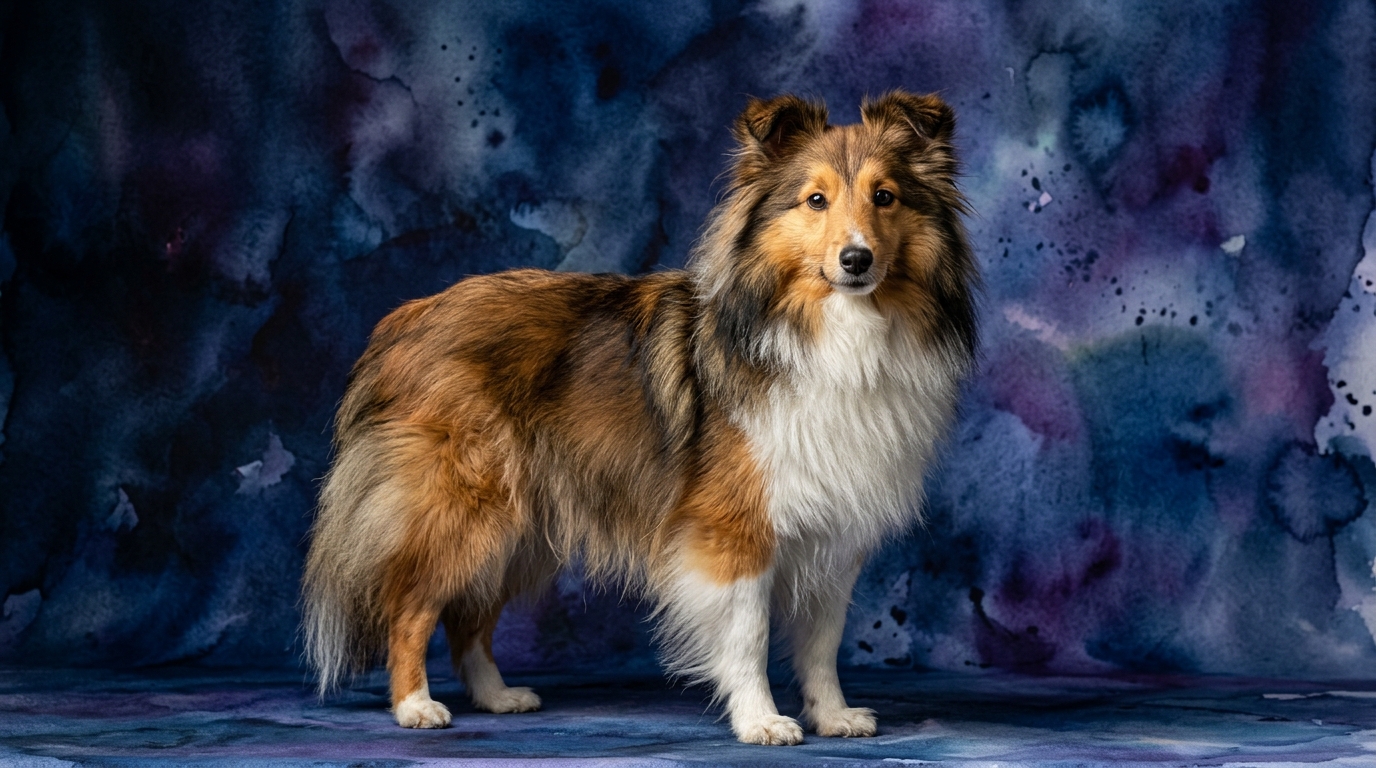
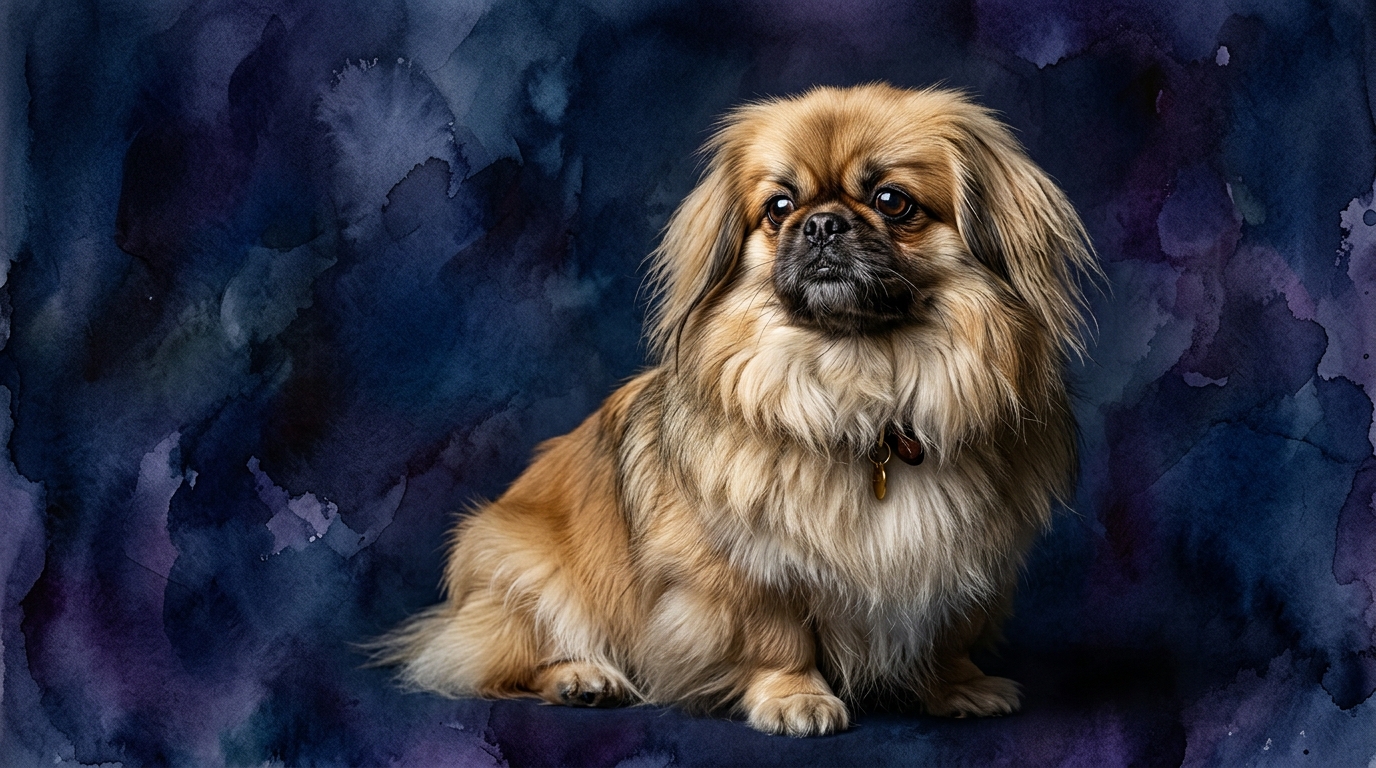
Side-by-Side IQ Profile: Sheltie vs. Pekingese
The Cosmic Pet Pet IQ Lab assesses five critical dimensions of canine cognitive capacity. For the Shetland Sheepdog, a breed rooted in herding, these scores reflect a highly adaptable and driven intellect. Their Problem Solving ranks an impressive 4/5, indicating independent thought and strategic action in novel situations. Training Speed is a perfect 5/5, showcasing eagerness and quickness to grasp new commands. Social Intelligence, at 4/5, highlights their sensitivity to human cues and strong pack bonding. Instinctive Drive, also 5/5, underscores their inherent motivation for work and purpose. Finally, their Memory at 5/5 signifies an exceptional ability to recall complex sequences and experiences.
In contrast, the Pekingese, developed for companionship, presents a different cognitive blueprint. Their Problem Solving scores 3/5, suggesting they learn routines but are less inclined towards independent strategizing. Training Speed also sits at 3/5, meaning they are trainable but require more patience. Social Intelligence is 3/5, indicating an understanding of their family unit but perhaps more self-contained engagement. Instinctive Drive is 3/5, reflecting a lower innate drive for structured tasks, prioritizing comfort. Their Memory, at 3/5, is sufficient for daily routines and recognizing key individuals, but not for intricate, multi-step recall.
Where the Shetland Sheepdog Wins Cognitively
The Shetland Sheepdog's cognitive strengths are evident in their remarkable efficiency and adaptability. Their perfect 5/5 in Training Speed means they absorb new information rapidly, often solidifying behavior in few repetitions. This speed is complemented by their 5/5 Memory, allowing recall of vast repertoires of commands, routines, and experiences. A Problem Solving score of 4/5 further enhances this, enabling them to analyze situations, make decisions, and strategize, whether navigating an agility course or figuring out a toy puzzle. This combination makes them exceptional students, mastering complex tasks and performing with consistency. Their 5/5 Instinctive Drive fuels their desire for purpose, making them eager participants in activities engaging their sharp minds and bodies, from advanced obedience to herding trials.
Where the Pekingese Wins Cognitively
While the Pekingese may not boast the high task-oriented scores of the Shetland Sheepdog, their cognitive 'wins' lie in a distinct realm of emotional and environmental attunement. Their 3/5 in Social Intelligence manifests as a profound, subtle understanding of their immediate human family's emotional landscape. They excel in providing a calm, comforting presence, often sensing and responding to owner mood with quiet devotion. Their problem-solving abilities (3/5) are often directed towards optimizing comfort and well-being, such as finding the perfect sunbeam or subtly communicating needs. This breed demonstrates a mastery of low-energy, high-impact companionship, where cognitive strengths contribute to a serene home atmosphere and a deep, intuitive bond, requiring minimal external stimulation to thrive. They are masters of subtle communication, offering a unique form of quiet, unwavering presence.
Which is Easier to Train and Why
When it comes to ease of training, the Shetland Sheepdog significantly outpaces the Pekingese due to fundamental differences in their inherent drives and cognitive profiles. The Sheltie's 5/5 Training Speed results from their strong desire to please and historical role requiring quick, precise responses. They possess an innate eagerness to learn and work collaboratively, viewing training as engaging mental exercise. Their 5/5 Memory ensures learned commands are rarely forgotten, and 4/5 Problem Solving helps them understand tasks, aiding generalization. Behavioral differences include high focus, sustained attention, and intrinsic motivation to perform, showing keen interest in learning new tricks even without immediate rewards.
The Pekingese, with a 3/5 Training Speed, presents a greater challenge. Their independence and less pronounced desire for external validation mean they often learn at their own pace, benefiting from direct rewards. This breed can exhibit a stubborn streak, ignoring commands if they don't align with current comfort or preferences. Their lower Instinctive Drive (3/5) means they aren't inherently motivated by structured tasks. While capable of learning basic commands, it typically requires more patience, consistency, and creative motivation. House-training, in particular, can be prolonged for Pekingese due to their independent nature and smaller physical capacity.
Which Suits Active Owners vs. Relaxed Owners
The cognitive profiles of these two breeds clearly delineate their suitability for different owner lifestyles. The Shetland Sheepdog, with its impressive 5/5 Instinctive Drive and 4/5 Problem Solving, is an ideal match for active owners who relish engaging their canine companions in mentally and physically stimulating pursuits. These dogs thrive on purpose, requiring regular, structured activities such as agility, obedience trials, herding practice, or extensive daily walks. An active owner providing consistent training and new challenges will find the Sheltie an exceptionally rewarding partner, channeling their boundless energy and sharp intellect. Without sufficient mental and physical engagement, a Sheltie can become bored, potentially leading to undesirable behaviors.
Conversely, the Pekingese, characterized by a 3/5 Instinctive Drive and a preference for comfort, is perfectly suited for more relaxed owners seeking a serene and devoted companion. These dogs are content with a less strenuous routine, enjoying short, leisurely strolls and ample time lounging with their human family. Their cognitive strengths are best appreciated in an environment prioritizing peace, affection, and companionship over rigorous activity. An owner valuing quiet presence, a calm demeanor, and a deep, intimate bond will find the Pekingese an ideal match, offering unwavering loyalty without constant external stimulation. They are happy to be lap warmers and home guardians, requiring minimal structured exercise.
The Verdict
If you seek an intellectually engaged companion eager to learn, perform tasks, and participate in structured activities, the Shetland Sheepdog's exceptional training speed, memory, and problem-solving make them an excellent choice for a dynamic household that can provide consistent mental and physical challenges.
Opt for a Pekingese if you desire a devoted, serene companion whose primary contribution is a calm, affectionate presence and who thrives in a peaceful home environment with a focus on shared comfort rather than demanding mental exertion.
🧠 Find Your Pet's IQ Score
Our Pet IQ Lab assessment covers 25+ tests across 5 cognitive dimensions — personalized to your breed.
Take the Full IQ Test →Frequently Asked Questions
Do Shetland Sheepdogs require a lot of mental stimulation?
Yes, Shetland Sheepdogs possess a high instinctive drive and problem-solving ability, meaning they require significant mental engagement to prevent boredom. Daily training, puzzle toys, and interactive games are crucial for their well-being.
Are Pekingese difficult to house train?
Pekingese can be more challenging to house train due to their independent nature and sometimes stubborn streak, often requiring more patience and consistency than other breeds. Establishing a strict routine and using positive reinforcement from an early age is key.
What kind of owner is best for a Shetland Sheepdog?
The best owner for a Shetland Sheepdog is someone active and committed to providing consistent training, mental enrichment, and regular exercise. They thrive with owners who enjoy dog sports, advanced obedience, or simply engaging their dog in purposeful activities.