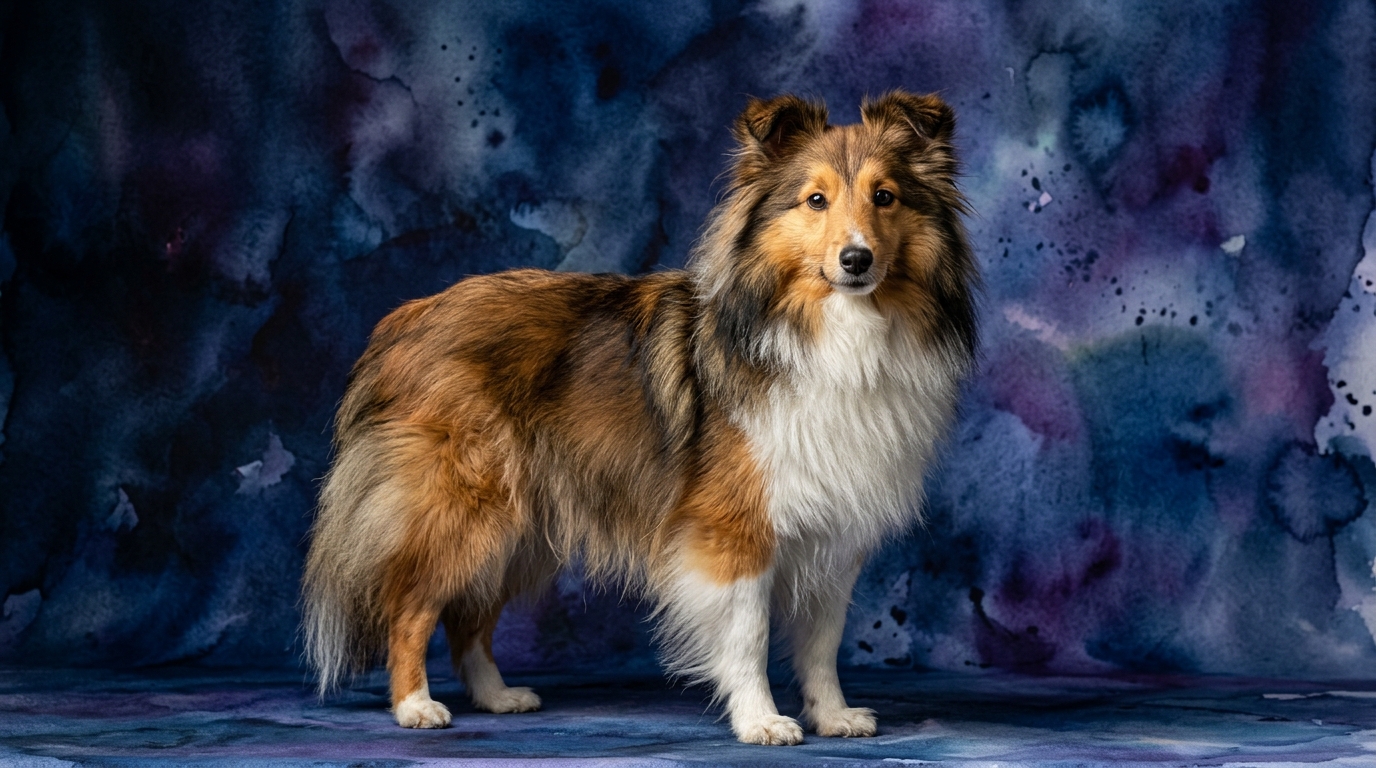
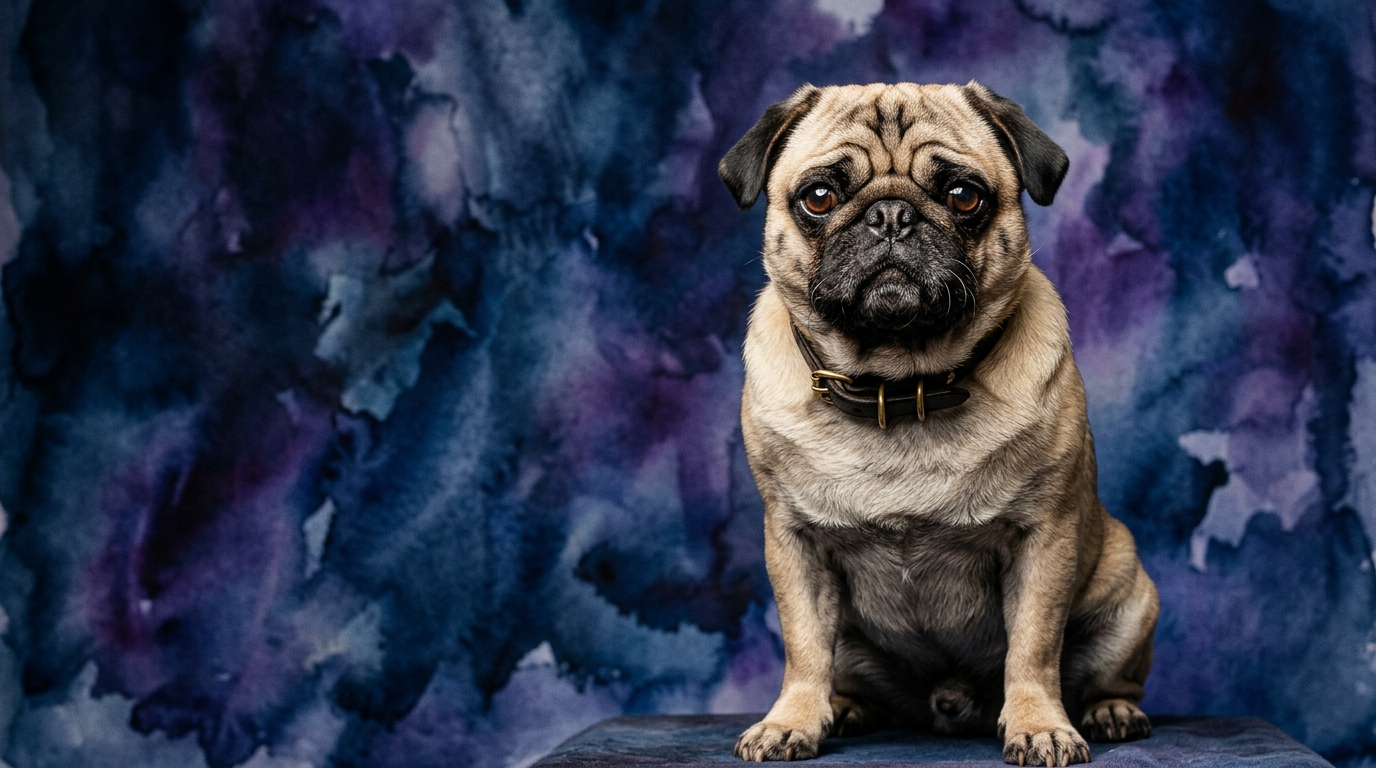
Side-by-Side Cognitive Profile: Sheltie vs. Pug
The Cosmic Pet Pet IQ Lab provides a detailed framework for understanding canine cognitive strengths across five key dimensions. For the Shetland Sheepdog, a breed ranked #6 by Coren, its profile shows robust mental capabilities. Its Problem Solving is rated 4/5, indicating a capacity for analyzing complex situations and devising solutions rather than simply reacting. Training Speed is an exceptional 5/5, meaning this breed grasps new commands and routines with impressive swiftness, often requiring very few repetitions. Social Intelligence stands at 4/5, demonstrating a keen understanding of human cues and emotional states, fostering deep, responsive bonds. An Instinctive Drive of 5/5 highlights its strong inherent motivation for purposeful activity, characteristic of its herding lineage. Finally, Memory is an outstanding 5/5, ensuring learned information is retained reliably over extended periods.
In contrast, the Pug, a toy breed ranked #57 by Coren, presents a different cognitive landscape tailored for companionship. Its Problem Solving scores 2/5, suggesting a preference for straightforward interactions over complex intellectual challenges; intricate puzzle toys might quickly lead to disinterest. Training Speed is also 2/5, indicating that new commands require significant patience, repetition, and a consistent approach to sink in. Where the Pug truly shines is in Social Intelligence, earning a perfect 5/5. This reflects an exceptional ability to bond with humans, interpret subtle emotional cues, and seamlessly integrate into family life, making them masters of affectionate communication. Instinctive Drive is 2/5, meaning there’s a low intrinsic motivation for traditional 'work' or task-oriented activities, aligning with its role as a companion. Memory is rated 3/5, suggesting a moderate ability to retain information and routines, especially those associated with positive experiences, though occasional refreshers may be beneficial for long-term retention.
Where the Shetland Sheepdog Excels Cognitively
The Shetland Sheepdog's cognitive architecture is designed for active engagement and mastery of its environment, consistently seeking opportunities to apply its intellect. Its superior Problem Solving (4/5) allows it to excel in tasks demanding independent thought, like navigating complex agility courses or figuring out multi-step puzzle toys. This isn't just about following instructions; it's about understanding the objective and adapting strategies to achieve it. Coupled with a 5/5 Training Speed, Shelties absorb new information at an impressive rate, making them ideal candidates for advanced obedience, trick training, and dog sports where precision and rapid learning are paramount. Their 5/5 Memory ensures that once a skill is learned, it is deeply ingrained, allowing for consistent performance even after periods of inactivity. Furthermore, the 5/5 Instinctive Drive translates into a powerful, inherent motivation to perform tasks, providing a self-starter quality that makes them incredibly responsive to training and purposeful activity.
Where the Pug Shines Cognitively
While the Pug may not lead in traditional task-oriented cognitive metrics, its true strength lies in its exceptional Social Intelligence (5/5). This breed demonstrates an unparalleled ability to deeply connect with humans, interpret subtle emotional cues, and adapt its behavior to foster profound companionship. Pugs are masters of reading human body language and tone, often knowing when to offer comfort, solicit affection, or simply be a quiet, comforting presence. Their cognitive focus is entirely on creating and maintaining strong social bonds, making them incredibly intuitive about their owner's feelings and needs. This isn't about solving complex puzzles, but about navigating the intricate world of human emotion and relationships with remarkable finesse. This social acumen is a distinct form of intelligence, allowing them to integrate seamlessly into family life and become incredibly empathetic and devoted companions.
Ease of Training: Sheltie vs. Pug
When it comes to trainability, the Shetland Sheepdog generally presents a more straightforward experience for owners due to its high scores in Training Speed (5/5), Problem Solving (4/5), and Memory (5/5). Shelties are eager to learn, quickly grasp new commands, and retain that information reliably. They thrive on having a 'job' and respond enthusiastically to positive reinforcement, making advanced training relatively accessible. Their strong instinctive drive also means they are often self-motivated to engage in structured learning, eager to please and perform tasks.
The Pug, conversely, requires more patience and consistency in training, reflected in its 2/5 Training Speed and 2/5 Problem Solving. While Pugs are affectionate and eager for attention, they may not be as intrinsically motivated by the *process* of learning a new trick or command. They benefit most from short, frequent training sessions that are kept positive and fun, often utilizing food rewards to maintain engagement. Their moderate Memory (3/5) means occasional refreshers are beneficial, and owners should not expect the same rapid acquisition or retention of complex routines as with a Sheltie. Consistency and understanding their companion-oriented nature are key to successful training with a Pug.
Suitability for Active vs. Relaxed Owners
The cognitive profiles of these two breeds clearly delineate their suitability for different owner lifestyles. Active owners who enjoy dog sports, long hikes, advanced training, or simply dedicating significant time to mental stimulation will find the Shetland Sheepdog an ideal partner. Its high Instinctive Drive (5/5), Problem Solving (4/5), and rapid Training Speed (5/5) mean it thrives on activity and purpose. This breed needs an owner who can consistently channel its energy and intellect into constructive outlets, preventing boredom and potential behavioral challenges that can arise from an unfulfilled mind.
In contrast, relaxed owners seeking a devoted, affectionate lap companion who prefers a slower pace will find the Pug perfectly suited. Its exceptional Social Intelligence (5/5) and low Instinctive Drive (2/5) mean it's content with shorter, leisurely strolls and an abundance of cuddle time on the couch. While Pugs still benefit from basic training and playful interaction, their primary need is for companionship and warmth, making them wonderful fits for less active households, those living in smaller spaces, or individuals who prioritize emotional connection over rigorous physical or mental demands.
The Verdict
Choose a Shetland Sheepdog if you're an active owner seeking a highly trainable companion for dog sports, advanced obedience, or a canine partner eager for mental challenges and purposeful activity. This breed thrives with consistent engagement and the opportunity to use its sharp cognitive abilities.
Choose a Pug if you desire a devoted, affectionate companion whose primary purpose is to provide warmth, cuddles, and an intuitive social presence, thriving in a home that values relaxed interaction over rigorous activity or complex training.
🧠 Find Your Pet's IQ Score
Our Pet IQ Lab assessment covers 25+ tests across 5 cognitive dimensions — personalized to your breed.
Take the Full IQ Test →Frequently Asked Questions
Is a Shetland Sheepdog suitable for a first-time dog owner?
A Shetland Sheepdog can be suitable for a first-time owner who is committed to consistent training, socialization, and providing ample mental and physical exercise. Their quick learning ability is a plus, but their energy and drive require a dedicated owner prepared for an engaged partnership.
Do Pugs need a lot of exercise despite their low instinctive drive?
Pugs do not require extensive exercise; short, leisurely walks are usually sufficient to keep them healthy and happy. Over-exertion, especially in warm weather, should be avoided due to their brachycephalic (short-nosed) nature, which can lead to breathing difficulties.
How do the memory differences impact daily life with a Sheltie vs. a Pug?
A Sheltie's superior memory means they reliably recall commands and routines, making daily interactions smooth and predictable, even after a break. Pugs, with moderate memory, might require more frequent refreshers for learned behaviors, but they excel at remembering social cues and the comfort of daily routines.