Side-by-Side IQ Profile: Shetland Sheepdog vs. Pumi
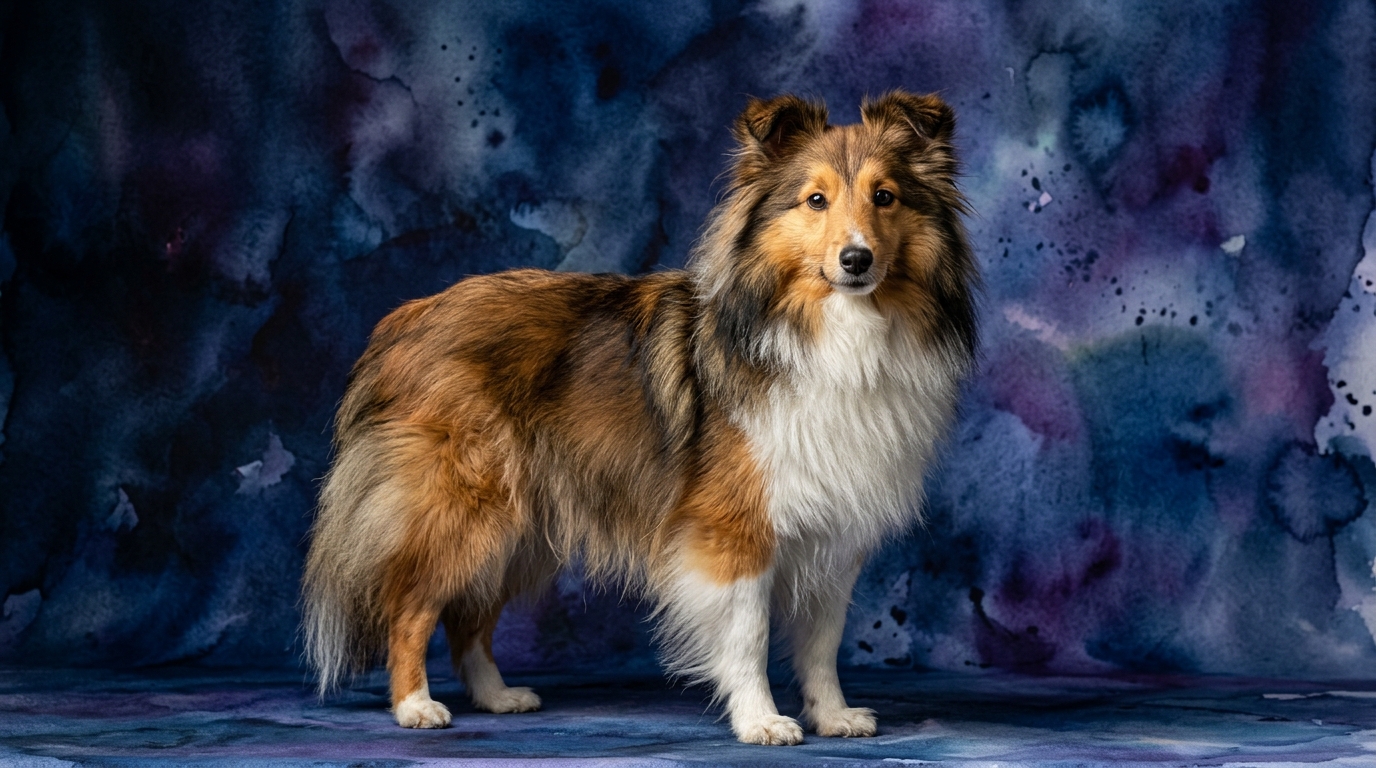
The Cosmic Pet Pet IQ Lab's assessment paints a clear picture of divergent cognitive profiles between these two spirited herding breeds. The Shetland Sheepdog, recognized with a Coren rank of #6, demonstrates a formidable intellectual capacity across multiple dimensions. Our metrics show a Problem Solving ability of 4/5, an exceptional Training Speed of 5/5, Social Intelligence at 4/5, a potent Instinctive Drive of 5/5, and Memory rated at a remarkable 5/5. This profile indicates a dog with a powerful aptitude for rapid learning, complex task comprehension, acute social perception, and enduring retention of information, all fueled by a strong innate drive to engage and work.
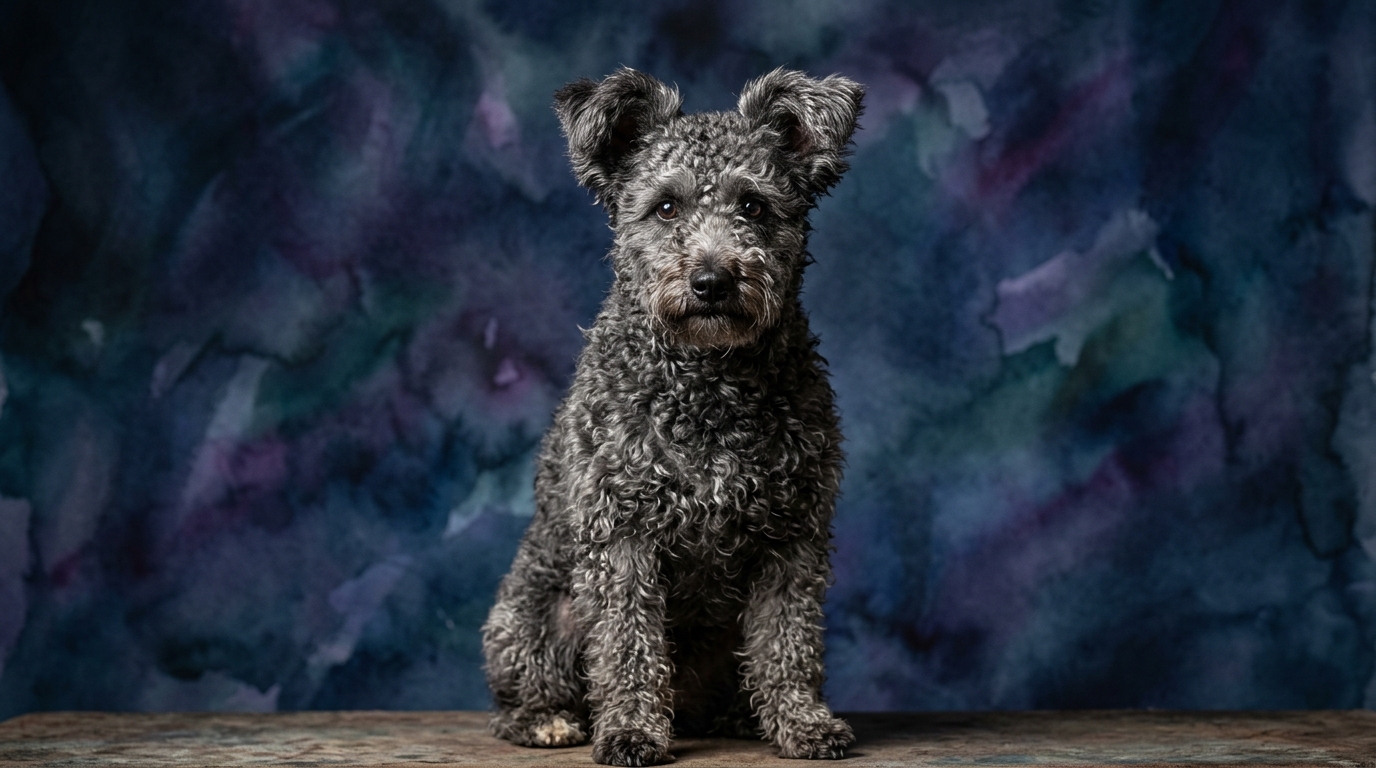
In contrast, the Pumi, though not Coren-ranked, possesses a more uniformly moderate cognitive profile, which offers its own set of advantages. Our lab's evaluation places the Pumi's Problem Solving at 3/5, Training Speed at 3/5, Social Intelligence at 3/5, Instinctive Drive at 3/5, and Memory also at 3/5. This consistent scoring suggests a dog that is capable and engaged, but perhaps approaches learning and environmental interaction with a steady, rather than lightning-fast, pace. Their balanced scores across these dimensions point to a resilient and adaptable mind, less prone to extremes, but still very much a working dog at heart.
Where the Shetland Sheepdog Excels Cognitively
The Shetland Sheepdog's cognitive strengths are particularly evident in its remarkable capacity for learning and retention. A Training Speed score of 5/5 means Shelties absorb new commands and routines with impressive rapidity, often grasping concepts after only a few repetitions. Coupled with a 5/5 Memory score, these learned behaviors are not only acquired quickly but also retained over long periods, making them incredibly reliable companions for complex tasks and consistent performance in structured environments.
Beyond their training prowess, Shelties exhibit superior Instinctive Drive (5/5) and Problem Solving (4/5). This powerful drive provides an intrinsic motivation to work and engage, making them eager participants in activities ranging from herding trials to advanced obedience and agility. Their ability to solve problems means they can figure out complex sequences, manipulate objects, or navigate novel situations, often employing learned strategies or experimenting effectively to achieve goals. Furthermore, their 4/5 Social Intelligence makes them highly perceptive to human emotions and intentions, fostering a deeply attuned and responsive companionship.
Where the Pumi's Cognitive Profile Shines
While the Pumi's individual IQ scores might appear moderate compared to the Shetland Sheepdog's, their balanced cognitive profile presents distinct advantages for certain lifestyles. A Pumi's 3/5 instinctive drive, for instance, means they possess a solid working ethic without the overwhelming, constant need for intense stimulation that a 5/5 score might imply. This translates to a dog that is motivated and engaged in activities but can also settle more readily in a home environment without feeling perpetually 'on call' for a job, making them adaptable companions for active families who don't necessarily participate in high-level competitive dog sports.
Furthermore, the Pumi's 3/5 social intelligence and problem-solving capabilities suggest a robust and resilient mental state. They are responsive to their human companions and capable of independent thought, yet less prone to the intricate sensitivities or complex problem-solving that can sometimes lead to neurotic tendencies if not adequately managed in breeds with higher scores. Their approach to challenges is often practical and persistent, rather than overly analytical, which can be a 'win' for owners seeking a less complex, yet still capable and engaging, canine partner with a spirited character.
Ease of Training: Sheltie vs. Pumi
When it comes to ease of training, the Shetland Sheepdog holds a clear advantage. Their 5/5 Training Speed and 5/5 Memory mean they pick up commands almost instantly and retain them with impressive consistency. This translates into fewer repetitions needed during training sessions, faster progress through complex sequences, and a higher ceiling for advanced obedience, trick training, or competitive dog sports. Their powerful instinctive drive further contributes to their eagerness to work and please, making training a highly rewarding and efficient process. Conversely, the Pumi, with its 3/5 scores in Training Speed and Memory, requires a more patient and consistent approach. While certainly trainable and willing, Pumis may take longer to grasp new concepts and require more consistent reinforcement to solidify learned behaviors. Their moderate instinctive drive means they are motivated, but perhaps not with the same relentless enthusiasm as a Sheltie, necessitating a more creative and varied training style to maintain engagement and prevent boredom. Owners must be prepared for more repetitions and a slower, steadier progression.
Matching Minds to Lifestyles: Active vs. Balanced Owners
The distinct cognitive profiles of these breeds lend themselves to different owner lifestyles. The Shetland Sheepdog, with its high scores across the board, particularly in Instinctive Drive (5/5), Problem Solving (4/5), and Training Speed (5/5), thrives with highly active and dedicated owners. These companions demand consistent mental and physical challenges, excelling when given a 'job' to do, whether it's herding, agility, advanced obedience, or rally. An owner prepared to engage their Sheltie daily in structured activities and provide ample intellectual stimulation will find an exceptionally responsive and fulfilled partner. Neglecting these needs can lead to boredom and the development of undesirable behaviors stemming from their robust minds seeking an outlet.
The Pumi, while still an active herding breed, offers a more balanced cognitive demand, making it suitable for active but perhaps less intensely competitive owners. Their 3/5 scores across all dimensions suggest they enjoy regular exercise and engagement but might be more content with varied daily activities rather than constant, highly structured, or high-pressure pursuits. Pumis adapt well to a range of active lifestyles, from long hikes and backyard play to casual dog sports, without demanding the same level of constant, intense mental problem-solving and rapid learning as a Sheltie. They are an excellent choice for individuals or families seeking an energetic, spirited companion that is robust and adaptable without requiring the extreme dedication to mental gymnastics that a Sheltie often thrives on.
The Verdict
Choose a Shetland Sheepdog if you seek a highly perceptive, rapidly trainable companion eager for complex challenges and competitive dog sports, and are prepared to meet its substantial mental and physical needs.
Opt for a Pumi if you appreciate a spirited, adaptable partner with a robust, balanced mind, suitable for varied active pursuits without requiring constant, intense mental engagement, and you value a resilient, practical approach to life.
🧠 Find Your Pet's IQ Score
Our Pet IQ Lab assessment covers 25+ tests across 5 cognitive dimensions — personalized to your breed.
Take the Full IQ Test →Frequently Asked Questions
Are Pumis difficult to train because they aren't Coren-ranked?
Pumis are not difficult to train, but they require more consistency and patience than a Sheltie. Their moderate training speed means concepts may take longer to solidify, but with positive reinforcement, they are very capable learners.
Do Shetland Sheepdogs truly need a lot of exercise and mental stimulation?
Yes, Shetland Sheepdogs have a powerful instinctive drive and high cognitive abilities, necessitating significant daily mental and physical engagement. Without it, they can become bored and develop undesirable coping behaviors.
Which breed is better for a first-time dog owner?
This depends on the owner's commitment. A Sheltie requires dedication to manage its perceptive and active mind, while a Pumi, though spirited, might be more forgiving of minor training lapses due to its more balanced cognitive profile, making it a good choice for an active first-timer willing to be consistent.