Side-by-Side IQ Profiles: Sheltie vs. Skye Terrier
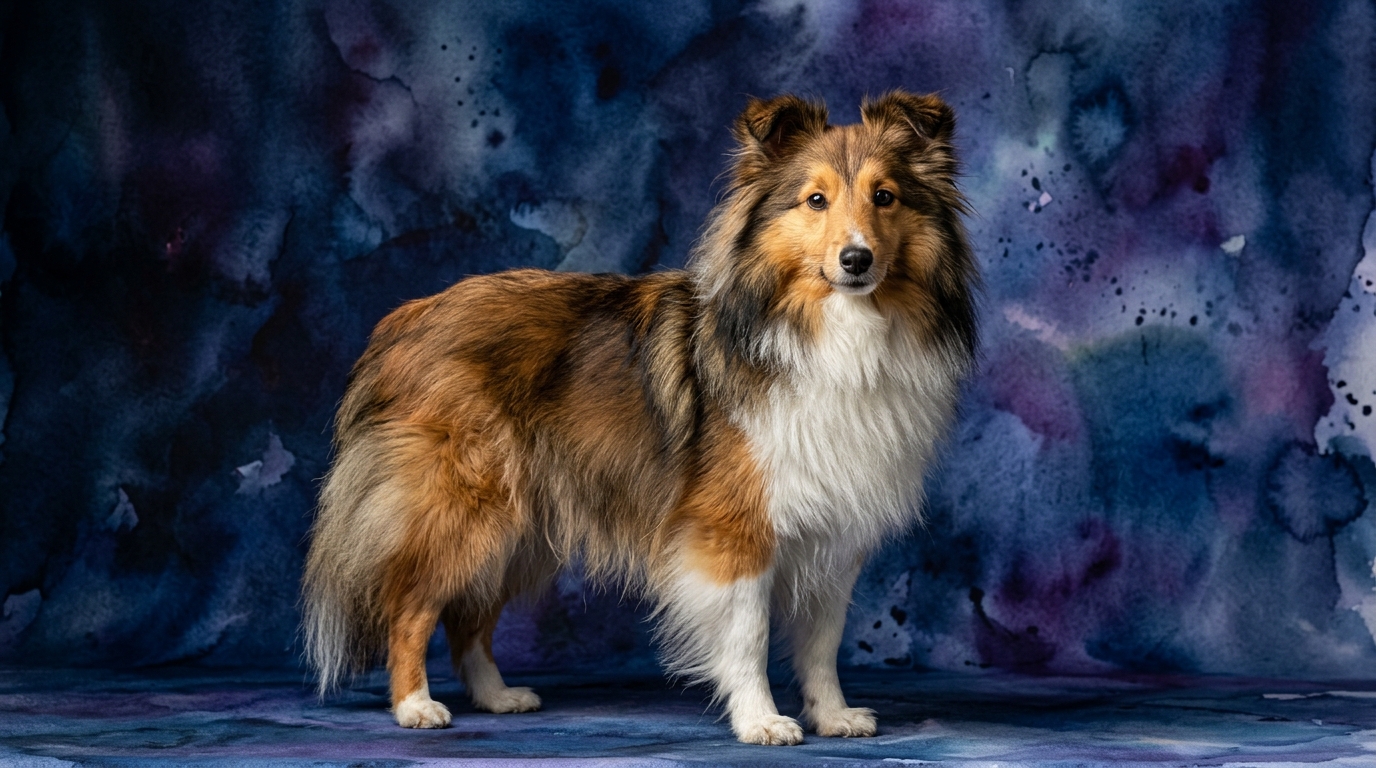
The Shetland Sheepdog, a member of the Herding group, boasts a remarkable Coren rank of #6, indicating a deep capacity for understanding and executing commands. Their cognitive profile highlights a Problem Solving score of 4/5, meaning they are adept at navigating novel situations and figuring out solutions to challenges. Training Speed is where they truly shine with a perfect 5/5, reflecting their rapid grasp of new information and eagerness to comply. Social Intelligence, at 4/5, suggests a strong ability to interpret human cues and bond closely, while an Instinctive Drive of 5/5 showcases their powerful impulse to herd and work. Finally, their Memory is also a stellar 5/5, allowing them to retain a vast repertoire of commands and experiences over time.
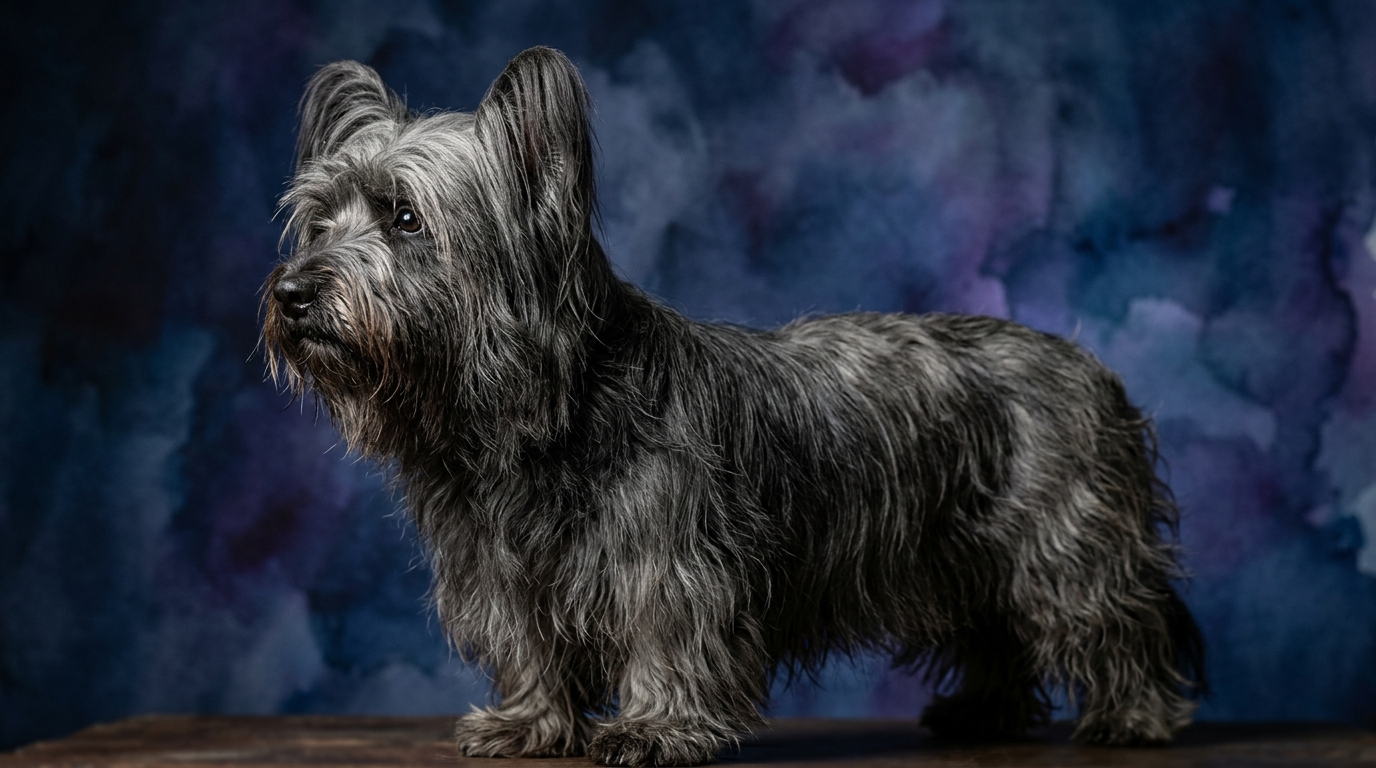
In contrast, the Skye Terrier, from the Terrier group, does not have a Coren rank, but presents a consistent cognitive profile across the board. They score 3/5 in Problem Solving, indicating they can resolve issues, but perhaps with less complexity or speed than their herding counterpart. Their Training Speed is also 3/5, meaning they learn at a steady pace, though they may require more patience and varied approaches to maintain engagement. A Social Intelligence of 3/5 suggests they connect with their humans, but might exhibit a more independent streak. Their Instinctive Drive, rated 3/5, points to a focused tenacity typical of terriers, often directed towards hunting or digging. Similarly, their Memory score of 3/5 indicates they retain information, but may not recall a broad range of complex tasks with the same precision as the Sheltie.
Where the Shetland Sheepdog Excels Cognitively
The Shetland Sheepdog's cognitive advantages are deeply rooted in their herding heritage. Their 4/5 Problem Solving score, coupled with a 5/5 Instinctive Drive, means they are not just driven to work, but also possess the mental agility to strategize within complex environments. For instance, when presented with a new agility course, a Sheltie is likely to quickly assess the sequence and anticipate obstacles, rather than simply reacting to each one. This proactive problem-solving is a hallmark of breeds bred to manage dynamic groups of livestock.
Furthermore, their perfect 5/5 in Training Speed and Memory gives them a profound capacity for learning and retention. A Sheltie can master intricate multi-step commands and maintain that knowledge over long periods, making them exceptional candidates for advanced obedience, rally, and trick training. Their 4/5 Social Intelligence also allows them to finely tune into human intentions and moods, facilitating a seamless communicative partnership that enhances their ability to learn and perform tasks collaboratively. This combination of rapid learning, excellent recall, and social attunement makes them incredibly responsive to nuanced direction.
Where the Skye Terrier Shows Unique Strengths
While the Skye Terrier's scores are consistently 3/5, these represent a distinct set of cognitive strengths tailored to their original purpose. Their 3/5 Problem Solving isn't about managing a flock, but rather about tenacious, independent pursuit. A Skye might excel at figuring out how to access a desired burrow or persistently work at a puzzle toy until it yields its reward, demonstrating a focused, goal-oriented cleverness rather than broad, collaborative problem-solving. This kind of cognitive persistence can be a significant advantage in tasks requiring singular dedication.
The Skye Terrier's 3/5 Instinctive Drive, while lower than the Sheltie's, translates into an unwavering determination in specific tasks, often related to scent work or digging. This focused drive means they can maintain concentration on a singular objective for extended periods, undeterred by distractions, which is a valuable trait for certain types of work or sport. Their moderate Social Intelligence means they are affectionate and loyal, but often with a dignified independence. This can be a strength for owners who appreciate a dog that is content with their own company at times, rather than constantly seeking human direction or interaction.
Training Dynamics: Effort and Engagement
When it comes to ease of training, the Shetland Sheepdog clearly holds an advantage due to their 5/5 Training Speed and 5/5 Memory. Shelties typically grasp new commands with remarkable rapidity, often requiring fewer repetitions than many other breeds. Their inherent desire to please their handler, combined with their ability to quickly process and retain complex information, makes them highly responsive to positive reinforcement methods. They thrive on structured learning and excel in disciplines that demand precision and a wide vocabulary of commands, such as competitive obedience or agility.
The Skye Terrier, with a 3/5 Training Speed, requires a different approach. They are certainly trainable, but their independent terrier spirit means they may not always see the immediate value in complying with a command if it doesn't align with their own interests. Training a Skye often involves more patience, creativity, and a strong understanding of their motivation. Repetitive drills can lead to boredom, so varied, engaging sessions with high-value rewards are essential. Owners might find success by framing training as a game or puzzle, appealing to their inherent tenacity rather than expecting immediate, eager compliance.
Matching Breeds to Lifestyles: Active vs. Relaxed Owners
The Shetland Sheepdog's cognitive profile makes them an ideal companion for active owners who relish engaging their dog in various mentally stimulating activities. Their 4/5 Problem Solving, 5/5 Instinctive Drive, and high scores in training and memory mean they thrive on daily mental challenges beyond basic walks. Owners who enjoy dog sports like agility, flyball, herding trials, or advanced obedience will find a Sheltie to be an enthusiastic and capable partner. They require consistent interaction and tasks that allow them to utilize their impressive cognitive toolkit, making them less suited for purely sedentary lifestyles.
Conversely, while no dog is truly 'relaxed' in the sense of needing no stimulation, the Skye Terrier's consistent 3/5 scores suggest they can adapt to a slightly less intense daily schedule than a Sheltie, making them a good fit for owners who appreciate a dog with a more independent spirit. They still require regular walks and mental engagement to prevent boredom, but their 'active' engagement might manifest as focused scent games in the yard or a persistent chewing on a puzzle toy, rather than requiring complex, collaborative tasks. Owners who enjoy a confident, steadfast companion who appreciates a good cuddle but also values their personal space might find the Skye Terrier a rewarding match.
The Verdict
Choose a Shetland Sheepdog if you seek a highly trainable, eager-to-please companion for complex dog sports, advanced obedience, or a home where you can consistently provide mental challenges and collaborative activities.
Opt for a Skye Terrier if you appreciate a tenacious, independent spirit with a dignified loyalty, and are prepared to engage their unique problem-solving skills with patience and creative, reward-based training tailored to their terrier drive.
🧠 Find Your Pet's IQ Score
Our Pet IQ Lab assessment covers 25+ tests across 5 cognitive dimensions — personalized to your breed.
Take the Full IQ Test →Frequently Asked Questions
Is a Shetland Sheepdog good for first-time dog owners?
Yes, their high trainability and eagerness to please often make them an excellent choice for first-time owners who are committed to consistent training and providing ample mental and physical exercise. Their responsiveness can make the learning process rewarding for both dog and owner.
Do Skye Terriers get along with other pets?
Skye Terriers can coexist peacefully with other pets, especially if socialized from a young age. However, their strong instinctive drive (3/5) may lead them to pursue smaller, prey-like animals, so introductions should be carefully managed, particularly with cats or rodents.
What kind of mental stimulation does a Skye Terrier need?
Skye Terriers benefit from mental stimulation that appeals to their independent problem-solving (3/5) and instinctive drive (3/5). This can include puzzle toys, supervised digging opportunities, scent work games, and short, engaging training sessions that focus on variety and reward their tenacity.