Side-by-side IQ profile
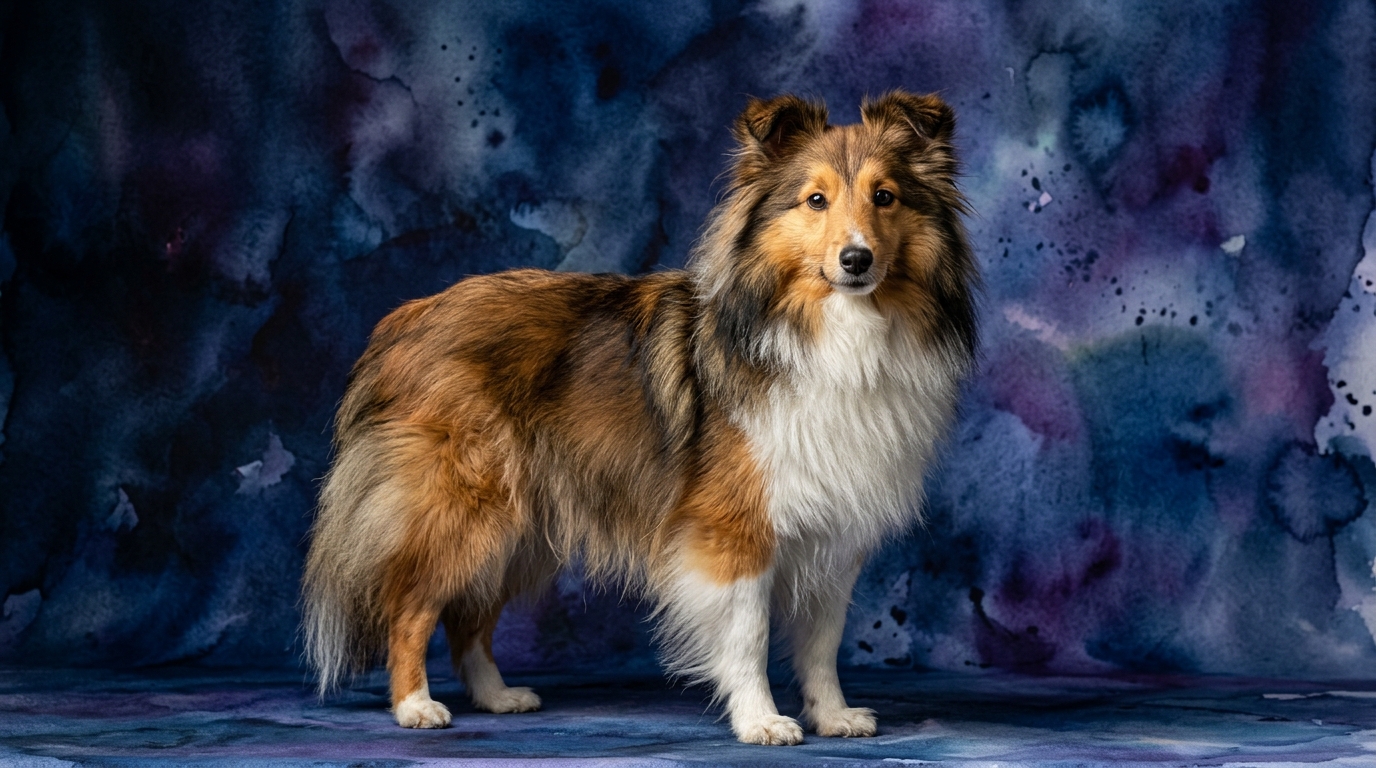
The Cosmic Pet Pet IQ Lab's framework illuminates the cognitive landscapes of these two distinct breeds. The Shetland Sheepdog, a member of the Herding group, registers a Coren rank of #6, placing it among breeds that rapidly grasp new commands. Its Problem Solving score of 4 out of 5 indicates a capacity for complex thought and effective navigation of novel situations, often anticipating outcomes. Training Speed, rated at a perfect 5 out of 5, speaks to a strong desire to cooperate and a quick uptake of instructions, making them highly responsive to guidance. Their Social Intelligence, at 4 out of 5, suggests a keen awareness of human cues and emotional states, fostering deep bonds and nuanced interactions. An Instinctive Drive of 5 out of 5 underscores a profound internal motivation, historically for herding, which translates into a strong work ethic and a need for mental engagement. Finally, a Memory score of 5 out of 5 highlights their exceptional ability to retain learned behaviors and past experiences, contributing to their consistency and reliability.
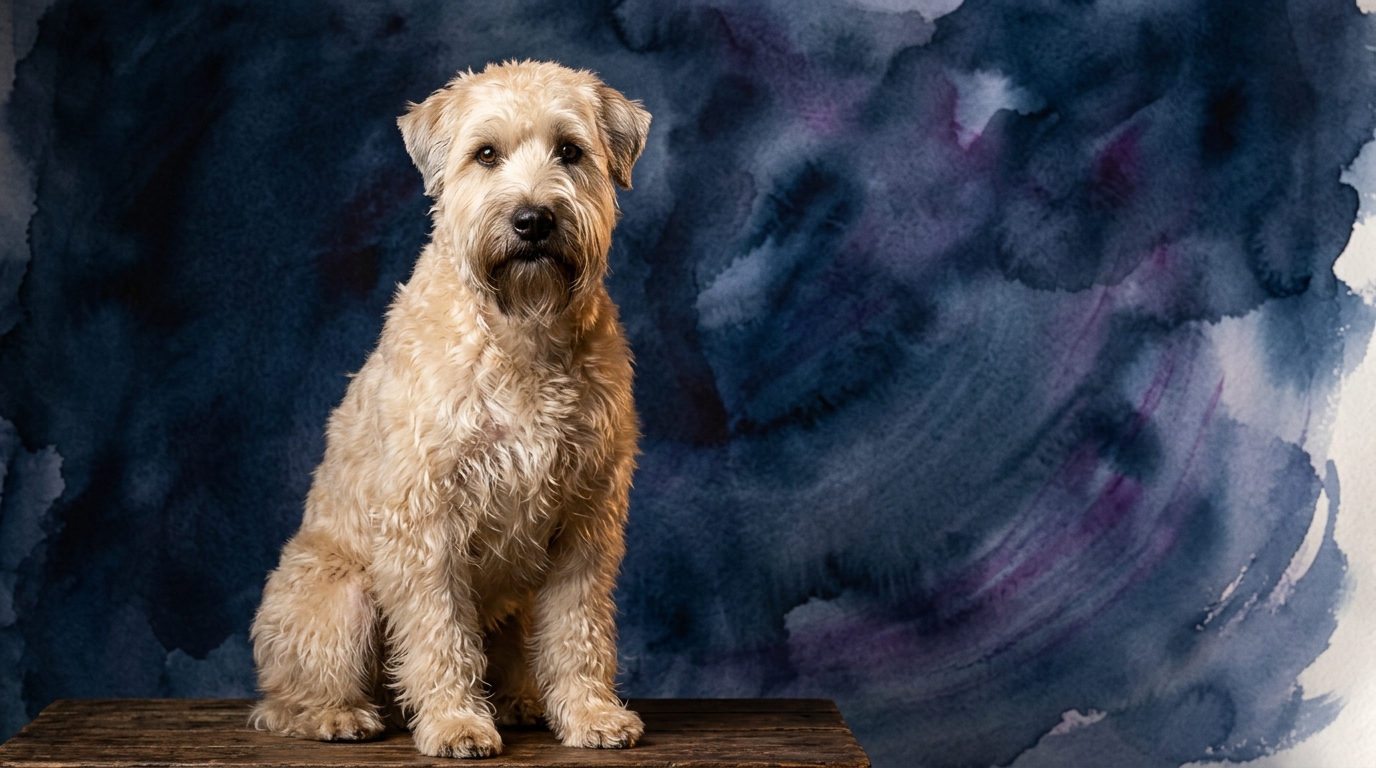
In contrast, the Soft Coated Wheaten Terrier, a member of the Terrier group and not Coren-ranked, presents a different cognitive blueprint. Its Problem Solving score of 3 out of 5 indicates a capable but perhaps more independent approach to challenges, often relying on persistence and trial-and-error rather than immediate deduction. A Training Speed of 3 out of 5 suggests they are trainable and willing, but may require more repetitions or a different motivational approach compared to the Sheltie, reflecting a characteristic terrier independence. Their Social Intelligence, also at 3 out of 5, implies a friendly and engaging nature but perhaps with less sensitivity to subtle human emotional shifts, tending towards a more direct and boisterous form of interaction. An Instinctive Drive of 3 out of 5 points to a moderate internal motivation, often channeled into typical terrier pursuits like digging, chasing, and exploring, but generally less intense than a herding dog's drive. Similarly, their Memory score of 3 out of 5 indicates solid recall for important information and routines, though perhaps not with the same precise detail or retention speed as the Sheltie.
Where Shetland Sheepdog wins cognitively
The Shetland Sheepdog's cognitive profile consistently outshines the Wheaten in terms of rapid learning, complex problem-solving, and biddability. Their Problem Solving score of 4/5 means they can quickly analyze unfamiliar scenarios, like figuring out how to open a new puzzle toy or navigating an agility course with unforeseen obstacles, often with minimal human intervention once the rules are understood. The Sheltie’s perfect 5/5 in Training Speed is a testament to their innate desire to work alongside humans and their exceptional ability to connect commands with actions almost immediately. This translates into quickly mastering a vast repertoire of tricks, advanced obedience, or intricate canine sports routines. Furthermore, their 4/5 Social Intelligence allows them to pick up on subtle changes in human tone or body language, making them incredibly attuned companions who can anticipate needs or moods. This deep social awareness, combined with a 5/5 Memory, means they not only learn quickly but also remember complex sequences and social protocols over long periods, making them highly reliable in structured environments or performance tasks. Their powerful 5/5 Instinctive Drive fuels this cognitive prowess, providing the internal motivation to apply their mental faculties to purposeful activities, whether it's herding livestock or excelling in competitive dog sports.
Where Soft Coated Wheaten Terrier wins cognitively
While the Wheaten Terrier's IQ scores might appear lower across the board compared to the Sheltie, their cognitive profile fosters a different, equally valuable set of strengths. The Wheaten’s 3/5 in Problem Solving, combined with a 3/5 Instinctive Drive, speaks to a resilient and independent approach to challenges. Instead of seeking immediate human direction, a Wheaten is more likely to engage in persistent, self-directed exploration and trial-and-error to achieve a goal, such as finding a buried toy or figuring out how to access a forbidden area. This persistence, characteristic of the terrier group, is a cognitive strength in itself, allowing them to remain undeterred by initial failures. Their moderate Social Intelligence (3/5) means they are generally friendly and outgoing without being overly sensitive to every nuance of human emotion, which can make them more robust and adaptable in a wider variety of social settings, less prone to anxiety from subtle stressors that a more sensitive dog might perceive. The Wheaten's cognitive makeup allows them to be self-sufficient and resourceful, thriving in environments where a certain degree of independence is valued. Their 3/5 Memory, while not as expansive as a Sheltie's, is perfectly adequate for retaining essential routines and commands, allowing them to be reliable companions without the constant need for novel mental stimulation that a higher-drive dog might demand. These traits make the Wheaten a cognitively robust dog for owners who appreciate a companion with a spirited, self-reliant approach to the world.
Which is easier to train and why
Based on The Cosmic Pet Pet IQ Lab's metrics, the Shetland Sheepdog is demonstrably easier to train than the Soft Coated Wheaten Terrier. The Sheltie's Training Speed of 5/5 signifies an exceptional eagerness to learn and please, coupled with a rapid comprehension of new commands. Their high Social Intelligence (4/5) further enhances this, as they are highly attuned to their handler's intentions and feedback, quickly adjusting their behavior. A Sheltie's strong Instinctive Drive (5/5) means they thrive on having a "job" and are intrinsically motivated to engage in structured activities, making training a rewarding partnership. They often require fewer repetitions to solidify a behavior and are more likely to offer desired actions proactively.
In contrast, the Soft Coated Wheaten Terrier's Training Speed of 3/5 indicates a capable but more independent learner. Wheatens possess a spirited "terrier tenacity" which, while endearing, can translate into a selective hearing or a preference for pursuing their own interests over immediate compliance. Their Instinctive Drive (3/5) is moderate, and while they enjoy engaging with their people, their motivation is often rooted in play and exploration rather than an inherent desire for structured work. Training a Wheaten typically requires more patience, consistency, and a highly motivational approach, often utilizing positive reinforcement with high-value rewards to capture their attention and sustain their engagement. Real behavioral differences include the Sheltie's natural "gather" instinct and focus on the handler, contrasting with the Wheaten's "dig and chase" instincts and tendency to follow intriguing scents or sights independently.
Which suits active owners vs relaxed owners
The Shetland Sheepdog unequivocally suits active owners who are prepared to provide consistent mental and physical engagement. Their 5/5 Instinctive Drive means they possess a deep-seated need for purpose and activity. Without ample outlets for their Problem Solving (4/5) and high energy, Shelties can become restless or develop unwanted behaviors. They excel in dog sports like agility, obedience, flyball, and herding, and thrive on daily walks, challenging puzzle toys, and ongoing training sessions that tap into their impressive Memory (5/5) and quick Training Speed (5/5). They are not content to be couch potatoes and require owners who view daily mental stimulation as essential.
The Soft Coated Wheaten Terrier, with its moderate 3/5 Instinctive Drive, can suit owners who are active but perhaps not quite as intensely dedicated to structured daily activities as a Sheltie owner. Wheatens enjoy regular exercise, including walks, playtime in a securely fenced yard, and opportunities to explore. Their Problem Solving (3/5) and independent nature mean they appreciate varied activities but might not demand the same level of rigorous mental "work" that a Sheltie craves. While they benefit from training and engagement, their cognitive profile allows them to be more adaptable to days with less intensive activity, as long as their basic needs for exercise and companionship are met. They are generally playful and enjoy being involved in family life, making them suitable for owners who enjoy an active lifestyle but also appreciate periods of relaxed companionship without constant demands for mental tasks.
The Verdict
When seeking a highly responsive, eager-to-please companion for advanced training or performance sports, the Shetland Sheepdog is an unparalleled choice.
For owners who appreciate an independent, spirited, and resilient companion with a joyful approach to life, the Soft Coated Wheaten Terrier will bring immense satisfaction.
🧠 Find Your Pet's IQ Score
Our Pet IQ Lab assessment covers 25+ tests across 5 cognitive dimensions — personalized to your breed.
Take the Full IQ Test →Frequently Asked Questions
Are Shetland Sheepdogs good family dogs?
Yes, Shelties with their 4/5 Social Intelligence often form strong bonds with their families and are typically gentle with children, though their herding instincts might lead to playful nipping at heels if not managed. They thrive on being involved in family activities and appreciate consistent interaction.
Do Soft Coated Wheaten Terriers bark a lot?
Wheatens can be vocal, particularly when excited or alerting to new arrivals, reflecting their terrier watchfulness. Consistent training from a young age, leveraging their 3/5 Training Speed, can help manage excessive barking by teaching them appropriate communication signals.
Which breed is better for first-time dog owners?
The Shetland Sheepdog, with its 5/5 Training Speed and strong desire to please, is generally more forgiving and easier for first-time owners to train. The Wheaten Terrier's independence and moderate training speed might present more challenges for novice handlers, requiring greater patience and consistent effort.