Side-by-Side IQ Profile
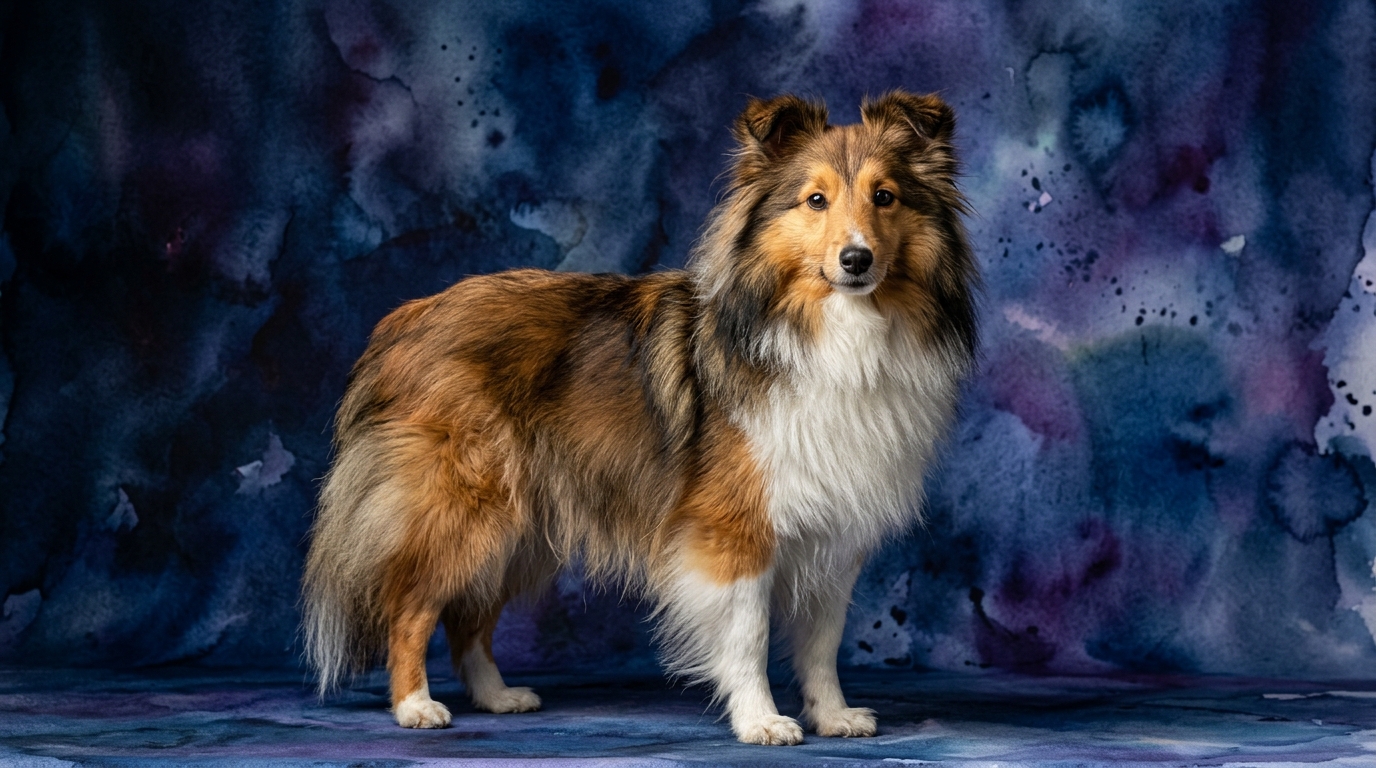
The Shetland Sheepdog, a member of the Herding group, registers an impressive Coren rank of #6, indicating a significant capacity for working and obedience intelligence. Their cognitive profile boasts a Problem Solving score of 4/5, suggesting a strong ability to navigate complex situations and adapt to new challenges. Where they truly shine is in Training Speed, earning a perfect 5/5, reflecting their eagerness and aptitude for rapid learning and command acquisition. Social Intelligence is rated at 4/5, highlighting their sensitivity to human cues and emotional states, while an Instinctive Drive of 5/5 underscores their innate desire to work and manage their environment. A Memory score of 5/5 further solidifies their capacity to retain learned behaviors and experiences over time.
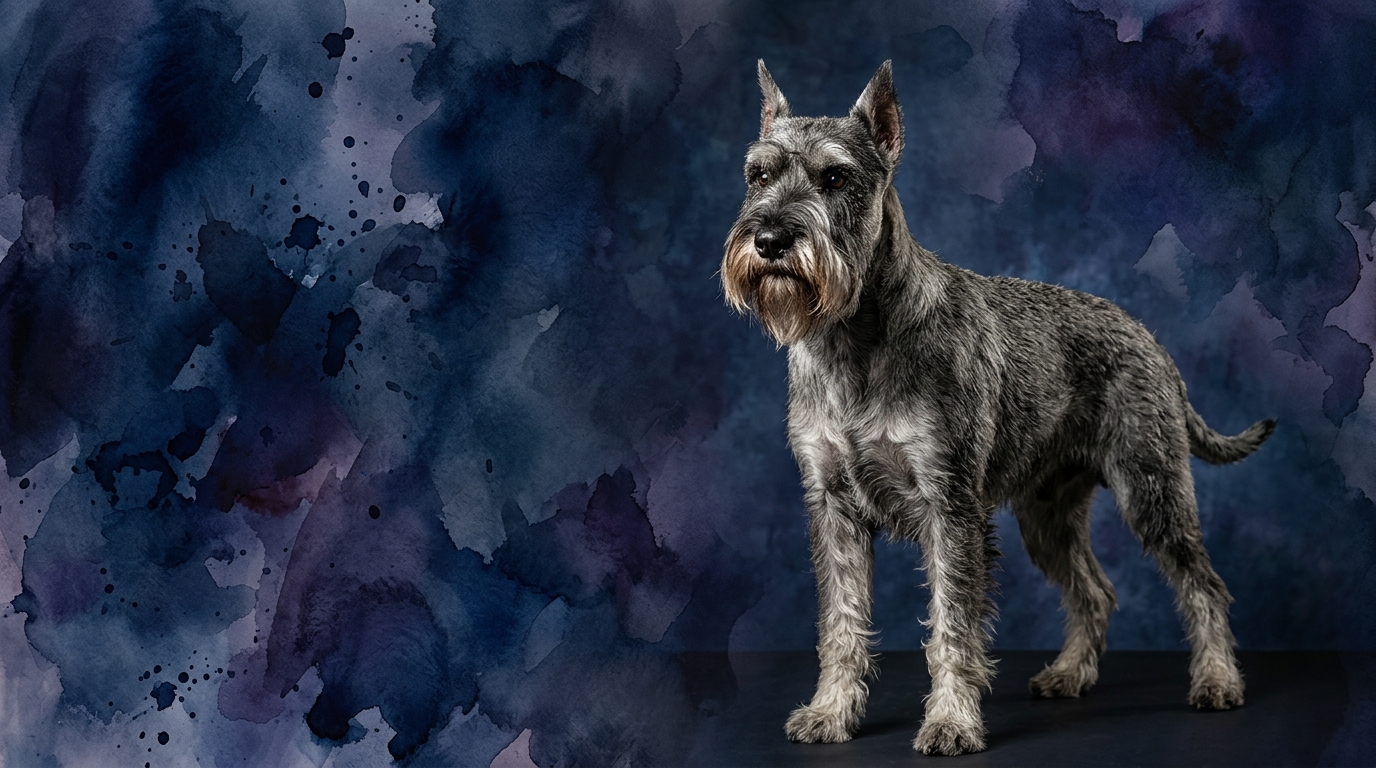
In contrast, the Standard Schnauzer, a robust member of the Working group, holds a Coren rank of #22. This position still places them among breeds with appreciable working and obedience intelligence, albeit with a different cognitive emphasis. Their Problem Solving ability matches the Sheltie at 4/5, indicating competence in figuring out solutions, often with a unique, independent flair. Training Speed is a solid 4/5, meaning they learn efficiently, though perhaps not with the lightning-fast uptake of a Sheltie. Their Social Intelligence is rated 3/5, suggesting a more independent nature and less reliance on constant human direction, while an Instinctive Drive of 3/5 points to a focused, purposeful energy, historically tied to guarding and vermin control rather than cooperative herding. A Memory score of 4/5 demonstrates a good capacity for recall and retaining information.
Where Shetland Sheepdog Wins Cognitively
The Shetland Sheepdog's cognitive strengths distinctly emerge in areas demanding rapid learning, precise execution, and nuanced social awareness. Their perfect 5/5 Training Speed means they absorb new commands and routines with remarkable efficiency, often requiring fewer repetitions than many other breeds. This quick uptake is coupled with a 5/5 Memory, enabling them to build a vast repertoire of skills, from complex agility sequences to intricate obedience routines, and recall them reliably.
Furthermore, their 4/5 Social Intelligence grants them an exceptional ability to read and respond to human body language and vocal tones, fostering a deeply cooperative training dynamic. This allows Shelties to excel in activities where precise communication and partnership are paramount, making them adept at anticipating handler intentions and executing tasks with minimal prompting. Their strong instinctive drive, rooted in herding, makes them inherently motivated to engage in structured activities and follow direction, channeling their natural inclinations into productive tasks.
Where Standard Schnauzer Wins Cognitively
While the Standard Schnauzer's overall IQ profile might suggest a more independent approach, their cognitive advantages lie in resilience, discernment, and a practical, robust form of problem-solving. Matching the Sheltie with a 4/5 in Problem Solving, the Schnauzer often tackles challenges with a determined, self-reliant mindset, drawing upon their working breed heritage of independent decision-making. Unlike the Sheltie's cooperative intelligence, a Schnauzer's problem-solving might manifest in creatively bypassing obstacles or figuring out how to achieve a desired outcome without explicit human direction, reflecting their history as guards and vermin catchers.
Their slightly lower Social Intelligence (3/5) means they are less prone to anxiety from subtle human cues and more likely to maintain composure in novel or demanding situations, focusing on the task at hand rather than seeking constant reassurance. This unflappable nature, combined with a purposeful 3/5 Instinctive Drive, allows them to excel in roles requiring vigilance, independent assessment, and a steadfast approach to their duties.
Which is Easier to Train and Why
Based on their respective IQ profiles, the Shetland Sheepdog generally presents as the easier breed to train. Their perfect 5/5 Training Speed, coupled with a 5/5 Memory and 4/5 Social Intelligence, means they are exceptionally receptive to instruction, quick to grasp new concepts, and eager to please their human companions. Shelties thrive on positive reinforcement and clear communication, often picking up complex chains of commands or intricate patterns in dog sports like agility with surprising speed. Their herding instinct translates into a strong desire to work cooperatively and follow direction, making them highly biddable and focused during training sessions.
The Standard Schnauzer, with a Training Speed of 4/5, is certainly capable of learning and is by no means difficult to train, but their approach differs. Their 3/5 Social Intelligence and 3/5 Instinctive Drive mean they possess a more independent streak; they might require more consistent motivation and a trainer who understands their innate desire to think for themselves. While a Sheltie often seeks to anticipate and fulfill a handler's wishes, a Schnauzer might need to be convinced that the requested action is worthwhile or logical. This independence can sometimes be perceived as stubbornness, but it's more accurately a reflection of their working breed history, where they were expected to make decisions without constant human oversight. Training a Schnauzer often benefits from variety, engaging their problem-solving skills, and a firm yet fair hand that respects their intelligent, self-assured nature.
Which Suits Active Owners vs. Relaxed Owners
For owners seeking a highly engaged and perpetually "on-the-go" canine partner, the Shetland Sheepdog is often the ideal choice. Their 5/5 Instinctive Drive means they possess a deep-seated need for mental and physical stimulation, thriving when given a "job" to do, whether it's herding, agility, obedience, or even just complex puzzle toys. Shelties flourish with active owners who enjoy regular, structured training sessions, long walks, runs, or participation in dog sports. A relaxed owner who cannot commit to channeling this significant drive might find a Sheltie prone to boredom-induced behaviors, as their sharp minds and energetic bodies demand consistent engagement.
The Standard Schnauzer, while also a working breed requiring activity, suits owners who appreciate a more self-directed form of engagement. Their 3/5 Instinctive Drive, while still substantial, is less intense and less focused on constant human partnership than the Sheltie's. Standard Schnauzers enjoy brisk walks, secure yard patrol, and opportunities to investigate their environment, but they might not demand the same level of intricate, cooperative activity as a Sheltie. They are well-suited to active owners who can provide consistent exercise and mental challenges, but who also respect a dog's independent spirit. Owners who prefer less demanding training sessions focused on practical skills and who appreciate a watchful, self-possessed companion rather than a constant shadow might find the Standard Schnauzer a better fit than the always-eager-to-please Sheltie.
The Verdict
Opt for a Shetland Sheepdog if you desire a highly biddable, quick-learning companion eager for cooperative ventures and dog sports, thriving on constant engagement.
Choose a Standard Schnauzer if you value an independent, resilient dog capable of self-directed problem-solving, thriving with purposeful activity and a clear, consistent leader.
🧠 Find Your Pet's IQ Score
Our Pet IQ Lab assessment covers 25+ tests across 5 cognitive dimensions — personalized to your breed.
Take the Full IQ Test →Frequently Asked Questions
Do Shetland Sheepdogs bark more than Standard Schnauzers?
Shelties, with their herding background and keen awareness, can be more prone to alert barking, especially if not properly socialized or given sufficient mental stimulation. Standard Schnauzers also bark as part of their guarding instincts, but their vocalizations might be more targeted and less continuous.
Are both breeds good with children?
Both breeds can be good with respectful children, but their temperaments differ. Shelties are generally gentle and sensitive, but their herding instincts might lead them to nip at heels if not managed. Schnauzers are typically sturdy and tolerant, but their independent nature means they might prefer to disengage rather than endure rough play.
Which breed is more adaptable to apartment living?
While both breeds require significant exercise, a Sheltie's smaller size might make them slightly more adaptable to apartment living if their extensive exercise and mental stimulation needs are met daily. A Standard Schnauzer, with its robust build and guarding instincts, generally benefits from a secure yard for patrolling and activity, though they can also thrive in apartments with dedicated owners.