Side-by-Side Cognitive Profile
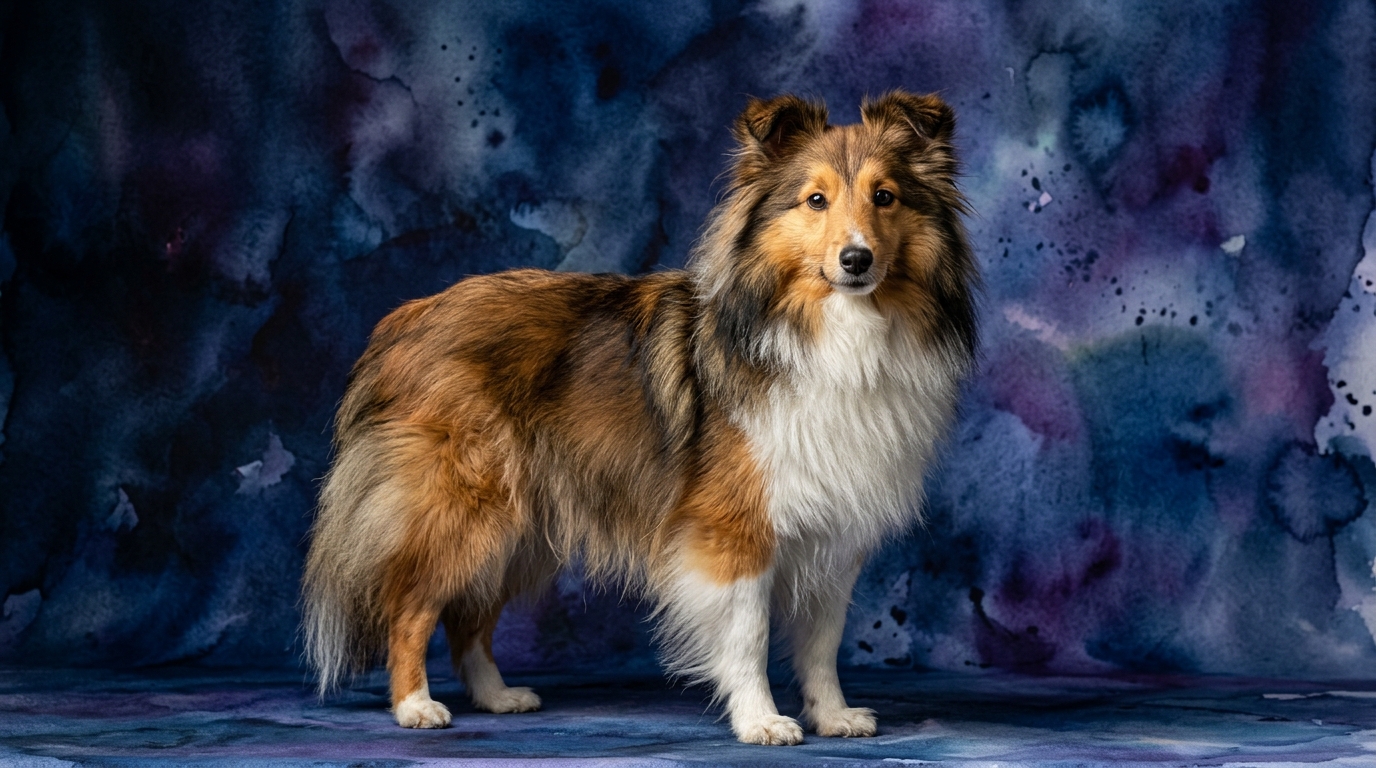
The Cosmic Pet Pet IQ Lab assesses canine intelligence across five key dimensions, providing a nuanced view of each breed’s mental landscape. For the Shetland Sheepdog, a breed ranked #6 by Coren for working and obedience intelligence, its profile reveals a highly capable mind. Its Problem Solving is rated 4/5, indicating an adeptness at complex thought. Training Speed is an exceptional 5/5, suggesting rapid learning. Social Intelligence stands at 4/5, showing strong empathy and communication. Instinctive Drive, particularly for herding, is a robust 5/5, and its Memory is an outstanding 5/5, ensuring long-term retention of learned behaviors.
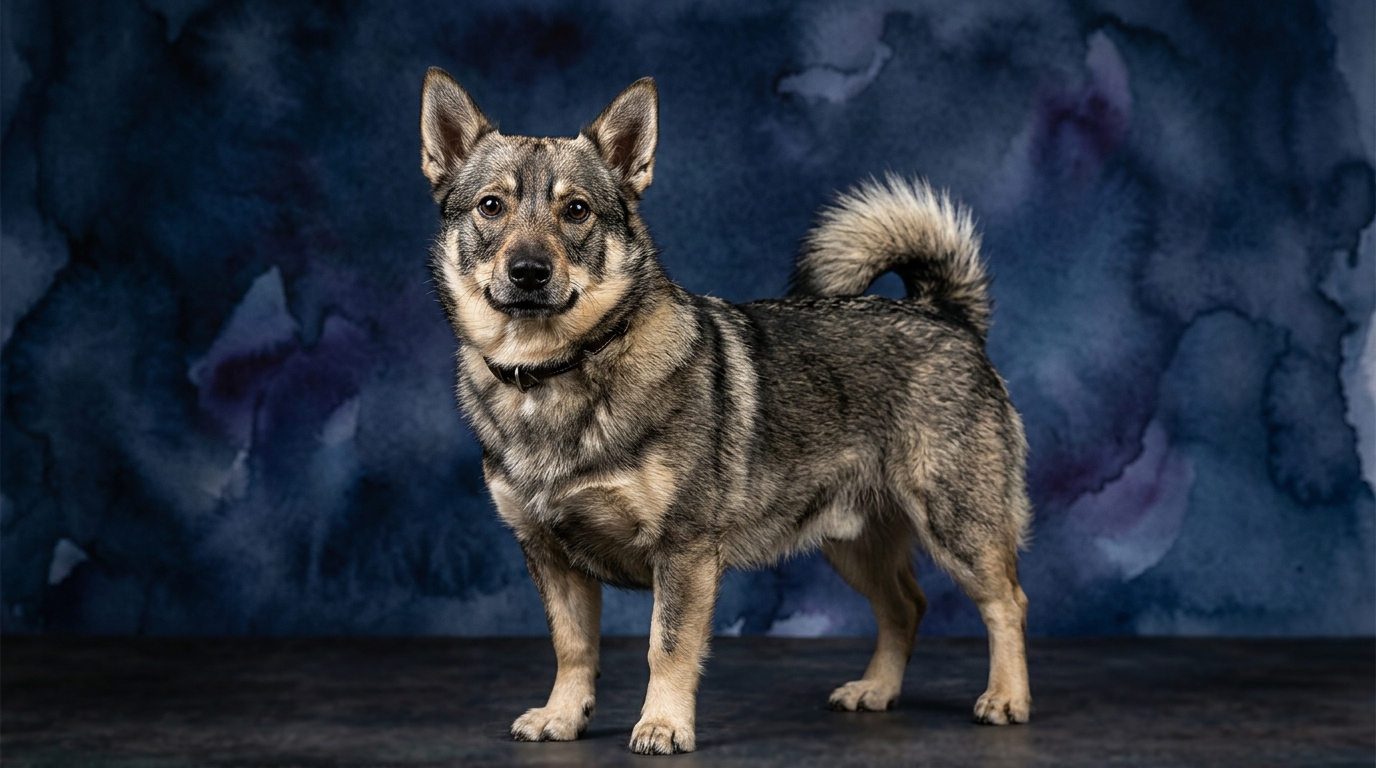
In contrast, the Swedish Vallhund, while not Coren-ranked, possesses a practical and resilient intellect shaped by its unique historical role. Its Problem Solving is rated 3/5, indicating competence in everyday challenges. Training Speed is 3/5, suggesting a steady, consistent learning pace. Social Intelligence is 3/5, highlighting strong bonds within its family but perhaps less nuanced social interpretation. Instinctive Drive is 3/5, focused on its unique herding style. Finally, its Memory is 3/5, indicating reliable recall for familiar routines and commands.
Where the Shetland Sheepdog Wins Cognitively
The Shetland Sheepdog's cognitive strengths shine particularly in areas demanding intricate thought and rapid assimilation of information. Their 4/5 problem-solving ability means they're exceptionally adept at figuring out multi-step puzzles, like unlocking a treat dispenser with several distinct mechanisms, or independently navigating a novel obstacle course by evaluating various paths. Their 5/5 training speed is evident in their ability to master complex obedience routines or intricate agility sequences after only a handful of repetitions, often anticipating the next command. Their 4/5 social intelligence allows them to pick up on subtle cues from their human companions, understanding unspoken requests or emotional states with a sensitivity that fosters a deeply intuitive and responsive partnership.
Where the Swedish Vallhund Wins Cognitively
While the Swedish Vallhund's IQ profile presents different strengths, its cognitive wins are rooted in a practical, resilient intellect. Their 3/5 problem-solving, though not focused on abstract complexity, translates into a robust ability to navigate their everyday environment effectively and adapt to routine changes with minimal stress. They excel at understanding practical cause-and-effect in their immediate world, such as knowing precisely which door leads outside or how to efficiently retrieve a toy. Their 3/5 instinctive drive, specifically for 'heeling' cattle, means they possess a tenacious focus on moving objects or individuals, a trait that can be channeled into specific tasks or dog sports requiring persistent engagement. This drive, while less broad than the Sheltie's, is highly functional and specific to their traditional role, showcasing a steadfast, purposeful working intelligence.
Which Is Easier to Train and Why
When it comes to ease of training, the Shetland Sheepdog generally presents a smoother and faster path for most owners, particularly those new to dog training or aiming for advanced levels. Their exceptional 5/5 training speed means they absorb new commands and concepts with remarkable quickness, often picking up complex sequences in just a few sessions. This rapid learning, coupled with their outstanding 5/5 memory, ensures that once a behavior is learned, it is retained with minimal need for constant refreshing, leading to consistent performance. Their 4/5 social intelligence also makes them highly responsive to human feedback, eager to please, and quick to adjust their behavior based on subtle cues from their handler, fostering a collaborative learning environment. This combination creates a dog that is not only capable of learning but genuinely driven by the collaborative process of training, often anticipating and offering behaviors.
The Swedish Vallhund, with its 3/5 training speed and 3/5 memory, typically requires a more patient, consistent, and perhaps more experienced approach. While certainly trainable and eager to engage, they may need more repetitions to solidify commands and might occasionally test boundaries with a characteristic independent streak. Their learning is steady rather than instantaneous, and while they form strong bonds, their motivation in training might stem more from a desire for fun and engagement rather than an innate drive to perfectly execute every nuanced request. Owners training a Vallhund will find success through clear, short, highly reinforcing training sessions, understanding that progress may be incremental and that a firm, fair hand is often more effective than subtle persuasion.
Suitability for Active vs. Relaxed Owners
For active owners seeking a dynamic, highly responsive partner for demanding dog sports, advanced obedience, or a canine companion eager to constantly learn new tricks, the Shetland Sheepdog is often an ideal match. Their 5/5 instinctive drive, combined with their rapid learning capabilities and strong memory, means they thrive on consistent mental and physical challenges. They are not content to simply exist; they actively seek engagement and purpose, making them excellent candidates for competitive agility, flyball, herding trials, or even complex trick training. A Sheltie left without sufficient mental stimulation can quickly become bored and potentially develop undesirable behaviors out of frustration, such as excessive barking or destructive chewing.
The Swedish Vallhund also suits active owners, but perhaps with a slightly different emphasis on the type of activity. Their 3/5 instinctive drive and moderate IQ profile suggest they will enjoy and thrive on regular physical exercise, such as long walks, hiking, moderate-intensity fetch, or structured play. While they appreciate learning new skills, they may not demand the same intensity or constant novelty in complex mental tasks as a Sheltie. A Vallhund can be a fantastic hiking or jogging companion, enjoying the process and the outdoor environment without necessarily needing to outwit their environment at every turn. They are often fulfilled by consistent routines and opportunities for physical exertion, combined with some basic obedience and puzzle toys. For truly relaxed owners who prefer minimal engagement beyond basic walks and cuddles on the couch, neither breed is a perfect fit, as both possess a strong herding background demanding consistent activity, mental engagement, and a sense of purpose to prevent boredom and behavioral issues.
The Verdict
Choose the Shetland Sheepdog if you desire a highly responsive, quick-learning partner for complex activities and value a deeply intuitive, emotionally attuned connection.
Choose the Swedish Vallhund if you appreciate a steadfast, practical companion that enjoys consistent activity and offers a robust, working-dog presence without demanding constant intellectual novelty.
🧠 Find Your Pet's IQ Score
Our Pet IQ Lab assessment covers 25+ tests across 5 cognitive dimensions — personalized to your breed.
Take the Full IQ Test →Frequently Asked Questions
Are Shetland Sheepdogs good with children?
Yes, Shetland Sheepdogs are generally excellent with children, especially when properly socialized from a young age. Their social intelligence and gentle nature make them patient and understanding family members, though their herding instincts might lead them to gently 'herd' active kids, which can be managed with training.
Do Swedish Vallhunds bark a lot?
Swedish Vallhunds can be prone to barking, particularly if not adequately stimulated or if they perceive something amiss in their environment. Their alert nature as herding dogs means they are quick to announce new arrivals or potential threats, making consistent training crucial to manage their vocal tendencies and ensure appropriate communication.
Which breed sheds more?
Both Shetland Sheepdogs and Swedish Vallhunds are double-coated breeds that shed, particularly during seasonal changes. The Sheltie, with its longer, denser double coat, generally appears to shed more dramatically and requires more intensive and frequent grooming to manage its fur compared to the Vallhund's shorter, thicker coat.