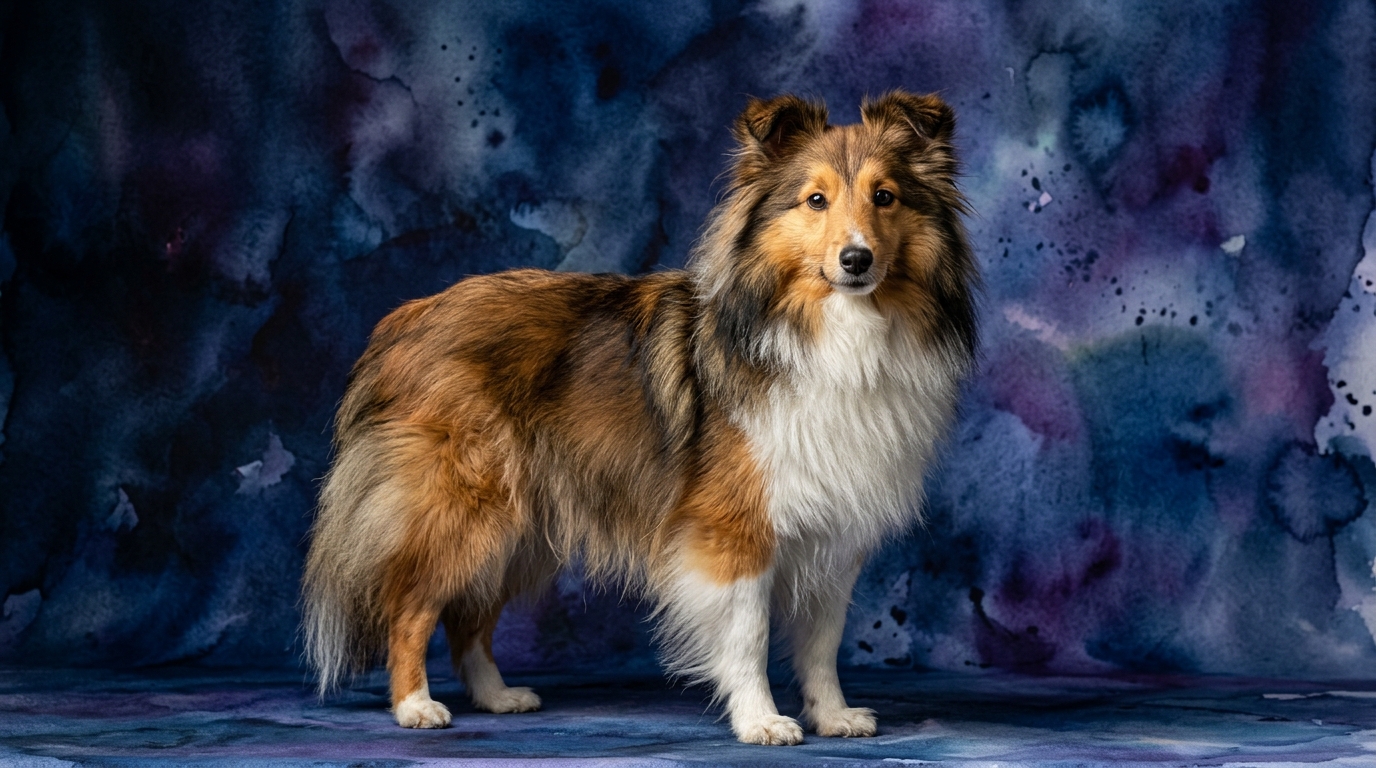
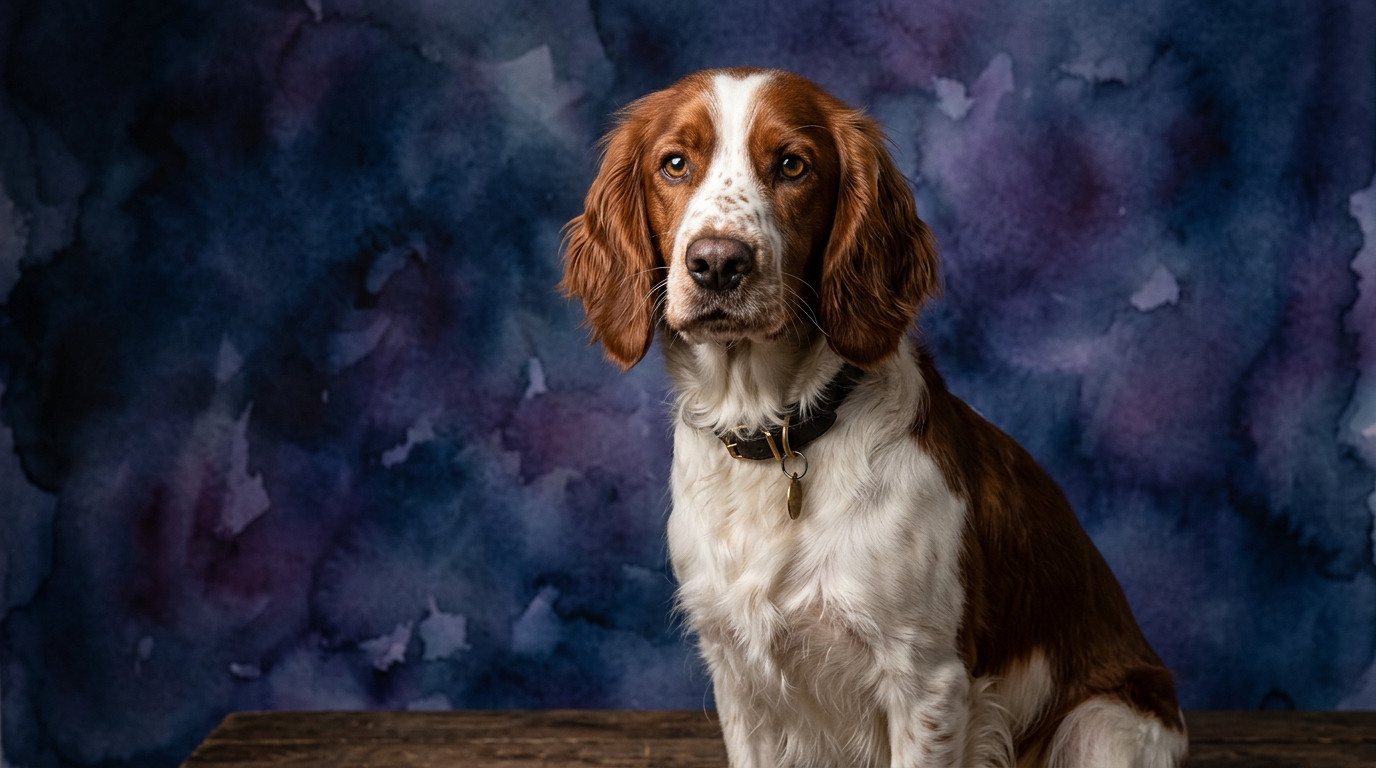
Side-by-Side IQ Profile: Shetland Sheepdog vs. Welsh Springer Spaniel
The Shetland Sheepdog, recognized with a Coren rank of #6, demonstrates exceptional obedience and working intelligence. Their Problem Solving score of 4/5 indicates a robust capacity for navigating novel challenges and strategizing solutions, a trait crucial for independent herding tasks. With a Training Speed of 5/5, Shelties exhibit remarkable eagerness and aptitude for learning new commands quickly, often requiring fewer repetitions than many other breeds. Social Intelligence at 4/5 means they are generally adept at interpreting human cues and adapting their behavior within social contexts, though sometimes their intense focus can make them particular. An Instinctive Drive of 5/5 signifies a powerful, innate urge to work and fulfill a purpose, often manifesting as a strong desire to herd or engage in structured activities. Finally, their Memory score of 5/5 ensures they retain complex sequences of commands and learned behaviors over extended periods, making them reliable partners in intricate tasks.
The Welsh Springer Spaniel, with a Coren rank of #31, still demonstrates solid working intelligence, reflecting their history as versatile hunting companions. Their Problem Solving score of 4/5 mirrors the Sheltie's, suggesting an equally capable mind for figuring out puzzles and adapting to new situations, essential for flushing and retrieving game in varied terrains. A Training Speed of 4/5 indicates they learn commands readily, albeit potentially requiring slightly more consistent reinforcement or a few extra repetitions compared to the swift Sheltie. Their Social Intelligence at 3/5 suggests they are generally amenable to human interaction but might be less attuned to subtle social nuances or less intensely focused on their handler's every move than a Sheltie. An Instinctive Drive of 3/5 points to a moderate but present urge to work, primarily focused on scent-driven tasks and retrieving, rather than the intense, all-encompassing drive seen in herding breeds. Lastly, their Memory score of 4/5 means they possess a good capacity for remembering commands and learned routines, maintaining proficiency with regular practice.
While both breeds share an impressive Problem Solving score, their intellectual paths diverge significantly in other areas. The Sheltie's superior Training Speed, Instinctive Drive, and Memory paint a picture of a dog built for precision, rapid learning, and sustained complex work. The Welshie, while competent, showcases a more balanced or perhaps less intense profile across these dimensions, reflecting its role as a cooperative hunting partner rather than an independent decision-maker in a flock. Social intelligence also differs, with the Sheltie showing a slightly higher capacity for reading and reacting to human and environmental cues, which can be a double-edged sword depending on the context.
Where the Shetland Sheepdog Wins Cognitively
The Shetland Sheepdog's cognitive strengths truly shine in areas demanding precise execution, rapid learning, and enduring focus. Their Coren rank of #6 is a testament to their exceptional obedience and working intelligence, a direct result of their 5/5 Training Speed. This attribute allows them to grasp complex command sequences and intricate routines with remarkable swiftness, often mastering new behaviors in a handful of repetitions. For owners engaged in advanced dog sports like agility, obedience, or rally, this rapid acquisition of skills is an unparalleled advantage. Furthermore, their 5/5 Instinctive Drive fuels a profound desire to work and collaborate, making them exceptionally biddable and motivated by purpose-driven tasks. This isn't merely about following commands; it's about an inherent drive to engage mentally and physically in a structured manner. Coupled with a perfect 5/5 Memory score, Shelties can retain vast repertoires of learned behaviors and complex patterns for extended periods, allowing them to perform sophisticated routines flawlessly even after breaks in training. Their 4/5 Social Intelligence, while slightly lower than their other top scores, enables them to interpret subtle handler cues and environmental changes, critical for dynamic herding or performance scenarios where split-second decisions are made in concert with a human partner. This combination of traits makes the Sheltie a cognitive powerhouse for owners seeking a canine partner capable of executing intricate tasks with precision and unwavering dedication.
Where the Welsh Springer Spaniel Wins Cognitively
While the Shetland Sheepdog excels in rapid-fire obedience and complex pattern retention, the Welsh Springer Spaniel's cognitive profile offers distinct advantages, particularly for owners seeking a more adaptable and less intensely driven companion. Their shared 4/5 Problem Solving score with the Sheltie indicates an equal capacity for independent thought and creative solutions when faced with novel situations, a valuable trait for a hunting dog needing to navigate varied terrain and unpredictable game. However, where the Welshie truly finds its niche is in its more moderate Instinctive Drive (3/5) and Social Intelligence (3/5). This isn't a deficit; rather, it suggests a less overwhelming internal pressure to constantly "work" or interpret every subtle social cue. For a family companion, this can translate to a more relaxed demeanor in everyday life, less prone to the obsessive tendencies that sometimes accompany extremely high drives. Their instinctive drive, while lower, is perfectly suited to their sporting heritage, focusing on scent work, flushing, and retrieving with enthusiasm but without the constant need for a "job" that a Herding breed might exhibit. The Welshie's cognitive makeup fosters a dog that is engaged and capable, yet often more content with varied activities rather than requiring a singular, intense focus on one discipline. This balance makes them wonderfully versatile for owners who enjoy active outings but also appreciate a dog that can switch off and relax comfortably without feeling under-stimulated.
Which is Easier to Train and Why
When it comes to ease of training, the Shetland Sheepdog generally holds a clear advantage due to its exceptional cognitive blueprint. Their Training Speed of 5/5 means they are incredibly quick to grasp new commands and concepts, often requiring minimal repetition before a behavior is understood and performed reliably. This attribute stems from their herding lineage, where rapid response to handler cues and swift decision-making were crucial for managing livestock. Shelties possess a strong desire to please and an intrinsic motivation to engage in structured work, driven by their 5/5 Instinctive Drive. This makes them highly responsive to positive reinforcement and eager to collaborate, translating into training sessions that are often efficient and rewarding. Their 4/5 Social Intelligence also plays a role, as they are generally adept at interpreting human body language and vocal tones, allowing for nuanced communication during training.
The Welsh Springer Spaniel, with a Training Speed of 4/5, is by no means difficult to train, but owners might find they require a slightly more patient and consistent approach. Their 3/5 Instinctive Drive, while sufficient for their sporting tasks, means they might not possess the same inherent "work ethic" or constant eagerness to learn complex sequences purely for the sake of it. Welshies often respond best to training that incorporates their natural sporting drives, such as scent games or retrieving, making these activities excellent motivators. Their Social Intelligence of 3/5 indicates they are cooperative but may not be as finely tuned to subtle handler shifts, sometimes requiring clearer, more overt cues. While both breeds are certainly trainable, the Sheltie's cognitive profile predisposes them to a faster, more precise learning curve, making them an ideal choice for owners who enjoy the process of teaching intricate behaviors and achieving high levels of obedience.
Which Suits Active Owners vs. Relaxed Owners
The choice between a Shetland Sheepdog and a Welsh Springer Spaniel largely depends on an owner's desired level of daily engagement and their lifestyle's pace. The Shetland Sheepdog, with its 5/5 Instinctive Drive and 5/5 Memory, thrives with active owners who are prepared to provide consistent mental and physical stimulation. These dogs excel in structured activities like agility, obedience trials, flyball, or herding, where their capacity for rapid learning and retention of complex sequences can be fully utilized. A Sheltie with insufficient mental engagement might channel its intense herding drive into less desirable behaviors, such as nipping at heels or excessive barking, as it seeks to fulfill its intrinsic need for a "job." They are not content to be mere couch potatoes; their cognitive engines require fuel in the form of training, puzzles, and interactive play.
Conversely, the Welsh Springer Spaniel, with its 3/5 Instinctive Drive and 4/5 Memory, is better suited for active owners who appreciate outdoor adventures but don't necessarily seek the same intensity of cognitive "work" every single day. Welshies are energetic companions who love long walks, hikes, and retrieving games, and they certainly benefit from regular training. However, their drive is more focused on scent work and companionship rather than intricate, precise tasks. They are adaptable and can transition more easily between periods of activity and relaxation. While they need exercise to stay content, they are generally less prone to developing behavioral issues from slight under-stimulation compared to a Sheltie. Their cognitive profile makes them a wonderful fit for families who enjoy an active lifestyle, perhaps with children, and appreciate a dog that is enthusiastic about play but also comfortable settling down for a quiet evening.
The Verdict
Choose the Shetland Sheepdog if you are an owner who thrives on engaging in structured activities, enjoys the process of teaching complex commands, and desires a canine partner capable of precision and rapid learning in dog sports or advanced obedience.
Choose the Welsh Springer Spaniel if you seek an active companion for outdoor adventures and family life, appreciating a dog with strong problem-solving skills but a more moderate drive that allows for greater flexibility in daily mental engagement and relaxation.
🧠 Find Your Pet's IQ Score
Our Pet IQ Lab assessment covers 25+ tests across 5 cognitive dimensions — personalized to your breed.
Take the Full IQ Test →Frequently Asked Questions
Is the Sheltie's higher Coren rank indicative of superior overall intelligence?
The Coren rank primarily measures obedience and working intelligence, reflecting a dog's ability to learn and execute human commands. While the Sheltie's #6 rank showcases exceptional aptitude in this domain, it doesn't necessarily mean they are "smarter" in every cognitive aspect than a Welsh Springer Spaniel, which excels in different areas like independent problem-solving in the field.
Do Welsh Springer Spaniels require less exercise than Shetland Sheepdogs?
Both breeds are active and require regular exercise, but their needs differ in intensity and type. Shelties often demand more structured mental work alongside physical activity due to their high instinctive drive, whereas Welsh Springers thrive on vigorous physical exercise, especially scent-based activities, but may be more content with less constant cognitive challenge.
Can a Welsh Springer Spaniel participate in agility or obedience competitions?
Absolutely. While their training speed and instinctive drive scores are slightly lower than a Sheltie's, a Welsh Springer Spaniel's 4/5 problem-solving and memory, combined with dedicated training, makes them perfectly capable and often enthusiastic participants in dog sports like agility, obedience, and rally, especially if the training is engaging and fun.