Side-by-Side Cognitive Profile
The Cosmic Pet Pet IQ Lab employs a five-dimensional framework to assess canine intelligence, providing a nuanced view beyond simple obedience. Let's examine how the Shetland Sheepdog and West Highland White Terrier stack up.
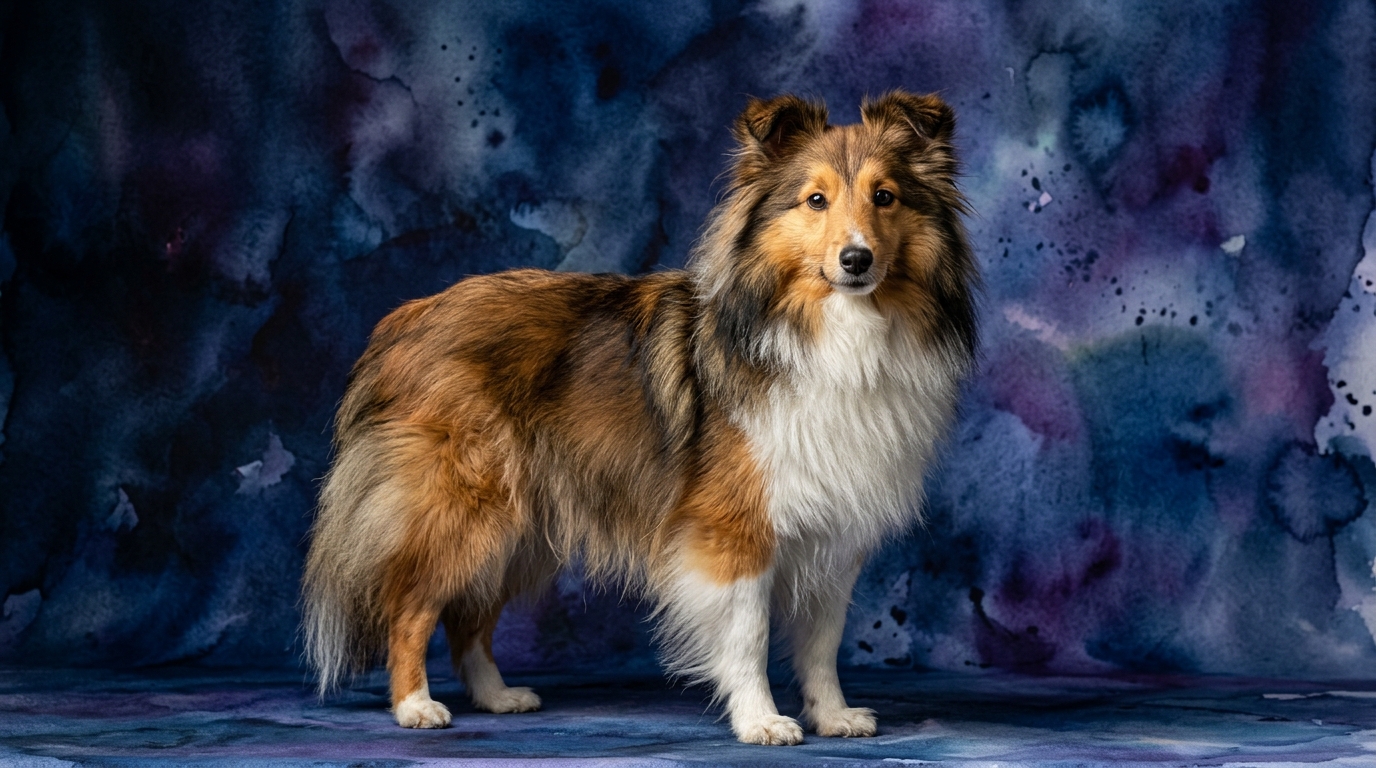
The Shetland Sheepdog, ranking #6 on the Coren scale, demonstrates a Problem Solving score of 4/5, indicating effective strategizing in novel situations and finding creative solutions. Their Training Speed is an impressive 5/5, absorbing new commands with exceptional swiftness and requiring minimal repetitions for mastery. Social Intelligence stands at 4/5, showing they are perceptive of human cues and emotions, forming strong bonds and often anticipating needs. Their Instinctive Drive is a robust 5/5, possessing a strong herding instinct that translates into a desire to gather and organize movement. Finally, their Memory is a perfect 5/5, retaining learned information and experiences over long periods, making recall highly efficient.
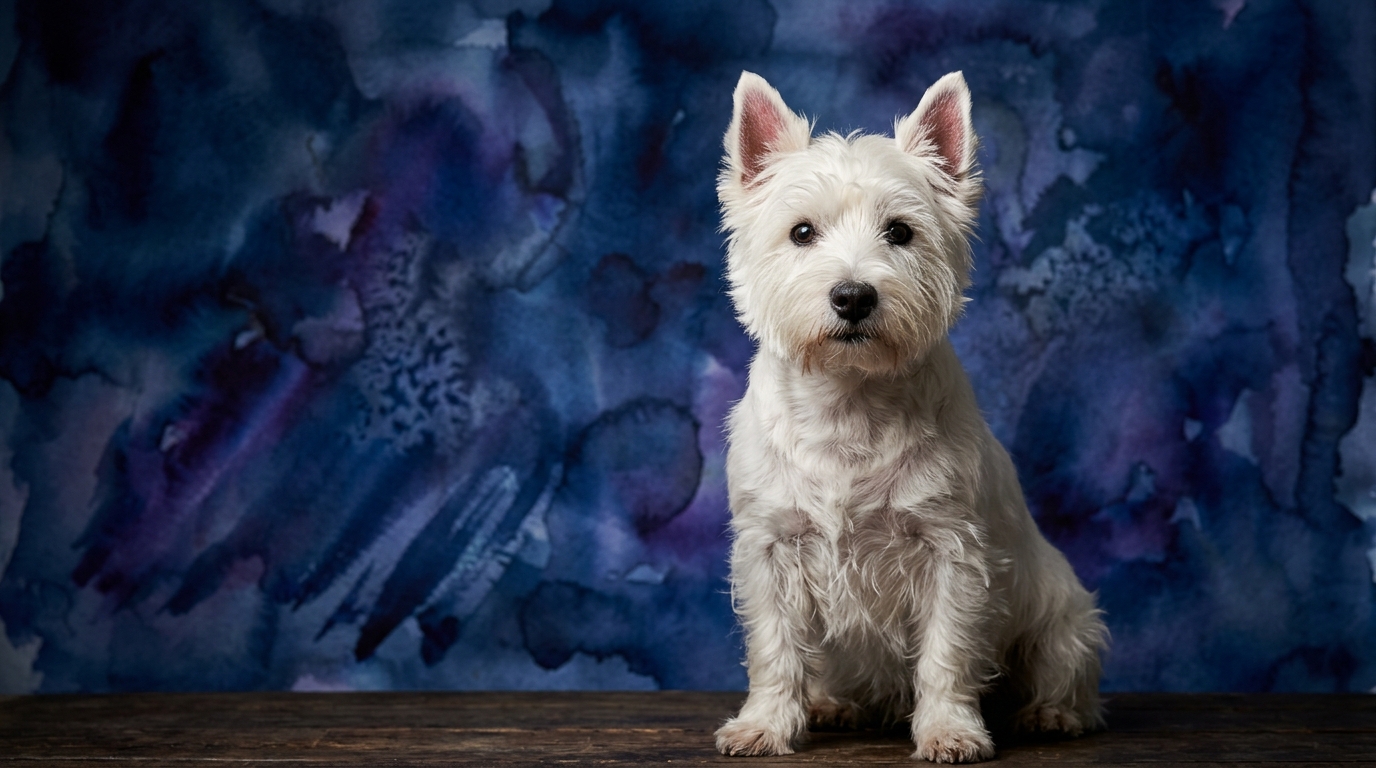
In contrast, the West Highland White Terrier, ranking #47 on the Coren scale, scores 3/5 in Problem Solving. They approach challenges with determination, often relying on persistence and physical exploration rather than complex planning. Their Training Speed is 3/5, meaning they learn new tasks at a moderate pace, needing consistent, engaging methods for progress. Social Intelligence is 3/5; they connect well with familiar humans but can be selective, often exhibiting independent thought. Their Instinctive Drive is 3/5, exhibiting a moderate prey drive and inherent desire to dig and explore, characteristic of their terrier heritage. The Westie's Memory is a commendable 4/5, maintaining good recall of important commands and routines, though less precise than breeds with higher scores.
Where the Shetland Sheepdog Wins Cognitively
The Shetland Sheepdog's cognitive profile consistently outpaces the Westie, particularly in areas demanding cooperation and rapid learning. Their problem-solving at 4/5 indicates a capacity for nuanced strategizing, adapting to complex scenarios beyond simple trial and error. This breed’s training speed, rated a perfect 5/5, is a significant advantage, reflecting an innate eagerness and aptitude for absorbing new information quickly. Shelties grasp new commands in just a few repetitions, invaluable in performance sports or service roles. Furthermore, their social intelligence at 4/5 highlights a deeper attunement to human communication and emotional states, fostering a more intuitive partnership. The Sheltie's memory, also a 5/5, ensures learned lessons are retained with impressive fidelity, making training durable. This combination of swift learning, strong retention, and social awareness positions the Sheltie as a highly adaptable and responsive companion, excelling in tasks requiring precision and a collaborative spirit. Their powerful 5/5 instinctive drive channels energy into purposeful activities.
Where the West Highland White Terrier Wins Cognitively
While the West Highland White Terrier may not match the Sheltie's rapid acquisition of complex commands, their cognitive strengths lie in areas demanding tenacity, independence, and environmental awareness. Their problem-solving, rated 3/5, often manifests as persistent, creative exploration rather than immediate strategic planning. A Westie faced with a puzzle toy might spend more time physically manipulating it, demonstrating a resilient, hands-on approach. This breed's instinctive drive, at 3/5, speaks to its terrier heritage of independent hunting and digging. This drive translates into a strong focus on sensory details and unwavering determination when pursuing a perceived goal, like tracking a scent. Their memory, a commendable 4/5, means they can certainly recall important routines and commands, especially those aligning with their self-motivated pursuits. This robust memory, combined with inherent curiosity, allows them to navigate their environment effectively. The Westie's cognitive profile emphasizes resilience, a practical approach to problem-solving rooted in their environment, and steadfastness in independent endeavors.
Training Ease: Sheltie's Cooperation vs. Westie's Independence
The Shetland Sheepdog is demonstrably easier to train due to key behavioral differences rooted in their cognitive makeup. Their 5/5 training speed means they absorb new commands rapidly, often requiring very few repetitions. This stems from their herding background, where quick responses to handler cues were crucial. Shelties possess a strong desire to please and keen social intelligence (4/5), making them highly receptive to human direction and praise. They are motivated by working collaboratively and find satisfaction in performing tasks correctly; for instance, teaching "stay" might involve just a handful of short sessions.
In contrast, the West Highland White Terrier, with a training speed of 3/5, requires more patience and creative motivation. Their terrier independence means they are less inherently driven to conform purely for human approval. A Westie might understand "stay" but break it if a more interesting scent captures their attention, reflecting their focus on environmental exploration. Their problem-solving (3/5) often involves trial-and-error rather than anticipating human intent, leading to a slower, more deliberate training process. Engaging a Westie effectively often involves making training feel like a game or investigation.
Matching Canine Minds to Lifestyles
For active owners seeking a dog for structured activities, the Shetland Sheepdog is an ideal match. Their high instinctive drive (5/5) for herding, combined with a quick training speed (5/5) and excellent memory (5/5), makes them excel in dog sports like agility, obedience, and rally. These breeds thrive on having a "job" and require consistent mental stimulation and physical exercise to channel energy constructively. An owner who enjoys daily long walks, puzzle toys, and regular training will find a Sheltie to be an incredibly rewarding, cooperative partner, well-suited for active participation in their dog's cognitive development.
Conversely, while the West Highland White Terrier can be active, their activity often stems from an independent, investigative nature rather than structured, cooperative work. A Westie's preference for sniffing trails, digging, or chasing squirrels might appeal more to owners enjoying less formal, exploratory outings. For relaxed owners, the Westie's moderate energy levels and capacity for independent entertainment could be a better fit, provided their need for mental engagement through scent work is met. They adapt to a more relaxed rhythm but still require regular, engaging walks to satisfy curiosity and moderate instinctive drive (3/5).
The Verdict
Opt for a Shetland Sheepdog if you are an active owner eager for a highly trainable, cooperative companion to engage in dog sports, advanced obedience, or a variety of structured mental challenges, valuing a strong, intuitive partnership.
Select a West Highland White Terrier if you appreciate an independent, spirited companion who thrives on exploration and enjoys less formal, curiosity-driven activities, and you are prepared for consistent, engaging training methods.
🧠 Find Your Pet's IQ Score
Our Pet IQ Lab assessment covers 25+ tests across 5 cognitive dimensions — personalized to your breed.
Take the Full IQ Test →Frequently Asked Questions
Do Shetland Sheepdogs bark a lot?
Shetland Sheepdogs do have a propensity for barking, often using it to communicate alerts, express excitement, or manage their "flock" (family members). This behavior is rooted in their herding instincts and can be managed with consistent training and redirection from a young age.
Are West Highland White Terriers good with children?
West Highland White Terriers can be good with children, especially if raised with them and properly socialized. Their sturdy build and playful nature make them suitable companions, but their independent streak means interactions should always be supervised to ensure mutual respect and appropriate play.
Which breed is more adaptable to apartment living?
Both breeds can adapt to apartment living if their exercise and mental stimulation needs are adequately met. The West Highland White Terrier's moderate energy and smaller size might make them slightly easier in very compact spaces, but a Sheltie can thrive with dedicated daily walks and indoor play.