Side-by-Side Cognitive Profiles
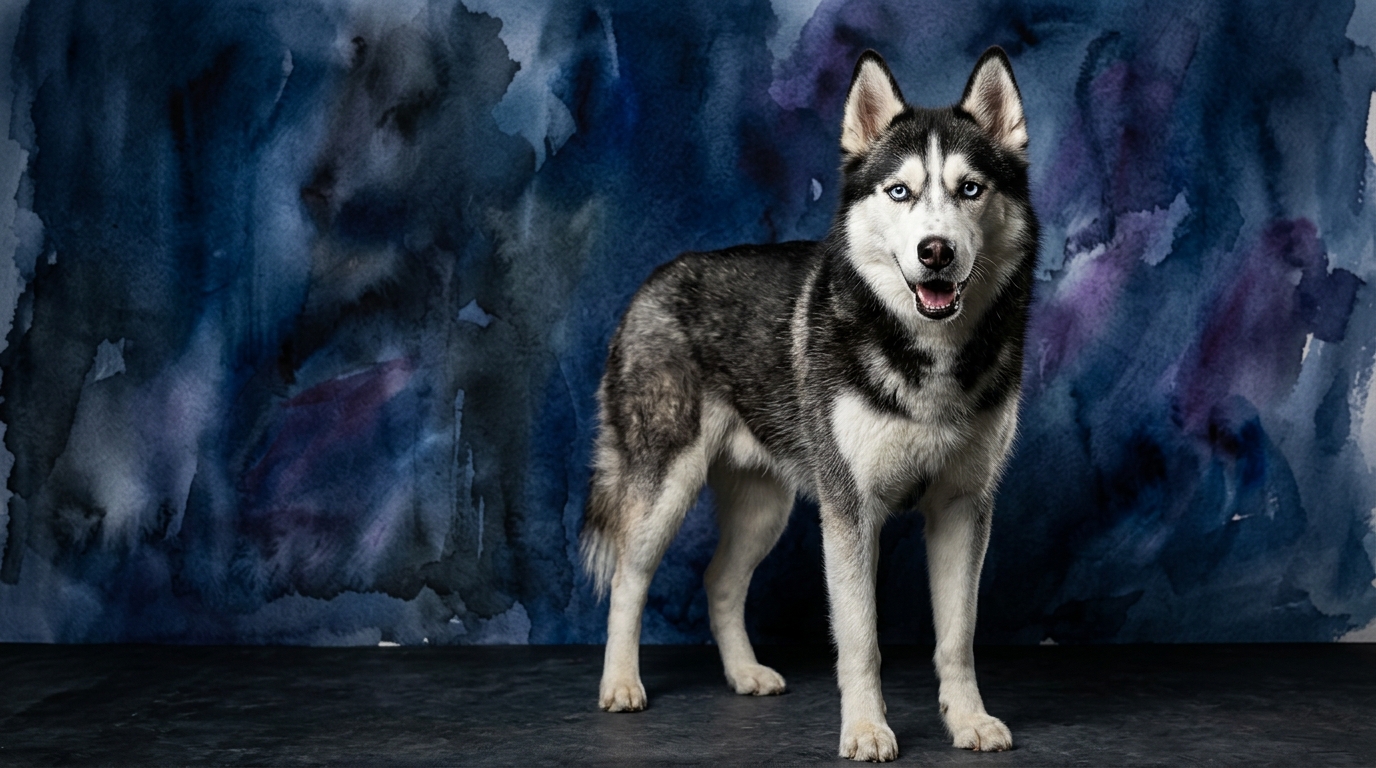
Delving into the specifics of The Cosmic Pet Pet IQ Lab’s assessment reveals nuanced differences and surprising similarities between these powerful working breeds. The Siberian Husky, with a Coren rank of #45, exhibits a robust problem-solving ability (4/5), indicating a strong capacity for independent thought and strategic navigation of challenges. Its training speed is rated 2/5, reflecting an independent spirit that requires patience, while its social intelligence sits at 3/5. A potent instinctive drive (5/5) for activity and exploration is central to its being, complemented by a solid memory (4/5) for retaining experiences and learned behaviors.
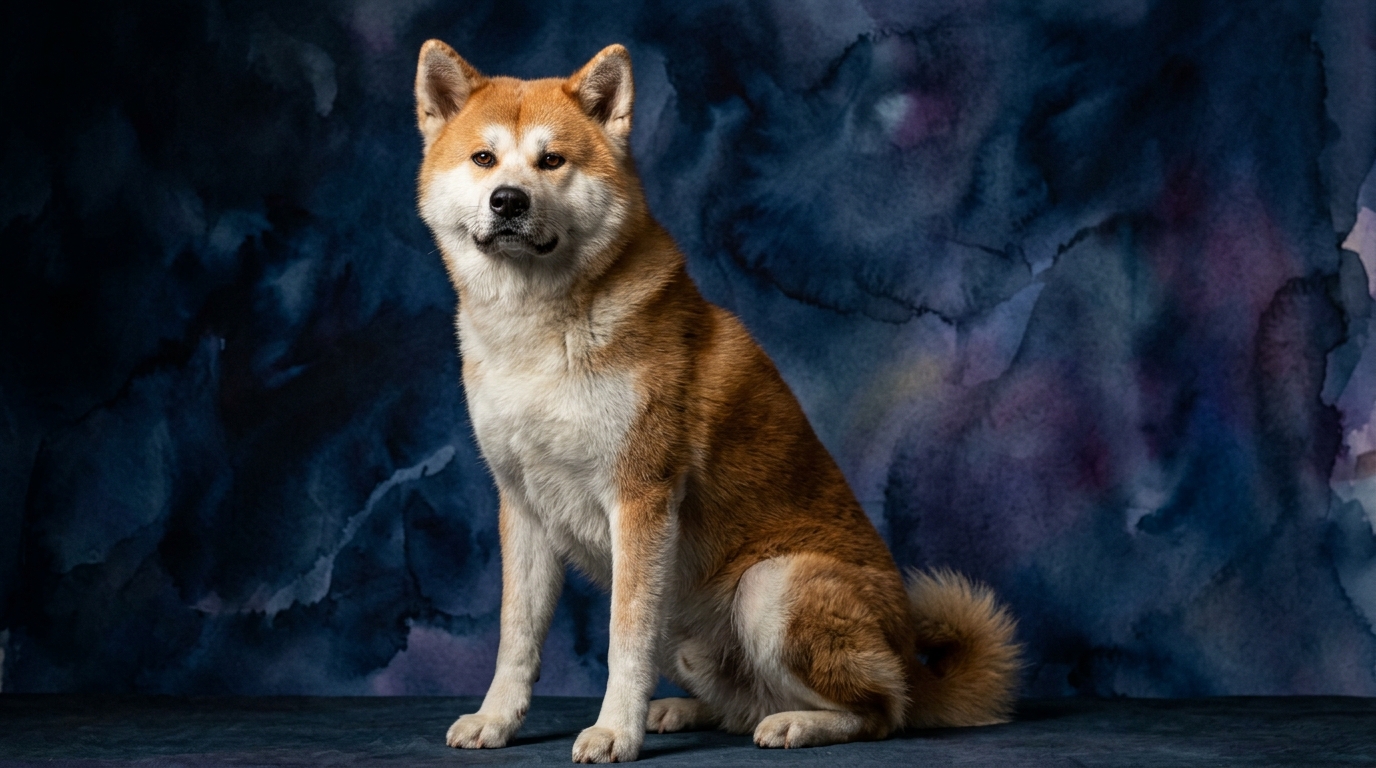
The Akita, with a Coren rank of #54, presents a slightly different cognitive emphasis. Its problem-solving score of 3/5 suggests competence, though perhaps less exploratory than the Husky, often channeled into specific tasks. Matching the Husky, its training speed is 2/5, highlighting a similar need for consistent and understanding guidance due to its discerning nature. Social intelligence is also rated 3/5, indicating a capacity for understanding social cues, particularly within its family unit. Like the Husky, the Akita possesses a very strong instinctive drive (5/5), often directed towards guarding and protection, alongside a reliable memory (4/5) for people, places, and routines.
Where the Siberian Husky Wins Cognitively
The Siberian Husky’s cognitive edge becomes apparent in its superior problem-solving capabilities, rated at 4/5 compared to the Akita’s 3/5. This manifests in their notorious ability to outsmart enclosures, figure out complex latches, or devise creative strategies to access resources they desire. A Husky might spend considerable time analyzing a fence line for weaknesses or experimenting with different methods to open a cabinet. This isn't just mischief; it's a testament to their adaptive thinking and resourcefulness, traits crucial for survival in harsh environments where finding food or shelter was paramount. Owners often report their Huskies 'thinking' their way out of situations, demonstrating a persistent, trial-and-error approach to challenges. This cognitive nimbleness makes them fascinating to observe but also requires owners to be equally resourceful in providing mental stimulation and secure environments.
Where the Akita Wins Cognitively
While the Akita doesn't boast higher numerical scores in any single cognitive dimension over the Husky, its specific blend of instincts and social intelligence creates a unique cognitive advantage in certain scenarios. With an equally strong instinctive drive (5/5) and robust memory (4/5), coupled with its discerning social intelligence (3/5), the Akita excels in roles requiring unwavering loyalty and protective discernment. Their problem-solving, though rated 3/5, is often channeled into assessing potential threats and making calculated decisions to safeguard their family and territory, rather than escaping. An Akita's cognitive strength lies in its ability to quickly learn and remember who belongs and who doesn't, and to act decisively based on those learned parameters, a critical aspect of their guardian heritage. This translates into a profound, almost intuitive understanding of their family's safety, offering a different kind of cognitive prowess centered on vigilance and steadfastness.
Training: Patience is a Virtue for Both
Neither the Siberian Husky nor the Akita are considered breeds that pick up new commands with lightning speed, both scoring 2/5 in training speed. This isn't due to a lack of capacity to learn, but rather their inherent independence and strong self-will. The Siberian Husky's problem-solving acumen, while a cognitive strength, can become a training challenge. They often assess whether a command serves their own interests, and if not, they may choose to ignore it or find a workaround. Their high instinctive drive (5/5) for chasing and exploring means they can be easily distracted by novel stimuli in the environment, making focused training sessions require extreme patience and high-value rewards.
The Akita's training challenge stems more from its discerning and often stubborn nature. They are not typically eager to please in the same way some other breeds are; instead, they weigh commands and decide if they are worth their effort. Their protective instincts, while valuable, mean they require extensive socialization from a young age to ensure their discernment doesn't become reactivity. For both breeds, training success hinges on consistency, positive reinforcement, and understanding their individual motivations rather than expecting immediate, eager compliance.
Matching Breeds to Owner Lifestyles
When considering an owner's lifestyle, the distinctions between these two breeds, while subtle in some cognitive scores, become pronounced. The Siberian Husky, with its profound instinctive drive (5/5) for activity and its problem-solving intelligence, thrives with active owners who can meet its intense need for physical exertion and mental engagement. These are dogs built to run for miles, and without adequate outlets, their cleverness can be channeled into destructive behaviors or escape attempts. They suit individuals or families who embrace outdoor adventures, long runs, or dog sports like canicross. A relaxed owner, unprepared for the Husky's relentless energy and propensity for independent decision-making, would likely find themselves overwhelmed.
Conversely, the Akita, while also possessing a high instinctive drive (5/5), channels much of this into vigilance and guarding rather than endless endurance running. They require regular exercise but are often content with brisk walks and secure yard time, preferring to be close to their family. Their discerning social intelligence and protective nature mean they are less suited to owners seeking a highly social, 'dog park warrior' type. They fit owners who appreciate a dignified, loyal companion, are comfortable with a reserved demeanor, and can provide consistent, firm leadership without being overly demanding of constant activity. A relaxed owner who values a strong, protective presence and is prepared for dedicated socialization will find the Akita a profoundly rewarding companion, though they still require mental engagement and physical activity to prevent boredom.
The Verdict
For those seeking a canine partner with exceptional problem-solving skills and boundless energy for outdoor exploits, the Siberian Husky is an unparalleled choice. They thrive with owners who can provide consistent mental challenges and a demanding physical routine, embracing their independent spirit and cleverness.
The Akita is ideal for owners who value a loyal, discerning guardian with a dignified presence, prepared to invest in early socialization and firm, patient leadership. They suit individuals or families seeking a devoted companion whose cognitive strengths lie in protective instincts and steadfast attachment to their inner circle.
🧠 Find Your Pet's IQ Score
Our Pet IQ Lab assessment covers 25+ tests across 5 cognitive dimensions — personalized to your breed.
Take the Full IQ Test →Frequently Asked Questions
Are Siberian Huskies and Akitas difficult to train?
Both breeds score 2/5 in training speed, indicating they require patient, consistent, and engaging training methods. Their independence and strong drives mean they often weigh commands against their own interests, making compliance less automatic than with some other breeds.
Which breed is more independent?
Both breeds exhibit significant independence, scoring high in instinctive drive. Huskies often show independence through problem-solving and exploring, while Akitas display it through their reserved nature and discerning judgment, especially with strangers.
Do Akitas and Siberian Huskies get along with other pets?
Both breeds possess a high instinctive drive (5/5), which can translate to a strong prey drive, making introductions to smaller pets challenging without careful socialization. Akitas can also be dog-selective, often preferring to be the only dog or requiring very specific canine companions.