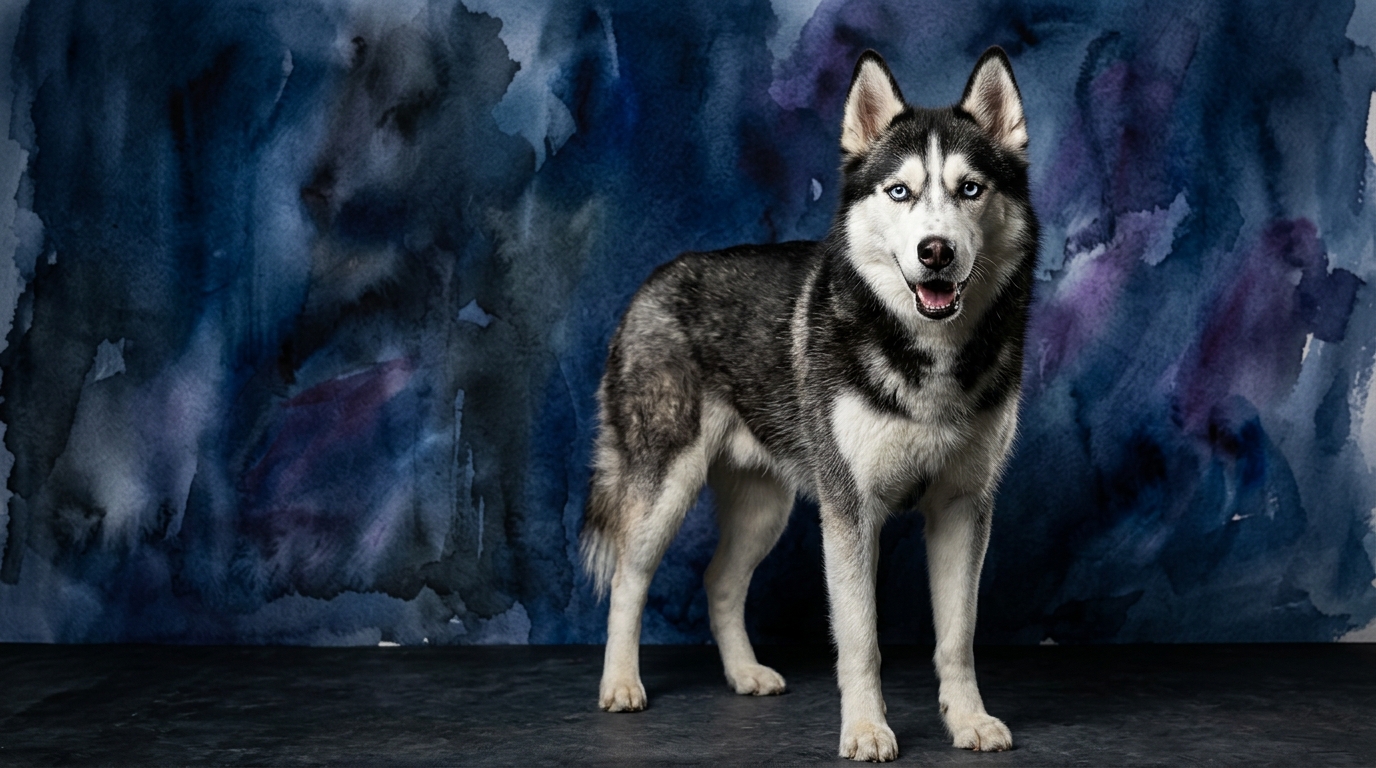
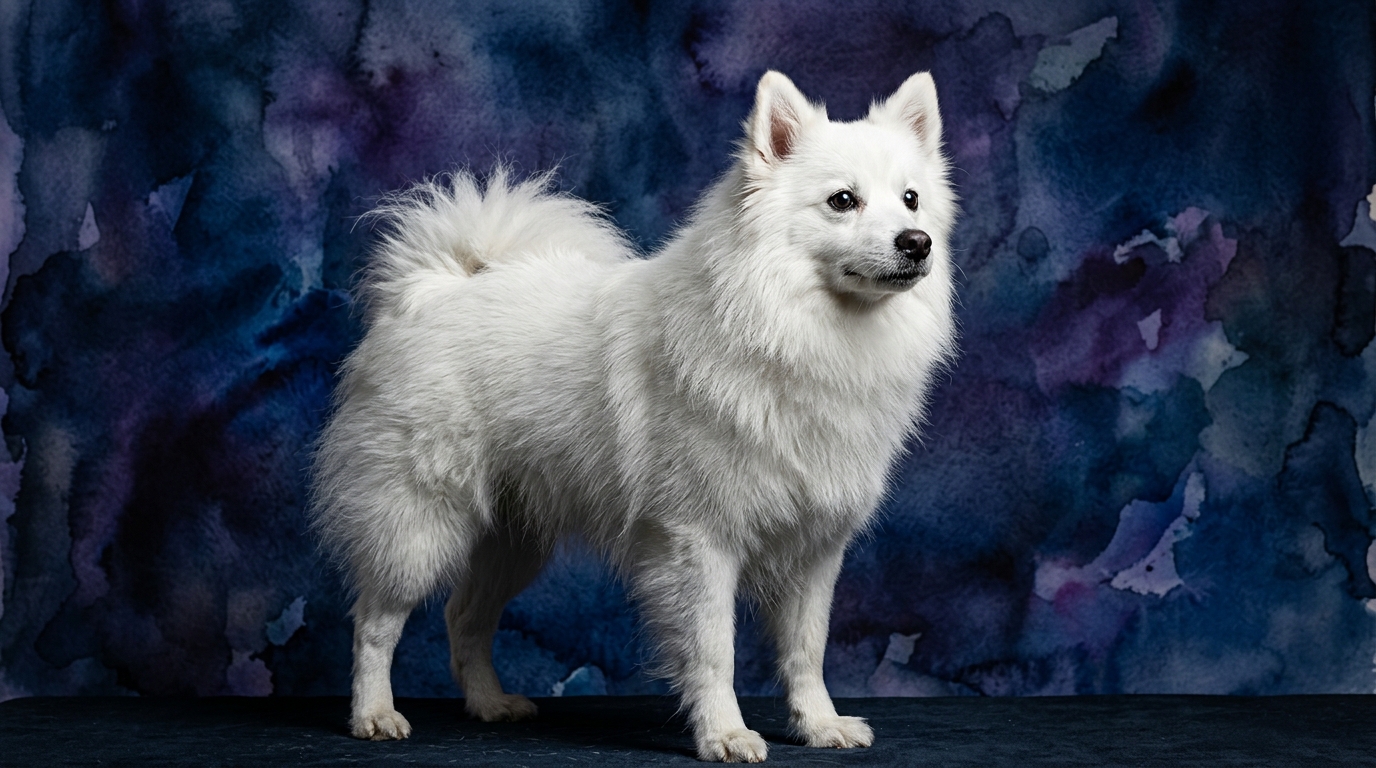
Side-by-Side IQ Profile
**Siberian Husky:**
**Problem Solving (4/5):** Huskies exhibit a strong capacity for independent thought and figuring out complex situations, often in ways that benefit their own agendas rather than directly following human instruction. This score reflects their innate ability to navigate challenges, whether it's escaping an enclosure or devising a strategy to access a desired treat.
**Training Speed (2/5):** Their independent nature and strong will mean Huskies typically require more repetition and consistent, engaging methods to master new commands. They are not quick to comply simply for compliance's sake, often weighing the perceived value of an instruction against their own desires.
**Social Intelligence (3/5):** Huskies generally possess a moderate level of social intelligence, capable of forming strong bonds with their human families and often interacting well with other dogs. Their understanding of social cues is present, but their focus might lean more towards pack dynamics and individual freedom rather than constant human appeasement.
**Instinctive Drive (5/5):** This is where the Husky truly shines, with an exceptionally high drive rooted in their sled dog heritage. Their instincts for running, pulling, and exploring are powerful, influencing much of their behavior and requiring significant outlets to prevent boredom and potential destructive tendencies.
**Memory (4/5):** Huskies demonstrate good memory retention, particularly for routines, locations, and past experiences, whether positive or negative. This strong memory contributes to their problem-solving abilities, allowing them to recall successful strategies or avoid previous pitfalls.
**American Eskimo Dog:**
**Problem Solving (3/5):** Eskies show a solid, functional capacity for problem-solving, able to learn and adapt to various situations. They can figure out puzzles and navigate new environments, though perhaps with less independent innovation than a Husky, often looking to their human companions for guidance.
**Training Speed (3/5):** With a moderate training speed, American Eskimo Dogs are generally receptive to learning and can pick up new commands with reasonable consistency. They are often eager to please and respond well to positive reinforcement, making them a cooperative student in structured training environments.
**Social Intelligence (3/5):** Eskies also rate at a moderate level for social intelligence, typically forming deep bonds with their families and often displaying a watchful, discerning nature towards strangers. They are attuned to human emotions and social dynamics within their household, often serving as vigilant guardians.
**Instinctive Drive (3/5):** Their instinctive drive is moderate, reflecting a balanced blend of activity and companionship. While they enjoy play and can have a strong herding or watchdog instinct, it is generally less overwhelming than the Husky's primal urge to run and explore, making them more adaptable to varied living situations.
**Memory (3/5):** American Eskimo Dogs possess a good, reliable memory for commands, routines, and the people and places they encounter regularly. This contributes to their trainability and ability to settle into a predictable home life.
Where Siberian Husky Wins Cognitively
The Siberian Husky's cognitive profile reveals distinct strengths, particularly in its capacity for independent thought and robust physical drive. Their Problem Solving score of 4/5 indicates a breed that can ingeniously navigate obstacles, often finding creative solutions to challenges like opening gates or outsmarting puzzle toys; this isn't about following instructions but about devising novel approaches to achieve a goal. This cognitive strength, coupled with their perfect 5/5 Instinctive Drive, means Huskies are exceptionally adept at tasks requiring endurance, self-motivation, and a deep connection to their inherent working purpose. Their strong Memory (4/5) further enhances these traits, allowing them to recall complex routes, past successes, and the nuances of their environment, making them highly effective in roles demanding sustained focus and strategic planning, such as competitive sledding or extensive scent work.
Where American Eskimo Dog Offers Distinct Cognitive Advantages
While the American Eskimo Dog doesn't boast scores as extreme as the Husky in any single dimension, its cognitive profile offers distinct advantages in areas where balance and cooperation are prized. The Eskie's Training Speed of 3/5, compared to the Husky's 2/5, means they are typically more amenable to learning new commands efficiently and consistently, often showing a greater inclination to work *with* their human companions. Their moderate Instinctive Drive (3/5) allows for a more versatile application of their intelligence; rather than being singularly driven by a powerful urge to run, they can channel their cognitive energy into a wider range of activities, from agility to trick training, without the same intensity of physical demand. This balanced drive, combined with solid Problem Solving (3/5) and Memory (3/5), results in a dog that is adaptable and willing to engage in collaborative mental challenges, making them particularly well-suited for owners seeking a responsive and engaged partner in various canine sports or daily routines.
Which Is Easier to Train and Why
Based on their respective "Training Speed" scores, the American Eskimo Dog, with a 3/5, is generally easier to train than the Siberian Husky, which scores a 2/5. This difference stems from fundamental behavioral predispositions. American Eskimo Dogs often possess a stronger "eagerness to please" and a more direct motivation to work cooperatively with their owners, responding well to positive reinforcement and clear directives. Their moderate instinctive drive means their focus is less likely to be hijacked by overwhelming urges to explore or run, allowing them to concentrate better on training tasks. In contrast, Siberian Huskies are renowned for their independent and sometimes stubborn nature, a direct reflection of their history as working dogs requiring self-reliance in vast, challenging environments. Their high instinctive drive means they are often more interested in pursuing their own agendas—like investigating a scent or attempting an escape—than in diligently performing a recall. Training a Husky requires immense patience, creativity, and a deep understanding of their motivations, often turning lessons into a negotiation rather than a simple instruction.
Which Suits Active Owners vs. Moderately Active Owners
The choice between a Siberian Husky and an American Eskimo Dog largely hinges on an owner's lifestyle and their capacity to meet a dog's cognitive and physical needs. The Siberian Husky, with its 5/5 Instinctive Drive and 4/5 Problem Solving, is definitively suited for highly active owners who thrive on outdoor adventure and can provide consistent, vigorous physical and mental stimulation. These dogs need outlets for their powerful urges to run, pull, and explore, making them ideal companions for hikers, runners, or those interested in dog sports like canicross or skijoring. Their independent problem-solving skills mean they require engaged owners who can channel their ingenuity productively, preventing boredom-induced mischief. Conversely, the American Eskimo Dog, with its moderate 3/5 Instinctive Drive and balanced cognitive profile, is a better fit for owners seeking an engaged companion without the extreme demands of a Husky. They enjoy daily walks, playtime, and mental challenges like puzzle toys or trick training, but their needs are generally more manageable for owners with a moderately active lifestyle. While not "relaxed" in the sense of being a couch potato, Eskies are more adaptable to a varied pace of life, making them suitable for active families who enjoy regular engagement but don't necessarily embark on epic adventures daily.
The Verdict
Choose the Siberian Husky if you are an experienced, highly active owner prepared to channel a powerful, independent mind and boundless energy into structured adventure and consistent mental engagement.
Choose the American Eskimo Dog if you seek a responsive, adaptable companion that thrives on cooperative learning and moderate activity, offering a balance of spirited play and devoted companionship.
🧠 Find Your Pet's IQ Score
Our Pet IQ Lab assessment covers 25+ tests across 5 cognitive dimensions — personalized to your breed.
Take the Full IQ Test →Frequently Asked Questions
Do Siberian Huskies get bored easily?
Yes, Siberian Huskies, with their high problem-solving ability and intense instinctive drive, can become easily bored if not provided with sufficient mental and physical stimulation. This boredom often manifests as destructive behaviors or attempts to escape, highlighting their need for engaging activities and consistent outlets for their energy.
Are American Eskimo Dogs good for first-time dog owners?
American Eskimo Dogs can be a good choice for first-time dog owners due to their moderate training speed and eagerness to please, making them generally easier to train than many other breeds. However, their moderate social intelligence and watchdog instincts mean they still require consistent socialization and training to develop into well-adjusted companions.
How do their memories impact daily life?
The Siberian Husky's strong memory (4/5) means they recall routines and past experiences well, which can be beneficial for complex tasks but also means they remember negative experiences or successful escape routes. The American Eskimo Dog's reliable memory (3/5) supports their trainability and ability to maintain consistent behavior, making them dependable in established routines and commands.