Side-by-Side IQ Profile: Siberian Husky vs. Bedlington Terrier
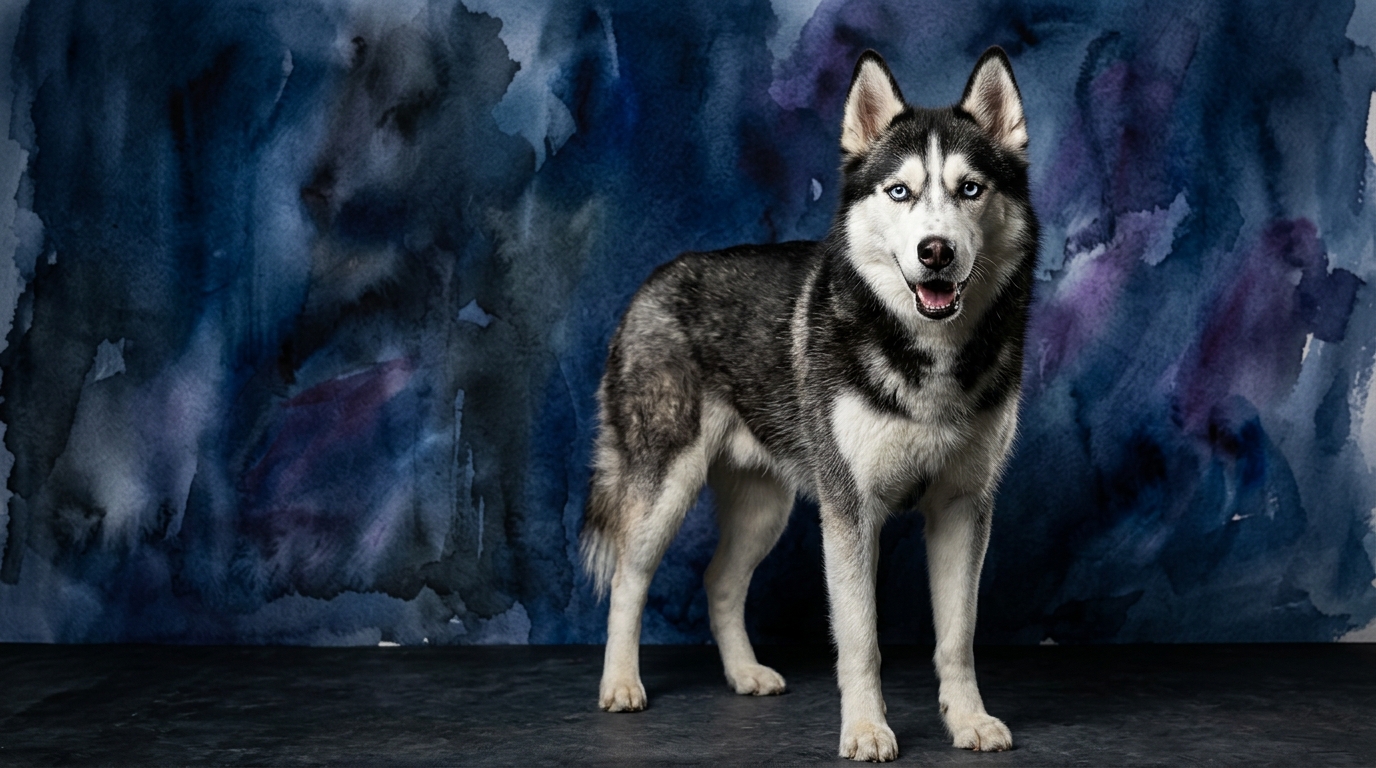
The Siberian Husky, Coren-ranked #45, presents a captivating cognitive profile shaped by centuries of demanding work. Their problem-solving score of 4/5 reflects a resourceful mind, adept at figuring out complex environmental challenges, whether navigating a blizzard or devising an escape. This ingenuity often serves their own agenda. Training speed is 2/5, not due to slow learning, but profound independence; they grasp concepts quickly but often choose to comply only if sufficiently motivated. Social intelligence at 3/5 indicates good understanding of pack dynamics and generally good relations with other dogs, though they can be aloof with strangers. A towering instinctive drive of 5/5 fuels their wanderlust, prey drive, and endurance, making them powerful, self-directed creatures. Their memory, at 4/5, allows them to recall vast territories, past interactions, and complex sequences with notable accuracy.
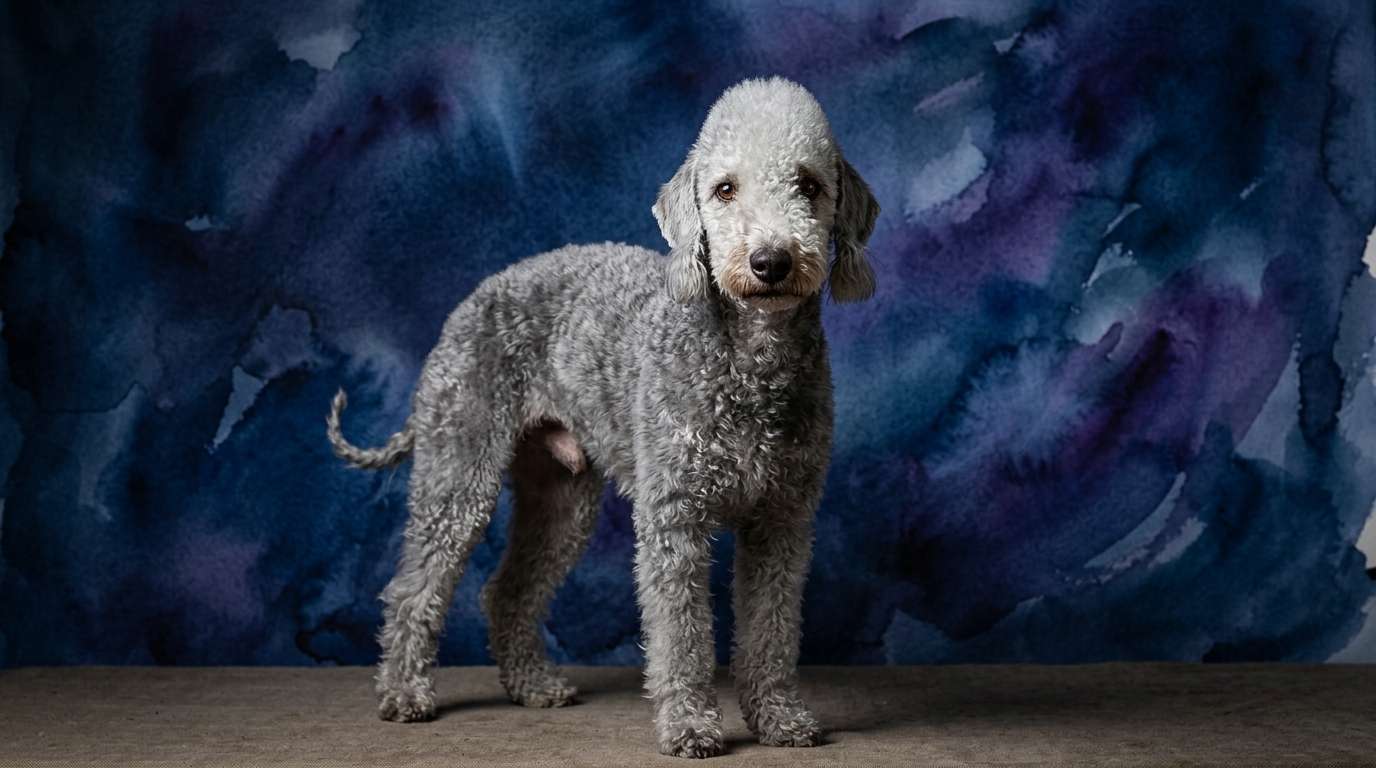
The Bedlington Terrier, without a specific Coren ranking, offers a distinct cognitive blueprint. Their problem-solving ability is 3/5, indicating a capacity for moderate challenges but less of the driven, large-scale independent strategizing seen in the Husky. Training speed stands at 3/5, suggesting moderate responsiveness; they can be stubborn, a classic terrier trait, but are generally willing to learn with consistent positive reinforcement. Social intelligence also sits at 3/5, meaning they form strong bonds with family but might be reserved with unfamiliar faces, requiring early socialization for smooth interactions with other dogs. Their instinctive drive, at 3/5, is typical of terriers, manifesting as a propensity for digging and chasing small prey, but it is not as overwhelming or all-consuming as the Husky's. Memory is rated 3/5, indicating a standard capacity for retaining commands, routines, and experiences.
Where the Siberian Husky Wins Cognitively
The Siberian Husky's cognitive strengths lie in their unparalleled independence and purpose-driven intellect. Their 4/5 problem-solving score outshines the Bedlington's 3/5, demonstrating a superior capacity for resourceful thinking, particularly when faced with environmental puzzles or self-motivated objectives like finding a way to explore. This isn't just about escaping; it extends to understanding complex cause-and-effect relationships. Furthermore, their 5/5 instinctive drive is a powerful cognitive engine. While challenging, this drive enables them to perform demanding tasks with incredible focus and endurance, a depth of purpose that defines their breed. This intense drive is intrinsically linked to their memory score of 4/5; they retain information about routes, resources, and past efforts with remarkable precision, crucial for navigating vast landscapes or remembering successful strategies for attaining a goal. This combination creates a highly self-sufficient and adaptable mind when given a clear, demanding purpose.
Where the Bedlington Terrier Wins Cognitively
While the Bedlington Terrier might not boast the same raw problem-solving or instinctive drive as the Husky, their cognitive profile offers distinct advantages, particularly in a domestic setting. Their training speed of 3/5 surpasses the Husky's 2/5, indicating a generally more cooperative and responsive learner. This translates to a dog often more attuned to human cues during training, less likely to be sidetracked by powerful internal drives, and more eager to engage in structured learning. Their moderate instinctive drive (3/5) means they are less prone to being overwhelmed by urges to wander or hunt, allowing easier integration into diverse lifestyles without constant, intense management of primal instincts. This balance makes them more adaptable to various home environments, requiring less extreme mental redirection. Their balanced cognitive scores contribute to a dog that, while still tenacious, is often more consistently predictable in its responses, making them a more straightforward companion for many.
Which is Easier to Train and Why
When it comes to ease of training, the Bedlington Terrier generally holds an advantage. Their training speed of 3/5, coupled with a moderate instinctive drive of 3/5, means they are typically more receptive to learning and inclined to follow commands. Bedlingtons, while possessing a classic terrier stubborn streak, are often motivated by positive reinforcement and more likely to focus on the task at hand without being overwhelmed by primal urges. They tend to seek to please, translating into greater compliance. In contrast, the Siberian Husky's training speed of 2/5 reflects their profound independence. They learn quickly, remembering commands (memory 4/5), but their powerful instinctive drive (5/5) means they often prioritize their own agenda. Training a Husky requires immense patience, creativity, and consistent high-value motivation to overcome their inclination to follow their nose or simply do their own thing. Their problem-solving (4/5) might even be used to figure out how to *avoid* a command, making them a significant challenge for novice trainers.
Which Suits Active Owners vs. Relaxed Owners
For active owners, the Siberian Husky is an undeniable match. Their towering instinctive drive of 5/5 demands a lifestyle rich in physical exertion and mental engagement. These dogs thrive on long runs, demanding hikes, or structured "work" that taps into their endurance and problem-solving skills (4/5). Owners who consistently provide extensive outdoor adventures and channel their independent spirit into purposeful activities will find a truly fulfilled Husky; they are not content to be couch potatoes. Conversely, the Bedlington Terrier, with its more moderate instinctive drive of 3/5 and problem-solving of 3/5, is a better fit for relaxed owners. While active and enjoying playtime and regular walks, they do not possess the same relentless need for intense, purpose-driven activity. They are content with a good daily stroll, engaging in interactive games, and spending quality time with family, adapting more readily to a less strenuous routine without the frustration a bored Husky might display.
The Verdict
Choose a Siberian Husky if you are an experienced, highly active individual or family seeking a robust, independent companion for demanding outdoor adventures and are prepared for consistent, creative mental engagement to manage their powerful instincts.
Opt for a Bedlington Terrier if you desire a unique, moderately active companion with a generally more cooperative training disposition and a capacity to integrate smoothly into a variety of home environments, appreciating its charming, tenacious personality.
🧠 Find Your Pet's IQ Score
Our Pet IQ Lab assessment covers 25+ tests across 5 cognitive dimensions — personalized to your breed.
Take the Full IQ Test →Frequently Asked Questions
Are Siberian Huskies truly difficult to train?
Huskies aren't difficult to train because they lack intelligence; rather, their profound independence and high instinctive drive mean they often choose to prioritize their own agenda over human commands. They learn quickly but require immense patience, consistent motivation, and creative approaches to encourage compliance.
Do Bedlington Terriers need a lot of exercise?
Bedlington Terriers have a moderate energy level. They enjoy daily walks, playtime, and mental stimulation but do not require the same intense, purpose-driven activity as a working breed like the Husky. Regular, consistent exercise is key to keeping them happy and healthy.
How do their social intelligence scores impact household dynamics?
Both breeds score 3/5 in social intelligence, meaning they can form strong family bonds. Huskies are often good with other dogs but can be aloof with strangers. Bedlingtons are devoted to their families but may be reserved with outsiders and require early socialization to prevent potential dog-dog issues, typical of many terriers.