Side-by-Side IQ Profile: Siberian Husky vs. Bichon Frisé
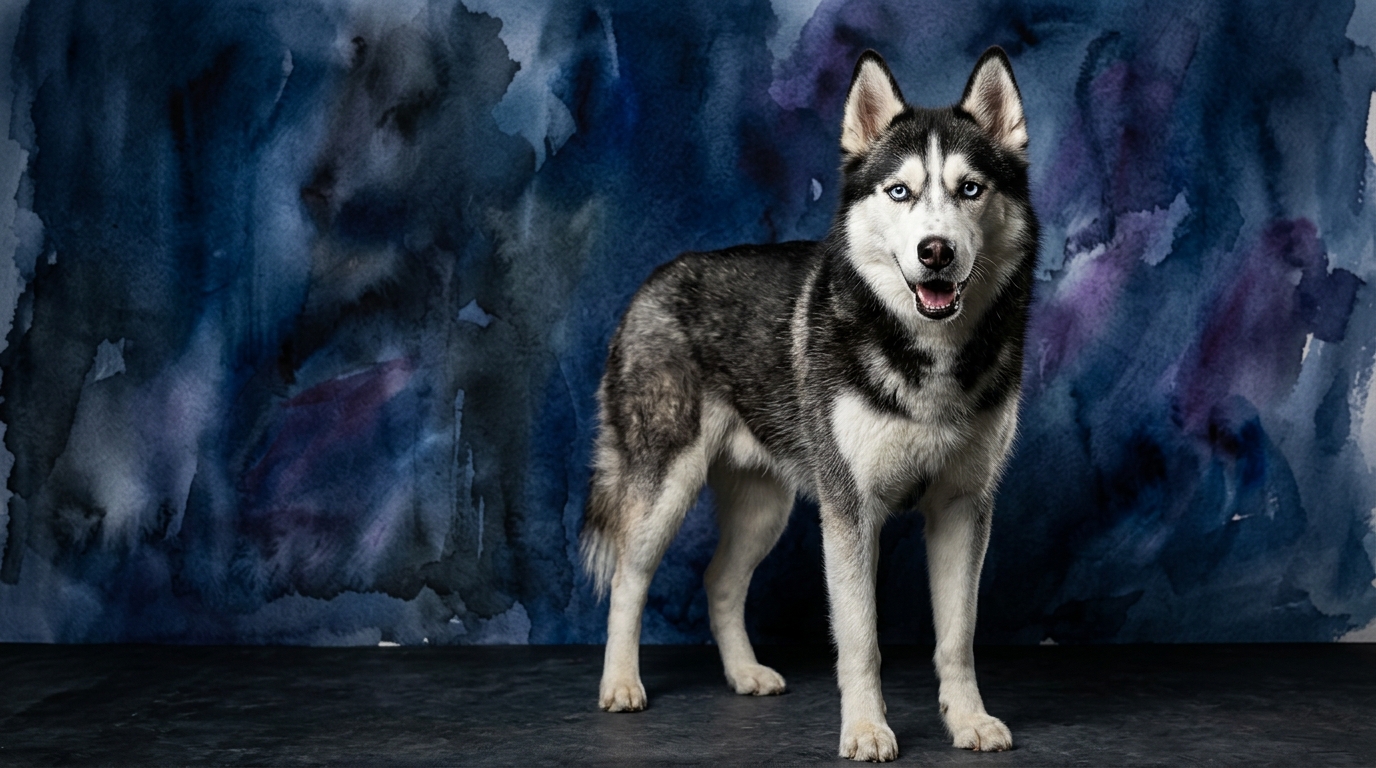
**Siberian Husky (Coren Rank #45):** This breed excels in independent Problem Solving (4/5), adept at navigating complex environments and achieving goals, often with resourceful, sometimes mischievous, independence. Training Speed (2/5) is slower; they might follow their own agenda over immediate human instruction. Social Intelligence (3/5) is geared towards pack dynamics, valuing companionship but not intensely 'reading' owners. Their Instinctive Drive (5/5) for running, pulling, and exploration is exceptionally strong, reflecting their sled dog heritage. Memory (4/5) is robust, aiding navigation and recall of past experiences, even if application is selective.
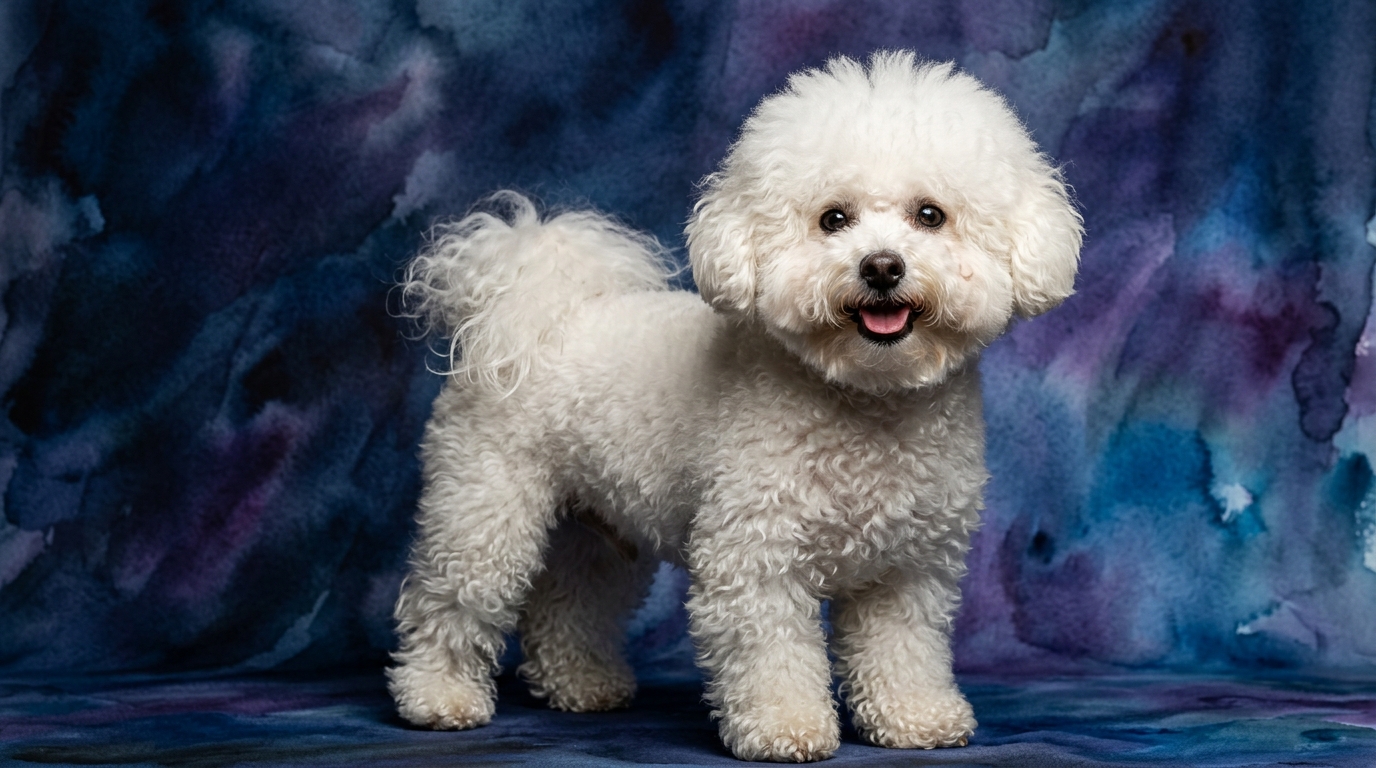
**Bichon Frisé (Coren Rank #45):** Bichons show functional Problem Solving (3/5) for daily challenges and routines, often applied to social negotiation. Training Speed (3/5) is moderate; they learn commands with positive reinforcement and a desire to please. Their exceptional Social Intelligence (5/5) is a hallmark, showing high attunement to human emotions and cues, adapting behavior to foster harmony. Instinctive Drive (2/5) is low, focusing on companionship and play rather than intense physical exertion. Memory (3/5) is effective for routines, familiar people, and tricks, sufficient for their role as a devoted companion.
Where the Siberian Husky Wins Cognitively
The Siberian Husky notably excels in areas demanding independent thought and physical prowess. Their Problem Solving score of 4/5 reflects an impressive capacity for autonomous decision-making, crucial for navigating unpredictable terrain or figuring out how to open a gate. This breed's high Instinctive Drive (5/5) fuels a tenacious pursuit of goals, whether covering miles with a sled or exploring a secure yard. Their strong Memory (4/5) reinforces this, allowing recall of complex routes and past experiences, vital for a breed historically tasked with long-distance travel without constant human direction. These cognitive strengths paint a picture of a dog thriving on challenge and self-directed activity.
Where the Bichon Frisé Wins Cognitively
The Bichon Frisé shines brilliantly in social interaction and adaptability, evidenced by their perfect 5/5 score in Social Intelligence. This is a sophisticated ability to interpret human cues, understand emotional states, and adjust behavior to foster harmonious relationships. They are masters of cohabitation, often using their charm to communicate needs or solicit attention effectively. Their Problem Solving (3/5) is often applied to social contexts, like figuring out how to get a preferred treat. This breed's moderate Training Speed (3/5) is bolstered by their inherent desire to please and connect, making them receptive to learning within a positive, social framework.
Which is Easier to Train and Why
Assessing ease of training reveals a stark contrast rooted in their fundamental motivations and cognitive priorities. The Bichon Frisé, with a Training Speed of 3/5, generally presents an easier experience for the average owner. Their high Social Intelligence (5/5) means they are inherently motivated to engage with human companions and respond to social cues, often eager to please. They thrive on positive reinforcement and consistent, gentle guidance, viewing training as a collaborative activity that strengthens their bond. Their lower Instinctive Drive (2/5) means fewer distractions from innate urges, allowing them to focus more readily on human instruction.
In contrast, the Siberian Husky, with a Training Speed of 2/5, can be considerably more challenging. Their formidable Instinctive Drive (5/5) for running and exploring frequently outweighs their desire for immediate human compliance. A Husky's Problem Solving (4/5) is often applied to finding ways around rules or achieving their own objectives, rather than strictly adhering to commands. Training a Husky requires immense patience, creativity, and a deep understanding of their independent nature. While their strong memory (4/5) means they recall what they've learned, their application is often self-directed; a Husky might ignore a "stay" command if an enticing scent captures their attention, a behavior less common in the socially compliant Bichon.
Which Suits Active Owners vs. Relaxed Owners
The cognitive profiles of these breeds clearly delineate their suitability for different lifestyles. The Siberian Husky, with its profound Instinctive Drive (5/5) and robust Problem Solving (4/5), is undeniably suited for active owners. These dogs need substantial physical and mental engagement, thriving on long runs, hikes, or dog sports that challenge their endurance and intelligence. An owner who can channel their inherent drive for exploration through structured activities will find a rewarding companion. Without sufficient outlets for their energy and mental acuity, Huskies can become restless and destructive, applying their problem-solving skills to escaping yards or creating their own entertainment.
Conversely, the Bichon Frisé, with its exceptional Social Intelligence (5/5) and lower Instinctive Drive (2/5), is an ideal match for more relaxed owners seeking a devoted and adaptable indoor companion. While they enjoy play and short walks, their primary need is for companionship and social interaction. Their cognitive strengths lie in forming deep bonds and understanding human social dynamics, making them content to spend quality time with their family. Owners who appreciate a dog highly attuned to their emotions and happy to be the center of domestic attention will find the Bichon Frisé perfectly suited to their lifestyle, presenting a lower-impact cognitive commitment for a less active routine.
The Verdict
Opt for a Siberian Husky if you are an experienced, highly active individual or family prepared to dedicate significant time to rigorous exercise, consistent, creative training, and mental stimulation, appreciating a partner with a strong independent spirit and a drive for adventure.
Select a Bichon Frisé if you seek a devoted, socially adept companion who thrives on close human interaction, requires moderate physical activity, and can flourish in a home environment with ample affection and consistent, positive reinforcement.
🧠 Find Your Pet's IQ Score
Our Pet IQ Lab assessment covers 25+ tests across 5 cognitive dimensions — personalized to your breed.
Take the Full IQ Test →Frequently Asked Questions
Do Siberian Huskies get bored easily?
Yes, Huskies possess a high Problem Solving score and intense Instinctive Drive. They require substantial mental and physical stimulation to prevent boredom and potential destructive behaviors, as their minds constantly seek engagement.
Are Bichon Frise good for first-time dog owners?
With their high Social Intelligence and moderate training speed, Bichons can be an excellent choice for first-time owners committed to positive reinforcement and ample companionship. They are generally eager to please and adapt well.
How do their Coren ranks being the same (#45) relate to their different IQ profiles?
The Coren rank primarily assesses "working intelligence" or obedience. While both rank similarly, their distinct IQ profiles highlight *how* they achieve this, with the Bichon leveraging social intelligence and the Husky relying more on problem-solving and memory, often with a selective approach to obedience.